Charcuterie Board Ideas
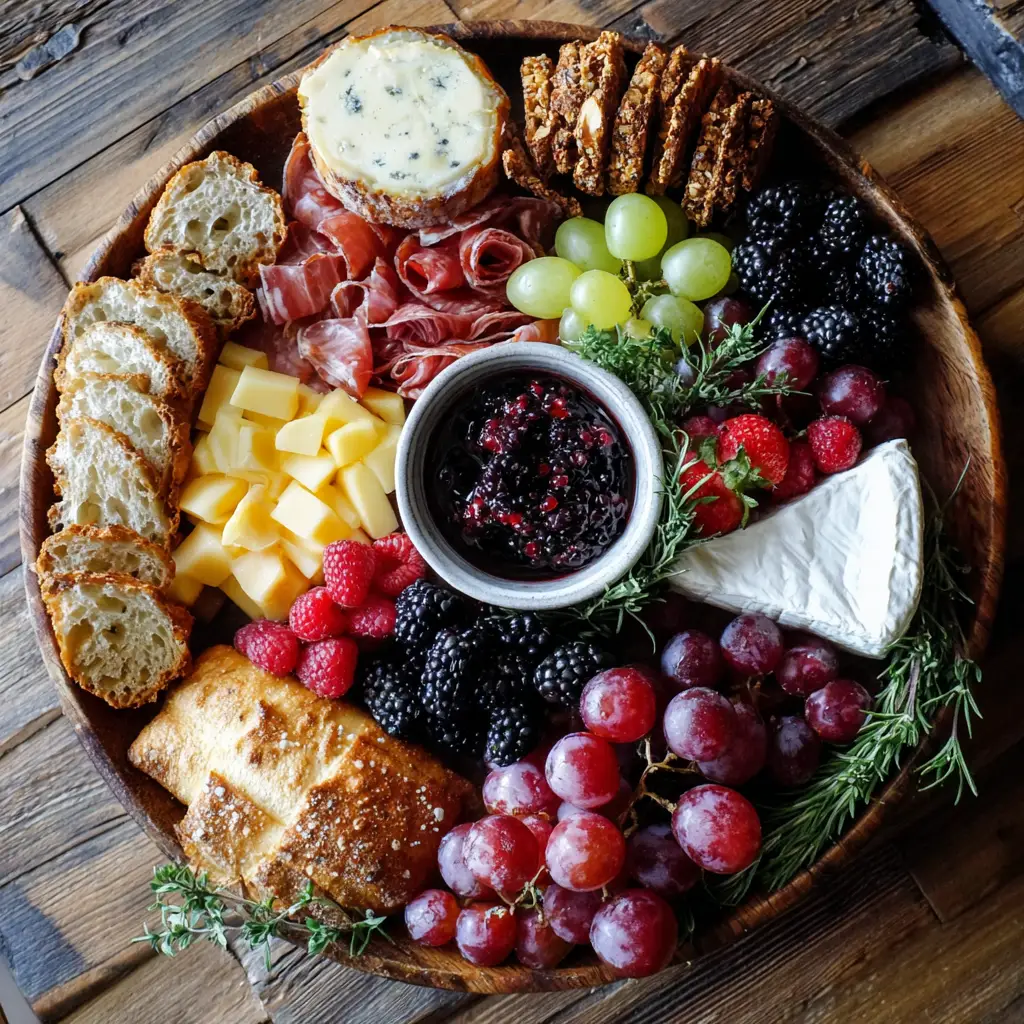
Creating a charcuterie board is an art form that blends flavor, texture, and visual appeal into a single experience. It has become a staple for entertaining, casual gatherings, or even quiet nights at home. A well-crafted charcuterie board invites guests to explore each ingredient, mixing and matching to discover combinations that excite the palate. Beyond meat and cheese, it offers endless opportunities to include fruits, nuts, spreads, and artisanal breads that make each board unique.
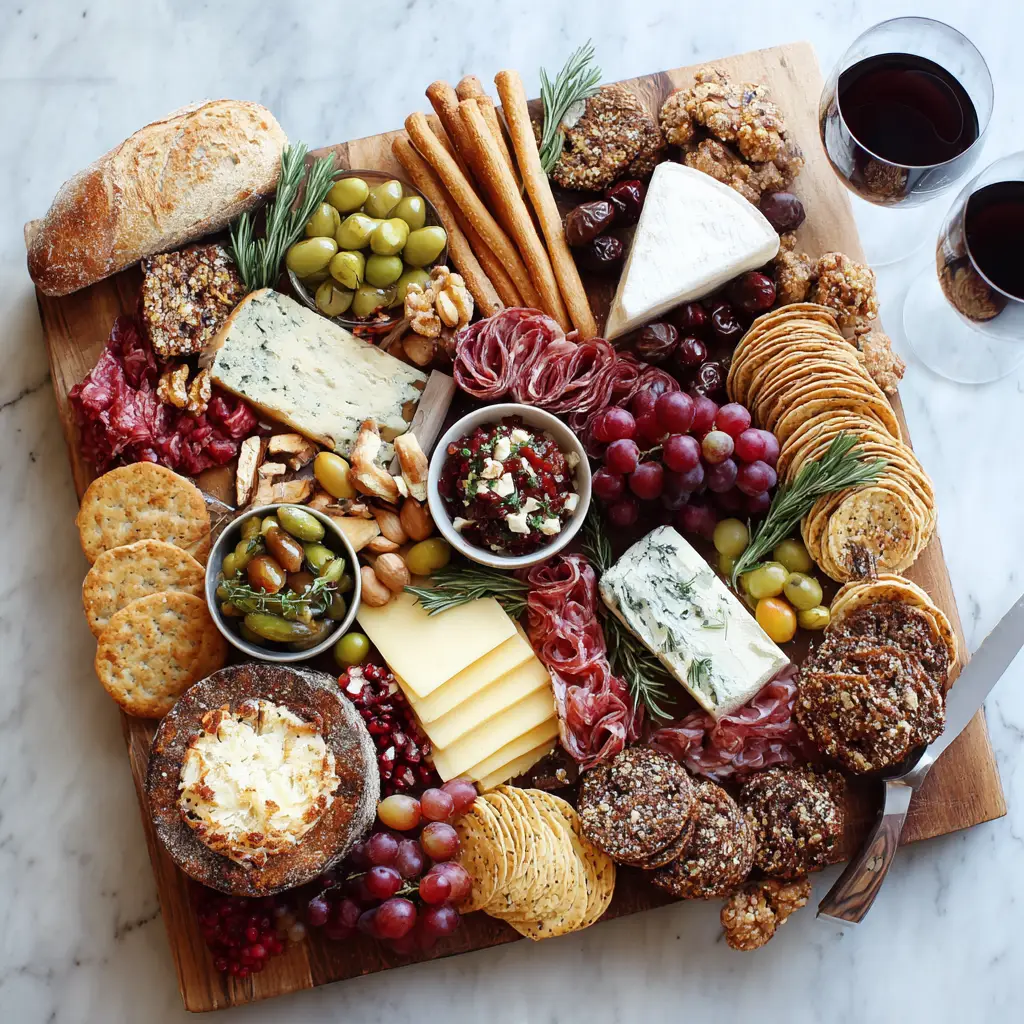
The beauty of a charcuterie board lies in its flexibility. You can tailor it to match the season, dietary preferences, or even a specific theme. Whether assembling a lavish holiday platter or a simple midweek snack board, the experience is just as much about presentation as it is about taste. Vibrant colors, contrasting textures, and layers of flavors transform a simple board into a conversation starter. Even those with limited cooking skills can create something visually stunning that feels sophisticated and indulgent.
Exploring charcuterie boards opens doors to culinary creativity. Different regions inspire variations using local cheeses, cured meats, and seasonal produce. Pairing sweet elements like dried fruit with savory cured meats introduces balance, while nuts add crunch and richness. For people new to the concept, the array of options may seem overwhelming, but the process becomes intuitive with a little guidance. Understanding how to layer flavors, textures, and colors ensures each bite delivers an enjoyable surprise.
Ingredients Needed
A charcuterie board offers infinite possibilities. The table below lists popular ingredients and their approximate calorie counts to help plan portions and maintain balance.
| Ingredient | Approximate Calories per Serving |
|---|---|
| Prosciutto | 70 per ounce |
| Salami | 110 per ounce |
| Chorizo | 115 per ounce |
| Brie Cheese | 95 per ounce |
| Cheddar Cheese | 115 per ounce |
| Gouda | 100 per ounce |
| Fresh Grapes | 60 per cup |
| Strawberries | 50 per cup |
| Dried Apricots | 78 per 1/4 cup |
| Almonds | 132 per 1/4 cup |
| Walnuts | 200 per 1/4 cup |
| Crackers | 120 per serving (approx. 5 pieces) |
| Honey | 64 per tablespoon |
| Fig Jam | 43 per tablespoon |
| Olives | 40 per 1/4 cup |
| Pickles | 5 per medium pickle |
Using a combination of these ingredients ensures a balance of savory, sweet, crunchy, and creamy textures. The key is variety without overcrowding the board, leaving space for each element to shine.
Step-by-Step Cooking Instructions
- Choose a Board or Platter
Start with a wooden board, slate platter, or large plate that provides ample space. The choice of material adds to the visual appeal and can elevate the presentation. - Select Your Meats
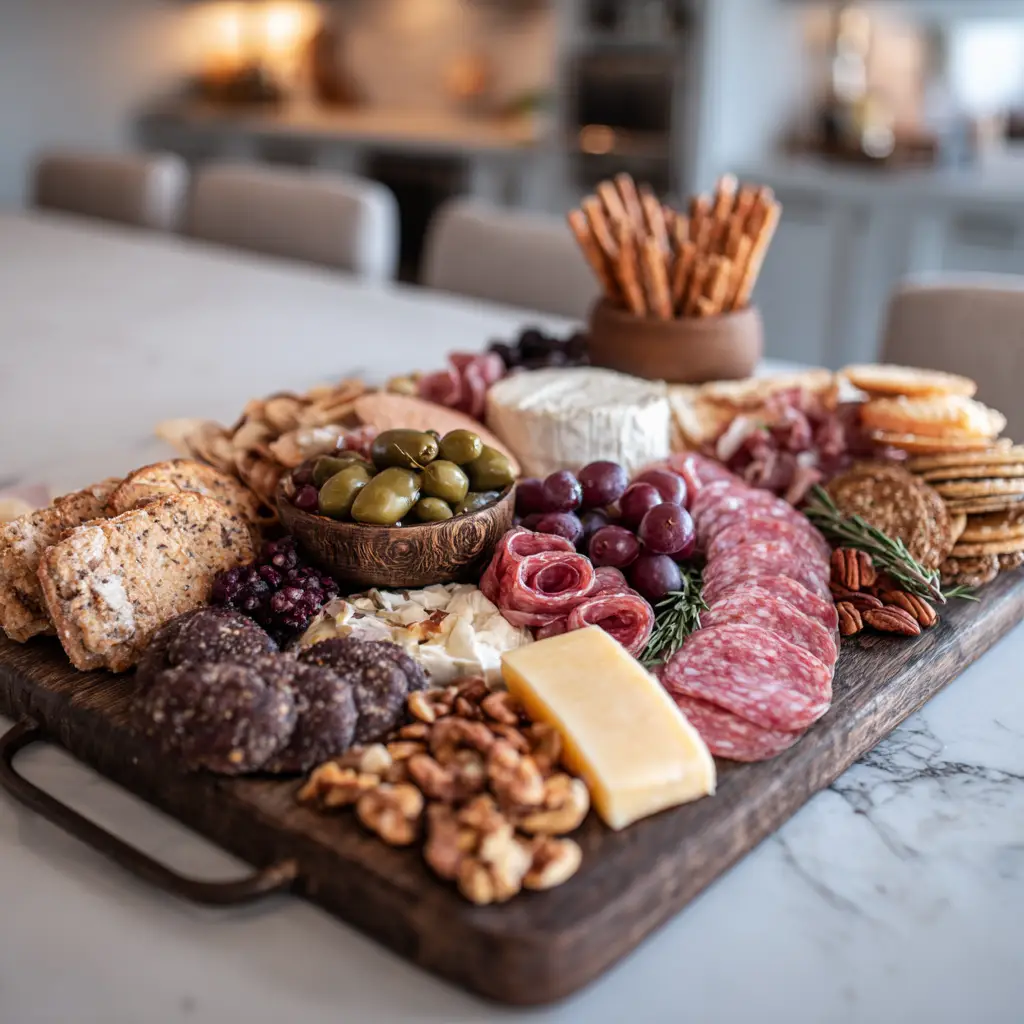
Arrange 2 to 3 types of cured meats. Fold or roll slices for visual texture. Place meats in clusters or slightly overlapping rows for a casual yet curated appearance. - Add Cheeses
Include 2 to 3 cheeses with varying textures and flavors. Soft cheeses like Brie or goat cheese contrast well with firm cheeses like Cheddar or Gouda. Slice some and leave others whole for guests to cut themselves. - Incorporate Fruits
Scatter fresh fruits like grapes or berries across the board. Dried fruits such as apricots or figs add sweetness and visual contrast. Small bunches create a natural, organic feel. - Include Nuts and Crunchy Elements
Place small bowls of almonds, walnuts, or pistachios on the board. Crackers or toasted bread slices should be arranged around cheeses to ensure accessibility and variety. - Add Condiments
Small bowls of honey, fig jam, or mustard enhance flavor combinations. Place condiments where they are easy to reach without overcrowding the board. - Garnish and Final Touches
Fresh herbs like rosemary or thyme create visual interest and aroma. Arrange them in corners or around cheese clusters. Ensure the board looks balanced from all angles. - Check for Balance
Step back and assess the visual appeal. Rotate or move elements slightly to create symmetry and variety. Leave space between clusters so guests can serve themselves easily.
Tips for Customizing the Recipe
Customizing a charcuterie board allows personal expression and seasonal adaptation. One approach is to incorporate local ingredients that reflect regional flavors. For instance, adding smoked meats from local butchers or seasonal fruits enhances freshness and uniqueness.
Vegetarian or vegan boards can substitute cheeses with plant-based alternatives and replace cured meats with roasted vegetables, marinated tofu, or tempeh slices. Adding colorful produce such as cherry tomatoes, cucumbers, or bell peppers maintains visual appeal while providing diverse textures.
Experimenting with different textures elevates the tasting experience. Creamy cheeses, crunchy nuts, chewy dried fruits, and soft bread create a layered bite every time. Incorporating a mix of salty, sweet, and tangy elements ensures no single flavor dominates.
Pairing elements with beverages enhances enjoyment. Wines, sparkling water, or craft beers complement flavor profiles and invite guests to explore unexpected combinations. Even small details like arranging crackers in an accessible line or folding napkins creatively add to the overall presentation.
Nutritional Information
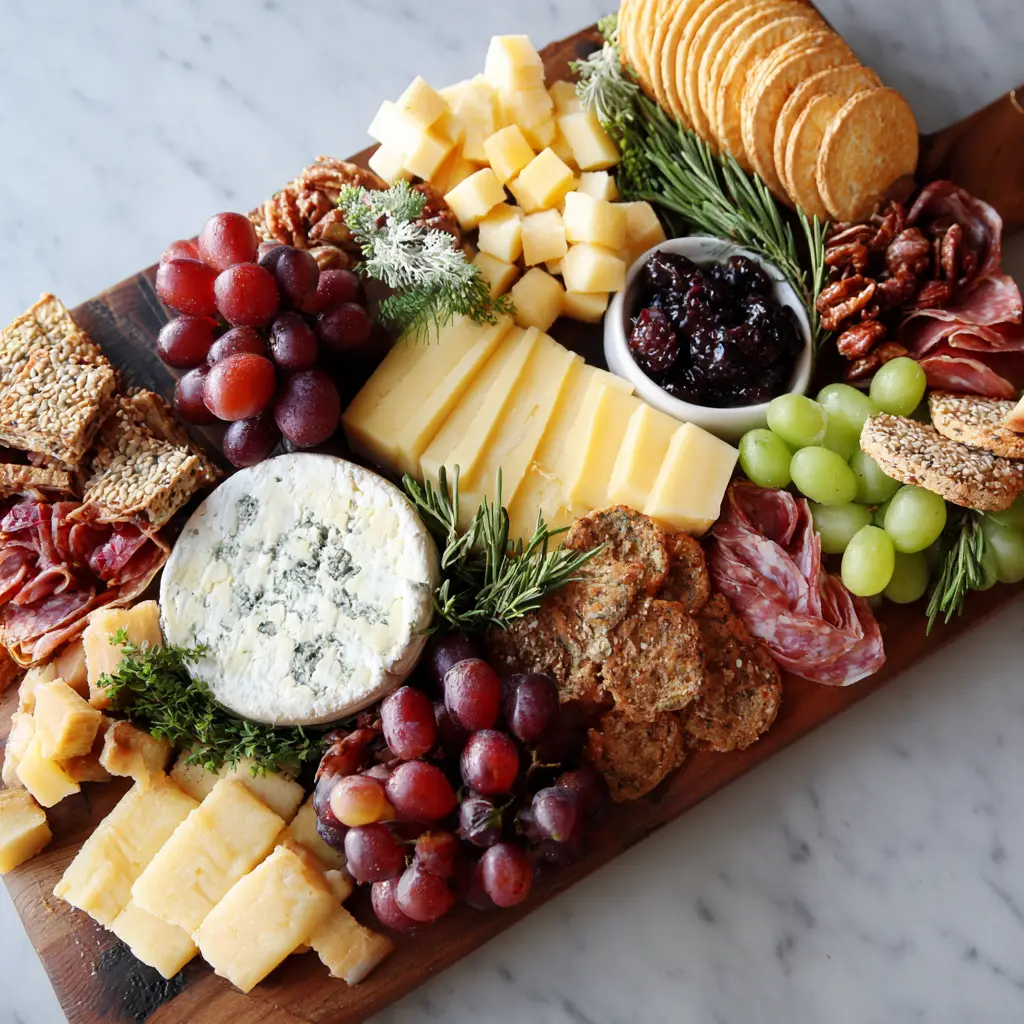
Charcuterie boards are indulgent but can be balanced with mindful ingredient choices. Protein from cheeses and cured meats supports satiety. Nuts provide healthy fats and essential nutrients. Fruits supply fiber, vitamins, and natural sweetness, while condiments like honey or fig jam contribute small amounts of added sugar.
For a standard serving, a moderate board can provide approximately 400 to 600 calories per person, depending on portion sizes and ingredient choices. Balancing cheese, meat, and fruit portions helps maintain a lighter meal while still offering variety and flavor. Choosing whole grain crackers or limiting processed meats can further improve nutritional content without compromising taste.
Serving Suggestions
Charcuterie boards are versatile in presentation. They work as a centerpiece for dinner parties, brunch spreads, or casual gatherings. Serve at room temperature to allow cheeses and meats to release full flavors.
Pairing with beverages enhances the overall experience. Light wines complement soft cheeses, while full-bodied reds match cured meats. Sparkling water or herbal teas offer non-alcoholic options without overwhelming flavors.
Boards can also be themed for holidays, birthdays, or seasonal celebrations. Adding small edible flowers, seasonal fruits, or colored nuts creates an attractive, thematic presentation. Offering small utensils, toothpicks, or cheese knives encourages guests to serve themselves neatly.
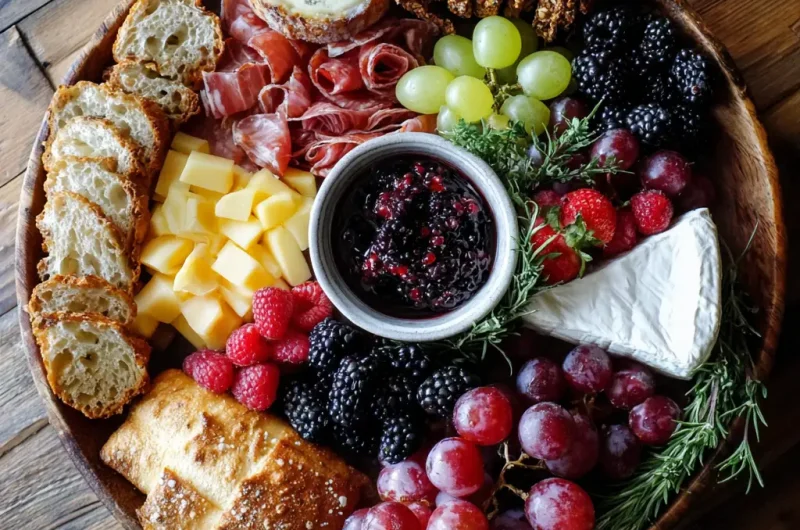
Charcuterie Board Ideas
Course: Blog2-3
servings10
minutes15
minutes90
kcalIngredients
2 medium yellow squash
1 tablespoon olive oil
1/2 teaspoon salt
1/4 teaspoon black pepper
1/2 teaspoon garlic powder
1/2 teaspoon paprika (optional)
Fresh parsley for garnish (optional)
Directions
- Wash and slice the squash into 1/4-inch thick rounds or half-moons.
- In a mixing bowl, toss the squash slices with olive oil, salt, pepper, garlic powder, and paprika until evenly coated.
- Preheat the air fryer to 375°F (190°C) for 3 minutes.
- Place the squash in the air fryer basket in a single layer. Avoid overcrowding for even cooking.
- Cook for 12 to 15 minutes, shaking the basket halfway through to ensure all slices crisp evenly.
- Remove from the air fryer and transfer to a serving plate.
- Garnish with fresh parsley if desired and serve warm.
Recipe Video
Notes
- Adjust seasoning according to taste.
For extra crispiness, slice the squash thinner.
Leftovers can be stored in the refrigerator for up to 2 days and reheated in the air fryer.
Frequently Asked Questions
Can I prepare a charcuterie board in advance?
Yes, most elements can be prepared a few hours ahead. Store perishable items in the refrigerator and assemble the board shortly before serving to maintain freshness and visual appeal.
How many people does one board serve?
A medium-sized board typically serves four to six people as an appetizer. Adjust portions and ingredient variety depending on the size of the gathering.
What is the best way to choose cheeses?
Include a mix of textures and flavors. Soft, semi-soft, and firm cheeses create balance, and adding a blue cheese or aged variety provides contrast. Consider local or seasonal options to enhance freshness.
Can charcuterie boards be made vegan?
Absolutely. Replace cheeses with plant-based alternatives, use roasted or marinated vegetables, include fruits, nuts, and vegan spreads. Ensure a variety of textures and colors to maintain visual appeal.
How do I store leftovers?
Wrap leftovers tightly in plastic or airtight containers and store in the refrigerator. Most items can last up to three days, though fresh fruits may soften over time.
Conclusion
Charcuterie boards are more than appetizers; they are culinary experiences that engage sight, smell, and taste. Thoughtful selection of ingredients, balanced textures, and creative presentation elevate even a simple gathering into something memorable. Experimentation is encouraged, and no two boards need ever look alike.
Creating a board allows flexibility, inviting personal flair and seasonal inspiration. Including fresh, local, or artisanal ingredients enhances quality while offering nutritional benefits. Whether for casual snacking or elegant entertaining, charcuterie boards provide a platform for creativity and connection.
Every bite tells a story, and assembling the board becomes a moment of joy and artistry. Enjoy the process, savor each combination, and share the experience with friends or family to create lasting impressions.