Cake recipes easy homemade for Beginners and Experts
Introduction
Baking a cake at home can transform an ordinary day into something special. The process of mixing ingredients, watching the batter rise in the oven, and experiencing the sweet aroma filling the kitchen provides a sense of accomplishment and joy that is hard to match. Homemade cakes offer flexibility, allowing you to adjust flavors, sweetness, and textures according to personal preference.

Unlike store-bought cakes, which often rely on preservatives and artificial flavors, homemade versions are fresh, wholesome, and entirely under your control. Creating easy cake recipes at home does not require advanced culinary skills or expensive tools. Anyone with basic kitchen equipment and a few essential ingredients can craft a tender, moist, and delicious cake. The versatility of homemade cakes makes them suitable for any occasion. From casual family dinners to birthday celebrations, a homemade cake adds warmth and personality to every gathering. Learning simple recipes not only boosts confidence in baking but also opens doors to endless creativity, whether experimenting with fruits, chocolate, or spices.
Ingredients Needed
Preparing a classic homemade cake requires a set of basic ingredients that provide structure, flavor, and moisture. Accurate measurements and fresh ingredients ensure a successful result. The table below lists the necessary items along with their approximate calorie count per serving.
| Ingredient | Quantity | Approximate Calories per Serving |
|---|---|---|
| All-purpose flour | 2 cups | 910 |
| Granulated sugar | 1 cup | 774 |
| Baking powder | 2 teaspoons | 6 |
| Salt | 1/2 teaspoon | 0 |
| Unsalted butter | 1/2 cup | 814 |
| Eggs | 2 large | 143 |
| Whole milk | 1 cup | 150 |
| Vanilla extract | 2 teaspoons | 24 |
Using high-quality ingredients such as fresh eggs and unsalted butter can make a significant difference in taste and texture. Softening butter to room temperature ensures smooth incorporation into the batter. Milk contributes to a tender crumb while vanilla enhances the overall flavor.
Step-by-Step Cooking Instructions
- Preheat the oven to 350 degrees Fahrenheit. Prepare a cake pan by greasing it lightly with butter or oil and dusting with flour, or by lining it with parchment paper.
- In a medium bowl, sift together flour, baking powder, and salt. Sifting helps remove lumps and ensures even distribution of leavening agents.
- In a separate large bowl, cream the softened butter and sugar together until the mixture is light and fluffy. This step introduces air into the batter, resulting in a softer texture.
- Add eggs one at a time to the butter-sugar mixture, mixing thoroughly after each addition to ensure full incorporation.
- Gradually add the flour mixture to the wet ingredients, alternating with milk. Begin and end with flour. Gently fold the ingredients to avoid overmixing, which can make the cake dense.
- Stir in vanilla extract. Optional ingredients like chocolate chips, nuts, or fruits can also be folded in at this stage.
- Pour the batter evenly into the prepared cake pan. Tap the pan gently to release any air bubbles trapped in the batter.
- Bake for 30 to 35 minutes. Check doneness by inserting a toothpick into the center of the cake; it should come out clean.
- Allow the cake to cool in the pan for ten minutes, then transfer it to a wire rack to cool completely. Proper cooling prevents a soggy texture and makes slicing easier.
Tips for Customizing the Recipe
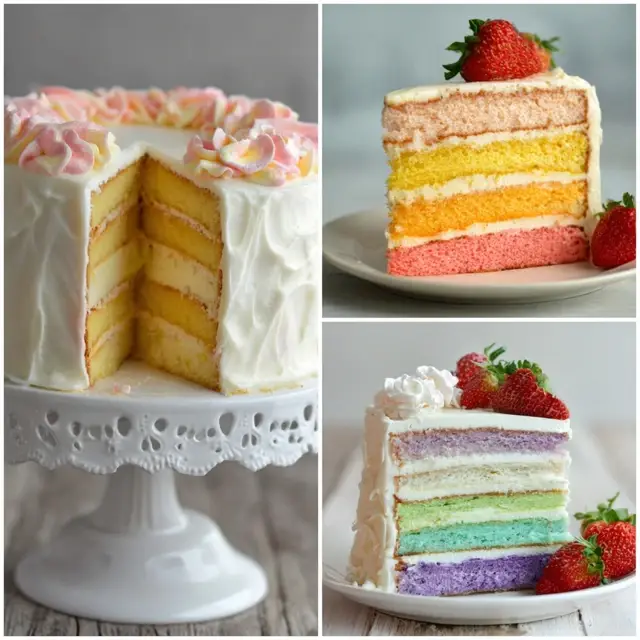
Adding personal touches can make a basic cake extraordinary. Fresh fruits such as blueberries, raspberries, or diced apples add natural sweetness and texture. Nuts like walnuts or almonds contribute a pleasant crunch. For chocolate lovers, substituting a portion of flour with cocoa powder creates a rich chocolate cake, and folding in chocolate chips enhances indulgence. Spices such as cinnamon, nutmeg, or cardamom can give the cake a warm, aromatic flavor. Swirling in caramel or jam creates both visual appeal and additional flavor layers. Frosting is another area for creativity. A simple glaze, buttercream, or cream cheese frosting can completely change the cake’s appearance and taste. Decorative toppings like edible flowers or chocolate shavings make the cake visually appealing while keeping preparation simple.
Nutritional Information
A single serving of this classic homemade cake contains roughly 250 calories. It provides protein from eggs and dairy, carbohydrates from flour and sugar, and fats from butter. Vitamins and minerals are present in small amounts, mainly from milk and eggs. Substituting some ingredients, such as using whole grain flour or low-fat milk, can improve nutritional value. Adding fruits or reducing sugar can make the cake slightly healthier without affecting taste. Homemade cakes allow complete control over ingredients, making them a better alternative to commercially processed cakes.
Serving Suggestions
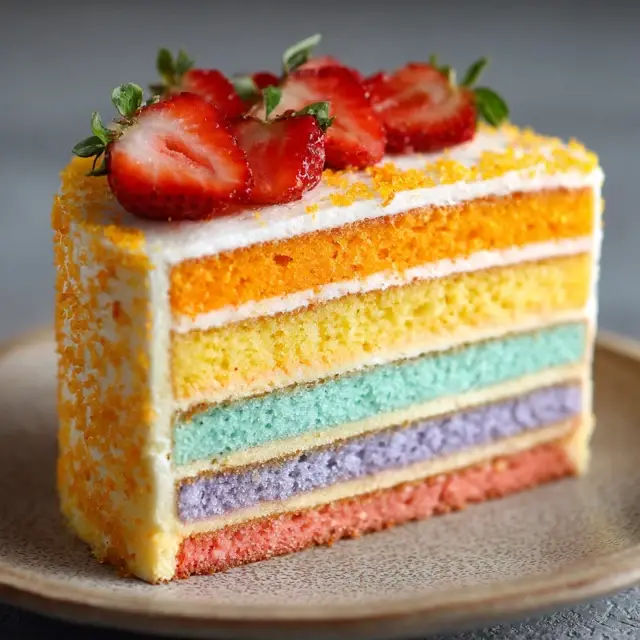
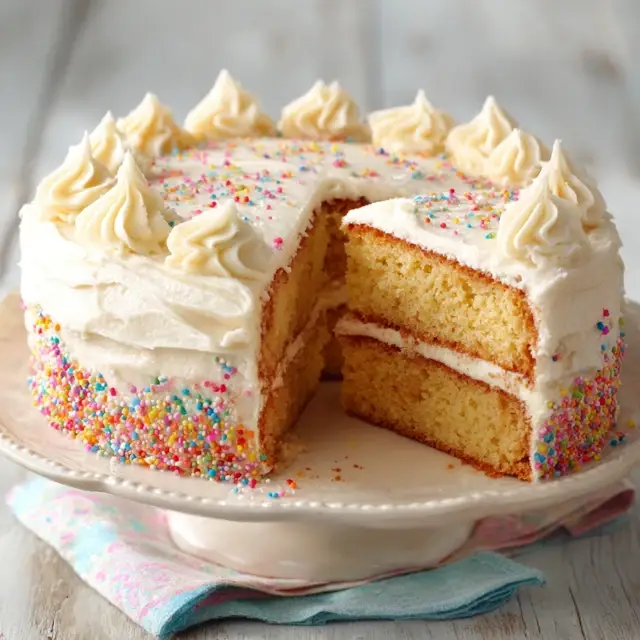
Homemade cakes can be served in multiple ways depending on the occasion. A simple dusting of powdered sugar or cocoa powder adds an elegant touch. Fresh fruits such as strawberries, blueberries, or sliced bananas complement the sweetness and enhance visual appeal. Pairing cake with whipped cream or a scoop of ice cream elevates the dessert experience. Layering the cake with frosting or jam turns it into a centerpiece for celebrations. Cakes also pair well with hot beverages like coffee, tea, or hot chocolate. Presenting slices on a decorative plate with a garnish of mint or fruit makes a simple serving feel luxurious.
Storing and Reheating Tips
Keeping your cake fresh is essential for enjoyment over several days. An airtight container at room temperature maintains softness and flavor. Refrigeration can extend shelf life but may slightly dry out the cake. For longer storage, freezing is an option. Wrap the cake tightly in plastic wrap and foil before placing it in the freezer. Thawing at room temperature prevents condensation from making the cake soggy. Reheating slices briefly in a microwave can refresh the texture, making it taste freshly baked.
Creative Flavor Variations
Experimenting with flavors adds excitement to a simple cake recipe. Citrus zest, such as lemon or orange, can brighten the flavor and make it refreshing. Incorporating spices like ginger or cardamom creates a warming and aromatic cake, ideal for colder months. For chocolate enthusiasts, combining cocoa powder with coffee intensifies richness and depth. Swirls of fruit preserves or caramel can add both visual appeal and flavor complexity. These variations keep the base recipe versatile while allowing you to cater to different tastes and occasions.
Cake recipes easy homemade for Beginners and Experts
Course: Blog8
servings15
minutes35
minutes250
kcalIngredients
2 cups all-purpose flour
1 cup granulated sugar
2 teaspoons baking powder
1/2 teaspoon salt
1/2 cup unsalted butter, softened
2 large eggs
1 cup whole milk
2 teaspoons vanilla extract
Directions
- Preheat your oven to 350 degrees Fahrenheit. Grease a cake pan with butter or oil and lightly dust with flour, or line it with parchment paper.
- In a medium bowl, sift together flour, baking powder, and salt. Set aside.
- In a large bowl, cream together the softened butter and sugar until light and fluffy.
- Add eggs one at a time, mixing well after each addition.
- Gradually add the flour mixture to the wet ingredients, alternating with milk. Begin and end with the flour mixture. Mix gently to avoid overmixing.
- Stir in the vanilla extract. Optional ingredients like chocolate chips, nuts, or fruit can be added here.
- Pour the batter into the prepared cake pan and smooth the top. Tap the pan gently to remove air bubbles.
- Bake for 30 to 35 minutes, or until a toothpick inserted in the center comes out clean.
- Allow the cake to cool in the pan for 10 minutes, then transfer to a wire rack to cool completely.
Recipe Video
Notes
- For extra moisture, add 2 tablespoons of yogurt or sour cream to the batter.
Whole wheat or gluten-free flour can be used with slight adjustments to liquid and baking time.
Customize your cake with fruits, nuts, chocolate chips, or a simple glaze for added flavor.
Frequently Asked Questions
How can I make the cake vegan?
Eggs can be replaced with flax or chia seeds mixed with water, and plant-based milk and butter substitutes can be used. The texture may vary slightly but will still be moist and flavorful.
Can I use a different type of flour?
Whole wheat or gluten-free flours can be used. Adjustments in liquid or baking time may be necessary to maintain the desired texture.
How should I store the cake?
Store the cake in an airtight container at room temperature for up to three days. Refrigeration can extend freshness, though it may slightly alter texture.
Can I freeze the cake?
Wrap the cooled cake tightly in plastic wrap and foil. Frozen cakes last up to two months and should be thawed at room temperature before serving.
How can I make the cake extra moist?
Avoid overmixing the batter and overbaking. Adding yogurt or sour cream can help increase moisture.
Conclusion
Baking a homemade cake transforms a simple collection of ingredients into a delicious, comforting dessert. Each step, from creaming butter to watching the cake rise, provides satisfaction and enjoyment. Easy homemade cake recipes are approachable for beginners and rewarding for experienced bakers alike. The flexibility to customize flavors, textures, and decorations allows endless creativity. Homemade cakes carry warmth and personal touch that cannot be replicated by store-bought desserts. Sharing a freshly baked cake with family or friends creates moments of joy and connection. Consistent practice in baking enhances skill and confidence while producing desserts that are always fresh, flavorful, and satisfying.