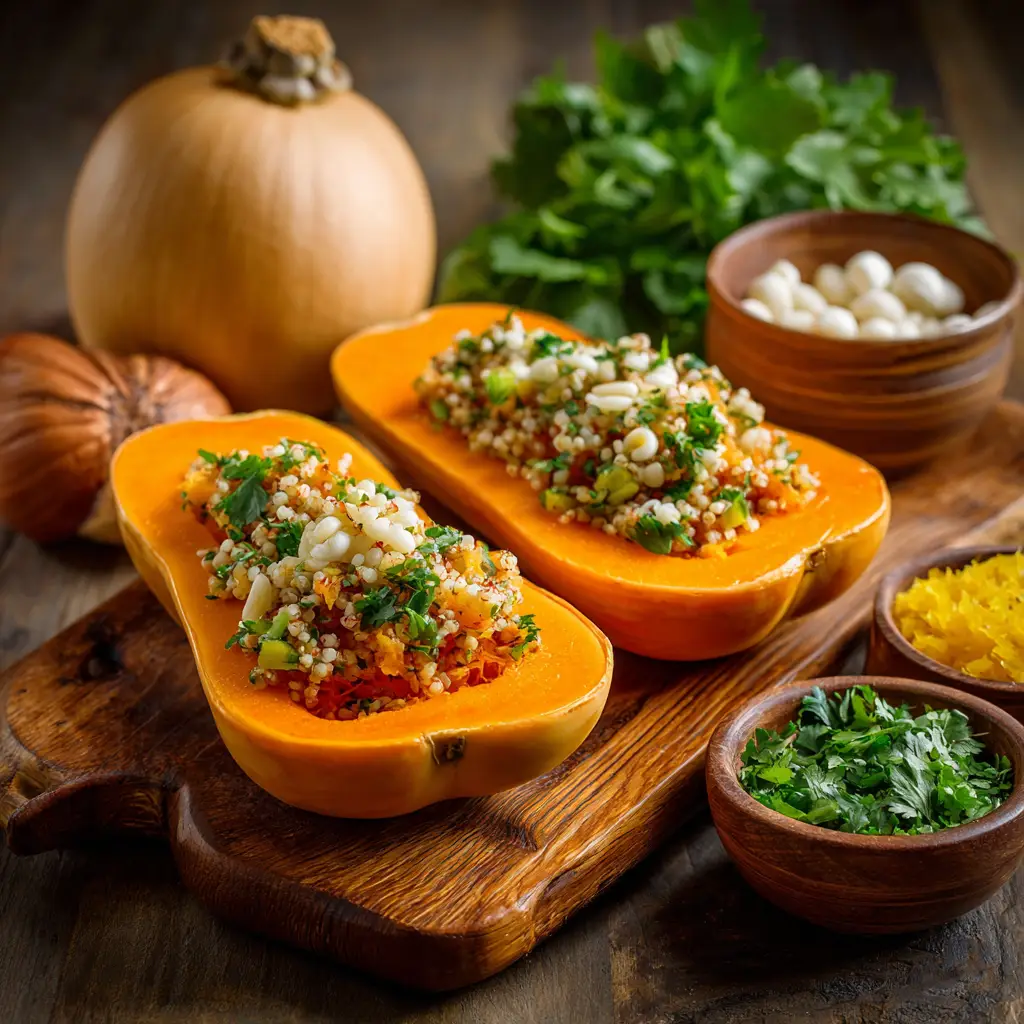
Butternut Squash Recipes for Delicious and Healthy Meals
Cooking with butternut squash also presents an opportunity to explore seasonal eating, as it is at its peak during autumn and winter months. Using fresh, high-quality squash can significantly enhance the depth of flavor in any recipe.
In addition to taste, it contributes to nutritional balance and overall wellness. The beauty of butternut squash lies in its adaptability; it can be featured in both savory and sweet dishes. By learning a few simple techniques and creative variations, you can elevate everyday meals and impress guests with vibrant, flavorful dishes.
Ingredients Needed
A well-prepared butternut squash recipe requires careful selection of complementary ingredients to highlight its natural sweetness and creamy texture. Below is a table of common ingredients used in versatile butternut squash recipes along with their approximate calorie count per serving.
| Ingredient | Quantity | Calories (per serving) |
|---|---|---|
| Butternut squash | 1 medium (about 2 lbs) | 80 |
| Olive oil | 2 tablespoons | 240 |
| Salt | 1 teaspoon | 0 |
| Black pepper | 1/2 teaspoon | 0 |
| Garlic | 2 cloves, minced | 10 |
| Onion | 1 medium, chopped | 44 |
| Cinnamon | 1/2 teaspoon | 3 |
| Nutmeg | 1/4 teaspoon | 1 |
| Chicken or vegetable broth | 2 cups | 30 |
| Parmesan cheese | 1/4 cup grated | 110 |
| Fresh herbs (thyme or rosemary) | 1 teaspoon | 1 |
These ingredients provide a solid foundation for a basic roasted or pureed butternut squash recipe. Adjustments can be made according to taste preferences or dietary restrictions.
Step-by-Step Cooking Instructions
- Prepare the squash: Begin by peeling the butternut squash using a sharp vegetable peeler. Cut off both ends, then slice it in half lengthwise. Remove the seeds with a spoon. Cut the flesh into evenly sized cubes to ensure uniform cooking.
- Preheat the oven: Set the oven to 400 degrees Fahrenheit. Lining a baking sheet with parchment paper helps prevent sticking and makes cleanup easier.
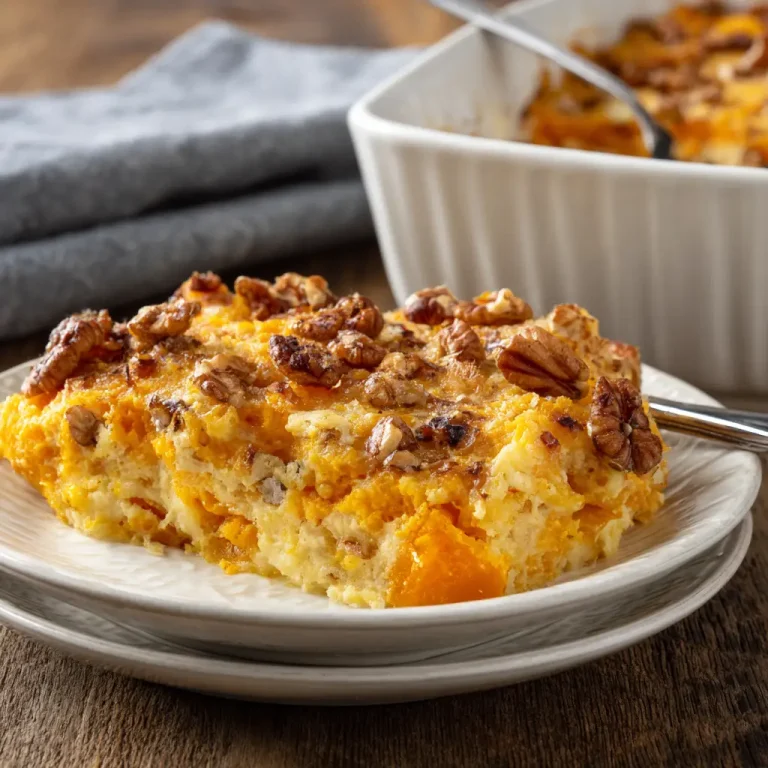
- Season the squash: In a large mixing bowl, combine the squash cubes with olive oil, salt, black pepper, and optional spices such as cinnamon or nutmeg. Toss until each piece is evenly coated.Continue your cooking journey with Yellow Squash Casserole right after this.
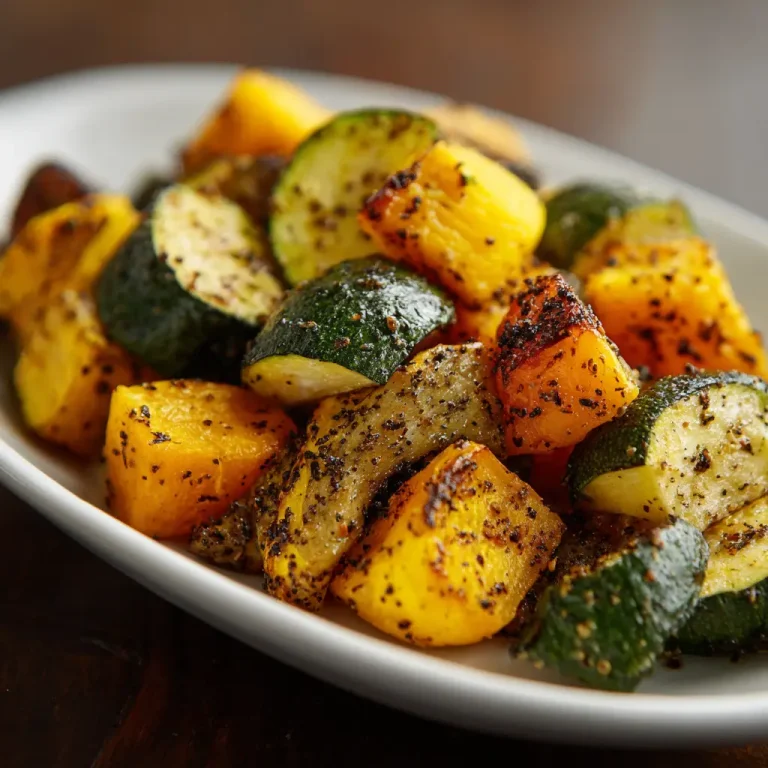
- Roast the squash: Spread the seasoned cubes in a single layer on the prepared baking sheet. Roast for 25 to 30 minutes, flipping halfway through to achieve golden brown edges. The squash should be tender and slightly caramelized when done.
- Optional puree: For a creamy soup or sauce, transfer roasted squash to a blender or food processor. Add garlic, onion, and broth. Blend until smooth, adjusting consistency with additional broth as needed.
- Add finishing touches: Stir in freshly grated Parmesan cheese and herbs for extra flavor. Taste and adjust seasoning before serving.
Following these steps ensures a perfectly cooked butternut squash dish with a balance of natural sweetness and savory depth.
Tips for Customizing the Recipe
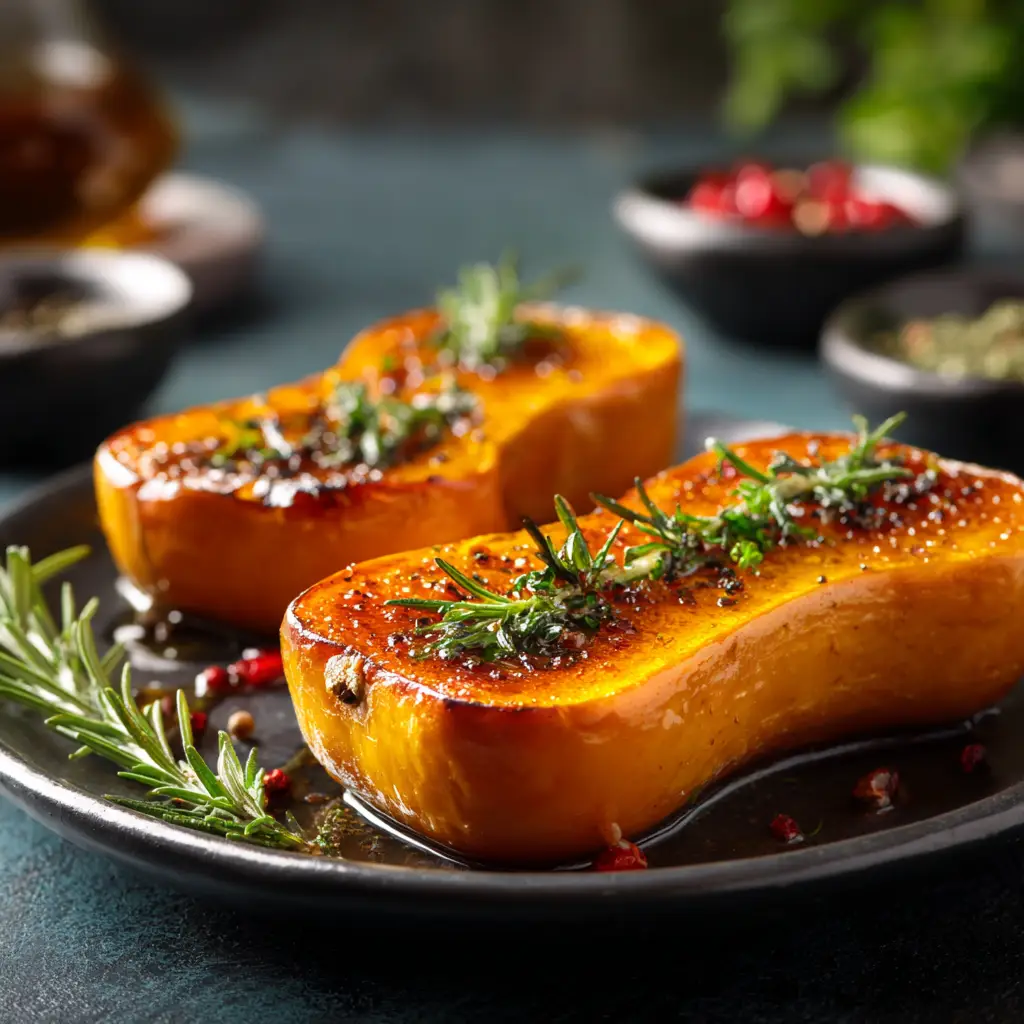
- Spice variations: Add chili flakes or smoked paprika for a warm, smoky flavor. Curry powder or cumin can create an exotic twist.
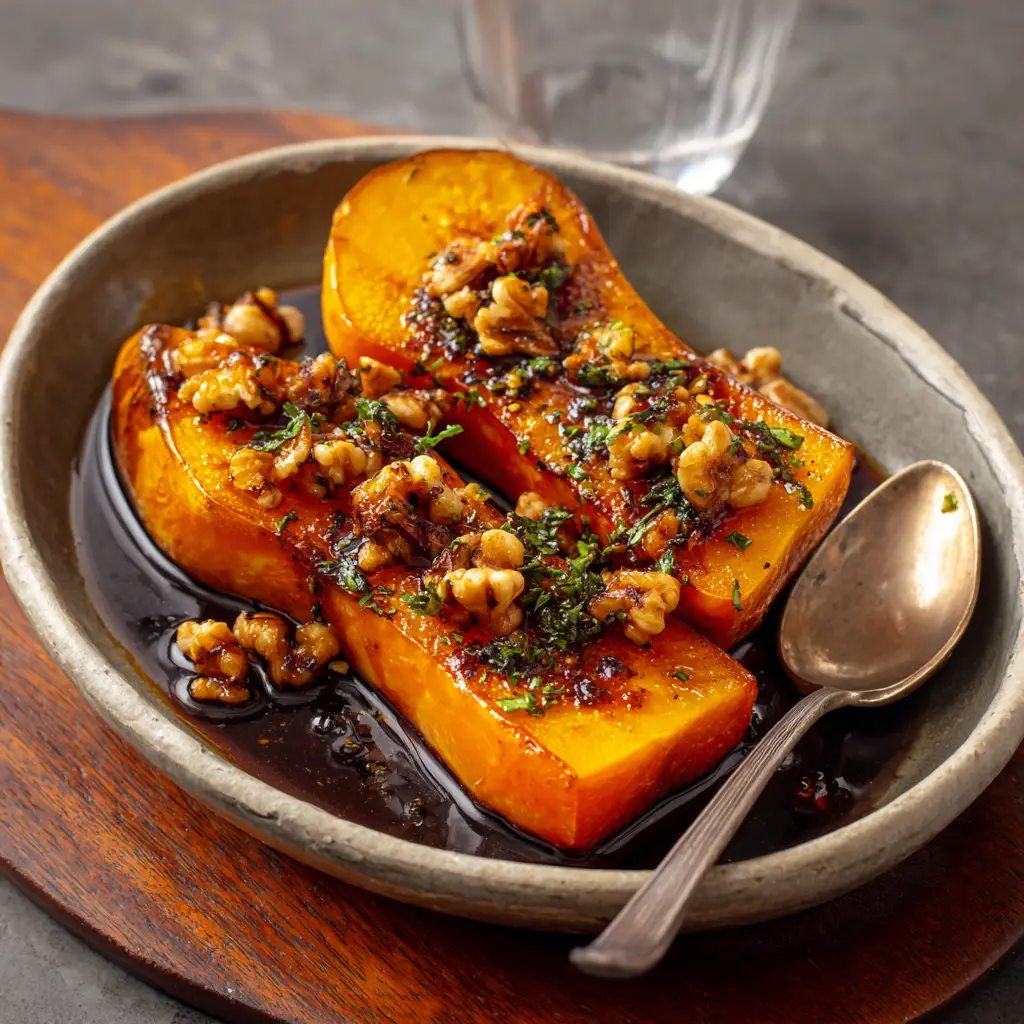
- Sweet enhancements: Drizzle with honey or maple syrup before roasting to amplify natural sweetness.
- Herbal additions: Fresh thyme, rosemary, or sage work beautifully with roasted squash. Adding herbs toward the end preserves their aromatic qualities.
- Texture options: Keep some cubes slightly firmer for roasting to add bite, while pureeing the rest for a creamy base.
- Protein pairing: Top with roasted chickpeas, shredded chicken, or crumbled bacon to make the dish more filling.
- Dairy-free options: Use coconut milk instead of cream or cheese for a vegan-friendly puree.
Customizing the recipe allows each cook to create a version tailored to personal taste, dietary preferences, and seasonal ingredients. Experimentation often leads to the most memorable dishes.
Nutritional Information
Butternut squash is not only delicious but also highly nutritious. A one-cup serving of cooked squash provides approximately:
Including butternut squash in meals contributes to eye health, immune support, and digestive wellness. Its low calorie count makes it suitable for weight management, while its complex carbohydrates provide long-lasting energy.
Serving Suggestions
Butternut squash can be presented in numerous ways to enhance its appeal and versatility:
- As a side dish: Serve roasted cubes alongside grilled meats, fish, or plant-based proteins.
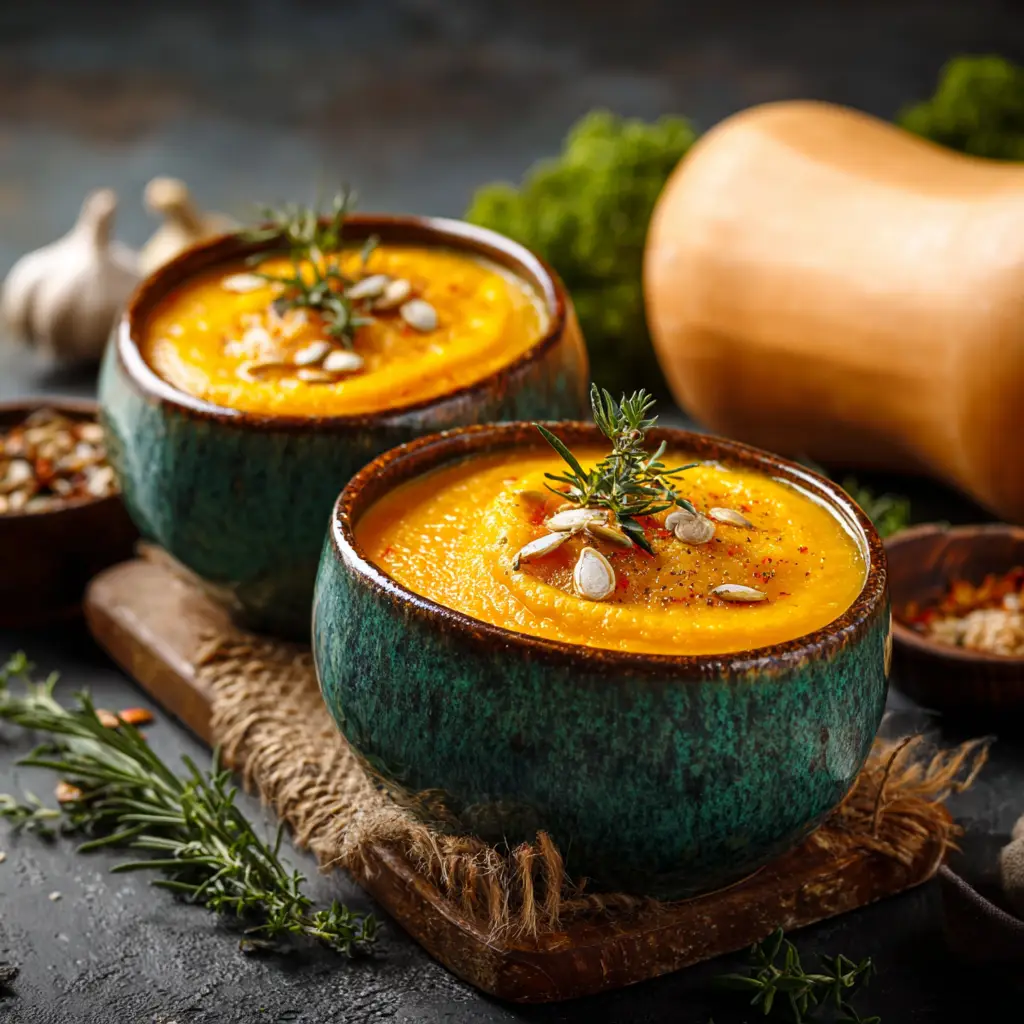
- In soups: Puree roasted squash with broth and spices for a comforting, creamy soup. Garnish with pumpkin seeds or a swirl of cream for presentation.
- In salads: Add roasted squash cubes to salads for a sweet, hearty component. Combine with arugula, goat cheese, and a balsamic vinaigrette.
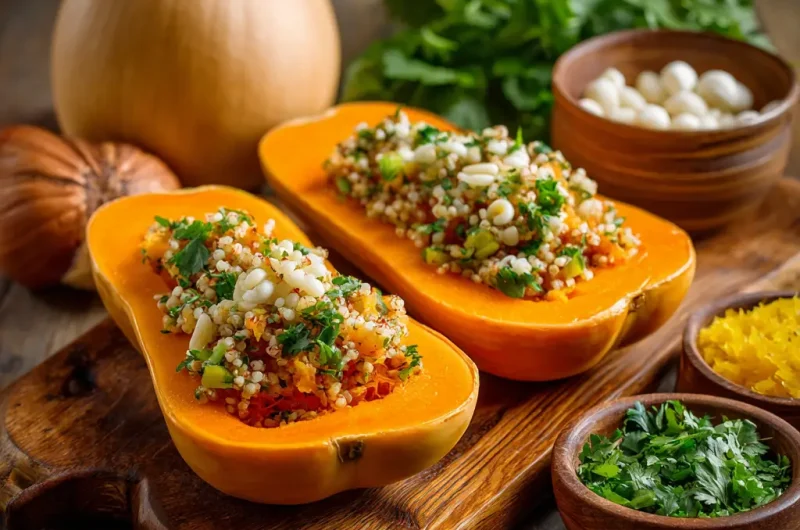
- In casseroles: Layer roasted squash with grains, vegetables, and cheese for a warming, family-friendly casserole.
- In pasta dishes: Toss puree or cubes with pasta, garlic, and fresh herbs for a seasonal main course.
Serving butternut squash in creative ways elevates any meal and ensures that its flavor and nutritional benefits shine.
Butternut Squash Recipes for Delicious and Healthy Meals
Course: Blog4
servings10
minutes25
minutes120
kcalIngredients
1 medium butternut squash (about 2–3 lbs), peeled, seeded, and cubed
2 tablespoons olive oil
1 teaspoon salt
½ teaspoon black pepper
1 teaspoon garlic powder (optional)
1 teaspoon dried thyme or rosemary (optional)
1 teaspoon paprika or cinnamon (optional, for sweetness/spice)
Directions
- Preheat your oven to 400°F (200°C).
- In a large bowl, toss the cubed butternut squash with olive oil, salt, pepper, and any optional spices. Make sure each cube is evenly coated.
- Spread the squash cubes in a single layer on a baking sheet lined with parchment paper.
- Roast in the preheated oven for 25–30 minutes, stirring halfway through, until the squash is tender and slightly caramelized at the edges.
- Remove from oven and serve hot.
Recipe Video
Notes
- Storage: Leftover roasted squash can be stored in an airtight container in the refrigerator for up to 4 days.
Make it sweeter: Sprinkle a little brown sugar or drizzle maple syrup before roasting.
Make it savory: Add a sprinkle of Parmesan cheese or garlic herb mix after roasting.
Peeling tip: Use a sturdy vegetable peeler to make peeling easier, especially for larger squash.
Frequently Asked Questions
Can butternut squash be prepared ahead of time?
Yes, roast the squash in advance and store in an airtight container in the refrigerator for up to three days. Pureed squash can also be frozen for up to two months.
What is the best way to peel butternut squash?
Use a sharp vegetable peeler. For larger squashes, cut in half first to stabilize the vegetable while peeling.
Can I substitute other squash types?
Acorn squash or pumpkin can work in many recipes but may require slight adjustments in cooking time and seasoning.
How do I know when squash is fully cooked?
Squash is done when it is tender and can be pierced easily with a fork. Caramelization on roasted pieces adds flavor.
Is butternut squash suitable for a low-calorie diet?
Yes, it is low in calories and high in fiber, making it ideal for weight management while still offering satiety.
Conclusion
Butternut squash recipes offer endless possibilities for creating comforting, flavorful meals. Its natural sweetness, paired with spices, herbs, and complementary ingredients, creates dishes that satisfy both the palate and nutritional needs.