Butternut squash casserole creamy comforting homemade recipe
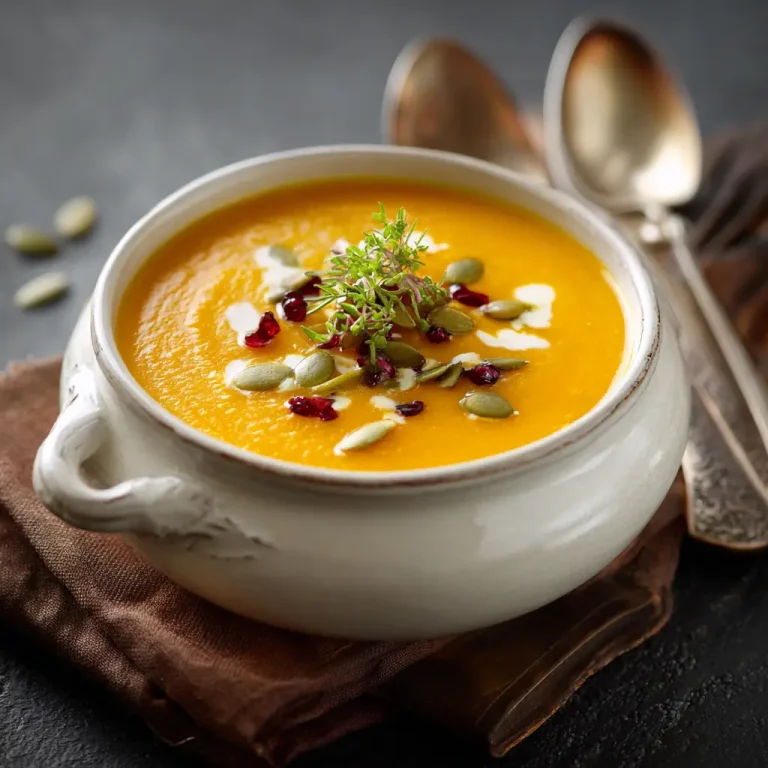
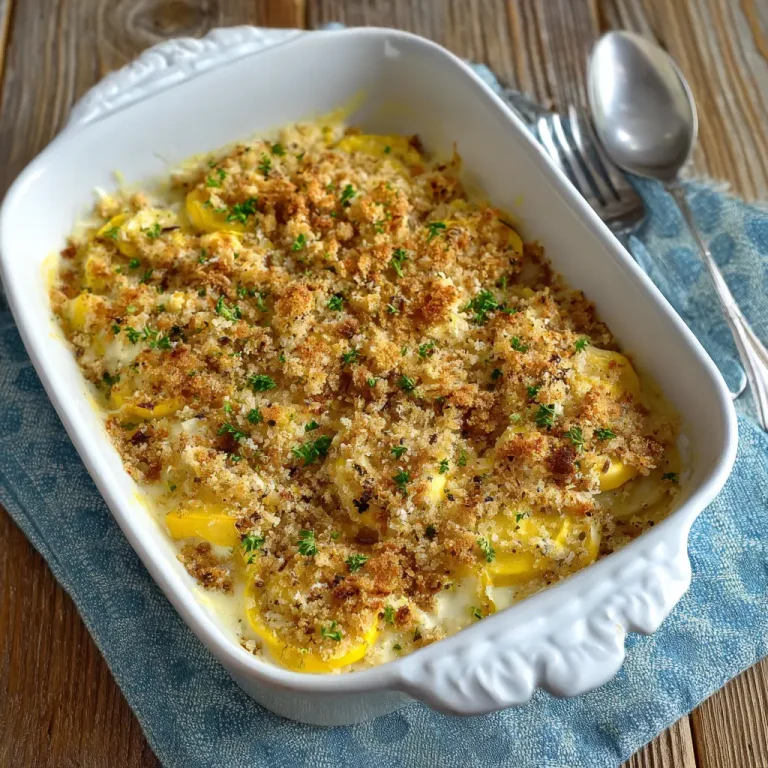
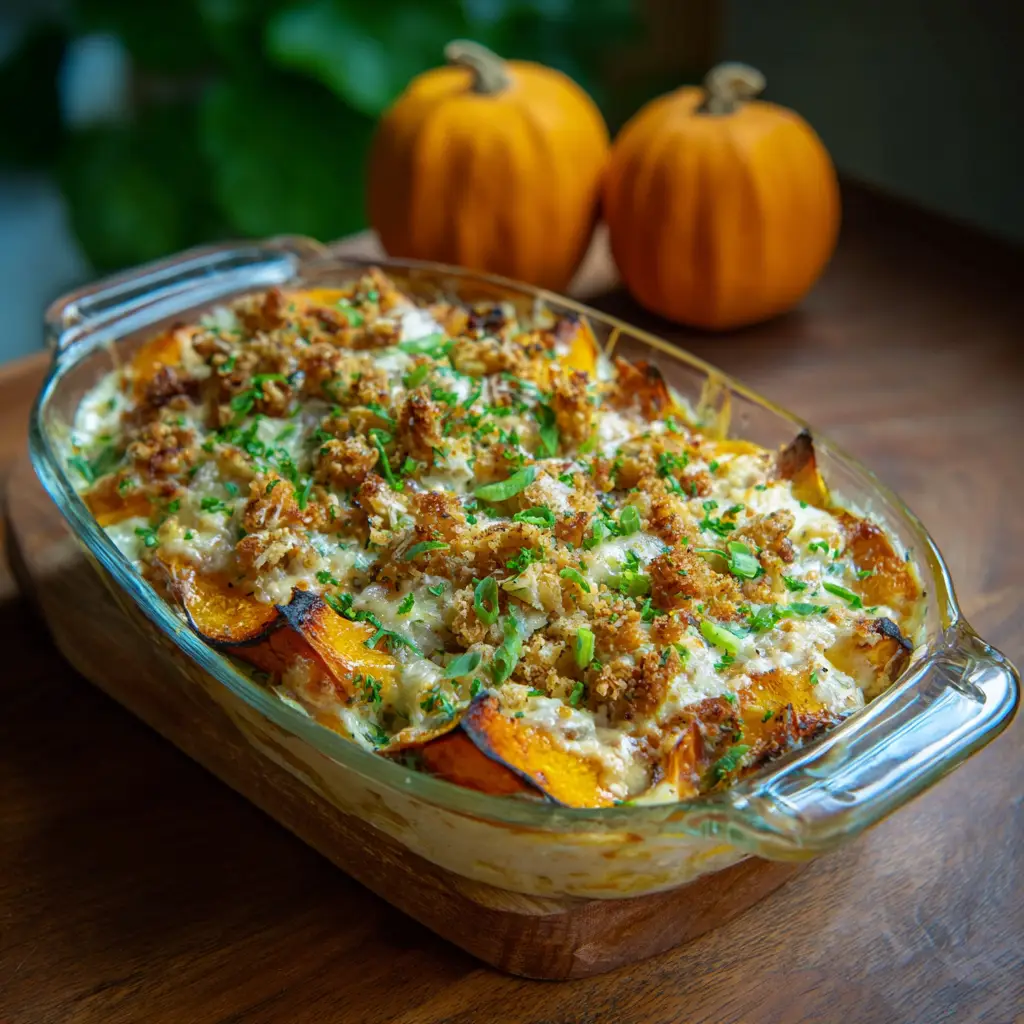
Butternut squash casserole stands as one of the most comforting dishes ever served at a family table. Warm aromas fill the kitchen while the oven works its magic, turning simple ingredients into something rich and memorable.

Home cooks often return to this dish during cooler months because it delivers both nourishment and nostalgia in every spoonful. The natural sweetness of roasted squash blends beautifully with creamy textures and gentle spices, creating a balance that pleases both children and adults.
Ingredients Needed
Fresh ingredients make a noticeable difference in flavor and texture. Choosing ripe butternut squash ensures natural sweetness and smooth consistency. Dairy ingredients add richness, while subtle seasoning enhances rather than masks the squash flavor. The table below lists common ingredients along with approximate calorie values per serving portion.
| Ingredient | Quantity | Approximate Calories |
|---|---|---|
| Butternut squash peeled and cubed | 4 cups | 330 |
| Unsalted butter | 3 tablespoons | 300 |
| Heavy cream | 1 cup | 800 |
| Brown sugar | 2 tablespoons | 90 |
| Eggs | 2 large | 140 |
| Salt | 1 teaspoon | 0 |
| Black pepper | half teaspoon | 3 |
| Ground cinnamon | half teaspoon | 6 |
| Nutmeg | quarter teaspoon | 3 |
| Breadcrumbs or crushed crackers | half cup | 220 |
| Grated cheese optional | half cup | 200 |
Calorie values vary based on brands and portion size. Using fresh and high quality ingredients elevates the final result.
Step by Step Cooking Instructions
Begin by preparing the butternut squash. Peel the squash carefully, remove seeds, and cut into evenly sized cubes. Uniform pieces ensure even cooking. Place the cubes into a large pot filled with lightly salted water. Bring the water to a gentle boil. Cook until the squash feels tender when pierced with a fork. This process usually takes about fifteen minutes.
Drain the squash thoroughly and transfer it to a large mixing bowl. Excess water can weaken the casserole texture, so allow steam to escape for a few minutes. Mash the squash until smooth. A potato masher works well, though a hand mixer can create an even silkier consistency. Avoid over mixing if a slightly rustic texture is preferred.
Preheat the oven to three hundred seventy five degrees Fahrenheit. Grease a medium sized baking dish with butter. Proper greasing prevents sticking and supports easy serving later.
Add butter to the warm squash mash. The heat will help it melt evenly. Stir in the heavy cream slowly, allowing the mixture to become rich and creamy. Add brown sugar, salt, pepper, cinnamon, and nutmeg. Mix gently until all ingredients blend smoothly. Taste the mixture and adjust seasoning if needed. Balanced seasoning enhances sweetness without overpowering it.
Crack the eggs into a separate bowl and whisk lightly. Gradually incorporate the eggs into the squash mixture. Stir continuously to avoid curdling. Eggs provide structure and a custard like finish once baked.
Pour the mixture into the prepared baking dish. Smooth the top with a spatula. Sprinkle breadcrumbs or crushed crackers evenly across the surface. This topping creates a pleasing contrast in texture. Cheese lovers can add grated cheese at this stage for a richer finish.
Place the dish in the preheated oven. Bake for about forty five minutes. The top should appear lightly golden, and the center should feel set when gently pressed. Remove from the oven and allow the casserole to rest for ten minutes before serving. Resting helps flavors settle and improves slicing.
Tips for Customizing the Recipe
Customization allows butternut squash casserole to fit many tastes and dietary needs. Sweetness can be adjusted easily. Reduce brown sugar for a more savory profile or increase it slightly for a dessert like side dish. Maple syrup also works well as a natural sweetener.
Texture plays an important role in enjoyment. For a chunkier casserole, mash the squash lightly and leave small pieces intact. For a smoother result, blend thoroughly until creamy. Both approaches offer distinct appeal.
Dairy free versions work surprisingly well. Substitute coconut cream or almond milk for heavy cream. Plant based butter can replace traditional butter without sacrificing flavor. These options suit guests with dietary restrictions while maintaining richness.
Spices open the door to creative expression. Add a pinch of smoked paprika for warmth or ginger for subtle heat. Fresh herbs like thyme or sage complement the sweetness of squash beautifully. Small adjustments create a new experience each time.
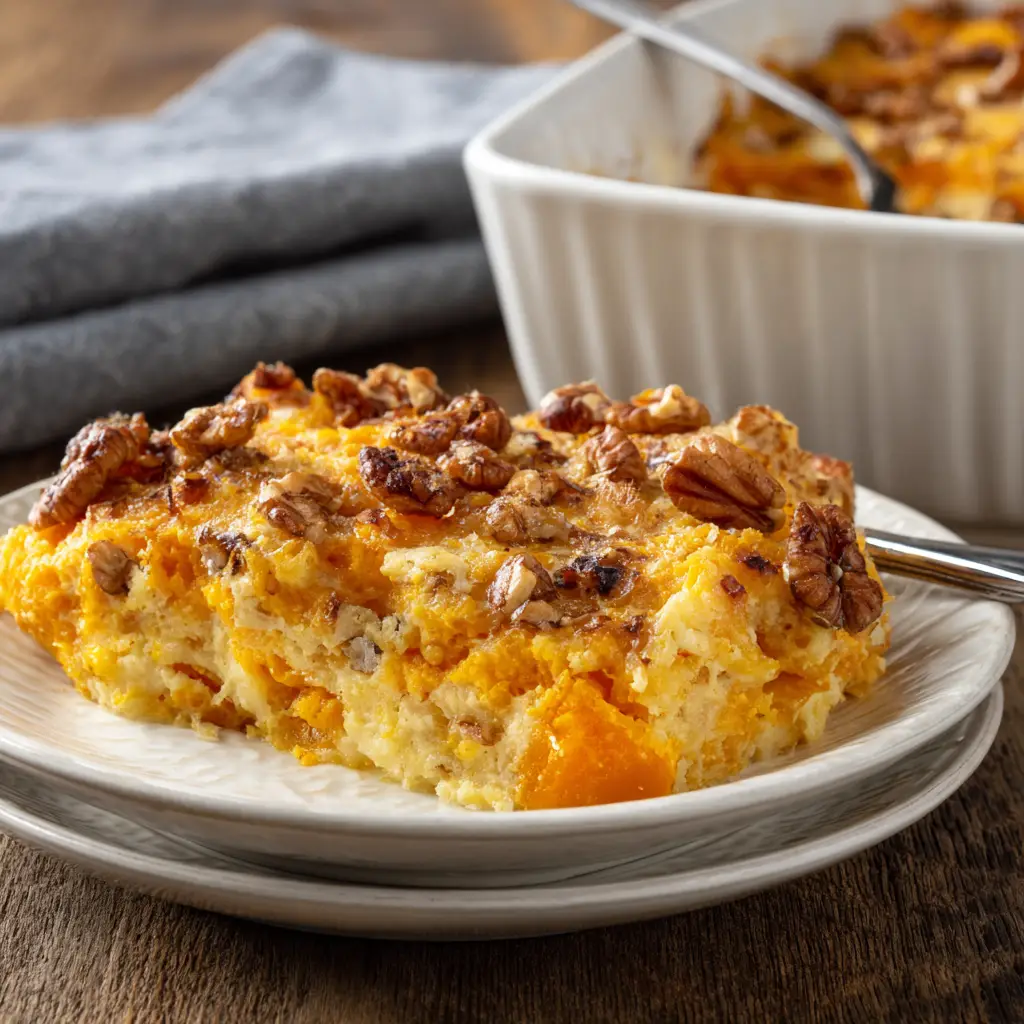
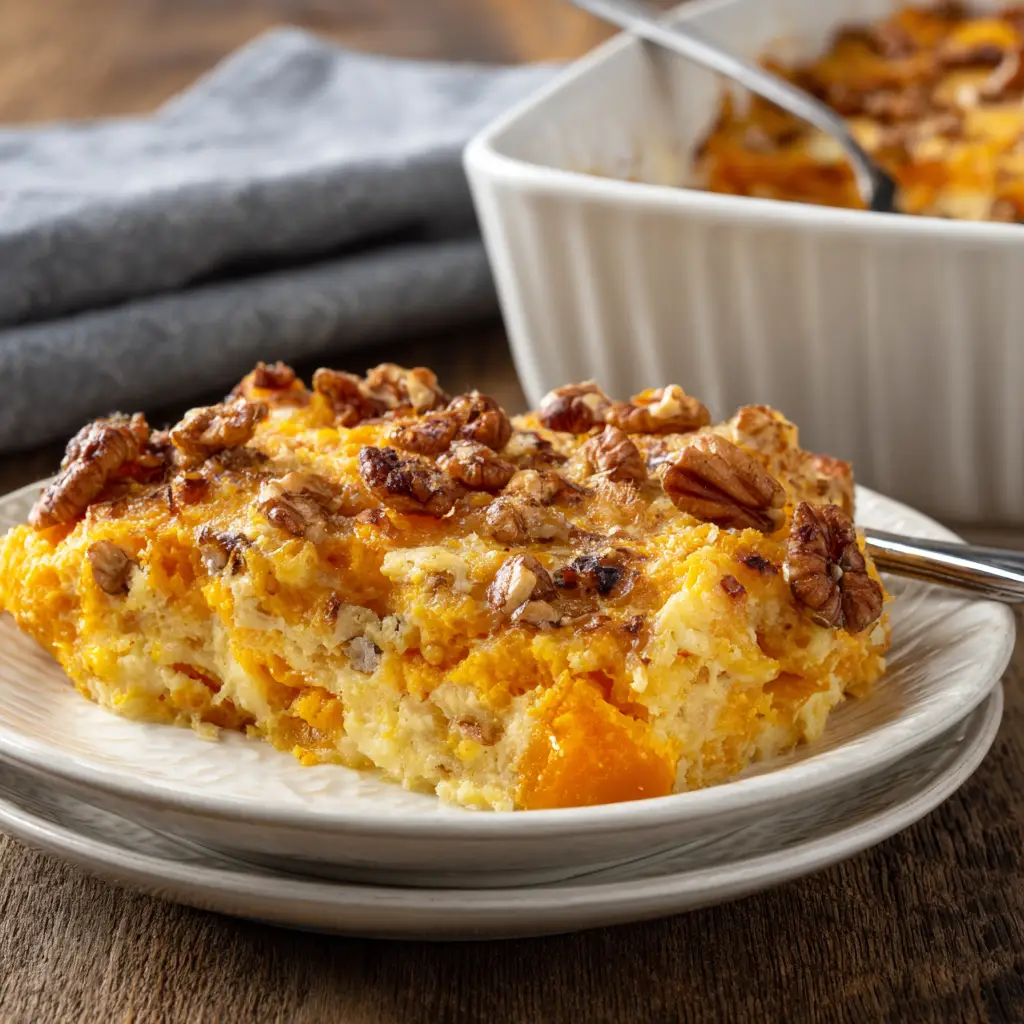
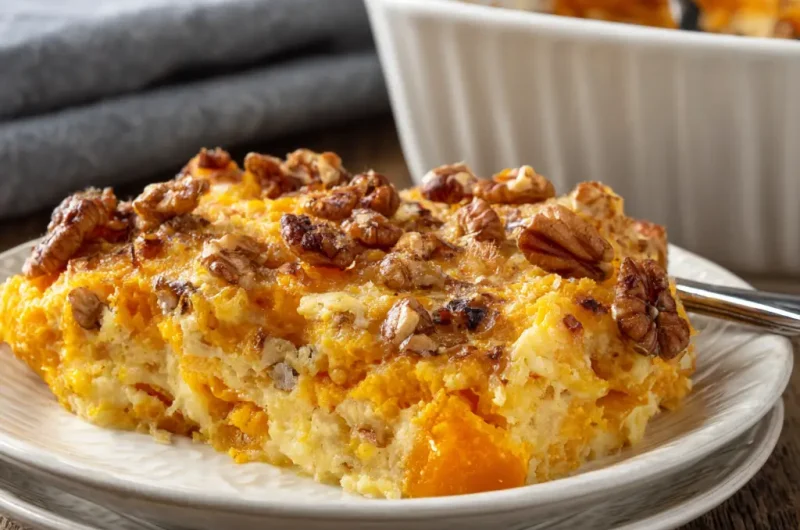
Toppings provide visual appeal and crunch. Chopped nuts such as pecans or walnuts add texture and depth. Oats mixed with butter create a hearty topping option. Experiment with combinations to find a favorite.
Nutritional Information
Butternut squash casserole offers more than comfort. Squash delivers vitamins A and C, which support immune health and skin vitality. Fiber content aids digestion and promotes fullness. Natural antioxidants contribute to overall wellness.
Dairy ingredients supply calcium and protein. Eggs add additional protein and essential amino acids. Balanced portions help keep the dish satisfying without excess calories.
Reducing sugar and butter lowers calorie density. Using lighter cream or milk cuts fat while preserving creaminess. Whole grain breadcrumbs increase fiber content. These small changes allow the casserole to fit into balanced eating plans.
Portion control matters. A moderate serving pairs well with lean proteins and vegetables. Enjoying this dish mindfully enhances both flavor and nutrition.
Serving Suggestions
Butternut squash casserole pairs beautifully with roasted meats such as turkey or chicken. The sweet and savory profile balances hearty main courses. It also complements vegetarian meals alongside salads and grain dishes.
Holiday tables often feature this casserole as a standout side. Its warm color adds visual appeal to festive spreads. Guests appreciate the comforting flavor during celebrations.
Weeknight dinners benefit from its versatility. Serve it with simple grilled fish or baked tofu for a complete meal. Leftovers reheat well and maintain flavor the next day.
Presentation enhances enjoyment. Garnish with fresh herbs before serving. A sprinkle of chopped parsley or thyme adds color and freshness. Serve directly from the baking dish for a rustic feel or plate individually for formal occasions.
Butternut squash casserole creamy comforting homemade recipe
Course: Blog6
servings20
minutes45
minutes300
kcalIngredients
4 cups butternut squash peeled and cubed
3 tablespoons unsalted butter
1 cup heavy cream
2 tablespoons brown sugar
2 large eggs
1 teaspoon salt
Half teaspoon black pepper
Half teaspoon ground cinnamon
Directions
- Preheat the oven to three hundred seventy five degrees Fahrenheit. Grease a medium baking dish with butter.
- Place the cubed butternut squash into a large pot of lightly salted water. Bring to a gentle boil and cook until tender. This usually takes about fifteen minutes.
- Drain the squash well and transfer it to a large mixing bowl. Mash until smooth using a masher or hand mixer.
- Add butter to the warm squash and stir until melted. Slowly mix in the heavy cream until creamy.
- Add brown sugar salt black pepper cinnamon and nutmeg. Mix well to combine all flavors evenly.
- In a separate bowl lightly beat the eggs. Slowly add them to the squash mixture while stirring continuously.
Recipe Video
Notes
- For a lighter version reduce the butter and sugar slightly without affecting the overall flavor. Dairy free cream and plant based butter can be used if needed. This casserole can be prepared ahead of time and baked just before serving for best results.
Frequently Asked Questions
Can butternut squash casserole be made ahead of time
Yes preparation works well in advance. Assemble the casserole up to one day ahead and store it covered in the refrigerator. Bake just before serving for best texture and flavor.
How long does butternut squash casserole last in the refrigerator
Stored properly in an airtight container, it stays fresh for three to four days. Reheat gently in the oven or microwave until warmed through.
Can frozen butternut squash be used
Frozen squash works when fresh squash is unavailable. Thaw completely and drain excess moisture before mashing. This step prevents a watery casserole.
Is butternut squash casserole suitable for vegetarians
The dish fits vegetarian diets when prepared with standard ingredients. Ensure toppings and seasonings align with dietary preferences.
What can replace breadcrumbs for a gluten free option
Crushed gluten free crackers or ground nuts make excellent substitutes. Both options add crunch without gluten.
Conclusion
Butternut squash casserole brings warmth and satisfaction to any table. Its balance of sweetness, creaminess, and gentle spice creates a dish that feels familiar yet special. Home cooks appreciate its flexibility and forgiving nature. With thoughtful ingredient choices and simple techniques, the casserole becomes a reliable favorite for gatherings and everyday meals.