How to Make Brown Rice Taste Good
Brown rice often gets a bad reputation. Many people associate it with blandness or a chewy texture that takes time to get used to. Unlike white rice, brown rice retains its bran and germ layers, which makes it healthier and more nutritious. It is packed with fiber, vitamins, and minerals, providing benefits that go beyond taste. The challenge lies in turning this nutritious grain into something flavorful and enjoyable. With the right cooking methods and seasonings, brown rice can become a staple in your meals rather than an afterthought.
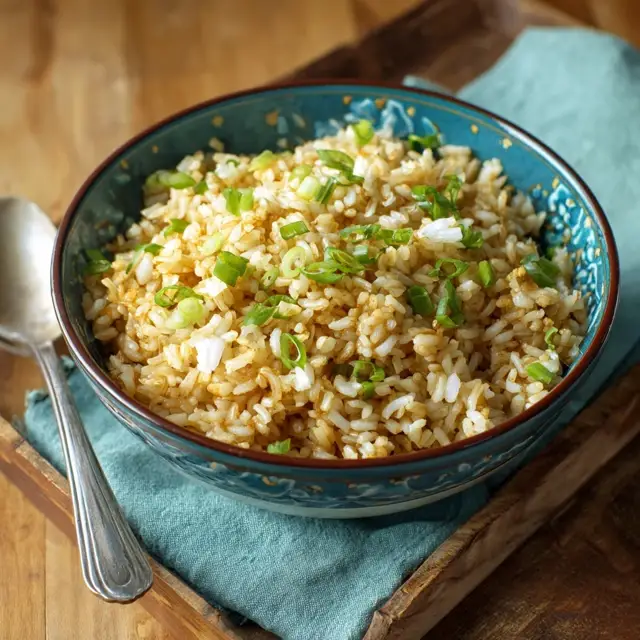
The key to making brown rice delicious is understanding its texture and flavor profile. Unlike white rice, it has a nuttier taste and firmer bite. This requires slightly different cooking methods and creative flavoring techniques. Combining proper cooking techniques with complementary herbs, spices, and ingredients transforms brown rice into a dish that is not only healthy but genuinely satisfying. Whether served as a side or the main base of a meal, enhancing its flavor opens up endless culinary possibilities.
Ingredients Needed
Below is a table of essential ingredients for making brown rice taste flavorful. Each ingredient includes its calorie count per serving, providing a quick reference for those tracking nutrition.
| Ingredient | Amount | Calories per Serving |
|---|---|---|
| Brown rice | 1 cup (uncooked) | 685 |
| Water or low-sodium broth | 2 1/2 cups | 15 (water) / 20 (broth) |
| Olive oil or butter | 1 tablespoon | 120 |
| Salt | 1/2 teaspoon | 0 |
| Garlic (minced) | 2 cloves | 9 |
| Onion (finely chopped) | 1 small | 28 |
| Soy sauce or tamari | 1 tablespoon | 10 |
| Fresh herbs (parsley, cilantro, or thyme) | 1 tablespoon | 1 |
| Lemon or lime juice | 1 teaspoon | 1 |
Optional ingredients include toasted nuts, dried fruits, or grated cheese, depending on the flavor profile you want to achieve.
Step-by-Step Cooking Instructions
- Rinse the rice thoroughly
Rinsing brown rice under cold running water removes excess starch and prevents the grains from sticking together. Use a fine-mesh sieve and gently swirl the rice until the water runs clear. - Sauté aromatics
In a medium saucepan, heat olive oil or butter over medium heat. Add minced garlic and chopped onion. Sauté for two to three minutes until they become fragrant and slightly golden. This step infuses the rice with a rich base flavor. - Toast the rice
Add the rinsed rice to the pan and stir for two to three minutes. Toasting the rice enhances its natural nutty flavor and ensures the grains remain separate after cooking. - Add liquid and seasoning
Pour in water or broth and add salt. Increase the heat to bring the mixture to a gentle boil. Stir once, cover with a tight-fitting lid, and reduce heat to low. - Simmer patiently
Brown rice requires more cooking time than white rice. Let it simmer for 40 to 45 minutes without lifting the lid. Avoid stirring too often, as this can make the rice gummy. - Let it rest
Once the liquid is absorbed, turn off the heat and allow the rice to rest, covered, for 10 minutes. This helps the grains finish cooking evenly and develop a fluffier texture. - Fluff and flavor
Use a fork to gently fluff the rice. Drizzle with soy sauce or a splash of lemon juice and toss with fresh herbs. Optional add-ins like nuts or dried fruit can be mixed in at this stage for additional flavor and texture.
Tips for Customizing the Recipe
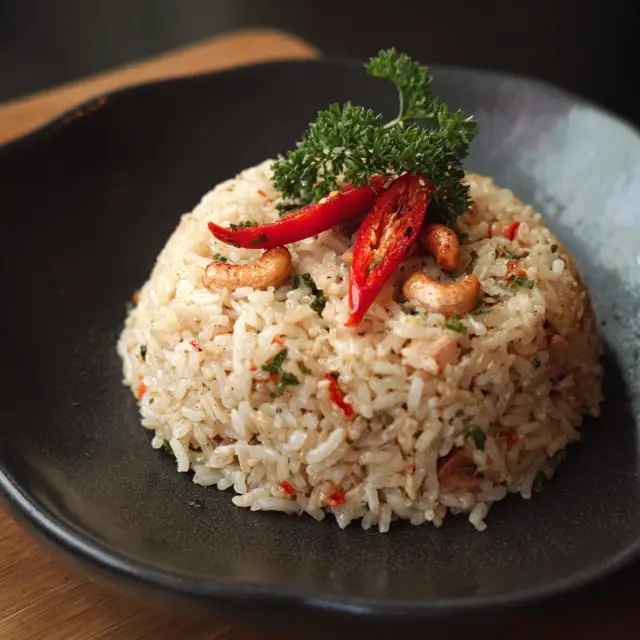
Customizing brown rice is simple and rewarding. Try incorporating different cooking liquids such as coconut milk, vegetable broth, or chicken broth for added depth. Experiment with spices like cumin, paprika, or turmeric to give it a global twist. For a sweeter version, stir in raisins or cranberries along with a pinch of cinnamon. Toasted seeds or nuts add crunch and richness, while sautéed vegetables or mushrooms turn the rice into a complete meal. Adjusting herbs according to seasonal availability allows for endless variations while keeping the dish fresh and exciting.
Another way to elevate brown rice is by finishing it with a touch of acidity. Lemon, lime, or even a splash of vinegar brightens the flavor. Incorporating fermented ingredients like kimchi or miso creates complex layers of taste. The versatility of brown rice makes it a perfect canvas for both simple weeknight dinners and more elaborate dishes.
Nutritional Information
Brown rice is a nutritional powerhouse. A single cup of cooked brown rice provides approximately 215 calories, 45 grams of carbohydrates, 5 grams of fiber, 5 grams of protein, and minimal fat. The high fiber content aids digestion, promotes satiety, and supports heart health. It also contains magnesium, manganese, selenium, and several B vitamins. Cooking it with broth instead of water slightly increases sodium content but adds flavor. Incorporating vegetables, herbs, and healthy fats boosts both taste and nutritional value, making brown rice a balanced and wholesome choice.
Serving Suggestions
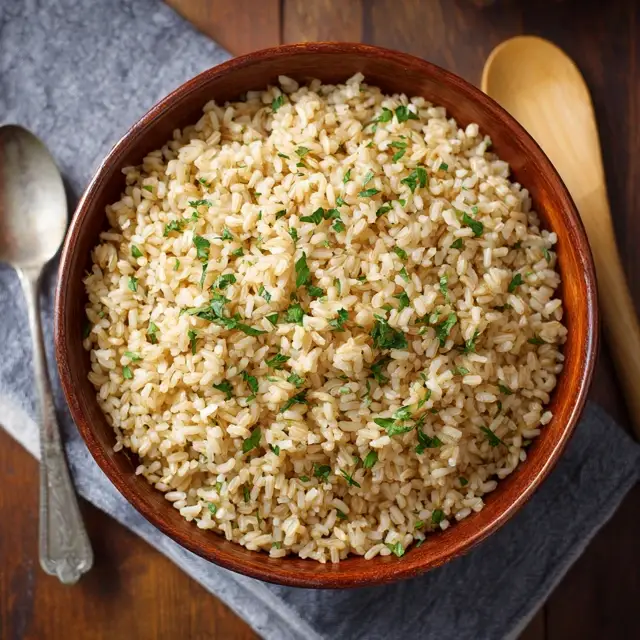
Brown rice pairs well with a wide variety of dishes. It can serve as a base for stir-fries, curries, stews, or grain bowls. Mixing it with roasted vegetables and a protein source creates a complete and satisfying meal. For a lighter option, combine it with a fresh salad, drizzle with a citrus vinaigrette, and top with toasted seeds. Brown rice also works well as a filling for stuffed peppers or cabbage rolls. Its nutty flavor complements both bold and delicate seasonings, allowing it to adapt seamlessly to different cuisines.
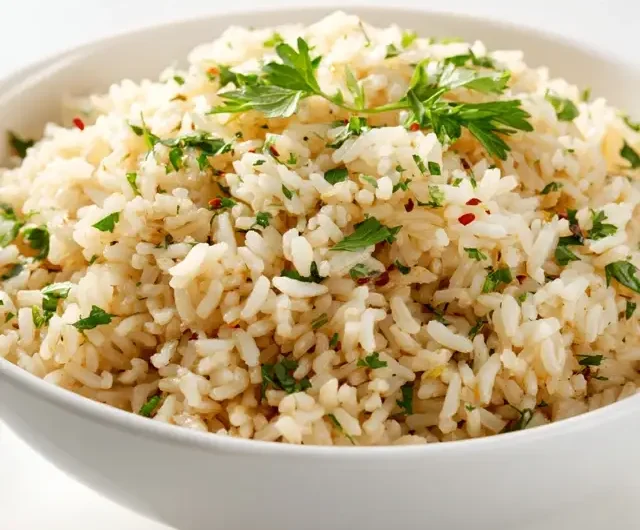
How to Make Brown Rice Taste Good
Course: Blog4
servings10
minutes45
minutes215
kcalIngredients
1 cup brown rice (uncooked)
2 1/2 cups water or low-sodium broth
1 tablespoon olive oil or butter
1/2 teaspoon salt
2 cloves garlic, minced
1 small onion, finely chopped
1 tablespoon soy sauce or tamari
1 tablespoon fresh herbs (parsley, cilantro, or thyme)
1 teaspoon lemon or lime juice
Optional: toasted nuts, dried fruits, grated cheese, sautéed vegetables
Directions
- Rinse the brown rice under cold running water until the water runs clear. Drain well.
- Heat olive oil or butter in a medium saucepan over medium heat. Sauté garlic and onion for 2–3 minutes until fragrant and golden.
- Add the rinsed rice to the pan and stir for 2–3 minutes to toast lightly.
- Pour in water or broth, add salt, and bring to a gentle boil. Reduce heat to low and cover with a tight-fitting lid.
- Simmer for 40–45 minutes without lifting the lid. Avoid stirring to prevent the rice from becoming sticky.
- Turn off heat and let the rice rest, covered, for 10 minutes.
- Fluff rice with a fork and mix in soy sauce or lemon juice and fresh herbs. Add optional ingredients like nuts, dried fruits, or vegetables if desired.
Recipe Video
Notes
- Rinsing the rice removes excess starch and keeps grains separate.
Toasting the rice enhances its nutty flavor.
For extra flavor, cook the rice in vegetable or chicken broth instead of water.
Frequently Asked Questions
Why does brown rice taste bland sometimes?
Brown rice retains its bran, giving it a chewy texture and slightly earthy flavor. Blending it with aromatics, herbs, or spices enhances its taste and prevents blandness.
Can I cook brown rice in a rice cooker?
Yes. Use the same water-to-rice ratio recommended for stovetop cooking. Many rice cookers have a brown rice setting that works perfectly.
How do I make brown rice fluffy instead of sticky?
Rinsing the rice thoroughly, toasting it before cooking, and avoiding over-stirring during simmering ensures fluffy grains. Resting the rice after cooking also improves texture.
Is it okay to add oil or butter to brown rice?
Absolutely. A small amount of healthy fat enhances flavor, prevents sticking, and makes the rice more enjoyable to eat.
Can I store cooked brown rice?
Yes. Store in an airtight container in the refrigerator for up to five days. It also freezes well for up to two months.
Conclusion
Brown rice does not need to be dull or unappetizing. With thoughtful preparation and flavoring, it can become a delicious, nutritious, and versatile part of your meals. Sautéing aromatics, toasting the rice, and using herbs, spices, and complementary liquids elevate its natural nutty flavor. Resting the rice and customizing it with add-ins ensures every bite is satisfying. Brown rice offers remarkable health benefits while serving as a flexible base for endless culinary creations. By experimenting with different flavors and cooking techniques, you can transform brown rice into a dish that everyone at the table will enjoy.