Black Coffee Recipe: Brew the Perfect Cup at Home with Simple Ingredients
Coffee lovers often chase bold flavors, rich aromas, and the perfect brew. While many experiment with creams, sugars, and flavored syrups, there is something uniquely satisfying about a strong cup of black coffee. It is raw, intense, and delivers the full-bodied taste of the coffee bean without distractions. Black coffee is more than just a beverage. It is a ritual for some, a health companion for others, and a quiet moment of reflection for many.
Drinking coffee without milk or sugar might sound too bitter to those new to the experience, but once you develop a taste for it, few things compare. Black coffee awakens the senses in the morning and helps you power through afternoon slumps. It is low in calories, high in antioxidants, and very easy to make at home with minimal ingredients. Unlike complicated café drinks, black coffee allows the flavor of the bean to shine through. It reflects its origin, roast, and brewing method in every sip.
Whether you’re trying to cut sugar, avoid dairy, or just want to experience coffee in its most natural form, black coffee offers a pure and satisfying experience. You don’t need fancy machines or expensive beans to get started. With just the right technique and attention to detail, you can brew a perfect cup right in your own kitchen.

Ingredients Needed
Black coffee does not require many ingredients. That’s part of its charm. However, quality matters. Freshly ground coffee beans and clean filtered water make all the difference in taste and aroma. Below is a simple table outlining what you need, along with their calorie counts.
| Ingredient | Quantity | Calories |
|---|---|---|
| Ground coffee beans | 2 tablespoons | 5 |
| Filtered water | 1 cup (240 ml) | 0 |
Note: Calorie count may vary slightly depending on the type of coffee bean.
Step-by-Step Cooking Instructions
Brewing black coffee is simple, but precision and care are essential for a smooth and balanced flavor. The following steps work for a basic manual brewing process such as pour-over, French press, or drip method.
- Choose fresh coffee beans
Always start with whole beans if possible. Grinding your beans just before brewing maximizes flavor and aroma. Use a medium grind for drip or pour-over methods and a coarse grind for French press. - Measure the coffee and water
For a standard cup, use two tablespoons of ground coffee for every eight ounces of water. This ratio can be adjusted depending on how strong you prefer your brew. - Boil the water
Heat filtered water to just below boiling, around 195 to 205 degrees Fahrenheit. Avoid using boiling water as it can scorch the coffee and create a bitter taste. - Pre-wet the filter (if using one)
If you’re using a paper filter, rinse it with hot water before adding the coffee grounds. This removes any paper taste and warms the brewing equipment. - Add the coffee grounds
Place the coffee into the filter or French press, depending on your brewing method. - Begin the brewing process
For pour-over, slowly pour hot water in a circular motion, allowing the coffee to bloom before continuing. For French press, pour the water over the grounds, stir gently, and let it steep for four minutes before pressing the plunger. - Serve immediately
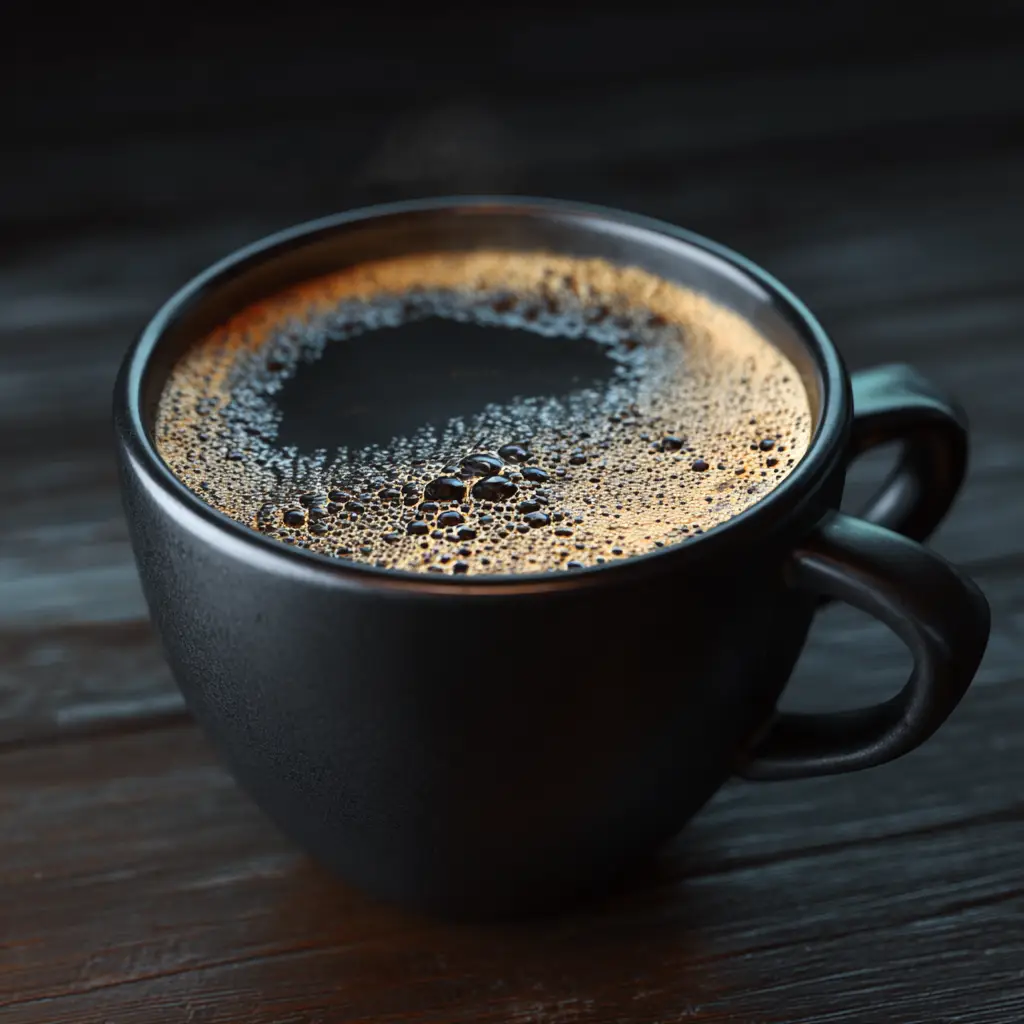
Black coffee is best enjoyed fresh. Pour it into your favorite mug and take in the aroma before sipping.
Tips for Customizing the Recipe
Black coffee may seem like a one-note drink, but small tweaks can elevate the experience. Here are a few ideas to explore:
- Adjust the strength
Use more or fewer grounds depending on your taste preferences. Stronger coffee has a richer flavor, while lighter brews are smoother. - Experiment with bean origins
Try beans from Ethiopia for fruity notes, Colombia for a balanced profile, or Sumatra for earthy flavors. Each region offers something different. - Play with brew methods
The method you choose dramatically affects the outcome. French press produces a fuller body, pour-over brings out clarity, and cold brew offers a smoother, less acidic experience. - Add natural flavor enhancers
A dash of cinnamon, a sprinkle of cocoa powder, or even a hint of cardamom can change the profile without adding calories. - Try it cold
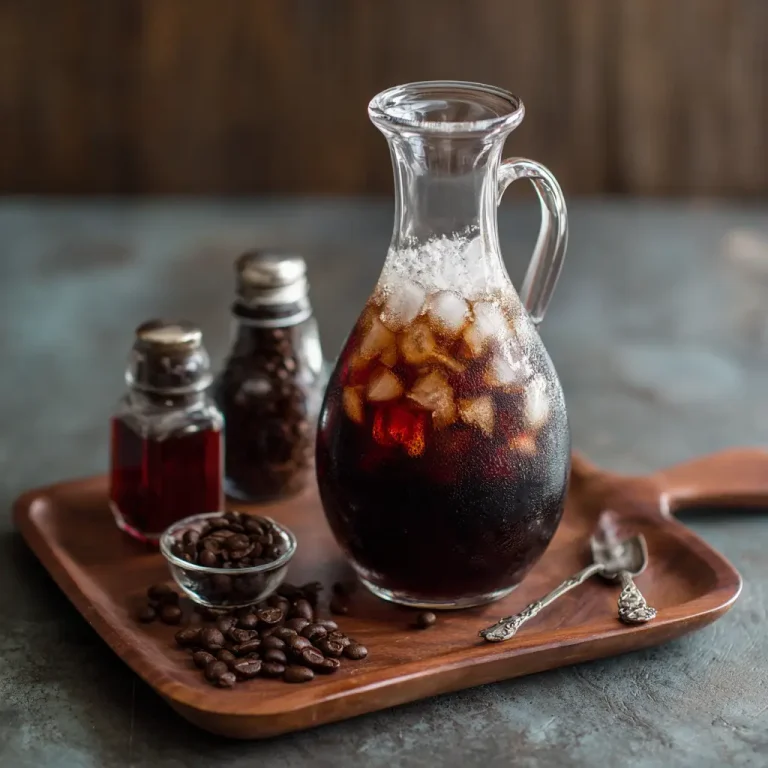
Cold black coffee is refreshing and smooth. It’s perfect for warm days and can be brewed overnight in the fridge.
Nutritional Information
Black coffee is an excellent choice for health-conscious individuals. It is naturally low in calories and free from fat and sugar. Here is a breakdown of the nutritional content for one standard cup:
- Calories: 5
- Fat: 0 grams
- Carbohydrates: 0 grams
- Protein: 0 grams
- Caffeine: 95 mg (approximate)
- Antioxidants: High in polyphenols and hydrocinnamic acids
These nutrients may help improve metabolism, reduce inflammation, and support brain function when consumed in moderation.
Serving Suggestions
Enjoying black coffee can be as casual or refined as you want. Some like it piping hot with breakfast, while others sip it slowly during work or after a meal. Here are a few thoughtful serving ideas:
- With a side of dark chocolate
The bitterness of the coffee complements the rich sweetness of dark chocolate. - As a post-lunch energizer
A cup after lunch can help fight afternoon fatigue without the heaviness of milk-based coffee drinks. - In a reusable travel mug
Take your black coffee on the go during your commute or outdoor walks. - Paired with light snacks
Almonds, dates, or simple toast go well with the clean flavor of black coffee. - Cold and iced for summer days
Serve over ice with a twist of lemon for a cooling twist.

Black Coffee Recipe: Brew the Perfect Cup at Home with Simple Ingredients
Course: Blog1
servings2
minutes5
minutes2
kcalIngredients
1 cup (240 ml) water
1 to 2 teaspoons ground coffee (adjust to taste)
Sugar (optional)
Directions
- In a saucepan, bring 1 cup of water to a boil.
- Add 1–2 teaspoons of ground coffee.
- Let it simmer for 2–3 minutes.
- Turn off the heat and let it sit for a minute.
- Strain the coffee into a cup using a fine mesh strainer.
- Add sugar if desired and stir well. Serve hot.
- Method 2: Using a French Press
- Boil water and let it cool slightly (around 90–96°C / 195–205°F).
- Add 1–2 teaspoons of ground coffee to the French press.
- Pour hot water over the grounds.
- Stir gently and place the lid on with the plunger pulled up.
- Let it steep for 3–4 minutes, then slowly press down.
- Pour into a cup and enjoy.
- Note:
- Use freshly ground coffee for the best flavor.
- You can adjust the strength by changing the coffee-to-water ratio.
- Black coffee is naturally low in calories and is a great option for those avoiding sugar or milk.
- For a richer flavor, try using filtered or bottled water instead of tap water.
- Let me know if you’d like a printable version or a version with images!
Recipe Video
Notes
- Use freshly ground coffee for the best flavor.
You can adjust the strength by changing the coffee-to-water ratio.
Black coffee is naturally low in calories and is a great option for those avoiding sugar or milk.
For a richer flavor, try using filtered or bottled water instead of tap water.
Frequently Asked Questions
Is black coffee good for weight loss?
Yes, black coffee is low in calories and may support weight loss when consumed without added sugars or creams. It also has metabolism-boosting properties.
Can I drink black coffee on an empty stomach?
Some people may find it harsh on the stomach. If you experience acidity, try eating something light first or opt for cold brew which is less acidic.
How many cups of black coffee can I have per day?
Moderation is key. Most health experts recommend no more than three to four cups daily to avoid sleep disruption or caffeine-related side effects.
Does black coffee dehydrate you?
Black coffee has a mild diuretic effect, but it does not significantly dehydrate you if consumed in normal amounts.
Which coffee beans are best for black coffee?
Medium to dark roasts are often preferred for black coffee as they provide depth and richness. However, light roasts highlight fruity and floral notes, ideal for those seeking a lighter taste.
Conclusion
Black coffee brings coffee back to its roots. It offers a clean, bold, and rich flavor that appeals to both newcomers and long-time coffee drinkers. Brewing the perfect cup doesn’t require complex tools or extensive knowledge. All it takes is good beans, filtered water, and a bit of attention.