Baked Spaghetti Squash Recipe for Healthy and Delicious Meals
Baked spaghetti squash has earned a special place in modern kitchens because it brings comfort, flavor, and nourishment together in one simple dish.
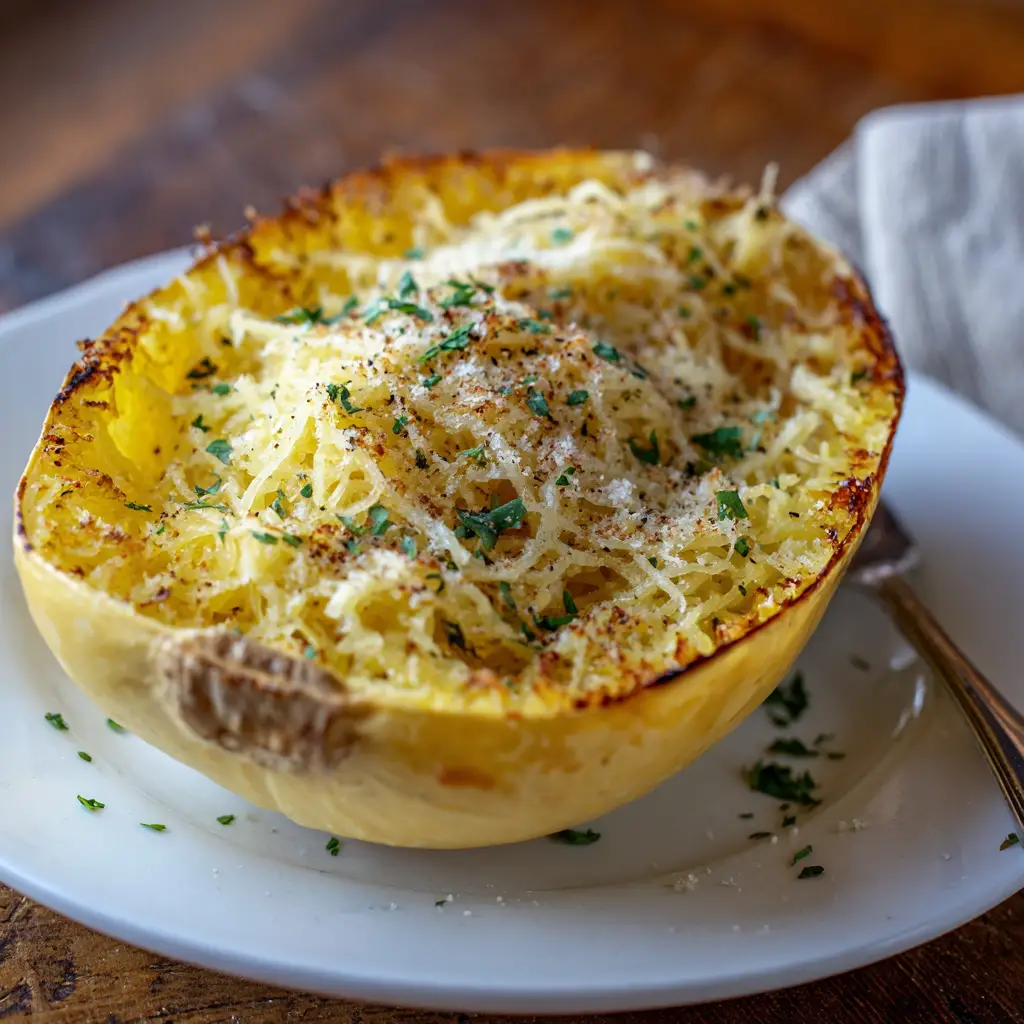
Home cooks love it for its gentle sweetness and its unique texture that naturally separates into long strands once cooked. That texture makes it a satisfying alternative to traditional pasta while keeping meals light and balanced. Many people discover baked spaghetti squash while searching for wholesome dinner ideas that still feel filling and indulgent. The vegetable delivers exactly that experience without complicated preparation or expensive ingredients.
Ingredients Needed
Fresh ingredients make a noticeable difference when preparing baked spaghetti squash. Quality olive oil, simple seasonings, and a ripe squash work together to highlight the natural flavors. The ingredient list stays short and accessible. Each component plays a role in creating balance and satisfaction.
| Ingredient | Quantity | Approximate Calories |
|---|---|---|
| Spaghetti squash | One medium | 135 |
| Olive oil | One tablespoon | 120 |
| Sea salt | Half teaspoon | 0 |
| Black pepper | Quarter teaspoon | 2 |
| Garlic powder | Half teaspoon | 5 |
| Fresh parsley | Two tablespoons | 4 |
Calorie counts may vary depending on size and brand. The table offers a helpful estimate for planning meals and understanding portion balance.
Step by Step Cooking Instructions
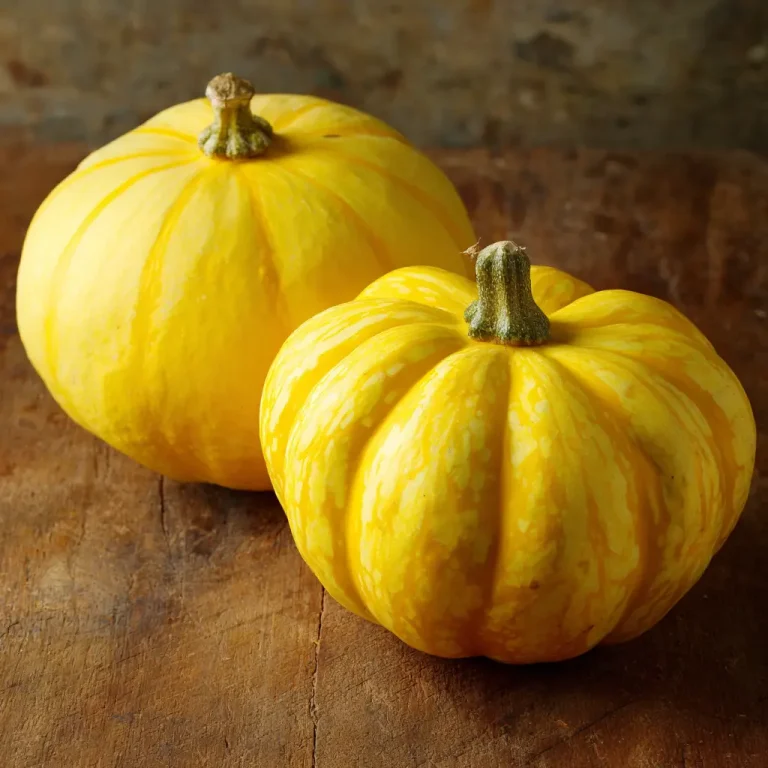
Preparing baked spaghetti squash starts with choosing a squash that feels heavy for its size. A firm shell without soft spots indicates freshness. The color should be even and bright. Once the squash is selected, preparation begins with careful cutting. Place the squash on a stable surface. Use a sharp knife to cut it lengthwise. Take time with this step to maintain safety and precision.
Scoop out the seeds and stringy center using a sturdy spoon. The cavity should look clean and smooth. Lightly brush the cut sides with olive oil. The oil helps the flesh roast evenly and enhances flavor. Sprinkle salt, black pepper, and garlic powder evenly over the surface. Seasoning at this stage allows flavors to soak in during baking.
Preheat the oven to a moderate temperature of four hundred degrees Fahrenheit. Place the squash halves cut side down on a baking dish lined with parchment paper. This position helps trap steam and creates tender strands. Slide the dish into the oven and allow the squash to bake for about forty minutes. Cooking time may vary depending on size. The flesh should feel soft when pierced with a fork.
Remove the baking dish carefully and let the squash cool slightly. Using a fork, gently scrape the flesh from the shell. Long strands will separate naturally. Move the strands to a bowl and toss lightly to distribute seasoning. Sprinkle fresh parsley on top for color and freshness. Taste and adjust seasoning if needed.
The result should be tender, lightly sweet strands that hold their shape. Each bite should feel satisfying without heaviness. The simplicity of the method allows the squash to shine.
Tips for Customizing the Recipe
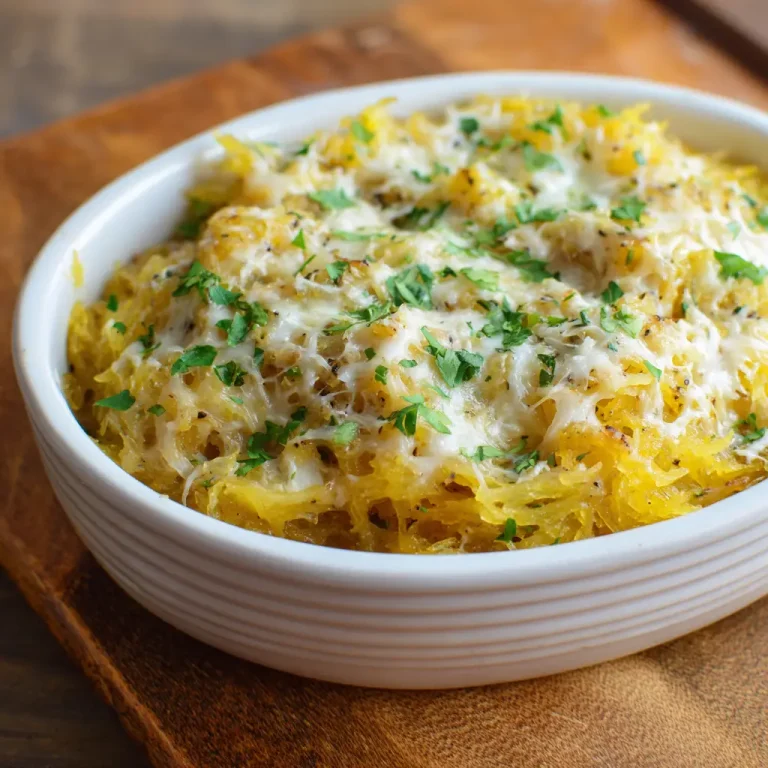
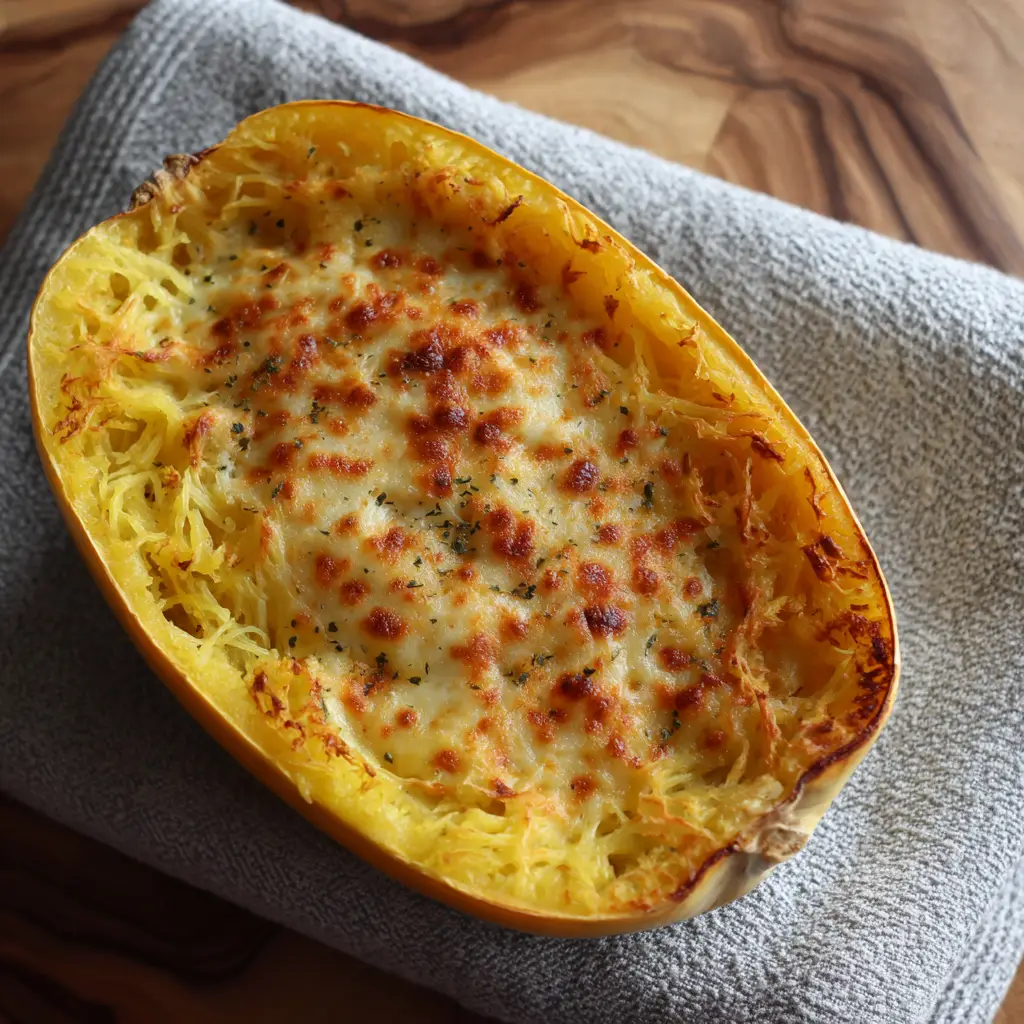
Baked spaghetti squash welcomes creativity. Cooks can adapt the base recipe to suit many preferences and cuisines. Adding grated cheese such as parmesan or mozzarella creates a richer dish. Sprinkle cheese over the strands while still warm so it melts smoothly. The result feels comforting and indulgent.
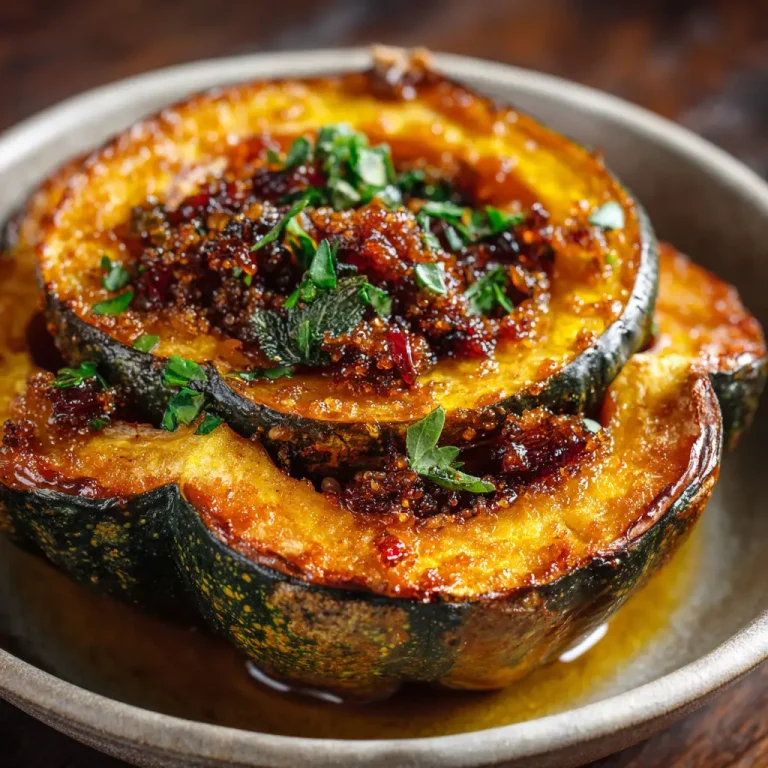
Protein additions transform the squash into a complete meal. Grilled chicken, roasted shrimp, or sautéed mushrooms pair beautifully with the mild flavor. Toss the protein with the strands and a splash of olive oil for cohesion. Plant based eaters often enjoy chickpeas or lentils for added texture and nourishment.Looking for something similar? Check out Baked Squash
Sauces offer endless variation. A simple tomato sauce creates a classic pasta like experience. Pesto adds herbal brightness. A creamy garlic sauce brings richness without overwhelming the squash. Use sauces sparingly so the natural texture remains noticeable.
Spices and herbs allow for seasonal adjustments. Chili flakes add heat. Smoked paprika brings warmth. Fresh basil or thyme introduces aroma. Lemon zest brightens the dish and balances sweetness. Each addition should complement rather than dominate.
Cooking method adjustments also matter. Some prefer baking cut side up for caramelized edges. Others like adding a splash of broth to the baking dish for extra moisture. Experimentation leads to personal preference and confidence in the kitchen.

Nutritional Information
Baked spaghetti squash offers impressive nutritional benefits while remaining low in calories. One serving provides fiber that supports digestion and promotes fullness. The vegetable contains vitamin C which supports immune health. Vitamin A contributes to skin and eye wellness.
Natural carbohydrates in spaghetti squash release energy slowly. This makes it suitable for balanced meals and sustained satisfaction. The absence of heavy fats keeps it light while still comforting. Olive oil adds heart friendly fats that support overall wellness.
The dish fits into many dietary patterns. Gluten free eaters enjoy it as a pasta alternative. Those watching calorie intake appreciate its volume and texture. Families looking to include more vegetables find it appealing and approachable.
Understanding nutritional value helps build mindful meals. Baked spaghetti squash supports health goals without sacrificing enjoyment.
Serving Suggestions
Baked spaghetti squash works well as both a main dish and a side. Serve it alongside roasted meats or grilled fish for a balanced plate. The mild flavor complements bold seasonings and rich sauces.
As a main course, present it in a shallow bowl topped with protein and herbs. A drizzle of olive oil adds shine and flavor. Pair with a crisp green salad for contrast. Warm bread on the side completes the meal.
For gatherings, baked spaghetti squash makes an attractive addition to buffet tables. Its golden strands catch the eye and invite curiosity. Guests appreciate a lighter option among heavier dishes.
Leftovers store well and reheat gently. Use them in lunch bowls or as a base for quick dinners. The versatility makes it a reliable choice for meal planning.

Baked Spaghetti Squash Recipe for Healthy and Delicious Meals
Course: Blog2
servings10
minutes40
minutes130
kcalIngredients
1 medium spaghetti squash
1 tablespoon olive oil
Half teaspoon salt
Quarter teaspoon black pepper
Half teaspoon garlic powder
Fresh parsley for garnish optional
Directions
- Preheat the oven to 400 degrees Fahrenheit.
- Carefully cut the spaghetti squash lengthwise.
- Scoop out the seeds using a spoon and discard them.
- Brush the cut sides with olive oil evenly.
- Sprinkle salt, black pepper, and garlic powder over the squash.
- Place the squash halves cut side down on a baking tray lined with parchment paper.
- Bake in the oven for about 40 minutes until the flesh becomes tender.
- Remove from the oven and let it cool slightly.
Recipe Video
Notes
- Choose a firm squash with no soft spots for best results.
Baking cut side down helps keep the squash moist and tender.
Add cheese, herbs, or sauce after baking for extra flavor.
Store leftovers in the refrigerator and use within three days.
Frequently Asked Questions
How do I know when baked spaghetti squash is fully cooked
The squash is ready when a fork slides easily into the flesh. The strands should separate without resistance and feel tender yet slightly firm.
Can baked spaghetti squash be prepared ahead of time
Yes. Bake the squash and store the strands in an airtight container in the refrigerator. Reheat gently before serving to maintain texture.
Is baked spaghetti squash suitable for children
Many children enjoy its mild flavor and fun texture. Adding familiar sauces or cheese often increases acceptance.
What is the best way to store leftovers
Place cooled strands in a sealed container and refrigerate. Use within three days for best flavor and texture.
Can frozen spaghetti squash be baked
Fresh squash yields better texture. Frozen options work in a pinch but may release more moisture during baking.
Conclusion
Baked spaghetti squash brings warmth and nourishment to the table with minimal effort. The dish offers flexibility, comfort, and genuine flavor that suits many lifestyles. Simple ingredients come together to create something memorable and satisfying. Cooking it becomes a rewarding ritual rather than a chore. With practice, creativity grows and each version feels personal. A humble squash transforms into a dependable favorite that invites return visits to the kitchen and shared moments around the table.