Asian Noodle Recipes: Easy & Delicious Dishes to Try at Home
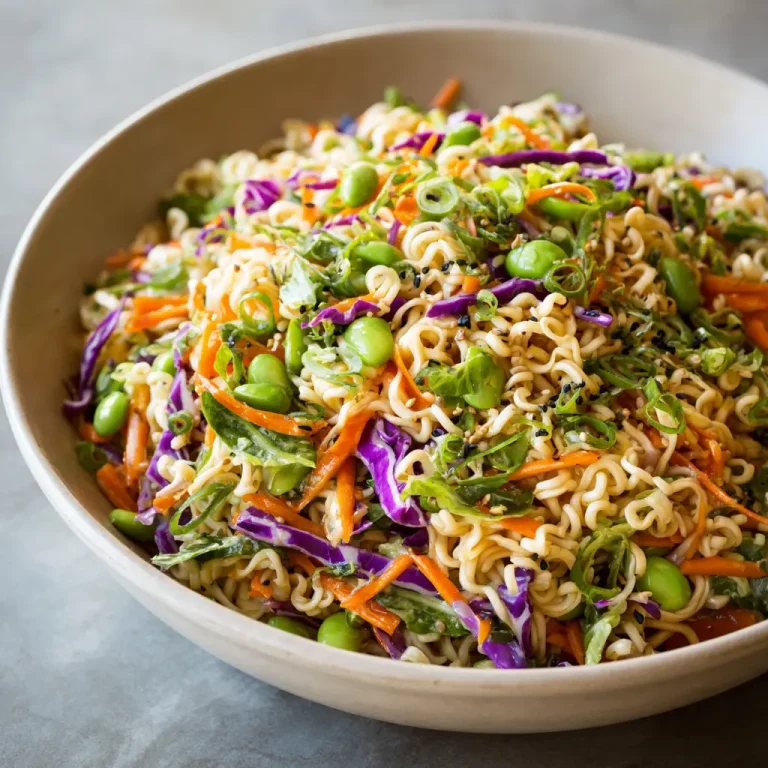
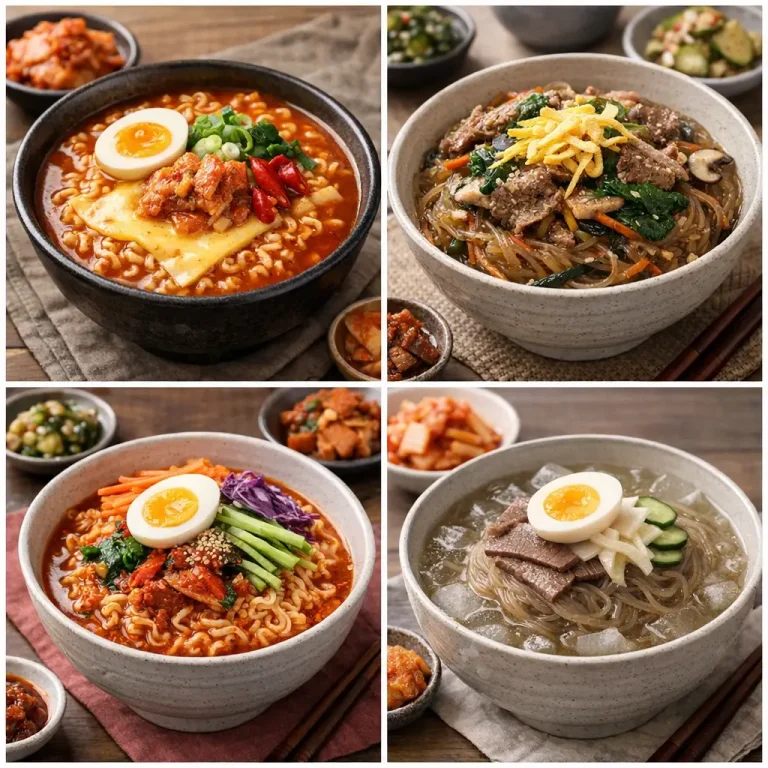
Asian cuisine is known for its vibrant flavors, aromatic herbs, and versatile ingredients. Among its many offerings, Asian noodle dishes stand out as a perfect blend of textures, seasonings, and cultural heritage.
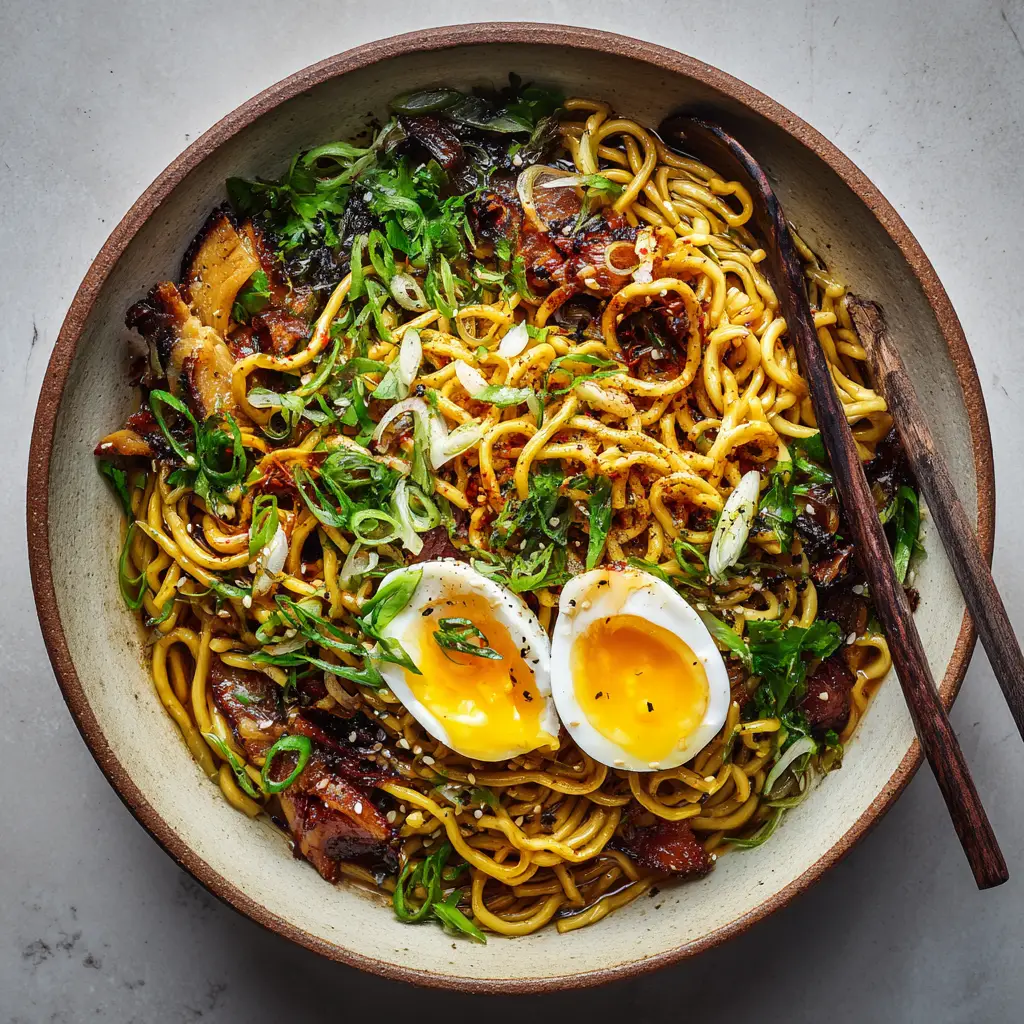
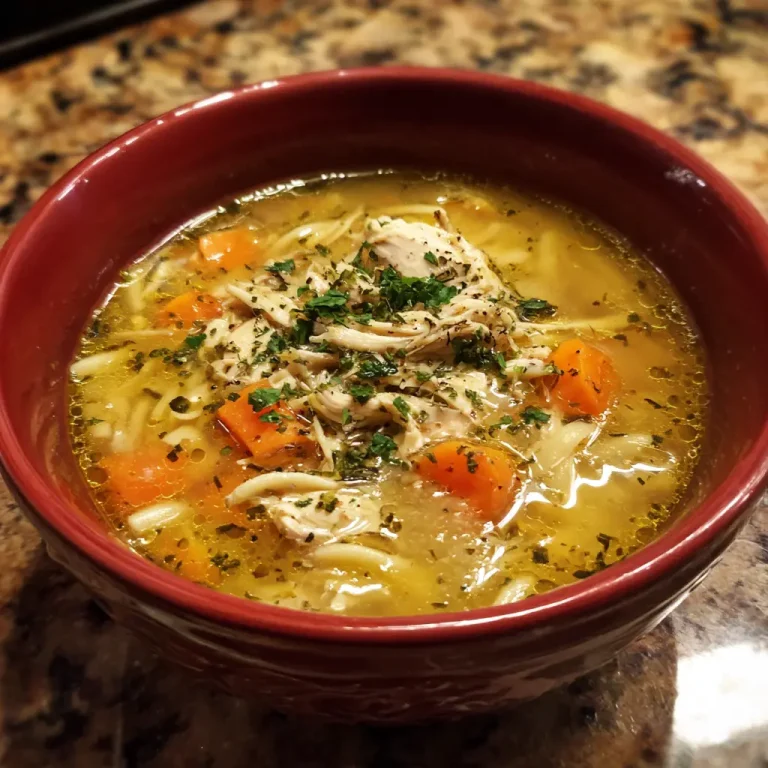
From savory stir-fries to rich broths, the variety of noodle-based recipes can satisfy almost any craving. Whether you’re a fan of Chinese, Japanese, Thai, or Vietnamese food, there is an Asian noodle recipe to match your taste. The beauty of these dishes lies in their simplicity, making them accessible for home cooks of all skill levels.
Ingredients Needed
Before diving into the cooking process, it’s essential to know the key ingredients that bring your Asian noodle recipes to life. While each dish may vary slightly, there are common ingredients you’ll find across many Asian noodle recipes. Below is a helpful table to give you a clear idea of the ingredients and their corresponding calorie counts:
| Ingredient | Amount | Calorie Count (per serving) |
|---|---|---|
| Rice noodles | 100g | 130 calories |
| Soy sauce | 2 tbsp | 20 calories |
| Sesame oil | 1 tbsp | 120 calories |
| Garlic (minced) | 2 cloves | 10 calories |
| Ginger (grated) | 1 tsp | 6 calories |
| Chicken breast (sliced) | 100g | 165 calories |
| Carrot (julienned) | 1 medium | 25 calories |
| Bell pepper (sliced) | 1 medium | 25 calories |
| Spring onions | 2 stalks | 10 calories |
| Cilantro (fresh) | 1/4 cup | 1 calorie |
| Lime (for garnish) | 1/2 | 8 calories |
| Red chili (optional) | 1 small | 4 calories |
Total calorie count for a basic noodle dish: Approximately 300-400 calories per serving, depending on customization.
Step-by-Step Cooking Instructions
Step 1: Preparing the Noodles
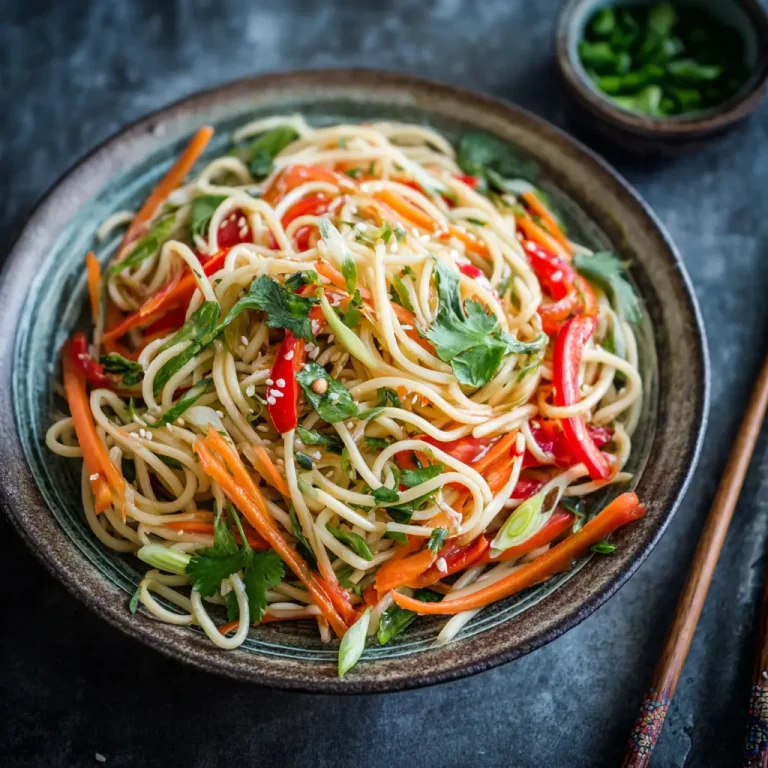
Start by boiling a pot of water. Add the rice noodles to the boiling water and cook them according to the package instructions (usually 4-5 minutes). Once done, drain the noodles and set them aside. For a more authentic touch, rinse the noodles in cold water to prevent them from sticking together.
Step 2: Cooking the Protein (Optional)
If you’re adding protein to your dish, such as chicken, beef, or tofu, now’s the time to cook it. In a large skillet or wok, heat 1 tablespoon of sesame oil over medium heat. Add your protein and sauté for 5-7 minutes or until cooked through. For added flavor, you can marinate your chicken in soy sauce and garlic before cooking.
Step 3: Stir-Frying Vegetables
Next, add another tablespoon of sesame oil to the skillet and toss in the garlic and ginger. Stir-fry for about 1 minute until fragrant. Add the sliced bell pepper, carrot, and any other vegetables you’re using. Stir-fry the vegetables for an additional 3-4 minutes. You want them to be slightly tender but still crisp.
Step 4: Combining Everything
Once the vegetables are cooked, add the cooked noodles to the pan. Pour in the soy sauce and toss everything together, ensuring the noodles are evenly coated. If you’re using additional sauces like hoisin or oyster sauce, add them now to enrich the flavor. Stir everything until it’s heated through.
Step 5: Garnishing and Serving
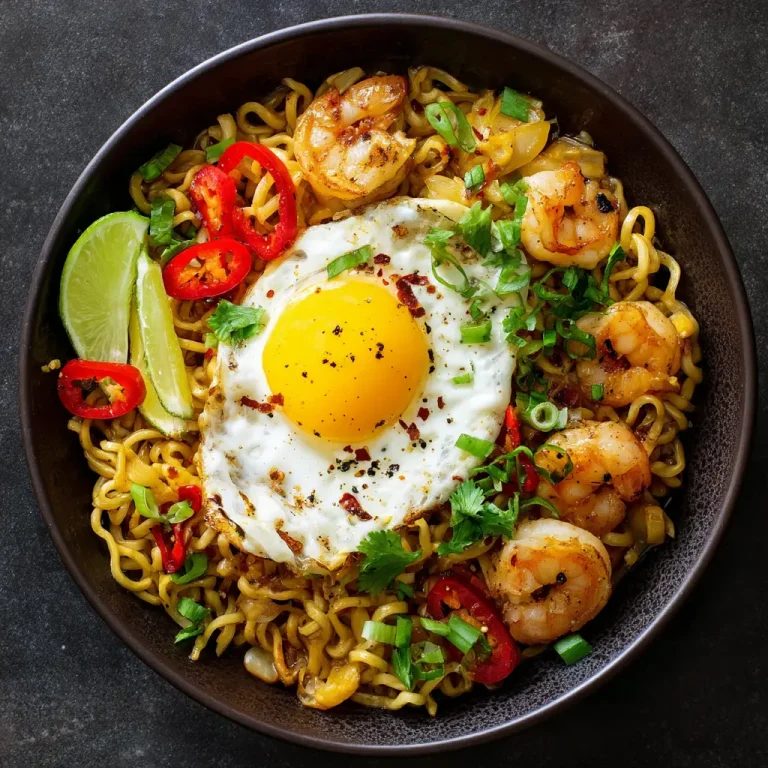
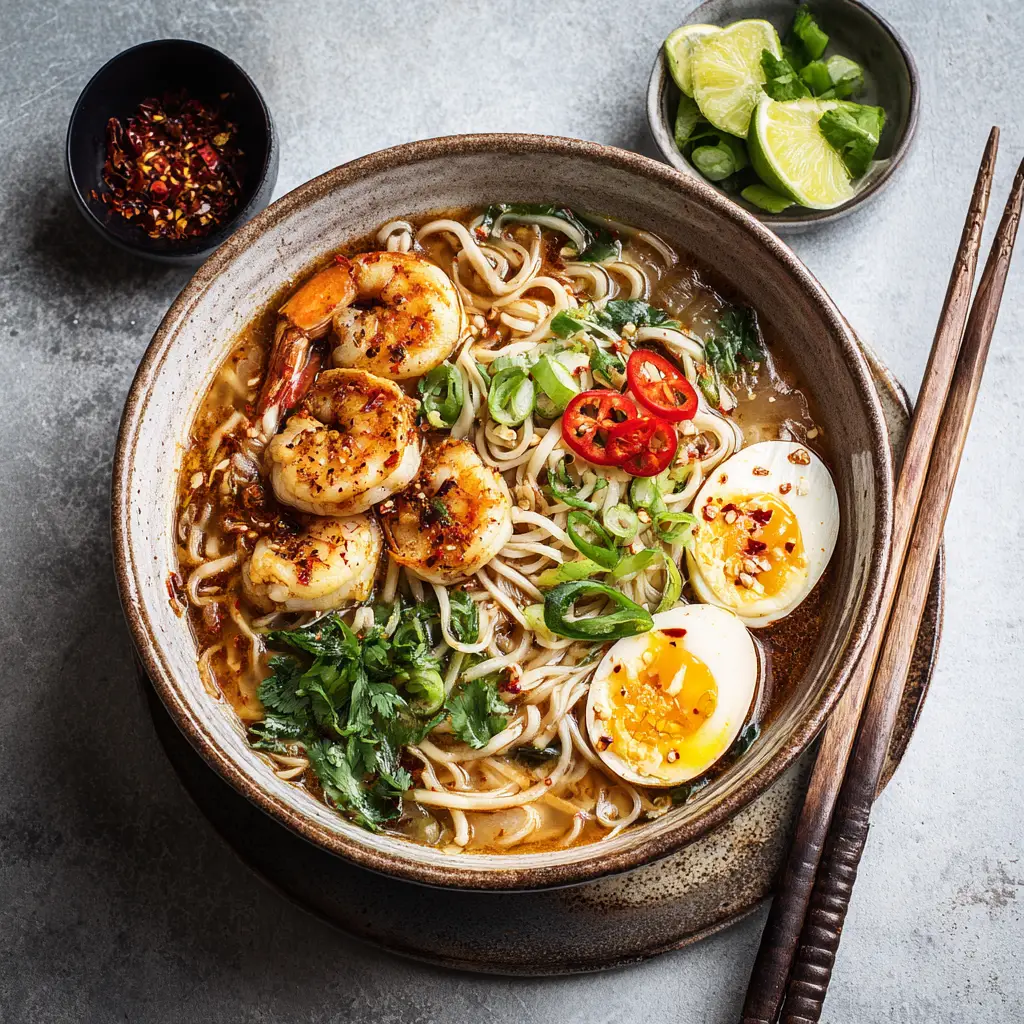
To finish, garnish the dish with freshly chopped cilantro, sliced spring onions, and a squeeze of lime juice. If you like some heat, top it off with sliced red chili. Serve immediately while the noodles are still warm.
Tips for Customizing the Recipe
- Swap Proteins: Feel free to experiment with different proteins like shrimp, beef, or even tofu for a vegetarian version. Each protein will offer a unique texture and flavor.
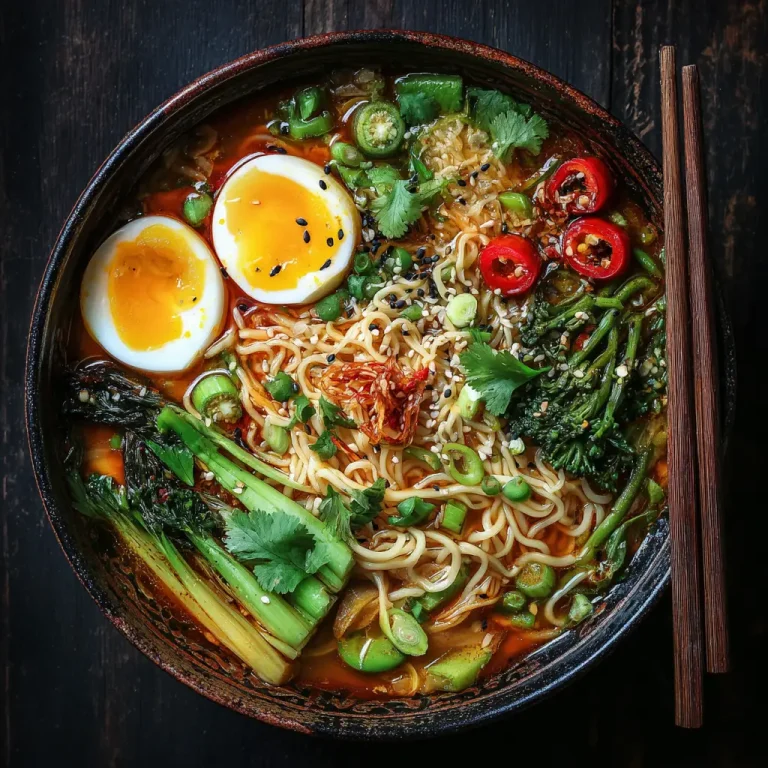
- Add More Vegetables: The beauty of Asian noodle dishes is how adaptable they are. You can throw in extra vegetables like mushrooms, bok choy, broccoli, or zucchini to make the dish heartier.If you enjoyed this, you might also love Asian Noodle Dishes
- Adjust the Heat: If you enjoy spicy food, increase the amount of red chili or add a dollop of chili paste. For milder versions, reduce or omit the chili entirely.
- Flavor Enhancements: Try adding a tablespoon of peanut butter for a rich, creamy texture. You can also use coconut milk for a richer, slightly sweet flavor.
- Noodle Variations: Use different types of noodles like egg noodles, udon, soba, or even ramen for a change. Each type offers its own unique texture and flavor profile.
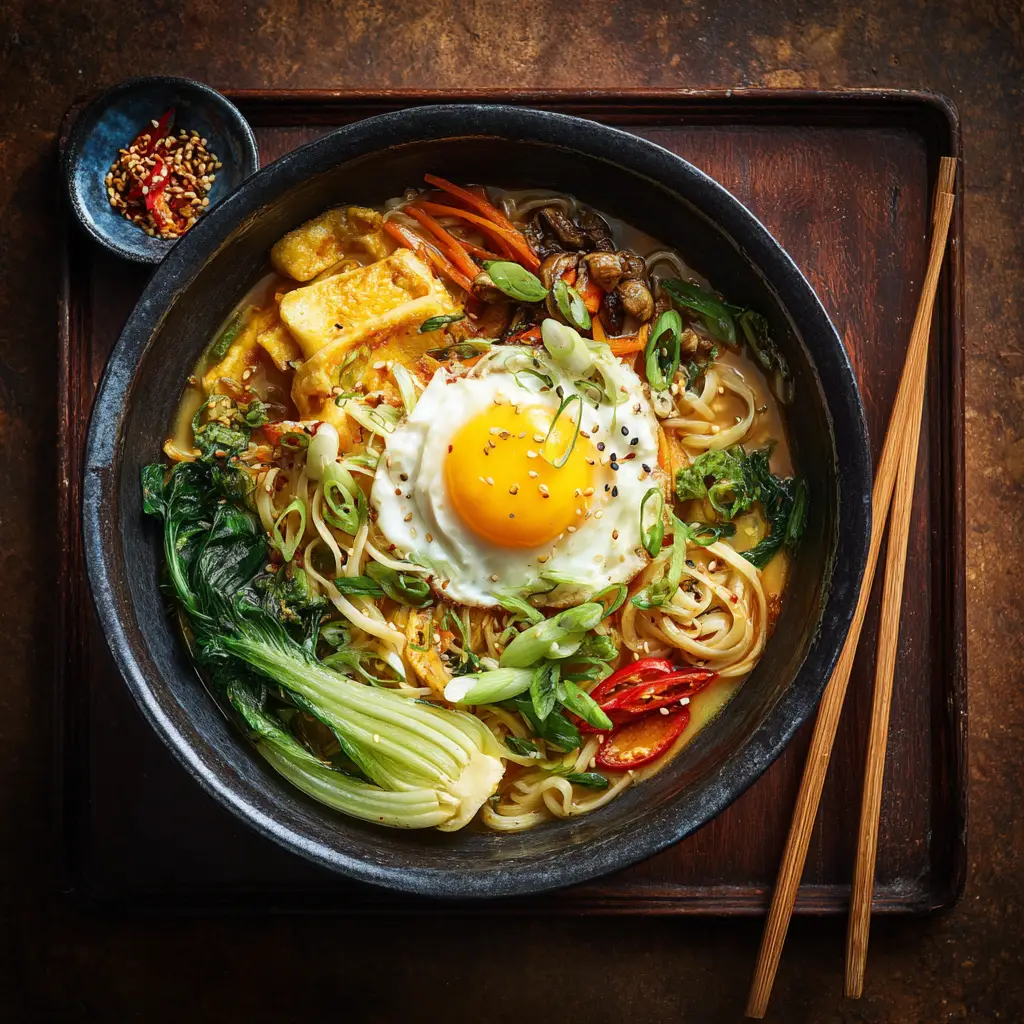
Nutritional Information
Here’s an estimated breakdown of the nutrition per serving based on the ingredients and portion sizes mentioned above. Keep in mind that these values may vary slightly depending on specific brands or types of ingredients used.
This recipe provides a balanced mix of protein, carbohydrates, and healthy fats, making it a satisfying meal.
Serving Suggestions
Asian noodle dishes are incredibly versatile when it comes to pairing them with sides or drinks. Here are a few serving ideas to elevate your meal:
- Side Dishes: Pair the noodles with light sides like steamed dumplings, spring rolls, or edamame. These snacks complement the main dish without overpowering it.
- Beverages: Serve your noodles with a chilled glass of iced green tea, jasmine tea, or even a cold Asian lager for a refreshing balance of flavors.
- Desserts: For dessert, consider offering something light like mango sticky rice or coconut ice cream to complement the savory nature of the noodle dish.
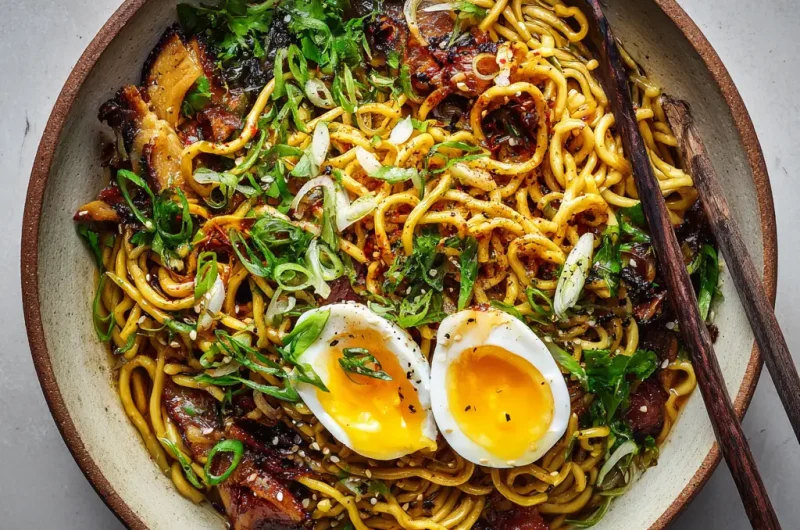
Asian Noodle Recipes: Easy & Delicious Dishes to Try at Home
Course: Blog2-3
servings15
minutes20
minutes~350-400
kcalIngredients
100g rice noodles
2 tbsp soy sauce
1 tbsp sesame oil
2 cloves garlic (minced)
1 tsp ginger (grated)
100g chicken breast (sliced)
1 medium carrot (julienned)
1 medium bell pepper (sliced)
2 stalks spring onions (chopped)
Directions
- Cook the noodles: Bring a pot of water to a boil. Add the rice noodles and cook according to package instructions (typically 4-5 minutes). Drain and rinse with cold water to prevent sticking. Set aside.
- Prepare the protein: In a large skillet or wok, heat 1 tablespoon of sesame oil over medium heat. Add the chicken breast and cook for 5-7 minutes until fully cooked and golden brown. Remove from the skillet and set aside.
Recipe Video
Notes
- Protein Substitution: Feel free to swap chicken for tofu, shrimp, or beef. Adjust cooking time accordingly.
Vegetable Variations: Add extra veggies like broccoli, zucchini, or mushrooms for more flavor and texture.
For Extra Flavor: Add a tablespoon of peanut butter for a creamy sauce or a splash of sesame seeds for a nice crunch.
FAQ
Q: Can I make these noodles gluten-free?
A: Absolutely! Simply use gluten-free soy sauce (tamari) and swap out the rice noodles for gluten-free alternatives.
Q: How can I make this dish vegetarian?
A: You can replace the meat with tofu or tempeh for a delicious vegetarian alternative. Additionally, make sure your soy sauce is vegan-friendly, as some may contain fish sauce.
Q: How do I store leftovers?
A: Store any leftover noodles in an airtight container in the fridge for up to 3 days. Reheat in the microwave or a skillet with a splash of water to prevent the noodles from drying out.
Q: Can I freeze Asian noodles?
A: While it’s possible to freeze cooked noodles, the texture may change slightly upon reheating. If you plan to freeze them, make sure to store the noodles and sauce separately to maintain the best texture.
Conclusion
Asian noodle recipes are an easy and delicious way to explore the diverse flavors of Asia. Whether you prefer a light stir-fry, a rich noodle soup, or a tangy peanut noodle dish, the options are endless. These recipes are highly customizable, allowing you to adapt them to your tastes and dietary preferences. With a few key ingredients and a bit of creativity, you can recreate the authentic tastes of Asian street food right in your kitchen. Give it a try and enjoy a delightful meal that brings the essence of Asian cuisine to your table.