Pizza Dough Recipe for Perfect Homemade Crust | Easy Step-by-Step Guide
Introduction
Imagine the aroma of fresh bread mingling with warm tomato sauce and bubbling cheese. A great pizza begins long before the toppings arrive. The heart of every memorable pizza is the dough. Mastering a pizza dough recipe can transform a simple night into a home style pizzeria moment. Many bakers spend years chasing that ideal balance of chewy texture and light crumb. In this guide I walk you through a reliable pizza dough recipe that feels effortless yet yields extraordinary results. You will learn not only how to mix and rest your dough but also how to shape and bake it so it shines. I share tips I use in my own kitchen to help you customize your crust to your taste. Whether your goal is thin and crisp or soft and pillowy, this recipe will adapt. Let us begin the journey to kneading, rising, and baking your way to pizza perfection.
Ingredients Needed
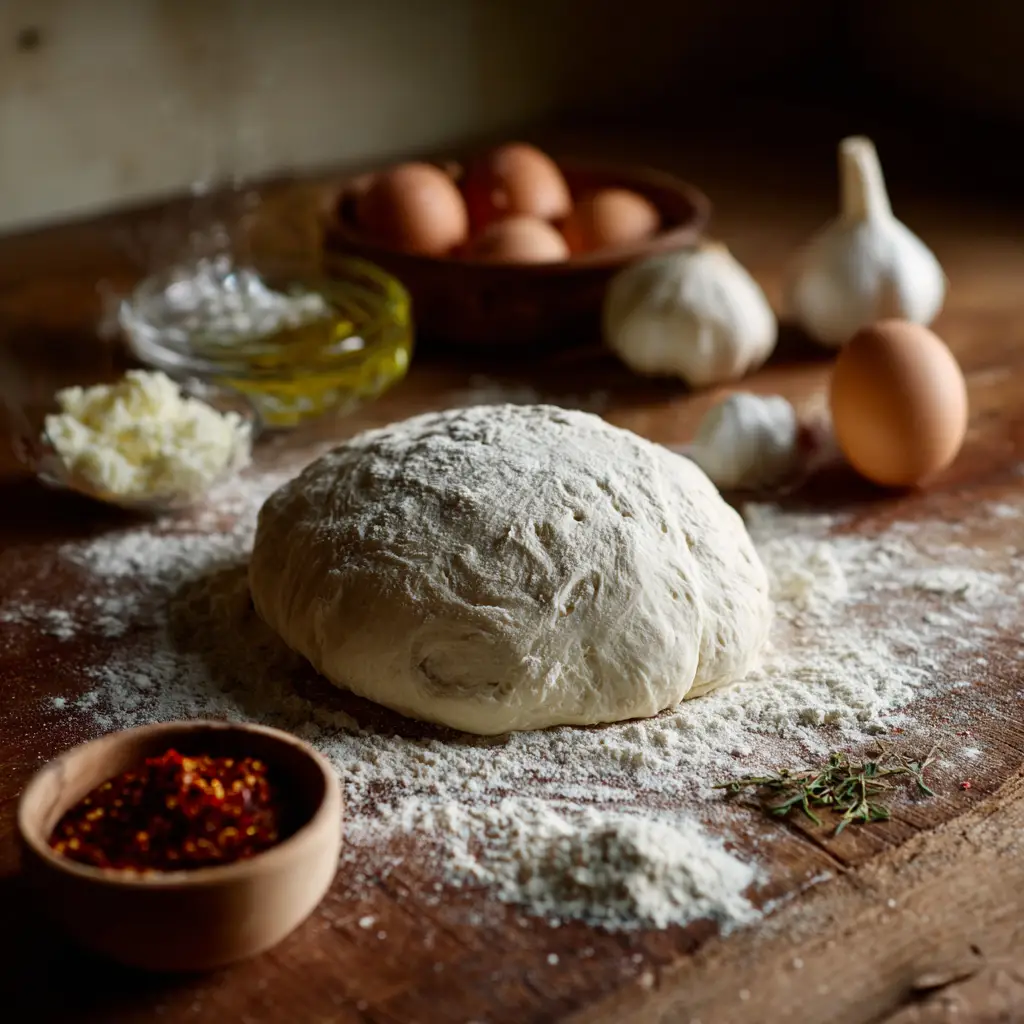
Below is a table of ingredients with their estimated calorie contribution per recipe batch. This batch makes about two medium pizzas or one large pizza.
| Ingredient | Amount | Estimated Calories |
|---|---|---|
| All purpose flour | 500 grams | 1820 kcal |
| Warm water (around 38 °C / 100 °F) | 325 milliliters | 0 kcal |
| Active dry yeast | 7 grams (one packet) | 25 kcal |
| Olive oil | 2 tablespoons | 240 kcal |
| Sugar | 1 teaspoon | 16 kcal |
| Salt | 1.5 teaspoons | 0 kcal |
Total approximate calories per batch: 2101 kcal
If you divide into two medium pizzas, each dough yields about 1050 kcal of dough alone.
Notes: Yeast, water, and salt contribute negligible calories in these small amounts. Calorie values are approximate and depend on brand and measurement precision.
Step by Step Cooking Instructions
- Proof the yeast
Start by pouring warm water into a mixing bowl. Use water that feels slightly warm to the touch but not hot, around 38 °C (100 °F). Sprinkle the sugar over the water then add the active dry yeast. Let it sit undisturbed for about ten minutes or until the surface becomes foamy and scented with yeast. If it fails to foam then your yeast may be inactive. - Combine dry ingredients
While the yeast proof is underway, whisk together the flour and salt in a large bowl. Use a gentle motion to ensure salt is evenly spread through the flour. - Mix ingredients
When the yeast has become frothy, pour it into the flour bowl. Add the olive oil. Use a wooden spoon or spatula to gently bring the wet and dry parts together until a rough dough forms. - Knead the dough
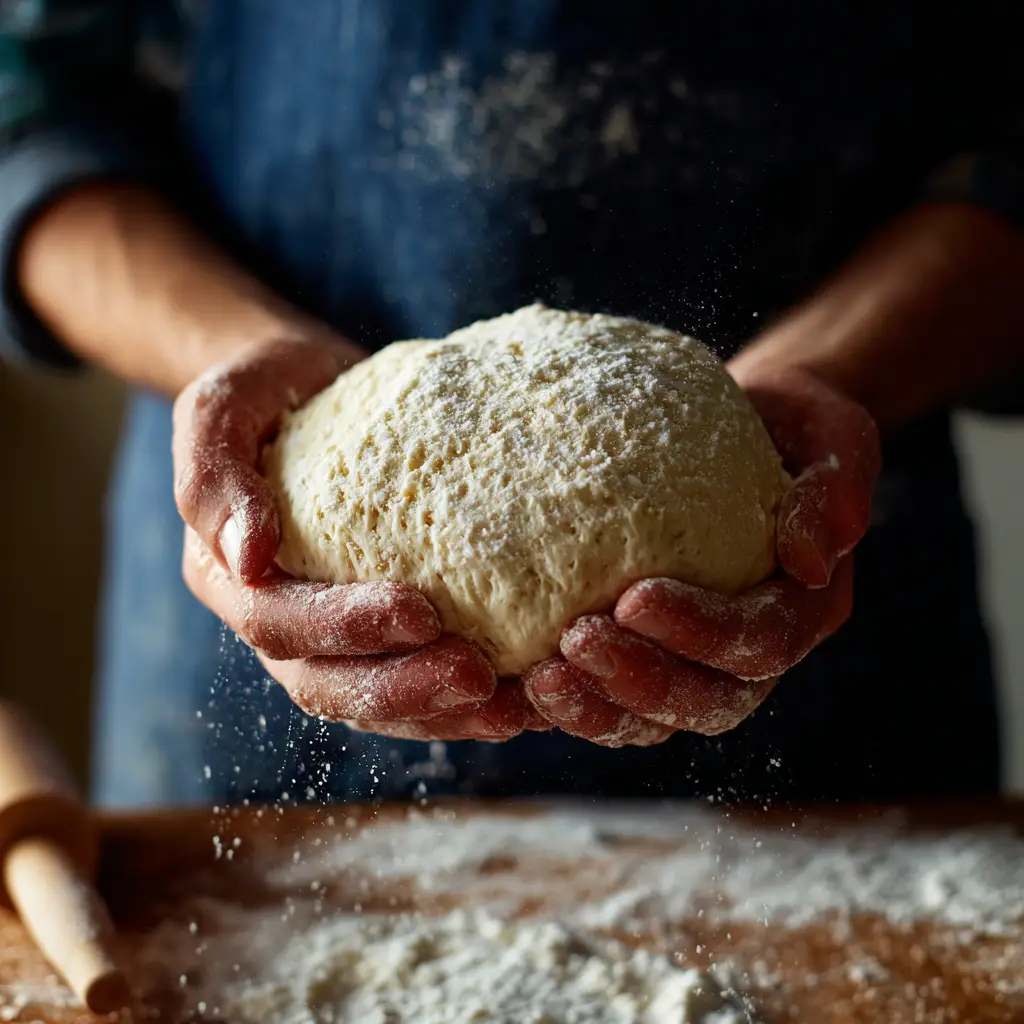
Transfer the rough dough to a lightly floured surface. Use the heel of your hands and fold push fold motion and turn the dough a quarter turn repeatedly. Knead for about ten minutes until the dough becomes smooth and elastic. If it feels sticky, dust a bit more flour. If too dry, wet fingertips and knead gently. - First rise
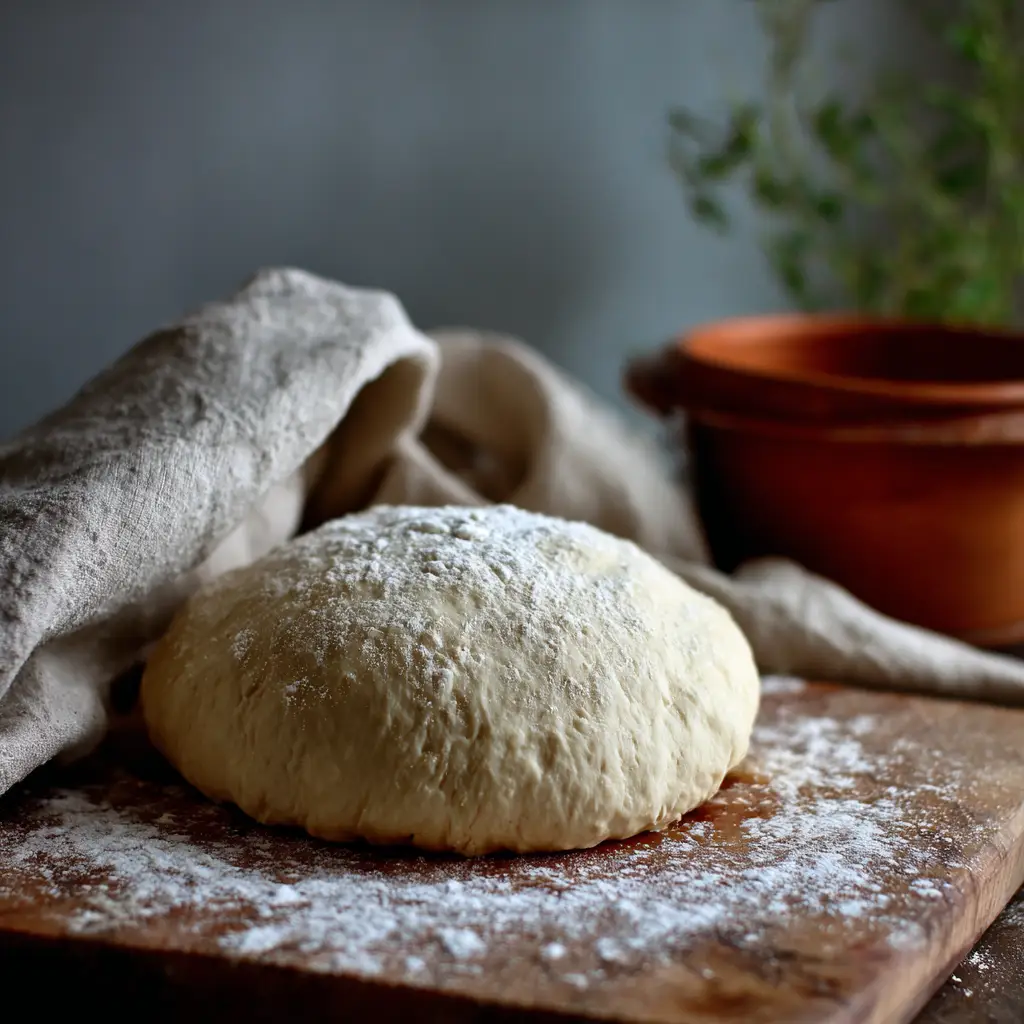
Shape the dough into a ball and place it in a lightly oiled bowl. Cover it loosely with plastic wrap or a clean cloth. Let the dough rest in a warm draft free area for about one to two hours or until it doubles in size.If you enjoyed this, you might also love Sourdough Pizza Crust_. - Punch and divide
Once the dough has doubled, gently punch it down to release excess gas. Transfer it back to the floured surface and divide into two equal portions or leave it whole for one large pizza. Shape each piece into a ball and let them rest for another ten minutes covered loosely. - Shape the crust
Take one dough ball and start flattening from the center outward with your fingers, leaving a thicker rim for the crust. Alternatively roll with a rolling pin to desired thickness. Try to maintain an even thickness across the base. Transfer it to a pizza peel or baking pan dusted with flour or semolina. - Pre bake (optional for extra crispness)
Preheat your oven at its highest temperature, ideally 250 °C to 260 °C. Bake the shaped crust for about five minutes before adding toppings. This helps prevent sogginess. - Top and final bake
Remove the parbaked crust carefully. Add sauce, cheese, vegetables, meats or herbs. Return to the oven and bake for an additional eight to twelve minutes until crust edges are golden and cheese is bubbling. - Cool and serve
Let the pizza sit for a minute or two after baking. Then slice and serve while hot - .
Tips for Customizing the Recipe
- Use strong bread flour instead of all purpose if you prefer more chew and structure.
- Substitute part of the water with milk for a richer softer crust.
- Add a tablespoon of herbs like oregano or basil into the dough for more aroma.
- Replace sugar with honey or agave for a subtle sweetness and flavor depth.
- For whole wheat or multigrain flavor, replace up to 25 percent of flour with whole wheat flour.
- Add garlic powder or onion powder lightly for savory notes.
- Use olive oil at the end of kneading rather than at start for a slightly different crumb.
- To age the dough, refrigerate the shaped dough in a sealed container for 24 hours. Cold fermentation improves flavor.
- For a thin crisp crust, roll the dough thinner and bake at the highest temperature your oven allows.
- For a thick fluffy crust, keep it slightly thicker and allow a longer final bake at a moderate temperature.
Nutritional Information
Here is an approximate nutritional breakdown for one medium pizza (half the dough, plus standard tomato sauce and moderate cheese):
| Nutrient | Amount per Serving |
|---|---|
| Calories | 1050 kcal (dough) + extras |
| Carbohydrates | ~210 grams |
| Protein | ~30 grams |
| Fat | ~12 grams from olive oil + cheese |
| Fiber | ~4 to 5 grams |
| Sodium | ~1200 mg (includes salt and cheese) |
Keep in mind that toppings and sauce will alter these numbers significantly. A lean vegetable pizza will be much lighter. A pizza loaded with meats and extra cheese may double the fat and calorie numbers.
Serving Suggestions
Serve your pizza while hot to preserve texture and aroma. Pair it with a light green salad dressed simply with lemon and olive oil. A side of roasted vegetables works well. For a beverage, sparkling water with lemon or a light fruit iced tea balance the richness. Optionally, offer chili flakes, fresh basil, or extra olive oil for guests to add on top. If you have leftovers, reheat in a skillet or oven rather than microwave to keep crust crisp.
You may also experiment with serving small personal pizzas rather than one large. That allows variety: one with vegetables, another with meats. You can invite guests to build their own pizza bar. Also serve little bowls of olive oil mixed with herbs for dipping crust edges.
Pizza Dough Recipe for Perfect Homemade Crust | Easy Step-by-Step Guide
Course: Blog2
servings15
minutes10
minutes1050
kcalIngredients
500 grams all-purpose flour (about 4 cups)
325 ml warm water (about 1⅓ cups, around 100°F or 38°C)
7 grams active dry yeast (1 standard packet)
2 tablespoons olive oil
1 teaspoon sugar
1½ teaspoons salt
Directions
- Activate the Yeast
- In a bowl, mix warm water and sugar. Sprinkle in the yeast and let it sit for 8–10 minutes until foamy.
- Mix the Dough
- In a large mixing bowl, combine flour and salt. Add the yeast mixture and olive oil. Stir until a shaggy dough forms.
- Knead the Dough
- Transfer the dough to a floured surface and knead for about 10 minutes until smooth and elastic.
- Let It Rise
- Shape into a ball and place in an oiled bowl. Cover and let rise for 1.5 to 2 hours, or until doubled in size.
Recipe Video
Notes
- For a crispier crust, parbake the dough for 5 minutes before adding toppings.
Dough can be refrigerated for up to 48 hours after the first rise.
Freeze extra dough balls in airtight bags for up to 3 months.
Frequently Asked Questions (FAQs)
Can I use instant yeast instead of active dry yeast?
Yes. If using instant yeast, you can mix it directly into the flour without proofing. Use slightly less—about 5 grams—and reduce the water a little if dough feels wet.
How long can I store the dough in the fridge?
You can refrigerate wrapped dough for up to 48 hours. After that flavor can decline. Bring it to room temperature before shaping.
Can I freeze pizza dough?
Yes. After the first rise divide into balls, wrap each tightly, and freeze. Thaw overnight in refrigerator before use and allow final rise at room temperature.
Why did my crust turn out tough?
Tough crust often results from over kneading or too little water. Be gentle. Also very high protein flour without enough water may make dough stiff.
Is it okay to bake pizza on a baking sheet instead of a stone?
Yes. A metal or cast iron baking sheet works fine. Preheat it in the oven, then slide the dough onto it so the bottom cooks well.
What temperature is ideal for baking?
The hotter the oven the better. Aim for 250 °C or above. Some home ovens reach 260 °C or more. The goal is fast bake to trap moisture and build crispness.
Conclusion
Your journey to mastering pizza dough is deeply rewarding. You now possess a recipe that balances simplicity with flexibility. You can mold it to your own taste by tweaking flour types, hydration, flavor additions, or fermentation time. The key lies in patience, gentle handling, and high heat when baking. A homemade crust made from your own hands carries a warmth that store bought dough seldom matches. Invite friends or family to share the process and enjoy the fruits of your labor together. May your kitchen fill with aroma, laughter, and slices of perfect pizza.