Casserole Recipes: Easy, Delicious, and Family-Friendly Meal Ideas
Introduction
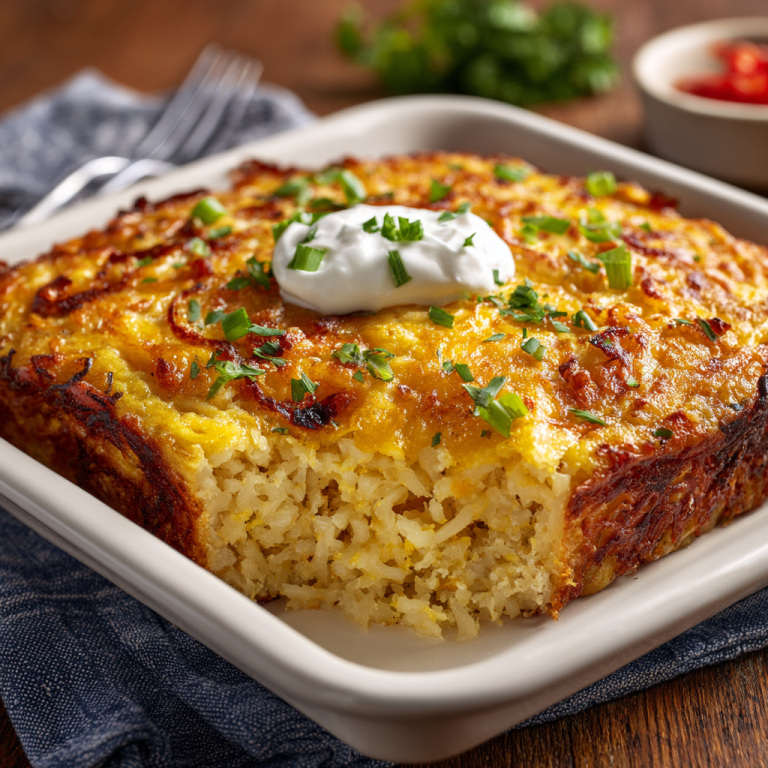
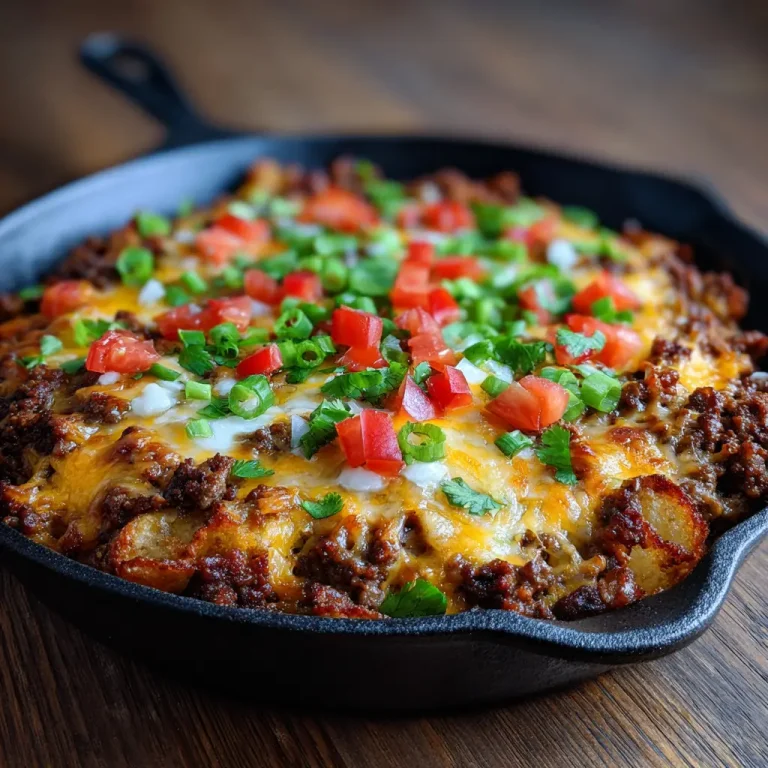
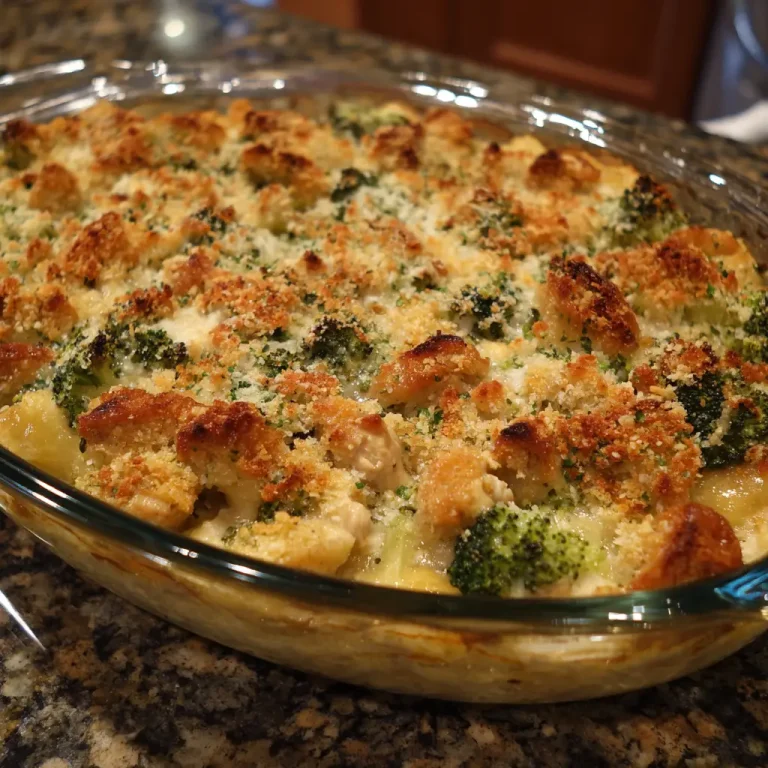
Comfort food often brings to mind hearty, warm meals that fill the kitchen with inviting aromas and satisfy even the deepest hunger. Casserole recipes have long been cherished as one of the most reliable ways to achieve that cozy feeling. These dishes combine a variety of ingredients baked together into one cohesive meal. Whether it is a family dinner, a potluck gathering, or a quick weeknight fix, casseroles deliver flavor, ease, and versatility all at once.
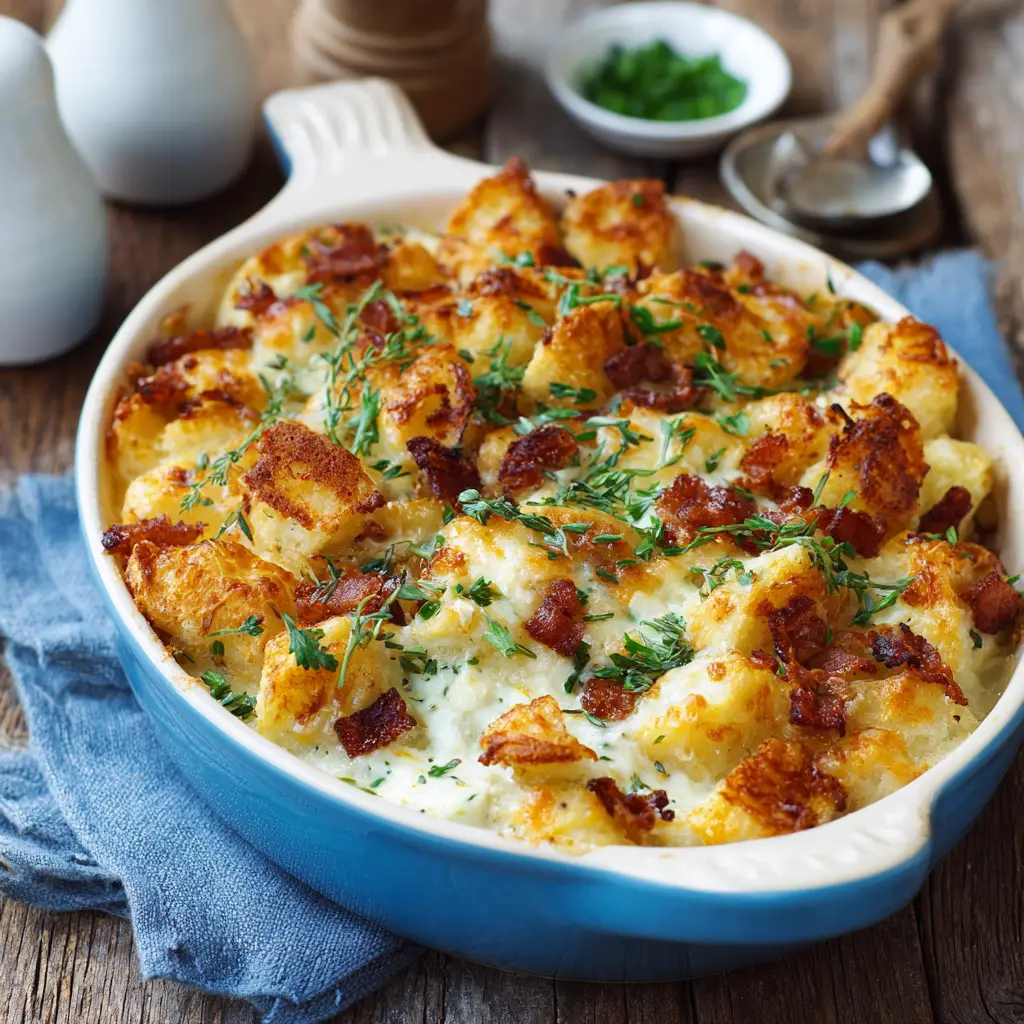
Many home cooks appreciate casseroles for their simplicity and the ability to customize based on what ingredients are on hand. From creamy chicken and rice casseroles to vegetable-packed bakes, the options are endless. The layering of ingredients allows flavors to meld beautifully during baking, creating a rich, comforting dish that is both satisfying and practical. Beyond taste, casseroles often offer balanced nutrition, making them a smart choice for busy households aiming to nourish loved ones without spending hours in the kitchen.
Ingredients Needed
Every casserole recipe can vary widely depending on the type and style. However, a basic casserole generally includes a protein, a starch, vegetables, a creamy or cheesy binder, and a crunchy topping. Below is a sample list of ingredients commonly used in classic casserole recipes, along with their approximate calorie counts per serving to help you manage your nutritional goals.
| Ingredient | Quantity | Approximate Calories per Serving |
|---|---|---|
| Cooked chicken breast | 1 cup (140g) | 230 |
| Cooked white rice | 1 cup (158g) | 205 |
| Cream of mushroom soup | 1 can (10.5 oz) | 120 |
| Shredded cheddar cheese | 1 cup (113g) | 455 |
| Frozen mixed vegetables | 1 cup (150g) | 100 |
| Bread crumbs | 1/2 cup (60g) | 220 |
| Butter | 2 tablespoons (28g) | 200 |
| Onion | 1 medium (110g) | 44 |
| Garlic | 2 cloves (6g) | 9 |
| Salt | To taste | 0 |
| Black pepper | To taste | 0 |
This combination provides a well-rounded base that balances protein, carbs, vegetables, and fats. Each ingredient plays a role in flavor and texture, creating a satisfying casserole experience.
Step-by-Step Cooking Instructions
Preparing a casserole may seem complicated, but the process breaks down into simple steps that anyone can follow. Here’s a detailed guide to making a classic chicken and rice casserole that is creamy, cheesy, and perfectly baked.
- Preheat the Oven
Start by setting your oven to 350 degrees Fahrenheit (175 degrees Celsius). This temperature ensures even cooking and a golden topping. - Prepare the Ingredients
If not already done, cook your chicken breast until no longer pink inside. You can boil, roast, or grill it, then shred or dice it into bite-sized pieces. Cook the white rice according to package instructions, aiming for fluffy grains that will absorb the creamy sauce. - Sauté Aromatics
In a large skillet, melt the butter over medium heat. Add chopped onions and minced garlic, cooking until soft and fragrant, about 3 to 5 minutes. This step builds a flavorful base for the casserole. - Mix the Base
In a large mixing bowl, combine the cooked chicken, cooked rice, sautéed onions and garlic, frozen mixed vegetables, and cream of mushroom soup. Stir well until all ingredients are evenly coated. - Add Cheese
Fold in about half of the shredded cheddar cheese into the mixture. The cheese will melt during baking, adding richness and binding the casserole. - Transfer to Baking Dish
Grease a 9×13-inch baking dish lightly with butter or nonstick spray. Pour the casserole mixture into the dish, spreading it evenly. - Top with Crunch
Sprinkle the remaining shredded cheddar cheese over the casserole, then evenly distribute bread crumbs on top. This creates a golden crust once baked.For more delicious ideas, don’t miss _ which pairs perfectly with this recipe. - Bake
Place the casserole in the preheated oven and bake uncovered for 30 to 40 minutes. The top should be bubbly and golden brown, and the internal temperature should reach 165 degrees Fahrenheit to ensure safety. - Rest and Serve
Remove from the oven and let the casserole sit for about 5 minutes. This resting time helps the dish settle, making it easier to cut and serve.
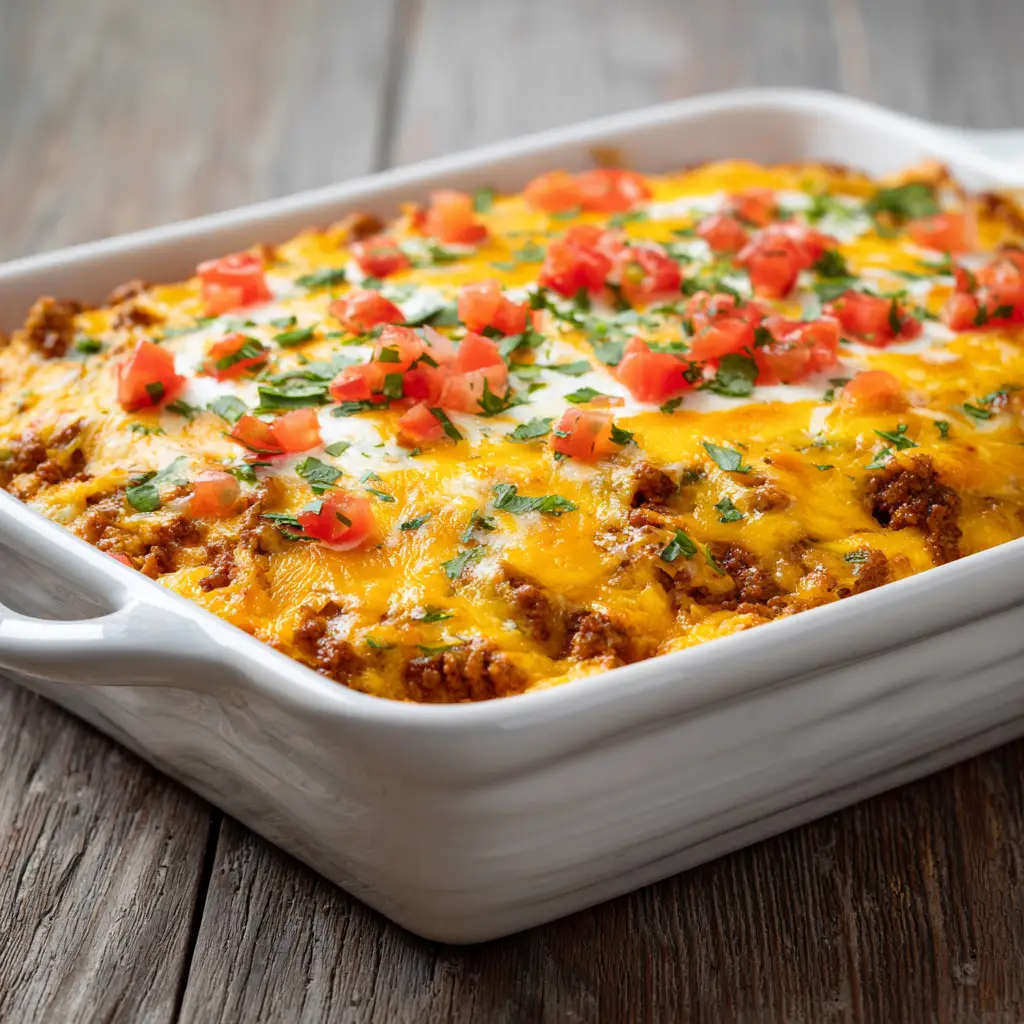
Tips for Customizing the Recipe
Casseroles are incredibly flexible, making them perfect for adapting to your tastes or pantry staples. Substituting ingredients is encouraged and can even add new flavors and textures to the dish.
- Protein Swaps: Replace chicken with turkey, ground beef, or even canned tuna. Vegetarian options include tofu, tempeh, or beans.
- Grain Alternatives: Try quinoa, brown rice, or even pasta for different textures and nutritional profiles.
- Creamy Base: Use cream of chicken or cream of celery soup, or substitute with homemade white sauce or Greek yogurt for a lighter touch.
- Vegetable Variations: Add mushrooms, bell peppers, zucchini, or spinach to boost vegetable content and color.
- Cheese Choices: Experiment with mozzarella, Monterey Jack, or Parmesan for different cheese flavors.
- Toppings: Swap bread crumbs for crushed crackers, fried onions, or nuts for added crunch.
Adjusting the seasoning with herbs like thyme, rosemary, or paprika can elevate the casserole further. Don’t hesitate to experiment and make the recipe your own.
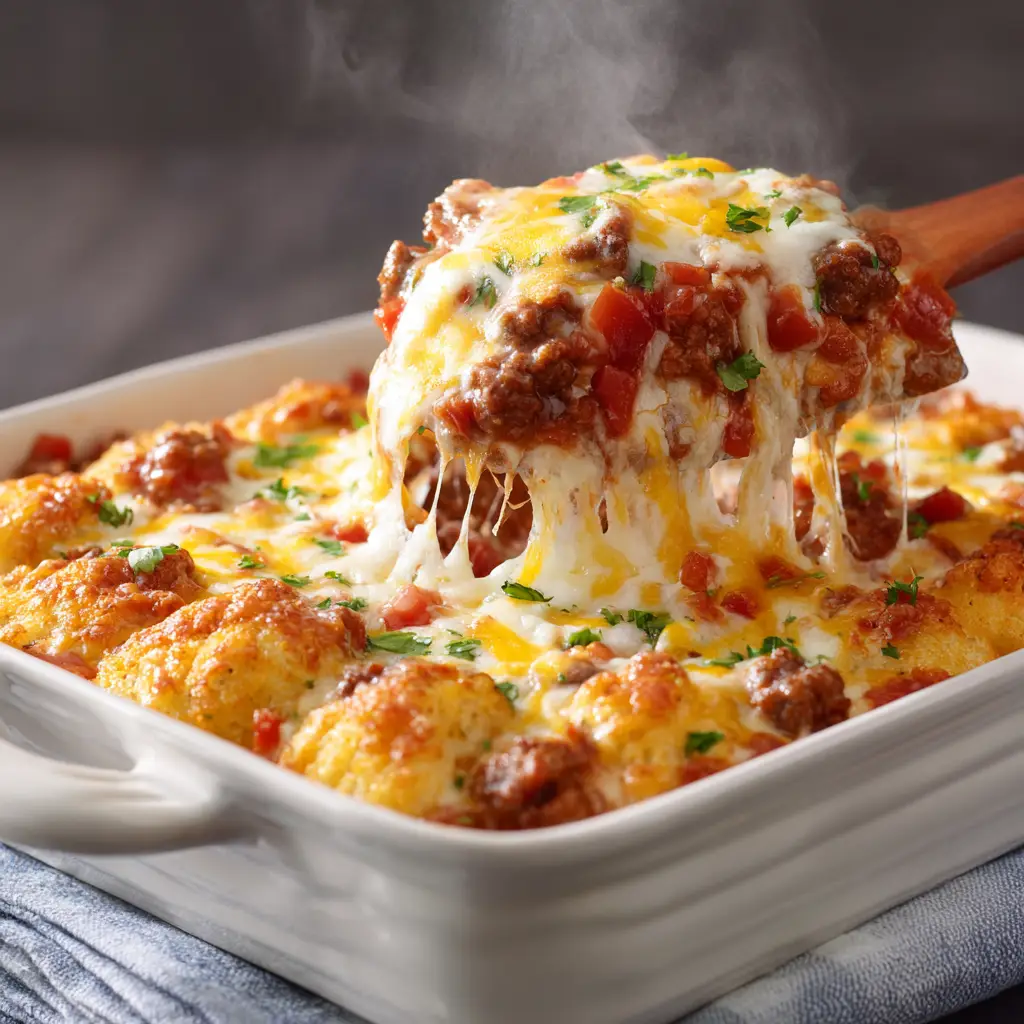
Nutritional Information
A typical serving of the chicken and rice casserole described above provides a balanced meal with an estimated 500 to 600 calories. Here’s a rough breakdown:
The dish offers a good mix of macronutrients, making it suitable for those looking to maintain energy levels and muscle repair. It also contains essential vitamins and minerals from vegetables and dairy. Adjust portions and ingredients as needed to match dietary goals.
Serving Suggestions
Casseroles pair beautifully with simple sides and fresh elements that complement their richness.
- Green Salad: A crisp mixed greens salad with a light vinaigrette balances the heaviness.
- Steamed Vegetables: Broccoli, green beans, or asparagus add freshness and crunch.
- Bread Rolls: Soft dinner rolls or garlic bread provide additional comfort and soak up any sauce left on the plate.
- Pickles or Relish: Tangy pickled vegetables contrast well with creamy casseroles.
- Fruit: Fresh fruit or a light fruit salad offers a sweet finish that is refreshing.
These accompaniments can make your casserole meal feel complete and satisfying without overpowering the main dish.

Casserole Recipes: Easy, Delicious, and Family-Friendly Meal Ideas
Course: Blog6
servings15
minutes40
minutes550
kcalIngredients
1 cup cooked chicken breast, shredded (140g)
1 cup cooked white rice (158g)
1 can (10.5 oz) cream of mushroom soup
1 cup frozen mixed vegetables (150g)
1 cup shredded cheddar cheese (113g), divided
½ cup bread crumbs (60g)
2 tablespoons butter
1 medium onion, chopped
Directions
- Preheat the oven to 350°F (175°C).
- In a skillet, melt butter over medium heat. Sauté onion and garlic until soft, about 3 to 5 minutes.
- In a large bowl, combine shredded chicken, cooked rice, sautéed onion and garlic, mixed vegetables, and cream of mushroom soup. Mix well.
- Fold in half of the shredded cheddar cheese.
- Grease a 9×13-inch baking dish. Pour the mixture evenly into the dish.
Recipe Video
Notes
- For a lighter version, use low-fat cheese and a reduced-sodium soup. You can swap chicken with turkey or tofu for a different protein option. Add your favorite vegetables or herbs to customize the flavor. Cover the casserole with foil during baking if you prefer a moister texture.
Frequently Asked Questions (FAQs)
What makes a casserole different from a stew?
Casseroles are baked dishes that combine several ingredients layered or mixed together, usually finished with a topping like cheese or bread crumbs. Stews are cooked slowly on the stove or in a slow cooker with more liquid and a soupy consistency.
Can casseroles be made ahead of time?
Yes, casseroles are perfect for prepping in advance. Assemble the dish, cover tightly, and refrigerate for up to 24 hours before baking. Some casseroles can also be frozen for longer storage.
How do I prevent a casserole from drying out?
Make sure to include enough creamy or moist ingredients such as soup, sauce, or broth. Covering the casserole with foil during the first half of baking also helps retain moisture.
Can I make casseroles gluten-free?
Absolutely. Use gluten-free bread crumbs or crushed gluten-free crackers, and check soup ingredients for gluten content.
How can I make casseroles healthier?
Reduce cheese quantities, use low-fat dairy, increase vegetable content, and opt for whole grains like brown rice or quinoa.
Conclusion
Casseroles embody the spirit of home cooking. They bring comfort, nourishment, and convenience together in one dish. The ability to customize casseroles makes them accessible and enjoyable for every palate and lifestyle. Whether preparing a quick weeknight dinner or feeding a crowd, these recipes invite creativity and warmth into the kitchen. Baking a casserole is more than just making a meal; it is creating a moment of shared satisfaction and love around the table. Embracing casserole recipes can turn ordinary ingredients into something memorable and comforting every single time.