Scrambled Eggs Recipe: How to Make Perfect, Fluffy Scrambled Eggs Every Time
Introduction
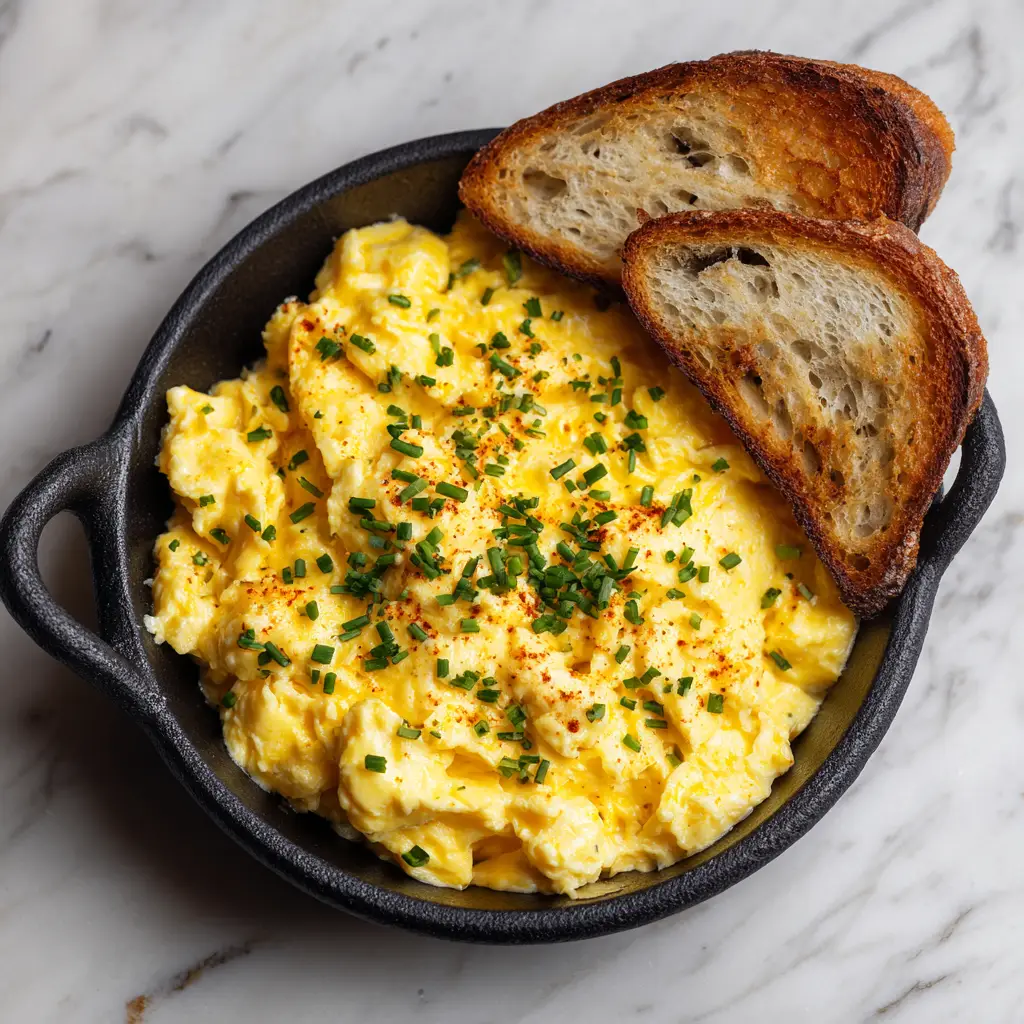
Scrambled eggs hold a beloved place in kitchens around the world. Whether you’re rushing through a weekday morning or enjoying a lazy Sunday brunch, few dishes are as comforting, versatile, and satisfying. The beauty of scrambled eggs lies in their simplicity. With just a few ingredients and a little technique, anyone can create a fluffy, flavorful plate of eggs that feels like a gourmet treat.
Unlike many breakfast staples that require fancy equipment or hours of preparation, scrambled eggs come together in just minutes. They offer a warm, protein-packed start to the day and can easily be dressed up with vegetables, herbs, cheeses, or meats. From classic soft curds to a firmer, more textured finish, the style of scrambled eggs can be adjusted to match personal preferences.
Scrambled eggs are also incredibly adaptable for various diets and lifestyles. Whether you’re following keto, low-carb, vegetarian, or simply trying to eat clean, eggs are an ideal base. You can go minimal or get creative. With the right approach and ingredients, even the most basic version can taste extraordinary.
Let’s break down everything you need to know—from the best ingredients to expert cooking techniques and delicious ways to serve them.
Ingredients Needed
Before you start cooking, gather your ingredients. High-quality eggs and butter are the foundation of this dish. Optional add-ins such as milk, cheese, or herbs can add extra flavor and texture.
| Ingredient | Quantity (for 2 servings) | Calories |
|---|---|---|
| Large eggs | 4 | 280 |
| Whole milk | 2 tablespoons | 18 |
| Unsalted butter | 1 tablespoon | 100 |
| Salt | To taste | 0 |
| Black pepper | To taste | 0 |
| Optional cheese | ¼ cup shredded cheddar | 110 |
| Chopped chives | 1 tablespoon | 1 |
These calorie values are approximate and can vary slightly depending on brand and measurement.
Step-by-Step Cooking Instructions
Getting scrambled eggs just right isn’t complicated, but small details make a big difference. Follow these steps for creamy, fluffy results every time.
- Crack the eggs into a bowl
Use a medium mixing bowl and break the eggs in carefully. Check for any shell fragments and remove them before whisking. - Whisk thoroughly
Beat the eggs using a fork or whisk until the whites and yolks are fully combined. The mixture should look uniform with no streaks. This adds air, which leads to fluffier eggs. - Add milk and seasonings
Stir in the milk along with a pinch of salt and pepper. Milk helps soften the texture and make the eggs creamier. You can skip the milk if you prefer a firmer result.To try another comforting dish, see Simple Blender Hummus - Heat the pan
Place a nonstick skillet over low to medium-low heat. Add butter and allow it to melt slowly without browning. - Pour the eggs into the pan
Once the butter is fully melted and slightly foamy, pour in the egg mixture. Let it sit for a few seconds until the edges begin to set. - Stir gently and continuously
Using a silicone spatula, stir the eggs slowly from the edges toward the center. The goal is to create small, soft curds. - Adjust heat if needed
If the eggs are cooking too fast or sticking to the pan, reduce the heat. Low and slow ensures a tender texture. - Remove from heat slightly underdone
Eggs will continue to cook from residual heat. Remove them when they look slightly softer than your desired doneness. - Add cheese or herbs
Stir in cheese or chopped herbs right before serving. The residual warmth will melt the cheese without overcooking the eggs. - Serve immediately
Scrambled eggs are best enjoyed hot and fresh off the stove.
Tips for Customizing the Recipe
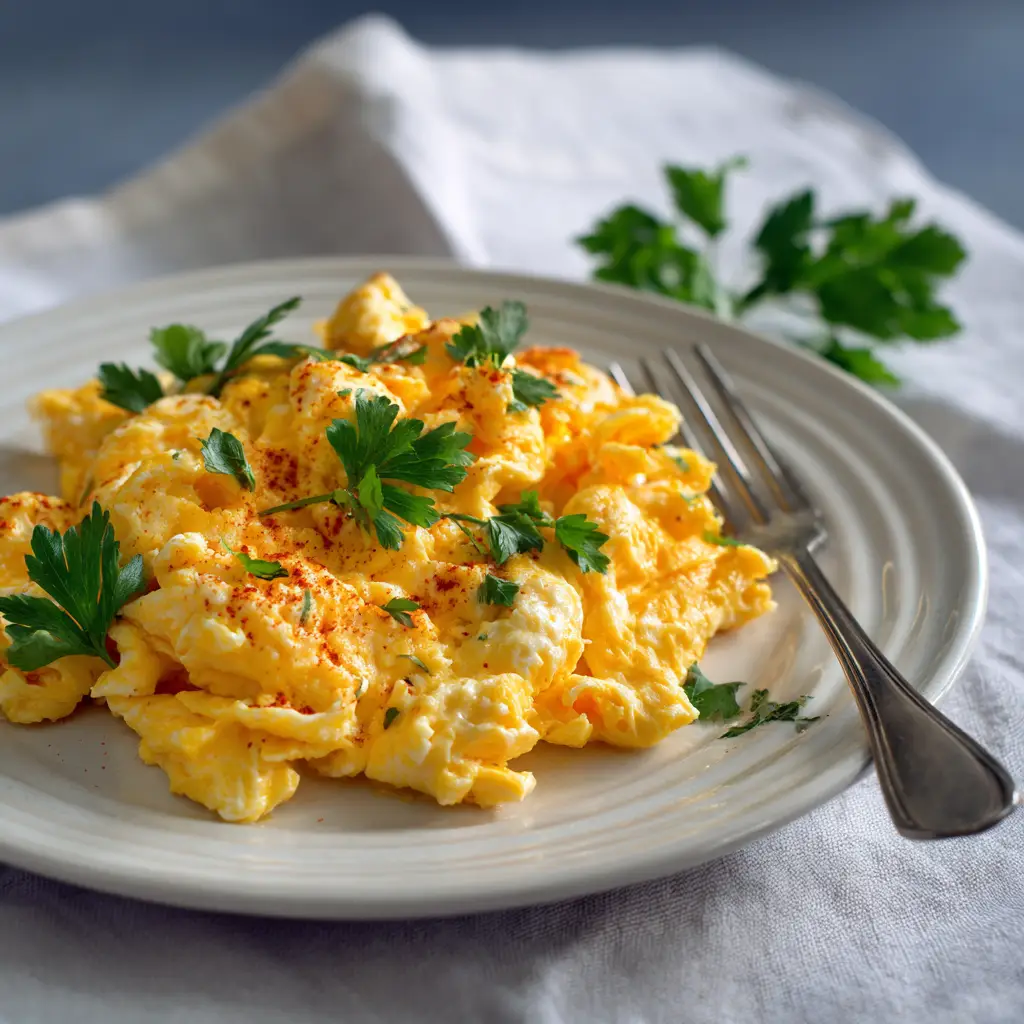
Scrambled eggs are incredibly versatile. You can personalize them with countless add-ins depending on your mood, diet, or pantry contents.
- For a creamy texture, add a tablespoon of cream cheese or sour cream while cooking
- For extra protein, toss in cooked bacon bits, diced ham, or smoked salmon
- Add vegetables like sautéed spinach, mushrooms, bell peppers, or tomatoes for added nutrients and flavor
- Spice it up with a pinch of chili flakes, hot sauce, or even curry powder for a unique twist
- Use plant-based milk and vegan butter for a dairy-free option
- Top with fresh herbs like parsley, basil, or chives to brighten the flavor
Play with combinations until you find your personal favorite.
Nutritional Information
Scrambled eggs are a powerhouse of nutrition. Here’s a basic breakdown for a two-egg serving prepared with butter and milk, without cheese or toppings.
Adding cheese, meats, or vegetables will naturally alter these numbers, so adjust according to your meal plan.
Serving Suggestions
Scrambled eggs shine as a standalone dish but pair beautifully with a variety of sides. Here are some ideas to elevate your breakfast or brunch:
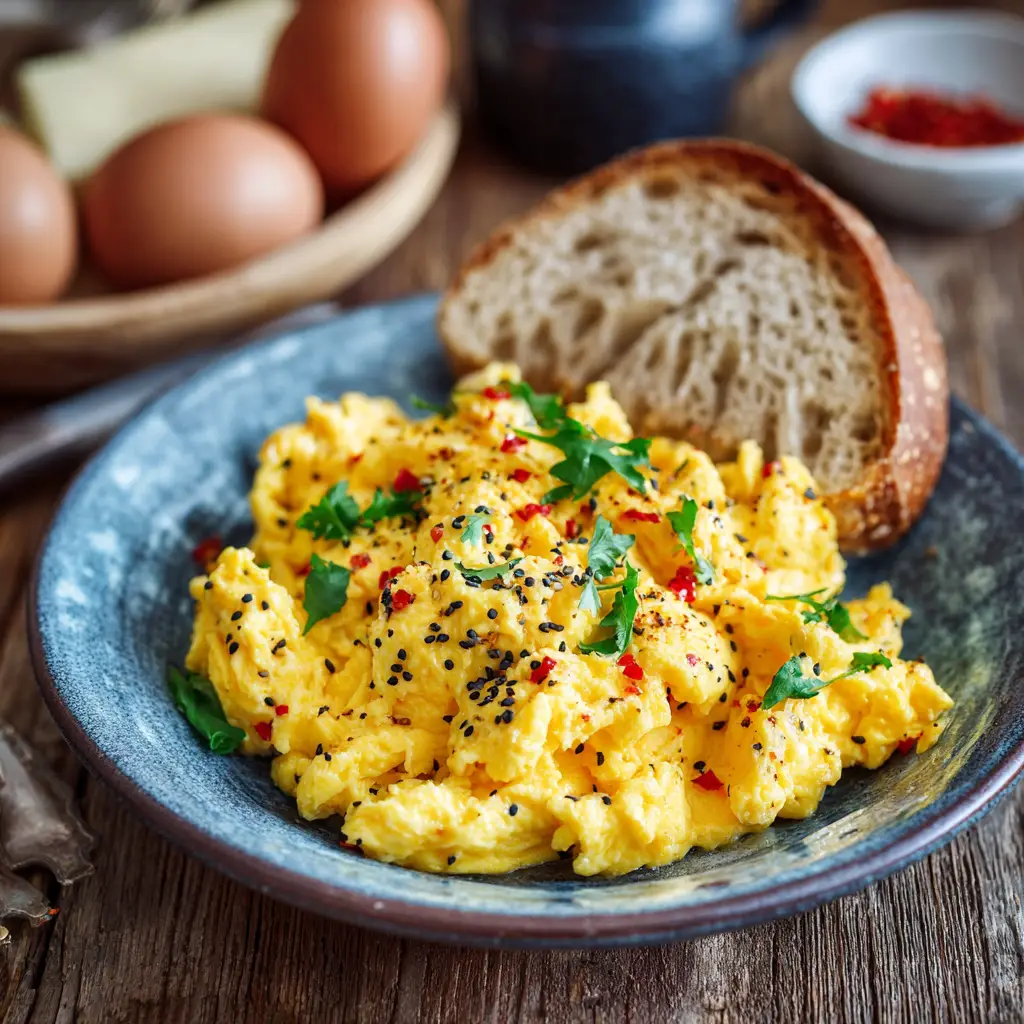
- Serve over toasted sourdough or multigrain bread
- Wrap in a warm tortilla with avocado and salsa for a breakfast burrito
- Add a side of roasted potatoes or hash browns for a hearty meal
- Combine with sautéed kale or spinach for a nutrient-rich plate
- Enjoy with smoked salmon and cream cheese on a bagel
- Include as part of a breakfast bowl with quinoa or rice, avocado, and beans
No matter how you serve them, scrambled eggs always bring warmth and comfort to the table.
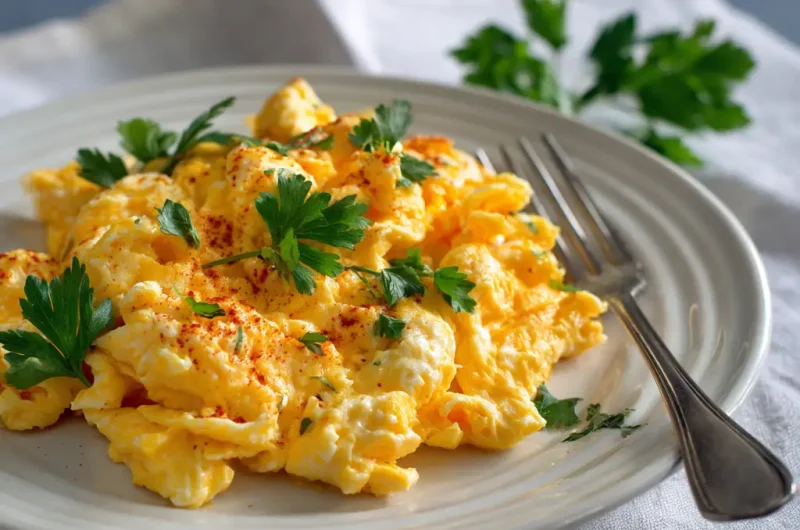
Scrambled Eggs Recipe: How to Make Perfect, Fluffy Scrambled Eggs Every Time
Course: Blog2
servings5
minutes5
minutes200–250 kcal
kcalIngredients
4 large eggs
2 tablespoons whole milk (optional)
1 tablespoon unsalted butter
Salt to taste
Black pepper to taste
¼ cup shredded cheddar cheese (optional)
1 tablespoon chopped chives (optional for garnish)
Directions
- Crack the eggs into a medium bowl.
- Whisk thoroughly until the yolks and whites are fully combined.
- Add milk, salt, and pepper. Mix well.
- Heat a nonstick skillet over low to medium-low heat.
- Melt the butter in the pan until it becomes slightly foamy.
- Pour in the egg mixture and let it sit for a few seconds until edges start to set.
Recipe Video
Notes
- For richer eggs, use a splash of cream instead of milk.
Stirring gently and continuously over low heat gives the best soft texture.
Avoid overcooking; scrambled eggs can turn rubbery quickly if left on heat too long.
Frequently Asked Questions
Can I make scrambled eggs without milk?
Absolutely. Milk is optional. If you prefer firmer eggs, skip the milk altogether. The eggs will still be flavorful.
How do I prevent my scrambled eggs from turning rubbery?
Cook them on low heat and stir gently. Overcooking or using high heat causes eggs to become tough and dry.
Are scrambled eggs healthy for weight loss?
Yes, in moderation. Eggs are rich in protein and healthy fats, which help with satiety. Use minimal butter or oil and skip high-calorie toppings to keep them light.
What’s the best pan to use for scrambled eggs?
A nonstick skillet is ideal. It helps prevent sticking and allows for gentle stirring, which keeps the curds soft and fluffy.
Can I refrigerate leftover scrambled eggs?
Yes, but they are best fresh. If needed, store them in an airtight container for up to two days and reheat gently on the stove or in a microwave.
Conclusion
Few dishes offer the comfort, versatility, and nutrition that scrambled eggs do. Whether you’re cooking for yourself or a group, they come together quickly and leave room for endless creativity. With simple ingredients and a little attention to technique, you can turn ordinary eggs into a memorable meal. Try different combinations, experiment with flavors, and make it your own. Cooking scrambled eggs may seem basic, but mastering it opens the door to a better breakfast every time.