Japanese Milk Bread Recipe | Soft, Fluffy, and Easy to Make at Home
Introduction
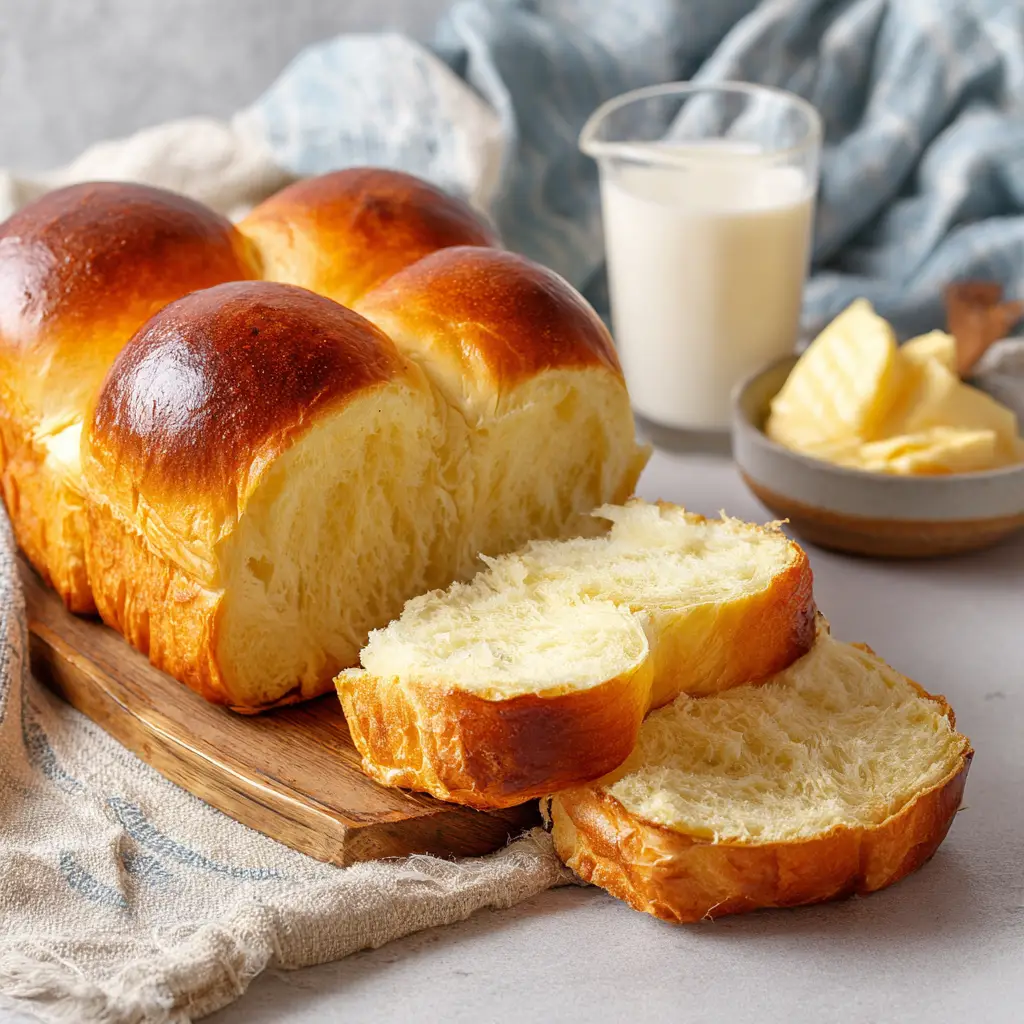
Soft, pillowy, and slightly sweet, Japanese milk bread has a texture that’s hard to resist. It stands apart from other bread varieties due to its signature fluffy interior and beautifully golden crust. Unlike standard loaves, milk bread uses a unique starter called tangzhong, which involves cooking a small portion of the flour and liquid into a thick slurry before incorporating it into the dough. This simple step changes everything. It gives the bread an almost cloud-like softness while helping it stay fresh for days longer than your average loaf.
Walk into any Japanese bakery and the comforting aroma of freshly baked milk bread fills the air. It’s more than just bread; it’s a nostalgic staple across households in Japan and, increasingly, around the globe. Popular in sweet and savory dishes, it adapts beautifully whether you’re making sandwiches, toast, or even bread pudding.
For those looking to try baking something unique at home, this recipe is a fantastic entry into the world of Japanese baking. It does not require complex equipment or advanced baking skills. With a little time and care, you can recreate that authentic Japanese bakery experience right in your kitchen.
What makes this recipe so appealing to home bakers is its forgiving nature. The dough is soft and easy to work with. The final result feels impressive yet comforting, perfect for both beginner and seasoned bakers.
Ingredients Needed
Below is a table listing all the ingredients needed to make Japanese milk bread, along with their approximate calorie counts per serving size used.
| Ingredient | Quantity | Calories |
|---|---|---|
| Bread flour | 3 cups (375g) | 1365 |
| Whole milk | 1 cup (240ml) | 150 |
| Heavy cream | 2 tbsp (30ml) | 120 |
| Granulated sugar | 3 tbsp (38g) | 150 |
| Salt | 1 tsp | 0 |
| Active dry yeast | 2 ¼ tsp (7g) | 21 |
| Unsalted butter | 4 tbsp (57g) | 400 |
| Water | ½ cup (120ml) | 0 |
| Egg | 1 large | 70 |
Total Estimated Calories (whole loaf): Approximately 2276
Per slice (assuming 12 slices): Around 190 calories
Note: These values are estimates and may vary slightly based on brands used and exact measurements.
Step-by-Step Cooking Instructions
Step 1: Prepare the Tangzhong
Start by making the tangzhong. In a small saucepan, whisk together 3 tablespoons of bread flour with ½ cup water and ¼ cup of milk. Cook over medium heat while stirring constantly. The mixture will thicken into a paste after a couple of minutes. Once it reaches the consistency of mashed potatoes, remove from heat and let it cool.
Step 2: Activate the Yeast
In a small bowl, warm the remaining milk (make sure it’s lukewarm, not hot) and sprinkle in the yeast along with a teaspoon of sugar. Let it sit for 5 to 10 minutes until frothy. This indicates the yeast is active and ready to use.
Step 3: Mix the Dough
In a large mixing bowl or the bowl of a stand mixer, combine the bread flour, remaining sugar, and salt. Add the cooled tangzhong, yeast mixture, heavy cream, and egg. Mix until a rough dough forms. Using a dough hook or your hands, knead the dough for about 8 to 10 minutes until it becomes smooth and elastic.
Step 4: Add the Butter
Once the dough is well-kneaded, gradually add the softened butter, one tablespoon at a time. Continue kneading until all the butter is fully incorporated and the dough is glossy and stretchy.
Step 5: First Rise
Place the dough into a greased bowl, cover it with a damp cloth or plastic wrap, and let it rise in a warm spot for 1 to 1.5 hours, or until it has doubled in size.
Step 6: Shape the Dough
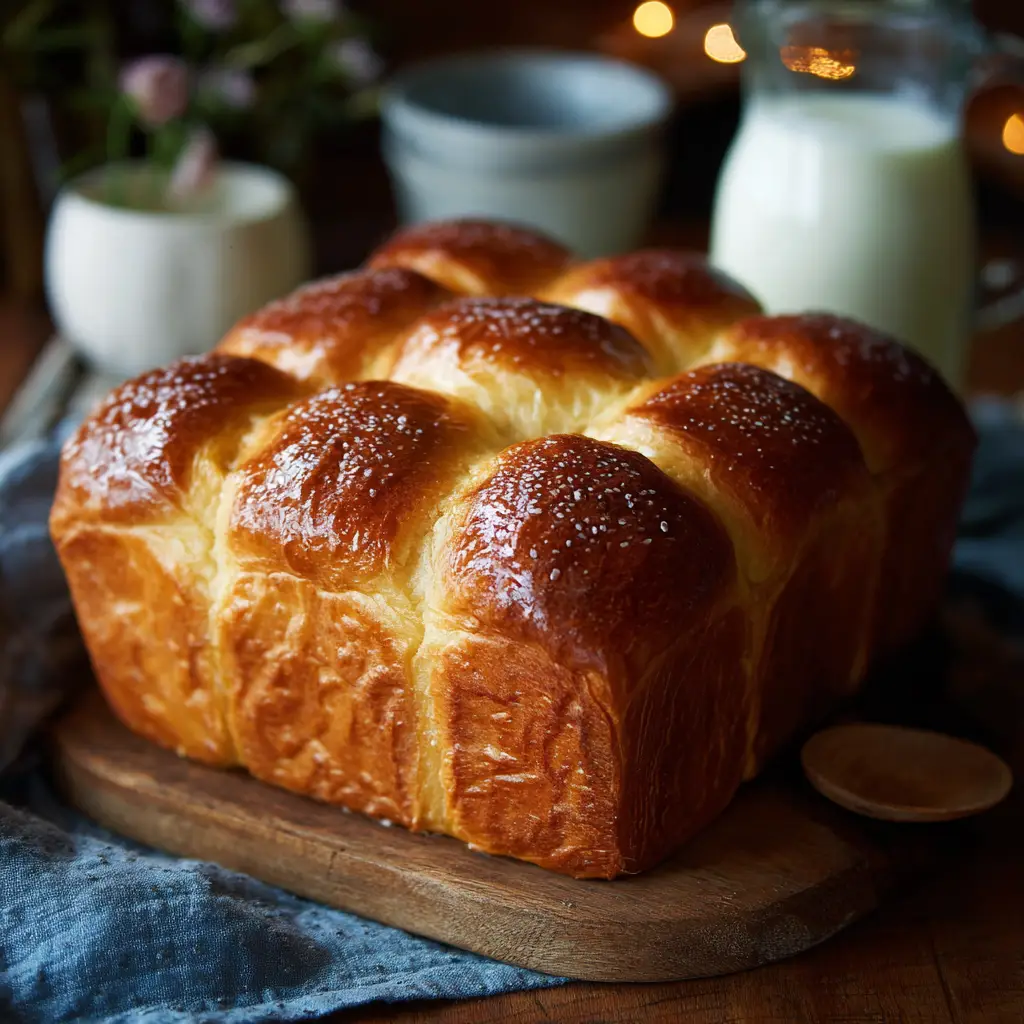
Punch down the risen dough and turn it out onto a lightly floured surface. Divide the dough into three equal parts. Roll each piece into a ball, then flatten each ball into an oval. Roll the oval into a log, tucking the seam underneath. Place the three logs side by side in a greased loaf pan.
Step 7: Second Rise
Cover the loaf pan loosely and let the dough rise for another 45 minutes to an hour. The dough should rise about an inch above the rim of the pan.Looking for something similar? Check out Low Carb Bread_
Step 8: Bake
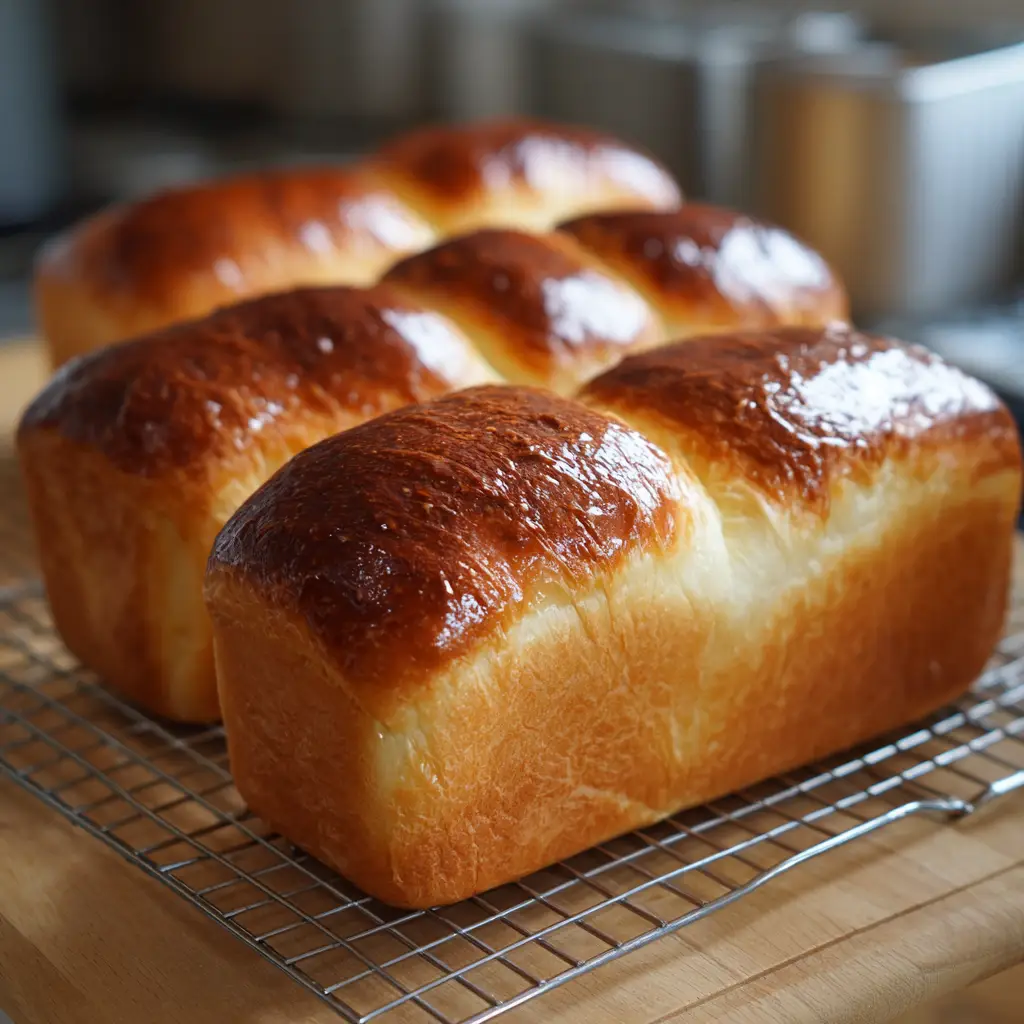
Preheat your oven to 350°F (175°C). Brush the top of the loaf with a little beaten egg or milk for a golden crust. Bake for 25 to 30 minutes, or until the top is deeply golden and the loaf sounds hollow when tapped.
Step 9: Cool
Remove the loaf from the pan and let it cool completely on a wire rack before slicing.
Tips for Customizing the Recipe
- Add fillings: Sweet red bean paste, chocolate chips, or cinnamon sugar can be rolled into the dough for a dessert-style loaf.
- Use whole wheat flour: For a healthier twist, substitute up to one-third of the bread flour with whole wheat flour.
- Make rolls instead: Instead of forming a loaf, divide the dough into 12 pieces and place them in a round pan for milk bread rolls.
- Flavor the tangzhong: Add a pinch of cardamom or vanilla to the tangzhong for an extra aromatic touch.
- Vegan version: Use plant-based milk, vegan butter, and egg substitutes like flaxseed meal to adapt the recipe.
Nutritional Information
Here’s a basic nutritional breakdown per slice, based on a 12-slice loaf:
- Calories: 190
- Carbohydrates: 26g
- Protein: 4g
- Fat: 7g
- Sugar: 4g
- Fiber: 1g
- Cholesterol: 25mg
- Sodium: 160mg
Milk bread is not necessarily low in calories, but it provides a comforting balance of carbs and fats. It’s filling, and its natural sweetness means you often don’t need additional spreads.
Serving Suggestions
- Breakfast toast: Slice thick and toast lightly. Serve with butter and jam for a classic morning treat.
- French toast: Its fluffy texture absorbs custard beautifully, making it ideal for French toast.
- Sandwiches: Use it as the base for egg salad or fruit sandwiches for a Japanese-inspired lunch.
- Bread pudding: Day-old milk bread makes an excellent base for pudding.
- Snack: Simply enjoy it plain. Its subtle flavor doesn’t need much else.
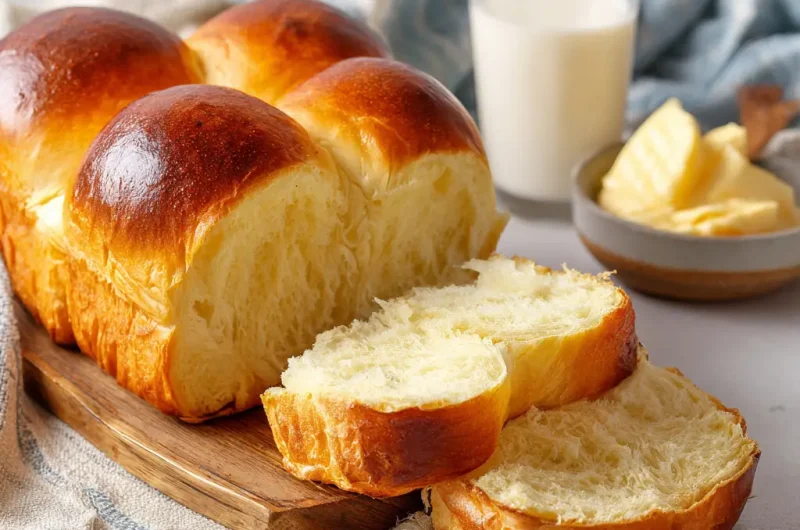
Japanese Milk Bread Recipe | Soft, Fluffy, and Easy to Make at Home
Course: Blog12
servings25
minutes30
minutes~190 kcal
kcalIngredients
For the Tangzhong (starter):
3 tbsp bread flour
½ cup water
¼ cup whole milk
For the Dough:
3 cups bread flour (375g)
¾ cup whole milk (lukewarm)
2 tbsp heavy cream
3 tbsp sugar
1 tsp salt
Directions
- Make the Tangzhong
- In a small saucepan, mix the 3 tbsp of flour with water and milk. Cook over medium heat, stirring constantly, until it forms a thick paste. Remove from heat and let it cool to room temperature.
- Activate the Yeast
- In a small bowl, add the yeast to the warm milk (make sure it’s not hot). Stir in 1 tsp of sugar. Let it sit for 5–10 minutes until it becomes foamy.
- Mix the Dough
- In a large mixing bowl or stand mixer, combine bread flour, sugar, and salt. Add the tangzhong, yeast mixture, heavy cream, and egg. Mix until a rough dough forms.
- Knead the Dough
- Knead for 8–10 minutes until the dough becomes smooth and elastic. Add the softened butter gradually and continue kneading until fully incorporated and glossy.
Recipe Video
Notes
- Tangzhong makes the bread soft and fluffy — don’t skip this step.
For even softer bread, replace half of the milk with cream.
You can use the same dough to make dinner rolls or mini buns.
FAQs About Japanese Milk Bread
What makes Japanese milk bread so soft?
The secret lies in the tangzhong method, which locks in moisture and prevents the bread from drying out.
Can I make this bread without a stand mixer?
Yes, absolutely. Hand-kneading will take a bit more time but works just as well.
Is Japanese milk bread sweet or savory?
It leans slightly sweet but is neutral enough to pair with both sweet and savory fillings.
How long does it stay fresh?
Stored properly in an airtight container, it stays soft for up to five days at room temperature.
Can I freeze it?
Yes, it freezes well. Slice before freezing to make thawing easier.
Why is it called “milk bread”?
The name comes from the inclusion of milk and sometimes cream in the dough, which enriches the texture and flavor.
Conclusion
Japanese milk bread delivers comfort in every bite. Baking it at home gives you more than just a beautiful loaf. It offers the joy of learning a traditional technique that yields delicious results. Whether you keep it simple or customize it with your favorite flavors, this bread never disappoints. Give it a try, and you might just find yourself making it again and again.