Cottage Cheese Recipe: Easy Homemade Cottage Cheese in Simple Steps
Introduction
Cottage cheese holds a special place in kitchens around the world. Its creamy texture and mild flavor make it a versatile ingredient that can be enjoyed in countless ways. Whether used as a standalone snack, a filling for dishes, or an addition to salads and desserts, cottage cheese offers a healthy and satisfying option. Making cottage cheese at home brings a rewarding experience. It is fresher and free from unnecessary additives compared to many store-bought versions. Plus, crafting it yourself allows full control over ingredients and taste. Understanding the simple process to prepare cottage cheese opens doors to endless culinary creativity and nutritious meals. It also gives a deep appreciation for this humble dairy product that has been a staple in many cultures for generations.
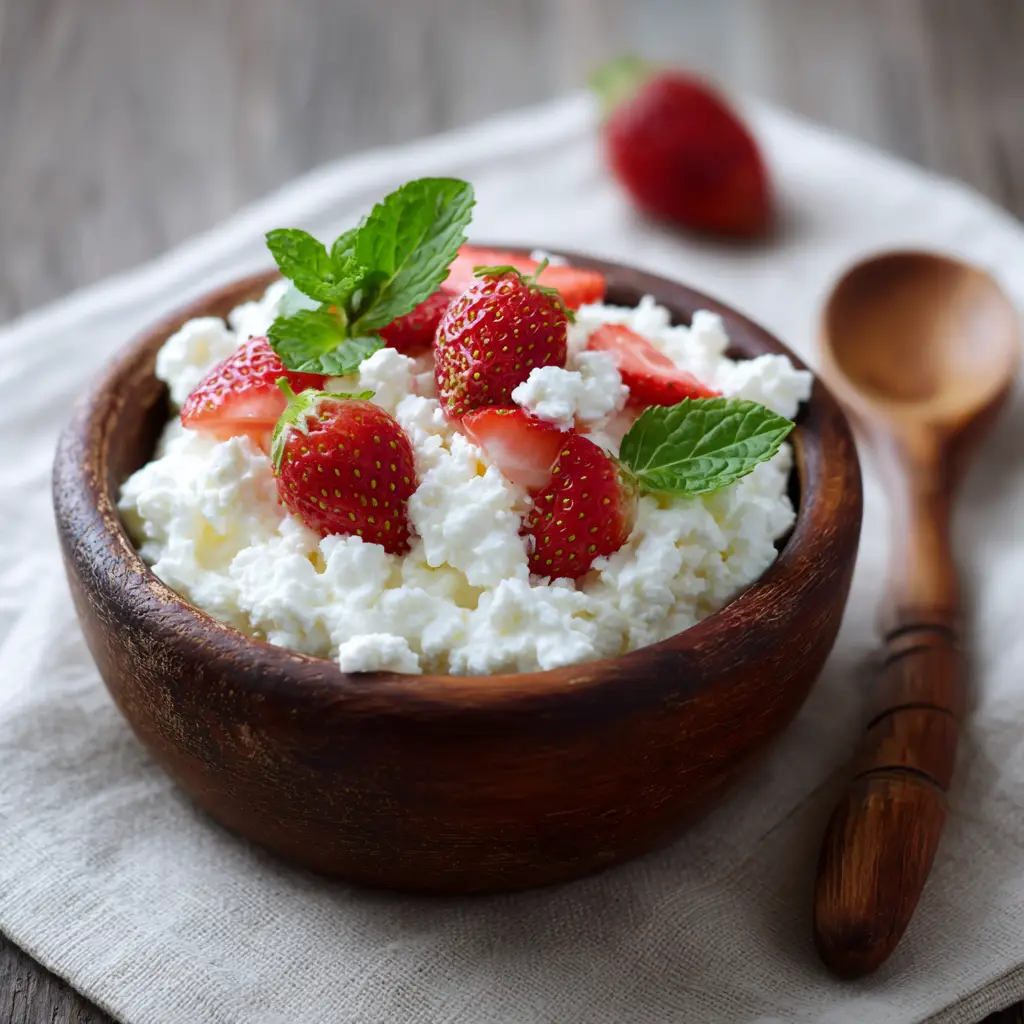
Ingredients Needed
Below is a table listing the essential ingredients for making homemade cottage cheese along with their calorie counts:
| Ingredient | Quantity | Calories (approx.) |
|---|---|---|
| Whole milk | 1 gallon (3.8 L) | 2,400 |
| White vinegar | 1/4 cup (60 ml) | 0 |
| Salt | 1 teaspoon | 0 |
| Optional cream | 1/2 cup (120 ml) | 400 |
These ingredients are simple and easy to find in most kitchens. Whole milk serves as the base, while vinegar helps curdle the milk to form curds. Salt enhances flavor, and optional cream can be added later for a richer texture.
Step-by-Step Cooking Instructions
Making cottage cheese from scratch involves a few straightforward steps. Follow this guide to create fresh, delicious cottage cheese at home:
- Heat the Milk
Pour the whole milk into a large pot and heat it over medium heat. Stir occasionally to prevent scorching. Heat the milk until it reaches about 120 degrees Fahrenheit (49 degrees Celsius). It should be warm but not boiling. - Add Vinegar and Stir
Once the milk is at the right temperature, slowly add the white vinegar while stirring gently. The acid in the vinegar causes the milk to curdle, separating into curds (solid) and whey (liquid). Let it sit for 5 to 10 minutes, allowing curds to fully form. - Cut the Curds
Using a long knife or spatula, cut the curds into small pieces. This helps release more whey and leads to firmer curds. - Cook the Curds
Return the pot to low heat and gently cook the curds for about 15 minutes. Stir occasionally to prevent clumping. The curds will firm up during this time. - Drain the Whey
Pour the curds and whey through a cheesecloth-lined colander or fine strainer. Allow the whey to drain completely. For drier cottage cheese, let it drain longer. - Rinse the Curds
Rinse the curds under cold water to remove excess vinegar and cool them down. - Season and Add Cream
Transfer the curds to a bowl. Stir in salt to taste. If you want creamier cottage cheese, fold in the optional cream.” - Refrigerate and Serve
Cover and refrigerate the cottage cheese for a few hours to chill before serving. This resting time allows flavors to meld.
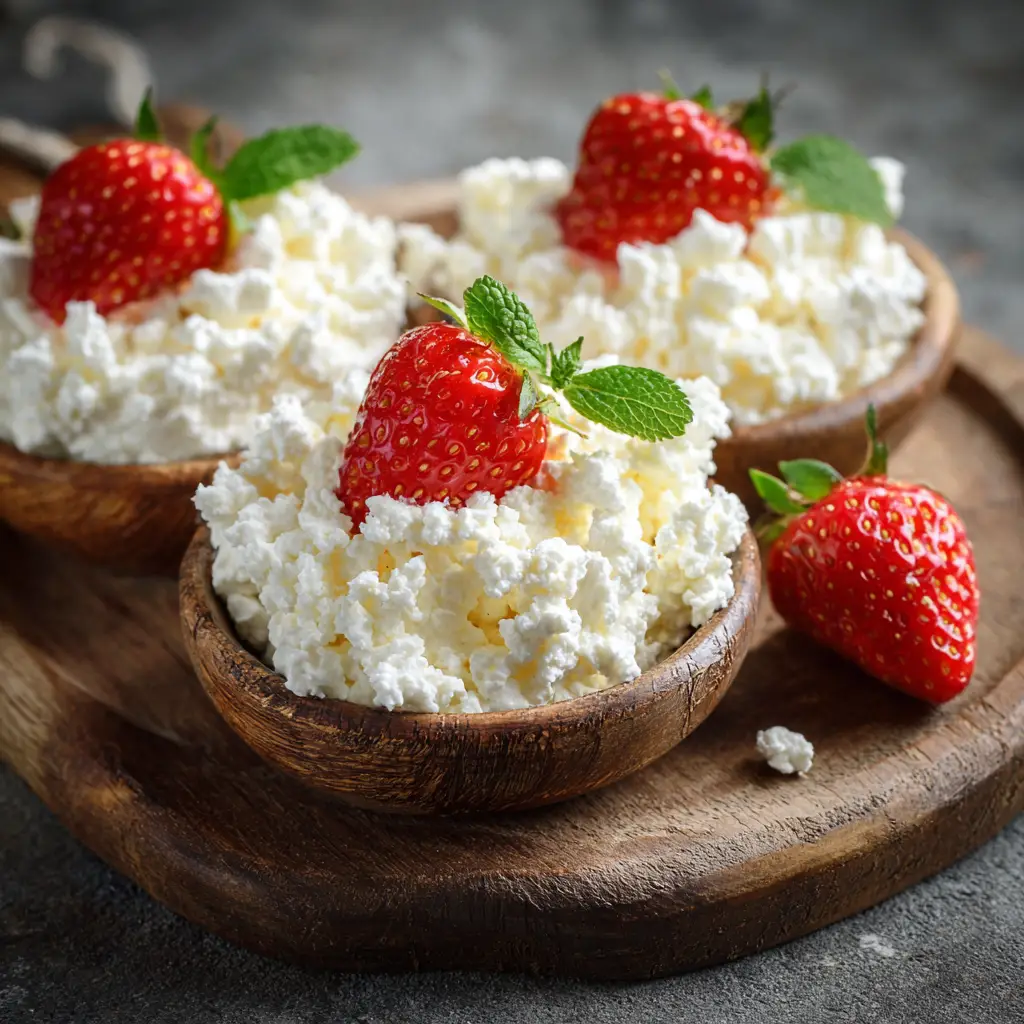
Tips for Customizing the Recipe
Cottage cheese is extremely adaptable, and there are several ways to personalize this basic recipe to suit your taste preferences.
- Milk Fat Content: Use low-fat or skim milk for a lighter version. This will reduce calories but make the cheese less creamy.
- Acid Options: Substitute lemon juice for vinegar if you prefer a different tang.
- Flavor Additions: Mix in herbs like chives, dill, or parsley for savory notes. For a sweet twist, add honey or fresh fruit.
- Texture Variation: Adjust the curd size when cutting; larger curds yield chunkier cottage cheese while smaller curds give a creamier feel.
- Cream Level: Control cream addition to modify richness, from fat-free to ultra-creamy.
- Spices: Experiment with black pepper, garlic powder, or paprika to enhance flavor complexity.
Exploring these variations can make homemade cottage cheese uniquely yours every time.
Nutritional Information
Cottage cheese is a nutritional powerhouse. It is rich in protein, calcium, and essential vitamins. Here is a breakdown per 100 grams of homemade cottage cheese made from whole milk with added cream:
- Calories: 120
- Protein: 11 grams
- Fat: 8 grams
- Carbohydrates: 3 grams
- Calcium: 100 milligrams
This high-protein content makes cottage cheese an excellent choice for muscle repair and growth. The moderate fat level contributes to satiety, and its low carbohydrate count is suitable for many diets. Moreover, cottage cheese contains B vitamins and phosphorus, supporting energy metabolism and bone health. Making it yourself ensures there are no unwanted preservatives or additives, keeping it natural and wholesome.
Serving Suggestions
Cottage cheese lends itself beautifully to a variety of serving options. It works equally well in breakfast, lunch, dinner, and snacks:
- Breakfast: Top with fresh berries, honey, and nuts for a nutritious start to the day.
- Salads: Add a scoop to green salads or mix with chopped vegetables for a creamy texture.
- Dips and Spreads: Blend cottage cheese with herbs and spices to create a healthy dip for veggies or crackers.
- Baking: Use as a filling in lasagna, stuffed pasta, or savory pies.
- Smoothies: Incorporate into fruit smoothies to boost protein content.
- Desserts: Mix with fruits and a drizzle of maple syrup for a simple, light dessert.
Its mild flavor allows cottage cheese to adapt seamlessly to both sweet and savory dishes, making it a pantry staple worth mastering.
Cottage Cheese Recipe: Easy Homemade Cottage Cheese in Simple Steps
Course: Blog4
servings10
minutes30
minutes150
kcalIngredients
1 gallon (3.8 liters) whole milk
1/4 cup (60 ml) white vinegar
1 teaspoon salt (or to taste)
1/2 cup (120 ml) heavy cream (optional, for creamier texture)
Directions
- Pour whole milk into a large pot and heat it gently over medium heat. Stir occasionally to prevent scorching.
- Once the milk reaches 120°F (49°C), slowly stir in the vinegar. The milk will begin to curdle.
- Turn off the heat and let it sit undisturbed for 5–10 minutes until curds and whey separate fully.
- Cut the curds into small pieces using a long knife or spatula.
- Place the pot back on low heat and gently stir for another 10–15 minutes to firm the curds.
- Line a colander with cheesecloth and pour the mixture in to drain the whey. Let it drain for 10–15 minutes.
Recipe Video
Notes
- For a lighter version, use low-fat or skim milk, but expect a drier texture.
Lemon juice can be used instead of vinegar for a slightly sweeter, citrusy flavor.
Always use pasteurized milk for safety and consistency.
Frequently Asked Questions
What is the difference between cottage cheese and ricotta?
Cottage cheese has a chunkier texture with larger curds, while ricotta is smoother and creamier. The production methods also differ, with ricotta made from whey.
How long does homemade cottage cheese last?
Properly refrigerated, homemade cottage cheese should be consumed within 5 to 7 days for optimal freshness and safety.
Can I use pasteurized milk?
Yes, pasteurized milk is recommended to ensure safety. Raw milk can also be used but requires more careful handling.
Is cottage cheese good for weight loss?
Its high protein and low calorie profile make cottage cheese a favorable option for weight management, helping control hunger and promote muscle retention.
Can I freeze cottage cheese?
Freezing may alter texture, making it grainy. It is best enjoyed fresh or refrigerated.
Conclusion
Making cottage cheese at home is a rewarding and simple process that adds freshness and control to your diet. The ingredients are minimal, yet the results are rich in flavor and nutrition. This dairy delight suits a wide range of meals and dietary needs, from hearty breakfasts to light snacks and savory dishes.