Snack Box Ideas for Delicious and Healthy Snacking
Introduction
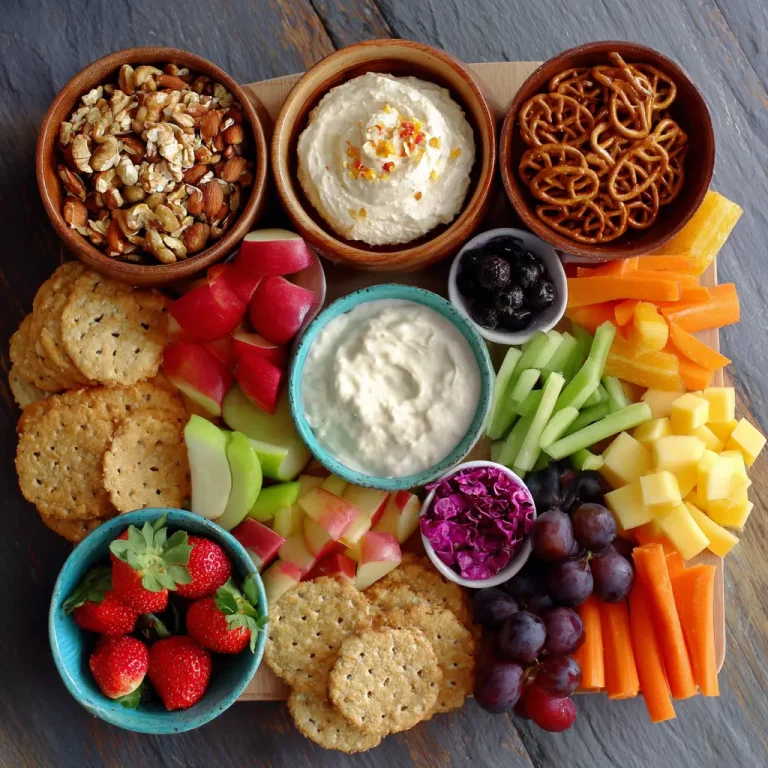
Snack boxes have become an incredibly popular way to enjoy a variety of tasty treats conveniently packed into one delightful container. Whether preparing a quick lunch for work, a midday pick-me-up, or a fun and creative snack for kids, snack boxes offer endless possibilities to satisfy cravings in a balanced and enjoyable manner. Beyond just convenience, snack boxes can be crafted to suit any dietary preference, from vegan and gluten-free to high-protein and low-carb options. Their customizable nature allows anyone to mix and match ingredients to create a perfect blend of flavors, textures, and nutrients.
Creating your own snack box can transform the way you view snacking. Instead of mindlessly munching on whatever is available, these thoughtfully assembled boxes encourage mindful eating and provide a more fulfilling experience. Each box tells a story—whether it’s a Mediterranean-inspired mix of olives and feta, a protein-packed energy booster, or a sweet and salty delight to satisfy your dessert cravings. By assembling your snack box, you control the ingredients and portion sizes, promoting healthier eating habits and reducing waste.
In this article, a variety of snack box ideas will be explored, alongside practical guidance on ingredients, preparation, and customization. The goal is to inspire you to craft your own snack boxes that are not only delicious but also nutritious and perfectly suited to your taste buds.
Ingredients Needed
To create a versatile and appealing snack box, a balance of flavors and textures is essential. Here is a list of commonly used ingredients with their approximate calorie counts to help you plan your snack box efficiently:
| Ingredient | Serving Size | Calories |
|---|---|---|
| Baby carrots | 10 pieces | 40 |
| Hummus | 2 tablespoons | 70 |
| Mixed nuts (unsalted) | 1 ounce (28g) | 170 |
| Cheese cubes | 1 ounce (28g) | 110 |
| Grapes | 1 cup | 62 |
| Whole grain crackers | 5 pieces | 70 |
| Apple slices | 1 medium apple | 95 |
| Greek yogurt (plain) | 1/2 cup (120g) | 70 |
| Dark chocolate pieces | 1 square (10g) | 50 |
| Cherry tomatoes | 1/2 cup | 15 |
| Almond butter | 1 tablespoon | 98 |
| Cucumber slices | 1/2 cup | 8 |
| Dried apricots | 1/4 cup | 78 |
Step-by-Step Cooking Instructions
Snack boxes typically require little to no cooking, but preparation and assembly are key to creating an enjoyable experience. Follow these steps to put together a well-rounded snack box:
- Select Your Base Items
Start with fresh fruits and vegetables such as apple slices, grapes, cherry tomatoes, or cucumber slices. These add freshness, fiber, and natural sweetness or crunch to your snack box. Wash and slice these items as needed to make them easy to eat. - Add a Protein Source
Incorporate a protein element to keep you energized and satiated. Cheese cubes, Greek yogurt, hummus, or a small portion of mixed nuts work perfectly here. Measure out appropriate servings to maintain balance. - Include a Crunchy Component
Crackers, nuts, or seeds add texture contrast to the softer fruits and veggies. Opt for whole grain crackers or unsalted nuts to keep the snack box healthy. - Incorporate a Sweet Element
Add a small serving of dried fruit like apricots or a few squares of dark chocolate. This provides a satisfying touch of sweetness without overwhelming the box. - Pack Thoughtfully
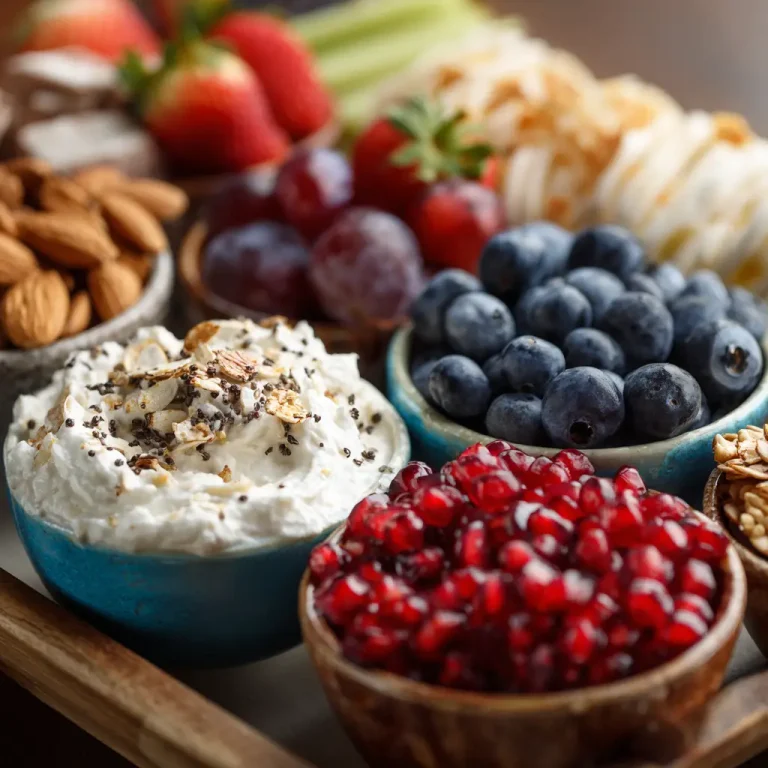
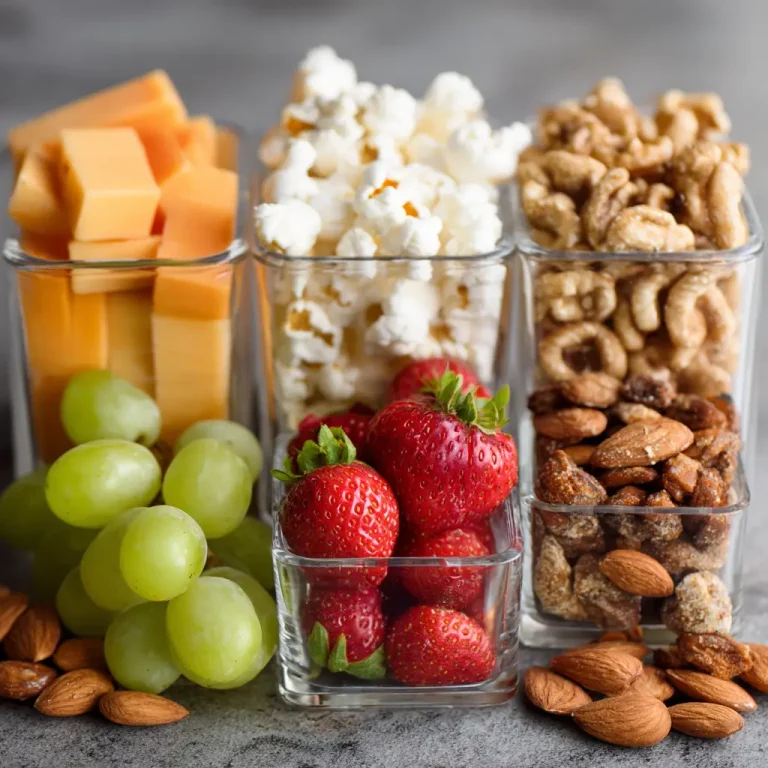
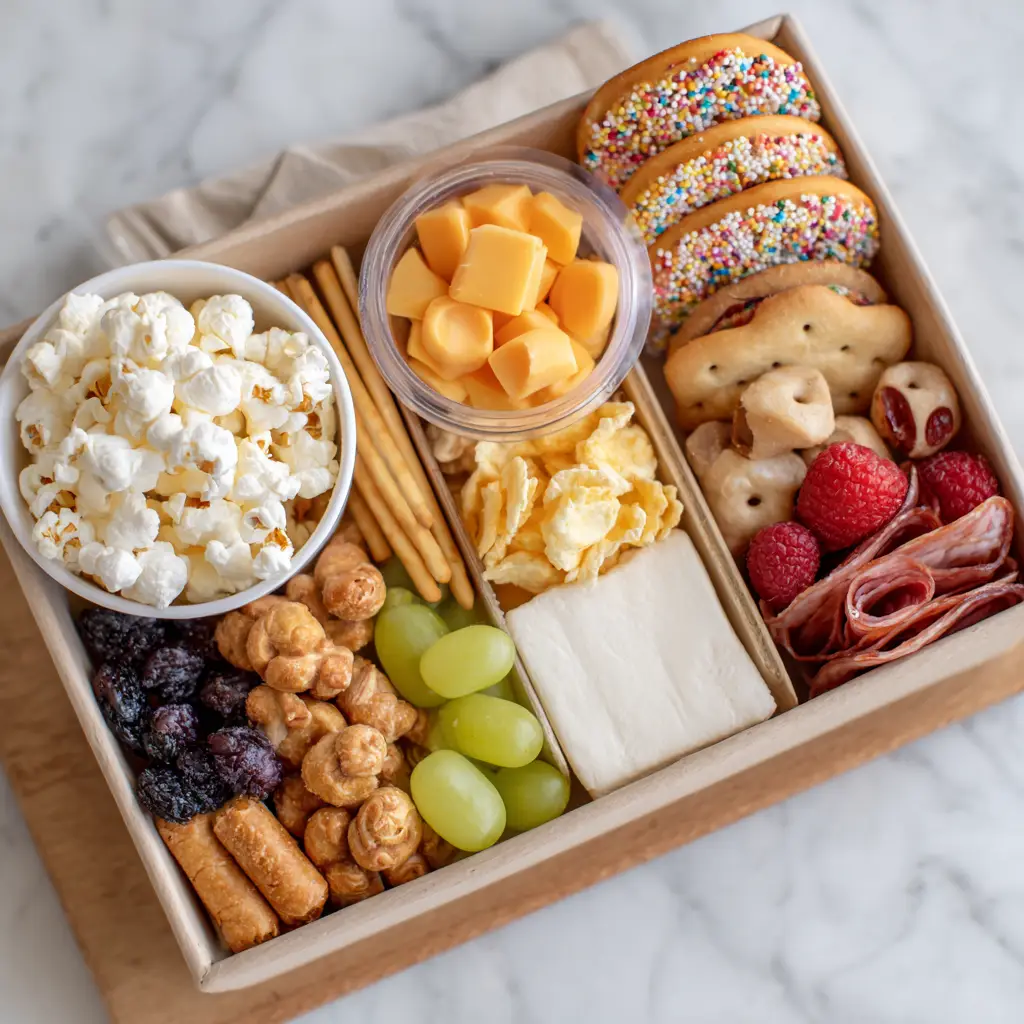
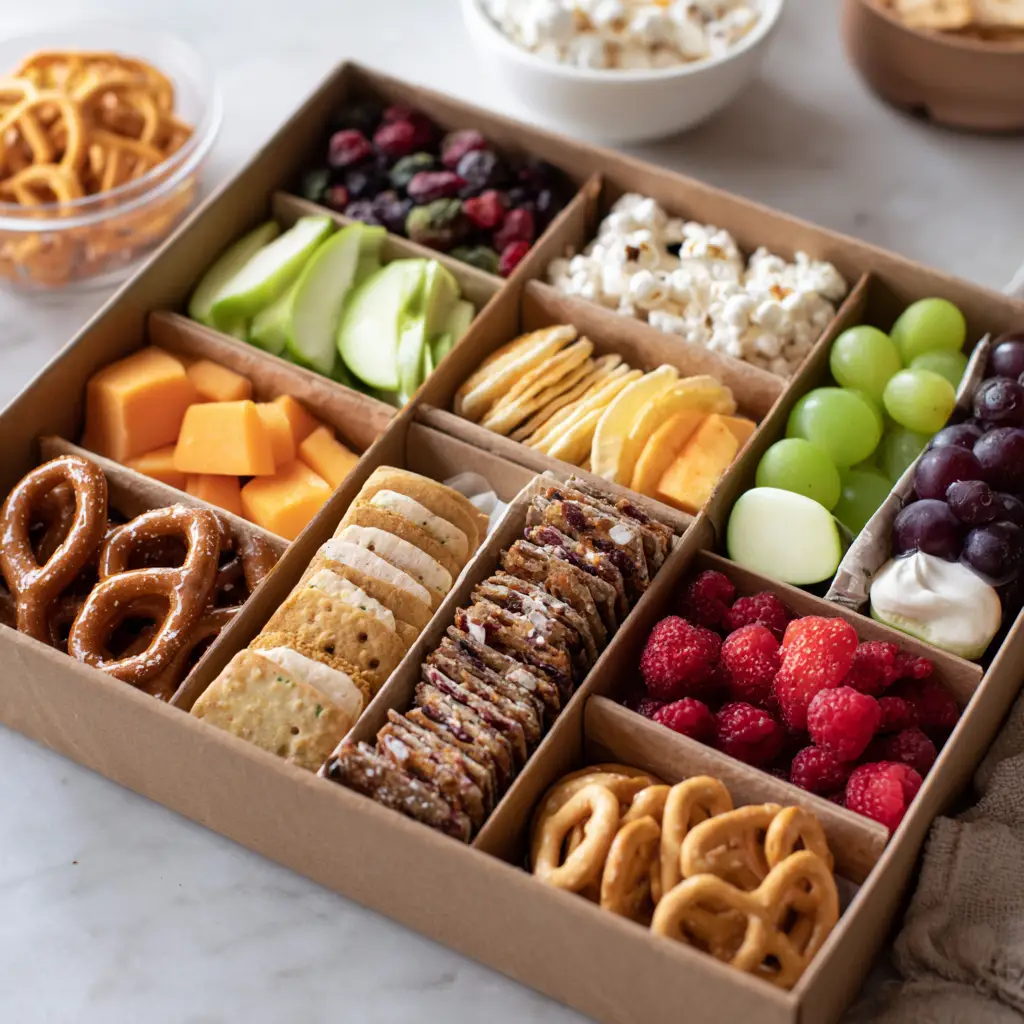
Arrange each ingredient in separate compartments or small containers to prevent flavors from mixing prematurely. This also keeps the snack box visually appealing and easy to eat. - Optional Extras
If desired, include a small container of nut butter or a dip like guacamole for additional flavor and richness.
Tips for Customizing the Recipe
Every palate and lifestyle has different needs, so customizing your snack box can enhance your enjoyment and nutrition. Consider these tips when crafting your perfect snack box:
- For Vegans or Dairy-Free Diets
Replace cheese with plant-based alternatives like marinated tofu cubes or seasoned chickpeas. Use dairy-free yogurt options such as coconut or almond milk yogurt. - Low-Carb and Keto-Friendly
Focus on protein-rich nuts, cheese, and low-carb vegetables like cucumbers and celery sticks. Avoid crackers or fruit high in sugars, and add avocado slices for healthy fats. - Gluten-Free Options
Choose gluten-free crackers or replace crackers entirely with raw veggies or roasted chickpeas for crunch. Always verify ingredient labels to ensure they meet gluten-free standards. - Kid-Friendly Boxes
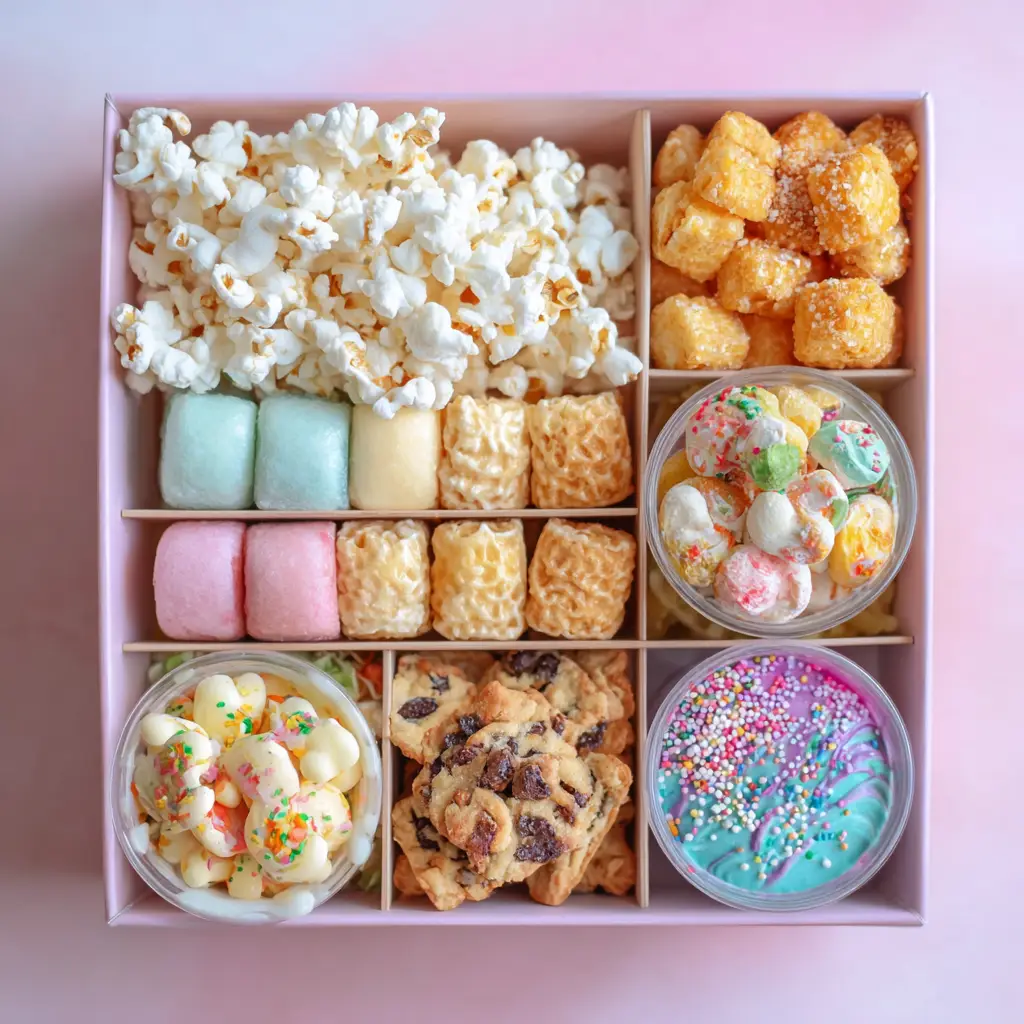
Incorporate colorful fruits, small portions of cheese, fun-shaped crackers, and a small treat like a couple of chocolate chips or yogurt-covered raisins to make snacking enjoyable. - High-Energy Boosters
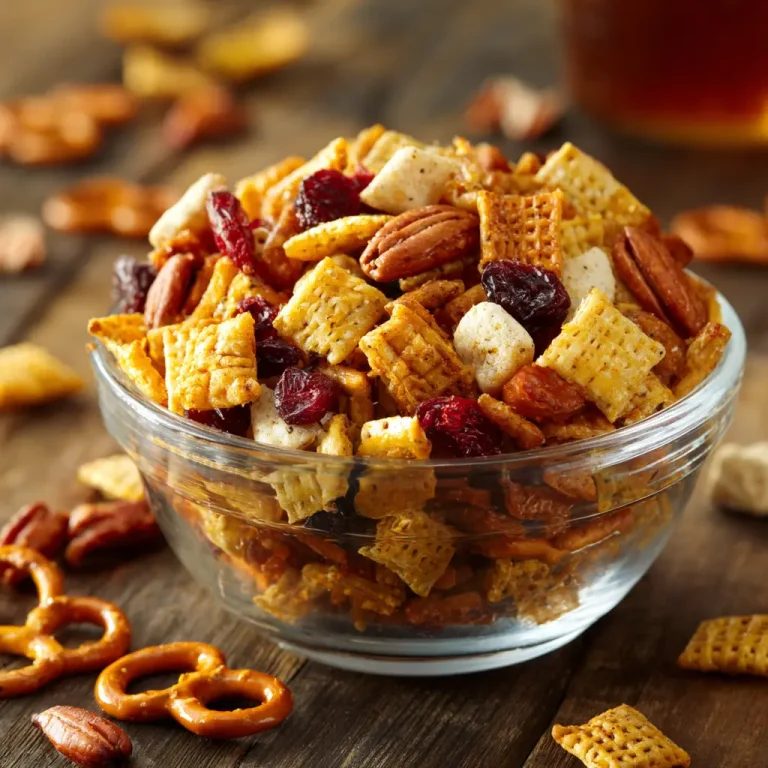
Add trail mix with nuts, seeds, and dried fruit, a hard-boiled egg for protein, and a small portion of dark chocolate to fuel your afternoon activities.
Nutritional Information
Snack boxes offer the advantage of providing a balanced mix of macronutrients—carbohydrates, proteins, and fats—in controlled portions. A typical snack box, combining fresh produce, nuts, cheese, and a sweet element, ranges from 300 to 500 calories depending on serving sizes.
Protein content varies but can be around 10 to 20 grams, ideal for keeping hunger at bay between meals. Fiber from fruits and vegetables supports digestion, while healthy fats from nuts and seeds promote satiety and nutrient absorption. Sugar intake remains moderate thanks to natural sources like fruits and small portions of dried fruit or chocolate.
This balance supports sustained energy, mood stability, and metabolic health, making snack boxes an excellent choice for anyone looking to maintain wellness while enjoying tasty food.
Serving Suggestions
Snack boxes can be enjoyed on their own or paired with a refreshing drink. Here are some serving ideas to elevate the experience:
- Pair your snack box with iced herbal tea or sparkling water infused with citrus slices.
- For a more substantial option, serve alongside a light soup or salad to create a full meal.
- Add a small container of cold-pressed juice or a smoothie for extra vitamins and hydration.
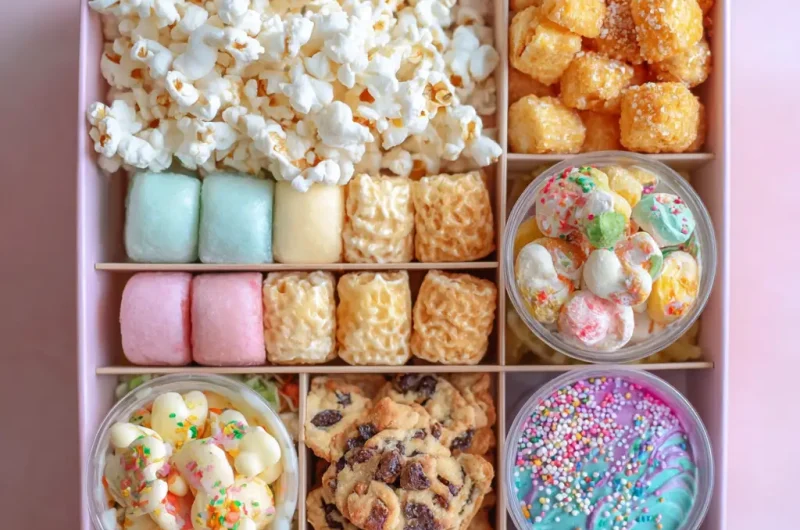
- Use a decorative bento-style box to make snack time feel special, especially for kids or guests.
Snack Box Ideas for Delicious and Healthy Snacking
Course: Blog1
servings10
minutes350
kcalIngredients
10 baby carrots
2 tablespoons hummus
1 ounce mixed nuts (unsalted)
1 ounce cheese cubes
1 cup grapes
5 whole grain crackers
1 medium apple, sliced
1/2 cup Greek yogurt (plain)
1 square dark chocolate (10g)
Directions
- Wash and prepare all fresh produce such as baby carrots, grapes, and apple slices.
- Portion the hummus into a small container for dipping.
- Arrange the cheese cubes, mixed nuts, and crackers in separate sections of the snack box to keep them fresh and crunchy.
- Add the fruit — grapes and apple slices — in their own compartments to prevent mixing flavors.
- Include the Greek yogurt in a small container for a creamy, protein-rich addition.
- Finish with a square of dark chocolate as a small sweet treat.
- Pack the snack box tightly but without crushing any ingredients and store in the fridge if not eating immediately.
Recipe Video
Notes
- Feel free to customize your snack box by swapping ingredients based on your preferences or dietary needs. Adding fresh herbs like mint or basil can add a refreshing twist, and replacing cheese with plant-based options works well for vegan diets. Keep crackers separate until eating to maintain their crunch.
Frequently Asked Questions (FAQs)
What is the best way to keep snack boxes fresh?
Store ingredients separately when possible and assemble just before eating. Use airtight containers and refrigerate perishable items like cheese and yogurt.
Can snack boxes be made ahead of time?
Yes, non-perishable components can be pre-portioned, but fresh fruits and vegetables are best sliced and added close to serving time for maximum freshness.
Are snack boxes suitable for weight loss?
Absolutely. Portion control and balanced macronutrients make snack boxes a great option for mindful eating and managing calorie intake.
How do I prevent sogginess in my snack box?
Keep wet ingredients like hummus or yogurt in sealed containers separate from crackers or crunchy items until ready to eat.
What are some budget-friendly snack box ingredients?
Carrots, apples, homemade trail mix, seasonal fruits, and bulk nuts are affordable choices that work well.
Conclusion
Snack boxes provide a simple yet exciting way to enjoy a variety of flavors and textures in one convenient package. Their versatility allows for endless customization, ensuring that every snack box can be tailored to meet individual tastes and dietary needs. Thoughtful ingredient choices not only improve the overall eating experience but also contribute to balanced nutrition and sustained energy.