Rice Pudding Recipe: Creamy, Easy, and Delicious Homemade Dessert
Rice pudding stands as one of the most comforting desserts, enjoyed in countless cultures across the globe. Its creamy texture and sweet flavor bring warmth and nostalgia to many, whether served hot or cold. This classic dessert combines simple ingredients into a dish that feels both humble and indulgent. Rice pudding has evolved with time, with variations that incorporate everything from spices to fruits and nuts, making it endlessly versatile. It is often a go-to treat when craving something sweet yet soothing, a dessert that reminds many of home-cooked meals and family gatherings.
Crafting rice pudding is more than just mixing rice and milk. It requires patience and attention to achieve the perfect creaminess and texture. The slow cooking process allows the starch in the rice to meld with the milk, creating a luscious dish that feels luxurious without being overly complicated. This article will guide you through making rice pudding from scratch, offering tips on customizing it to your taste and insights into its nutritional value.
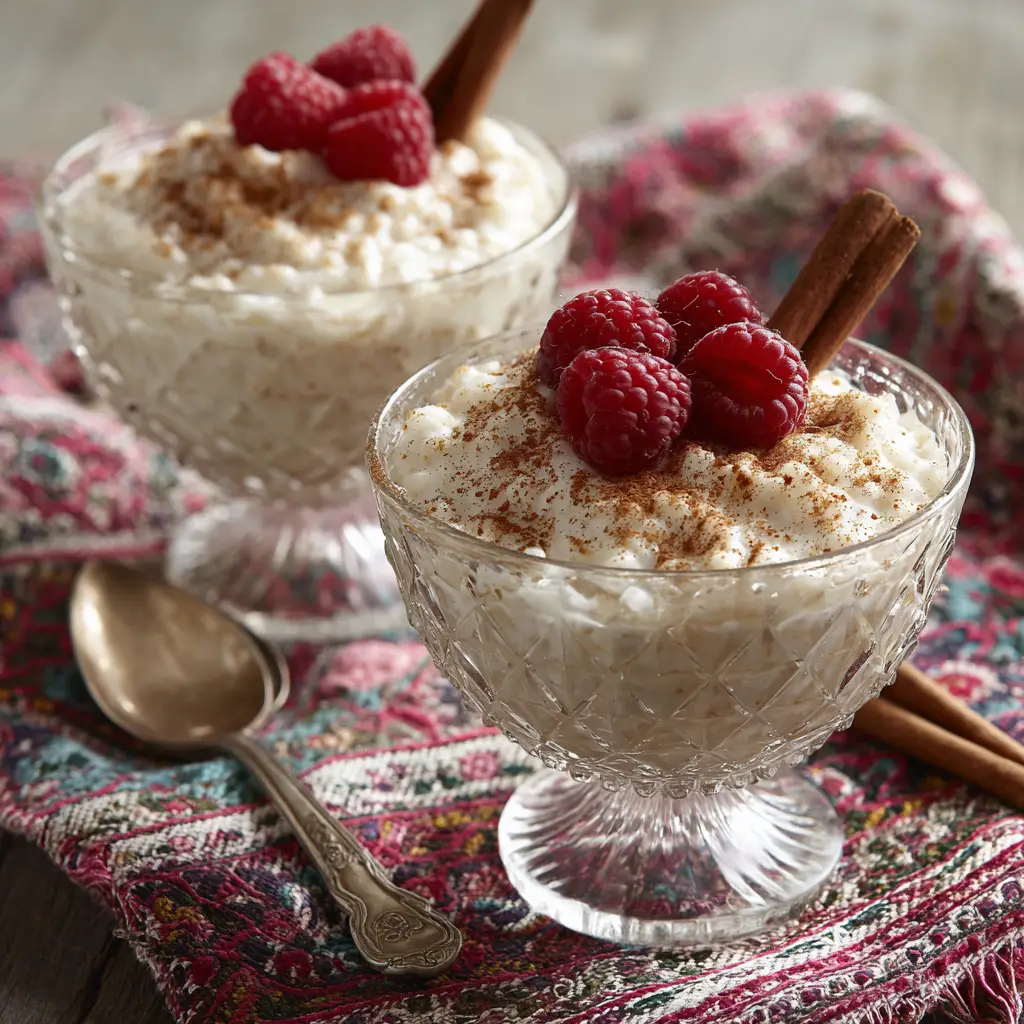
Ingredients Needed
A great rice pudding starts with basic pantry staples. The table below outlines the essential ingredients along with their approximate calorie counts per serving to help you keep track of your intake.
| Ingredient | Quantity | Calories (per serving) |
|---|---|---|
| White rice | 1 cup (uncooked) | 200 |
| Whole milk | 4 cups | 300 |
| Sugar | 1/2 cup | 387 |
| Vanilla extract | 1 teaspoon | 12 |
| Cinnamon powder | 1/2 teaspoon | 3 |
| Salt | A pinch | 0 |
| Butter | 1 tablespoon | 102 |
| Optional raisins | 1/4 cup | 120 |
These ingredients come together in a simple way to create a dessert that is creamy, sweet, and warmly spiced. The use of whole milk and butter adds richness, while cinnamon and vanilla introduce aromatic layers that elevate the flavor.
Step-by-Step Cooking Instructions
- Rinse the Rice: Begin by rinsing the white rice under cold water until the water runs clear. This removes excess starch and helps achieve a smoother pudding.
- Combine Milk and Rice: In a large saucepan, combine the rinsed rice with the whole milk. Add a pinch of salt to balance the sweetness.
- Simmer Gently: Bring the mixture to a gentle simmer over medium heat. Stir occasionally to prevent the rice from sticking to the bottom of the pan.
- Cook Slowly: Reduce the heat to low and let the rice cook slowly. Stir frequently to ensure even cooking and to encourage creaminess. This process usually takes around 45 minutes.
- Add Sugar and Flavorings: When the rice is tender and the mixture has thickened, stir in the sugar, vanilla extract, and cinnamon powder. Continue cooking for another 5 to 10 minutes, stirring constantly.
- Incorporate Butter and Raisins: Remove the pan from heat and stir in the butter until melted and fully combined. If using raisins, fold them in at this stage.
- Cool or Serve Warm: Rice pudding can be served immediately while warm or transferred to a dish to cool. It thickens further as it cools, making it perfect for refrigeration.
Following these steps carefully ensures a rice pudding with the ideal balance of sweetness, texture, and flavor.
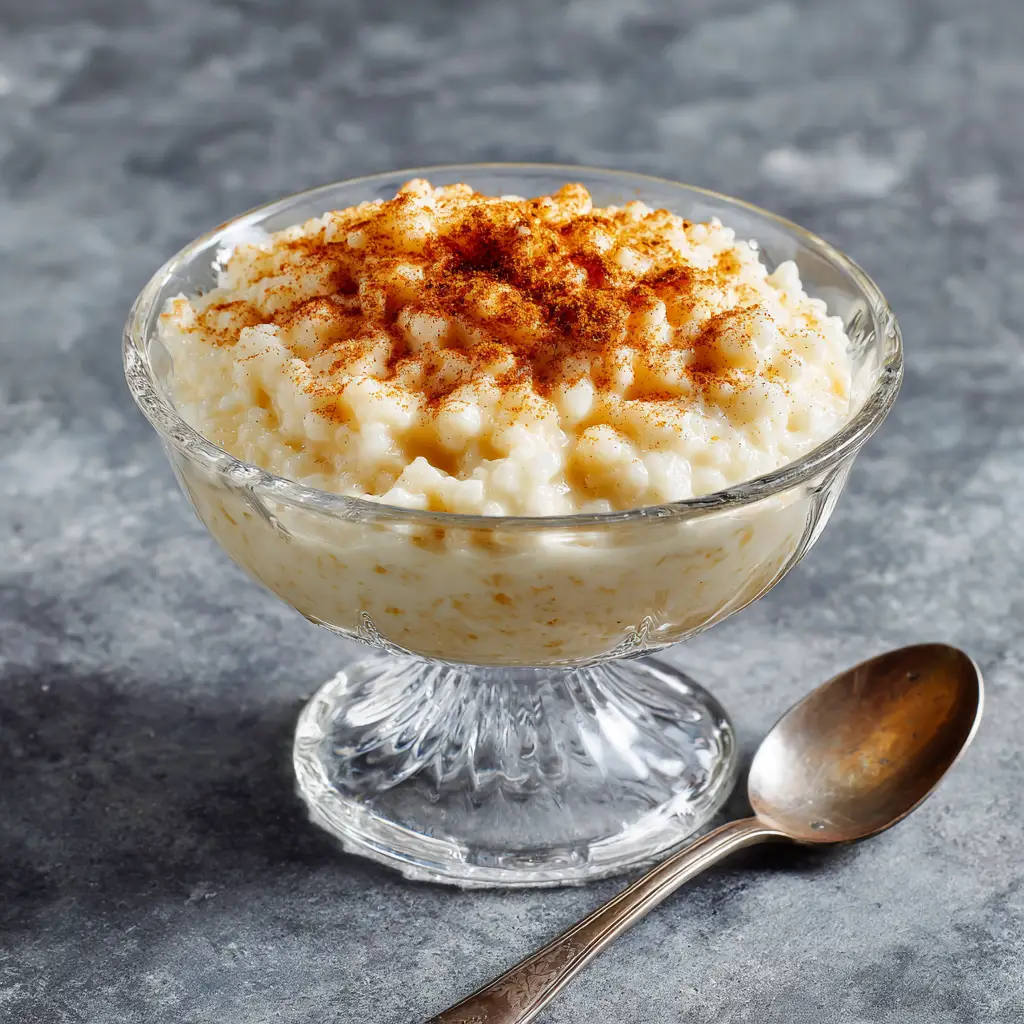
Tips for Customizing the Recipe
Rice pudding is a canvas for creativity. For those wanting to tweak the basic recipe, several adjustments can add exciting flavors and textures.
- Milk Alternatives: Swap whole milk for coconut milk or almond milk for a dairy-free or vegan option. Coconut milk especially adds a tropical twist and richness.
- Sweeteners: Experiment with honey, maple syrup, or brown sugar instead of white sugar for a different depth of sweetness.
- Spices: Beyond cinnamon, try cardamom, nutmeg, or even star anise for unique aromatic notes.
- Add-Ins: Toasted nuts like almonds or pistachios add crunch, while fresh or dried fruits like mango, berries, or apricots bring bursts of flavor.
- Texture Variations: Use short-grain rice like Arborio for creamier pudding or try jasmine rice for a fragrant profile.
These simple changes help personalize the dish and keep it fresh with every preparation.
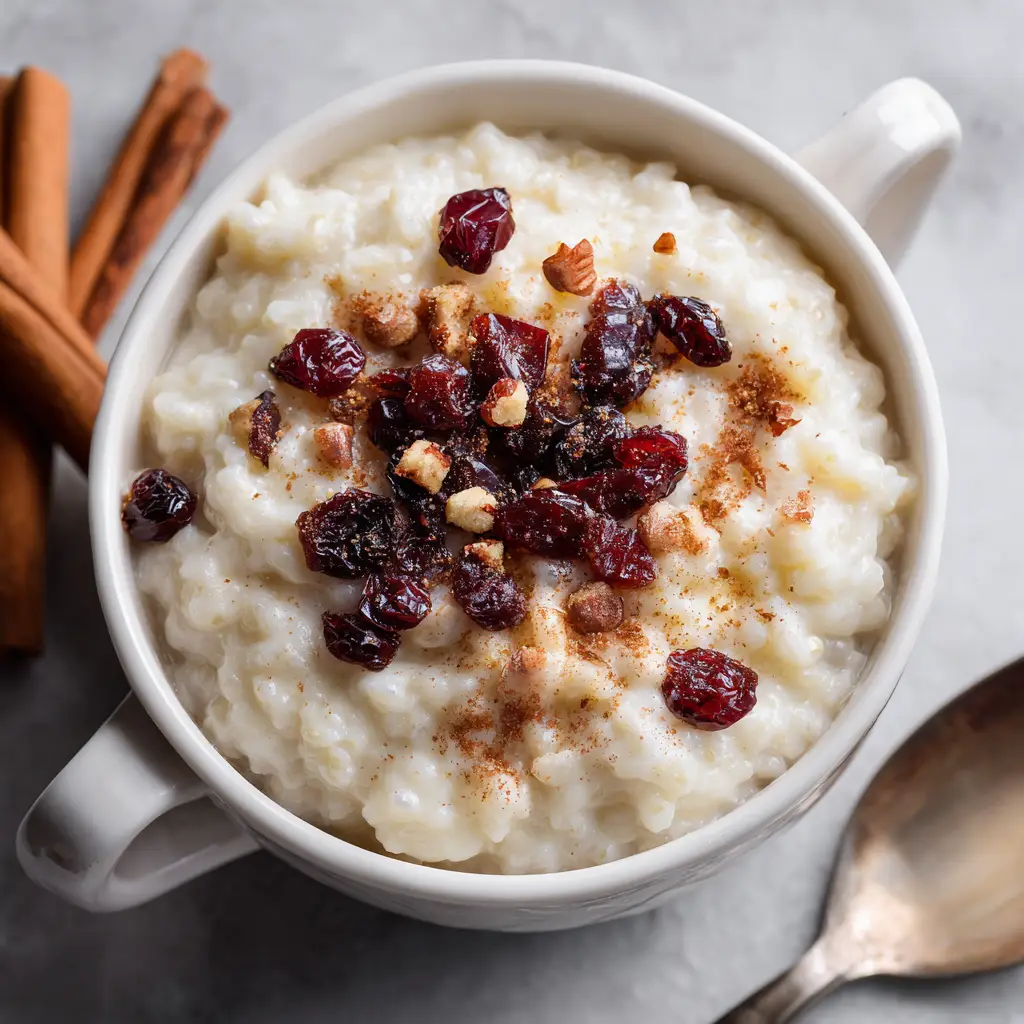
Nutritional Information
Rice pudding, while delicious, also provides a good mix of nutrients, primarily carbohydrates and calcium.
- Calories: A typical serving contains around 250 to 300 calories depending on ingredients used.
- Carbohydrates: The rice and sugar contribute to the carbohydrate content, providing a quick energy source.
- Protein: Whole milk offers moderate protein, helping to balance the meal.
- Fat: Butter and whole milk provide fats that contribute to satiety and flavor richness.
- Vitamins and Minerals: Milk adds calcium and vitamin D, which are vital for bone health.
While rice pudding is not a low-calorie dessert, enjoying it in moderation can fit into a balanced diet, especially when customized with healthier sweeteners or milk alternatives.
Serving Suggestions
Rice pudding shines as a versatile dessert. Here are some ways to enjoy it:
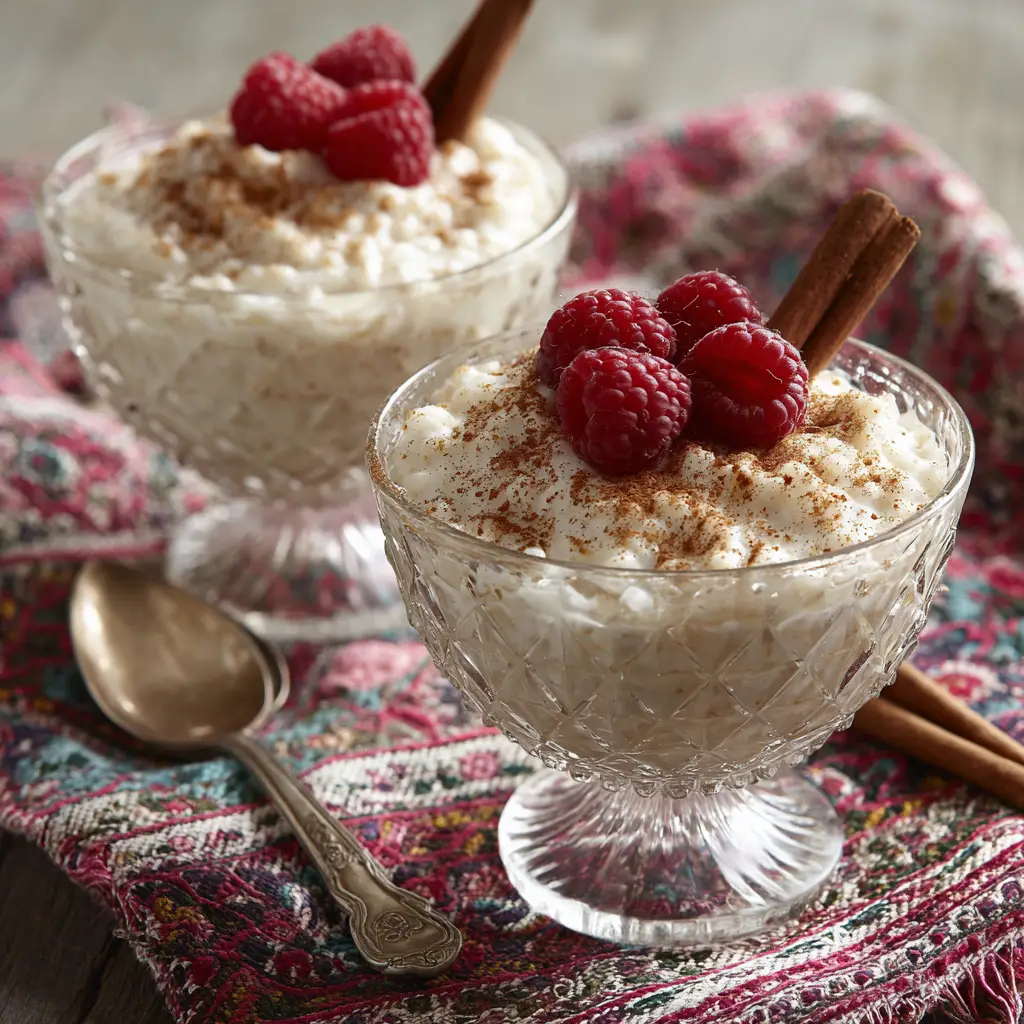
- Warm with a Sprinkle of Cinnamon: Classic and comforting, perfect on chilly evenings.
- Chilled with Fresh Fruit: Serve cold topped with slices of mango, berries, or peaches for a refreshing treat.
- With a Dollop of Whipped Cream: For added indulgence, a light whipped cream complements the creamy pudding.
- Paired with Coffee or Tea: A perfect companion to a warm beverage, enhancing the cozy feeling.
- Garnished with Nuts: Add texture and flavor with toasted almonds or walnuts sprinkled on top.
These serving ideas elevate the rice pudding experience, making it suitable for any occasion from casual snacks to festive desserts.
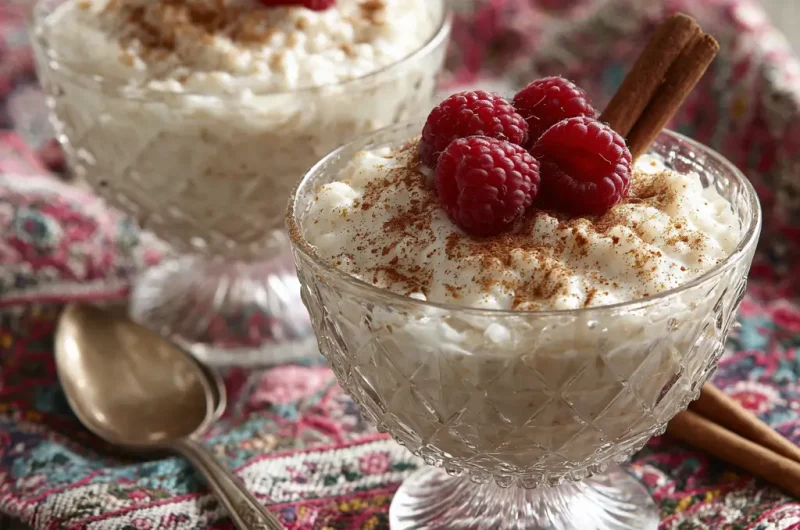
Rice Pudding Recipe: Creamy, Easy, and Delicious Homemade Dessert
Course: Blog4
servings10
minutes50
minutes300
kcalIngredients
1 cup white rice (uncooked)
4 cups whole milk
1/2 cup sugar
1 teaspoon vanilla extract
1/2 teaspoon cinnamon powder
A pinch of salt
1 tablespoon butter
1/4 cup raisins (optional)
Directions
- Rinse the rice under cold water until the water runs clear.
- In a large saucepan, combine the rice and milk with a pinch of salt.
- Bring to a gentle simmer over medium heat, stirring occasionally.
- Reduce heat to low and cook slowly, stirring frequently for about 45 minutes until the rice is tender and mixture thickens.
- Stir in sugar, vanilla extract, and cinnamon. Cook for another 5 to 10 minutes, stirring constantly.
- Remove from heat and mix in the butter until melted. Add raisins if using.
- Serve warm or chill in the refrigerator for a cold dessert.
Recipe Video
Notes
- Rinse the rice under cold water until the water runs clear.
In a large saucepan, combine the rice and milk with a pinch of salt.
Bring to a gentle simmer over medium heat, stirring occasionally.
Reduce heat to low and cook slowly, stirring frequently for about 45 minutes until the rice is tender and mixture thickens.
Frequently Asked Questions
Is rice pudding gluten-free?
Yes, traditional rice pudding is naturally gluten-free as it contains rice, milk, sugar, and spices without wheat or gluten-containing ingredients.
Can I make rice pudding vegan?
Absolutely. Use plant-based milk like almond, coconut, or oat milk and replace butter with coconut oil or vegan margarine.
How long does rice pudding keep?
Stored in an airtight container in the refrigerator, rice pudding stays fresh for up to four days.
Can I prepare rice pudding in advance?
Yes, rice pudding can be made ahead of time and served warm or chilled. Just reheat gently if serving warm.
What type of rice is best for rice pudding?
Short-grain or medium-grain rice works best due to their higher starch content, resulting in creamier pudding.
Conclusion
Rice pudding is more than just a dessert; it is a warm embrace in a bowl, perfect for any time of the year. The blend of creamy milk, soft rice, and sweet spices creates a timeless treat that appeals to both children and adults alike. Whether enjoyed hot from the stove or chilled as a refreshing snack, rice pudding offers comfort and satisfaction with every bite.