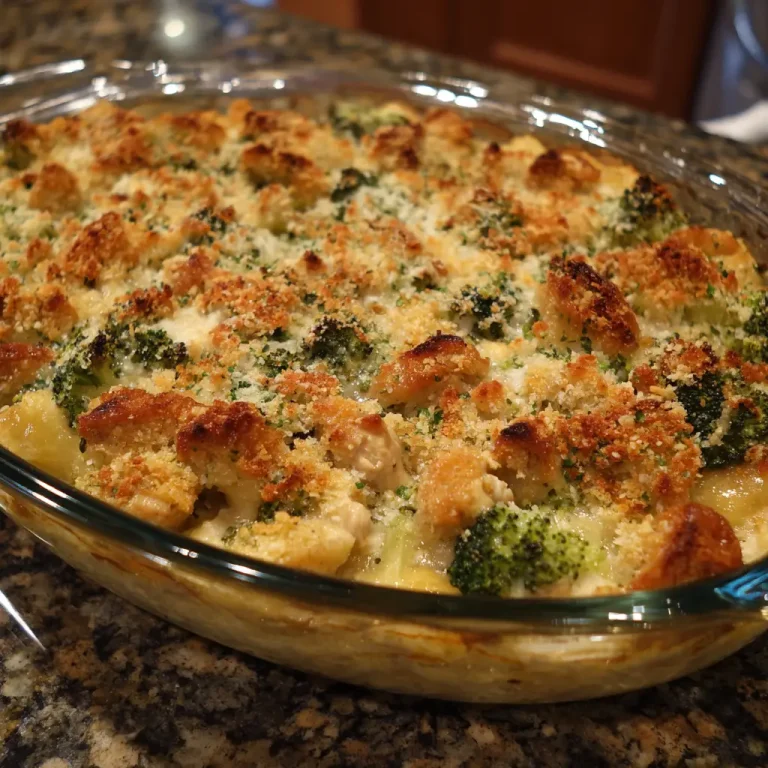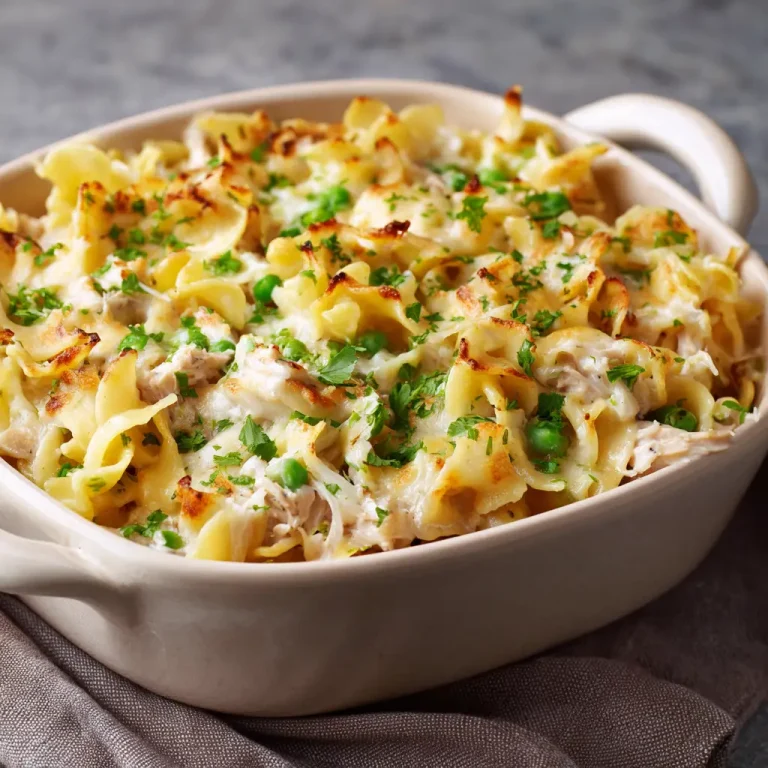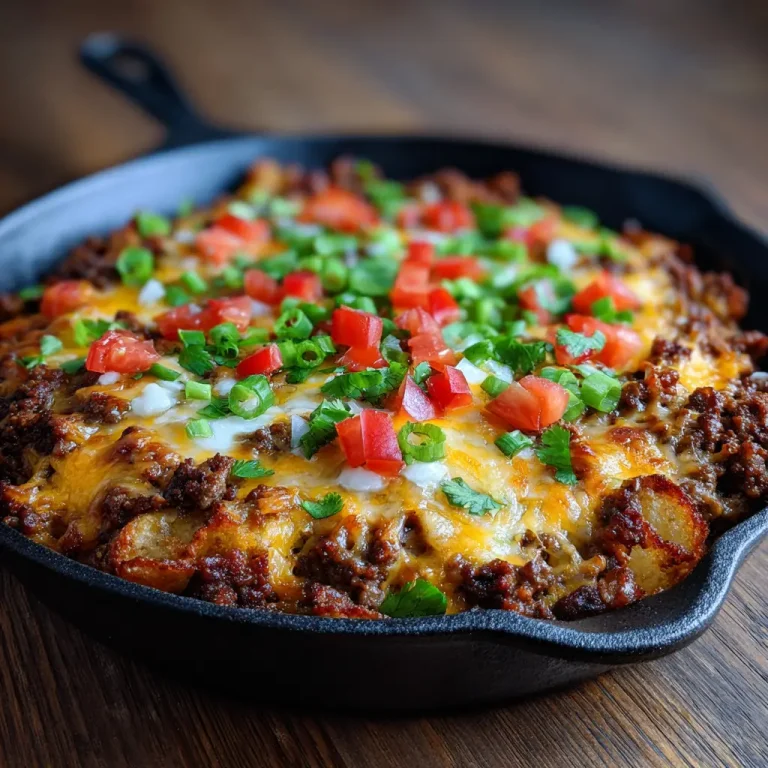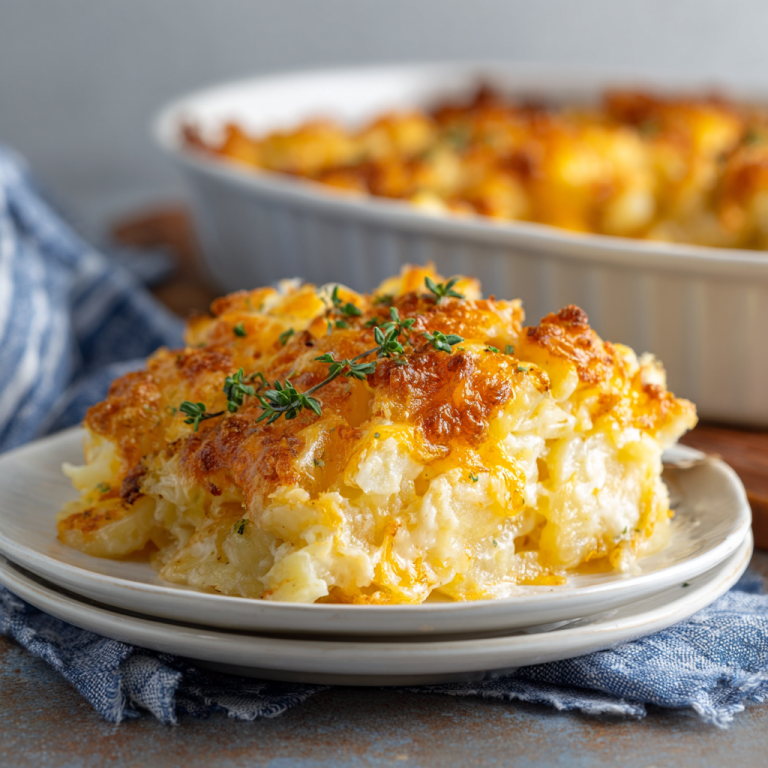
Easy Egg Casserole Recipe for a Perfect Breakfast or Brunch
Warm, comforting, and endlessly versatile, egg casserole recipes have earned a special place in kitchens around the world. A single dish can bring together simple ingredients and transform them into a rich and satisfying meal that works for breakfast, brunch, or even dinner. The beauty of an egg casserole lies in its flexibility. Flavors can be adjusted to suit any taste, from classic combinations of cheese and vegetables to heartier versions packed with meats and herbs.
Egg casseroles also solve a common cooking challenge. Busy mornings often leave little time for elaborate meals, yet skipping a nourishing start to the day can affect energy levels. Preparing a casserole ahead of time allows you to enjoy a wholesome dish without rushing. The texture is soft yet structured, the flavor is comforting, and each bite offers a balanced combination of protein and nutrients.

Home cooks appreciate how forgiving this recipe can be. Small changes do not ruin the dish. Instead, they open the door to creativity. With the right ingredients and a simple process, anyone can create a flavorful egg casserole that feels both homemade and special.
Ingredients Needed
Below is a basic ingredient list for a classic egg casserole along with approximate calorie values per serving portion of each ingredient used in the dish
| Ingredient | Quantity | Calories |
|---|---|---|
| Eggs | 8 large | 560 |
| Milk | 1 cup | 120 |
| Cheddar cheese | 1 cup shredded | 400 |
| Bread cubes | 2 cups | 300 |
| Cooked chicken or sausage | 1 cup | 250 |
| Bell peppers | 1 cup chopped | 40 |
| Onion | 1 medium | 45 |
| Butter | 2 tablespoons | 200 |
| Salt | 1 teaspoon | 0 |
| Black pepper | 1 teaspoon | 5 |
These ingredients create a balanced and flavorful base. Adjustments can easily be made depending on personal preference or dietary needs.
Step by Step Cooking Instructions
Begin by preheating your oven to 180 degrees Celsius. This ensures even cooking and helps the casserole rise properly.
Grease a baking dish lightly with butter. This step prevents sticking and adds a subtle richness to the edges of the casserole.
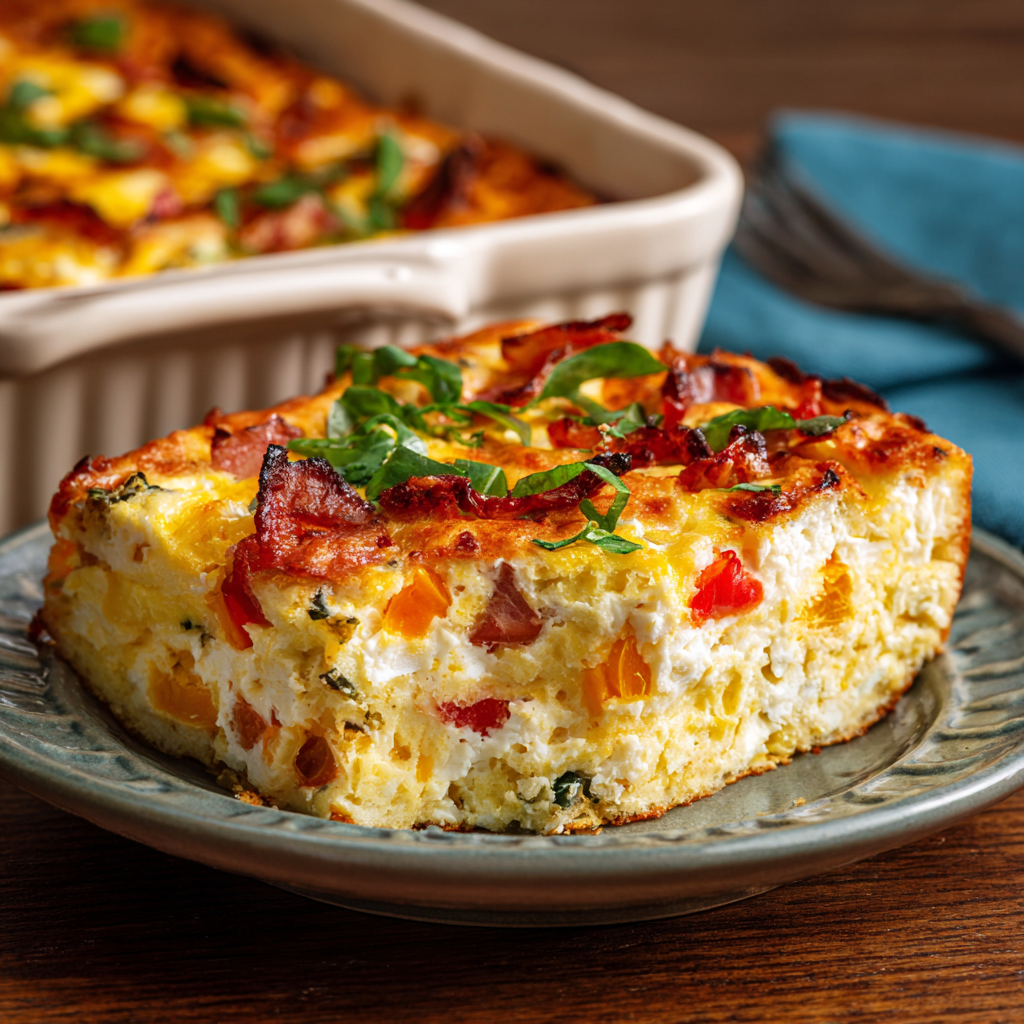
Take a large mixing bowl and crack all the eggs into it. Whisk them thoroughly until the yolks and whites are fully combined. Add milk, salt, and black pepper, then continue whisking until the mixture becomes smooth and slightly frothy.
In a separate pan, melt butter over medium heat. Add chopped onions and bell peppers. Cook them until they soften and release a pleasant aroma. If using cooked meat such as chicken or sausage, mix it into the pan and warm it through.
Spread bread cubes evenly in the greased baking dish. Layer the cooked vegetables and meat over the bread. Sprinkle shredded cheese on top, ensuring even coverage across the dish.
Pour the egg mixture slowly over the layered ingredients. Make sure the liquid seeps into all corners of the dish. Press down gently with a spoon to help the bread absorb the mixture.
Place the baking dish in the oven and bake for about 35 to 45 minutes. The casserole is ready when the top turns golden and the center feels firm when touched.
Remove from the oven and allow it to rest for a few minutes before slicing. This resting time helps the casserole set and makes serving easier.
Tips for Customizing the Recipe
Egg casserole recipes invite creativity. A few thoughtful adjustments can completely change the flavor profile and texture of the dish.
Vegetarian versions work beautifully. Replace meat with mushrooms, spinach, or zucchini. These vegetables add depth without overpowering the dish.
Cheese selection plays a major role in flavor. Cheddar offers a sharp taste, while mozzarella provides a milder and creamier texture. Mixing cheeses can create a more complex result.
Bread choice also matters. Whole grain bread adds a nutty flavor and more fiber, while white bread keeps the texture soft and classic.
Spices and herbs bring personality to the casserole. A pinch of paprika, oregano, or fresh parsley can elevate the overall taste.
For a richer texture, add a small amount of cream instead of part of the milk. This creates a more indulgent dish without much extra effort.
Nutritional Information
Egg casseroles are known for their balanced nutritional profile. Eggs provide high quality protein that supports muscle health and keeps you feeling full longer. Cheese adds calcium, which is essential for strong bones and teeth.
Vegetables contribute vitamins and antioxidants that support overall well being. Bell peppers offer vitamin C, while onions provide beneficial compounds that support heart health.
Calories can vary depending on ingredients. A standard serving of egg casserole typically contains around 250 to 350 calories. Reducing cheese or using low fat milk can lower the calorie count without sacrificing too much flavor.
Protein content remains one of the biggest advantages of this dish. Each serving delivers a satisfying amount that helps maintain energy levels throughout the day.

Serving Suggestions
Egg casserole can be served in many ways depending on the occasion. For breakfast, pair it with fresh fruit or a glass of juice for a refreshing start.
Brunch gatherings benefit from serving it alongside salads, toast, or yogurt. The casserole becomes a centerpiece that complements lighter sides.
Dinner options can include roasted vegetables or a simple green salad. The dish adapts well to both casual meals and more formal settings.
Leftovers can be stored in the refrigerator and reheated easily. This makes it a practical choice for meal planning and busy schedules.
Common Mistakes to Avoid
Overbaking can lead to a dry texture. Keeping an eye on the oven during the final minutes helps maintain a soft and moist interior.
Using too much liquid can prevent the casserole from setting properly. Measuring ingredients carefully ensures the right consistency.
Skipping the resting time after baking can make slicing difficult. Allowing the dish to cool slightly improves both texture and presentation.
Storage and Reheating Tips
Proper storage extends the life of your casserole. Place leftovers in an airtight container and refrigerate for up to three days.
Reheating can be done in the oven or microwave. Using a low heat setting helps maintain moisture and prevents the casserole from drying out.
Freezing is also an option. Wrap portions tightly and store for up to one month. Thaw overnight in the refrigerator before reheating for best results.

Easy Egg Casserole Recipe for a Perfect Breakfast or Brunch
Course: Casserole Recipes6
servings15
minutes40
minutes300
kcalIngredients
IngredienttQuantity
Eggst8 large
Milkt1 cup
Cheddar cheeset1 cup shredded
Bread cubest2 cups
Cooked chicken or sausaget1 cup
Bell pepperst1 cup chopped
Oniont1 medium
Buttert2 tablespoons
Saltt1 teaspoon
Black peppert1 teaspoon
Directions
- Preheat the oven to 180 degrees Celsius. Grease a baking dish with butter to prevent sticking and enhance flavor.
- Crack the eggs into a large bowl and whisk until smooth. Add milk, salt, and black pepper, then mix well until fully combined.
- Heat butter in a pan over medium heat. Add chopped onion and bell peppers, cooking until soft and fragrant. Mix in the cooked chicken or sausage and stir for a few minutes.
- Spread bread cubes evenly in the prepared baking dish. Add the cooked mixture on top, followed by shredded cheese.
- Pour the egg mixture evenly over the ingredients, ensuring everything is well coated. Press gently so the bread absorbs the liquid.
- Bake in the preheated oven for 35 to 40 minutes until the top is golden and the center is set.
- Remove from the oven and let it rest for a few minutes before slicing and serving.
Recipe Video
Notes
- Use fresh ingredients for the best flavor and texture.
Allowing the casserole to rest after baking helps it set properly and makes slicing easier.
You can prepare the mixture ahead of time and refrigerate it overnight, then bake it fresh when needed.
Feel free to customize with your favorite vegetables, herbs, or cheese to create your own variation.
FAQs
Can I make egg casserole ahead of time
Yes, preparation can be done the night before. Assemble the ingredients, cover the dish, and store it in the refrigerator. Bake it fresh in the morning for best flavor and texture.
Can I use egg substitutes
Egg substitutes can be used, but the texture may differ slightly. Choose a high quality substitute designed for baking to achieve better results.
How do I know when the casserole is done
The center should feel firm and the top should have a golden color. Inserting a knife into the center should come out clean.
Can I make it dairy free
Yes, replace milk with plant based alternatives and use dairy free cheese. The result will still be flavorful and satisfying.
What is the best way to reheat leftovers
Reheat in the oven at a low temperature for even warming. Microwave can be used for convenience, though texture may soften slightly.
Conclusion
Egg casserole recipes offer a reliable and delicious way to bring comfort to the table. The simplicity of preparation combined with endless customization makes this dish suitable for every household. Each variation tells its own story through flavors and ingredients, yet the essence remains the same. A warm, nourishing meal that satisfies both taste and convenience.
With a little creativity and attention to detail, egg casseroles can become a regular part of your cooking routine. Every bite delivers comfort, making it a dish worth sharing with family and friends.