Thai Peanut Noodles Recipe Creamy Flavorful Easy Asian Style Noodles
Thai cuisine is famous for its balance of bold flavors, colorful ingredients, and comforting textures. Thai peanut noodles capture that balance beautifully in one satisfying dish. Creamy peanut sauce coats tender noodles while fresh vegetables add brightness and crunch. The combination creates a meal that feels rich, flavorful, and incredibly comforting.
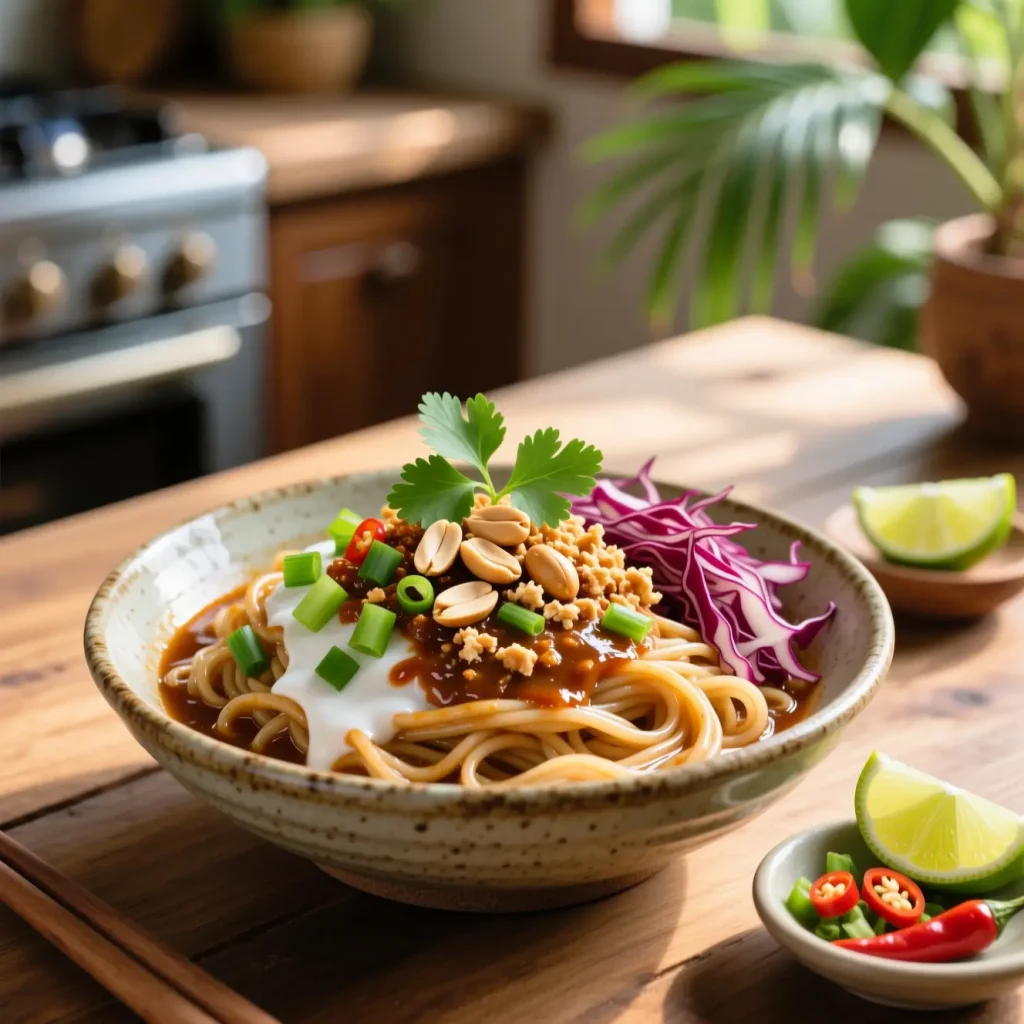
Many people love this recipe because it brings restaurant style flavor into the home kitchen without complicated techniques. A few pantry ingredients can quickly turn into a silky peanut sauce that clings to noodles and vegetables. The aroma of garlic, peanut butter, and soy sauce blends together to create a warm and inviting dish.
Thai peanut noodles also work well for both quick lunches and hearty dinners. The recipe comes together in a short amount of time, which makes it ideal for busy weeknights. At the same time, the dish feels special enough to serve for gatherings or family meals.
Another reason this dish is so popular is its flexibility. Different vegetables, proteins, or noodle types can easily be used depending on personal taste. Some cooks enjoy adding chicken or shrimp while others prefer tofu for a plant based option. Fresh herbs such as cilantro and lime juice bring brightness that balances the richness of the peanut sauce.
A bowl of Thai peanut noodles delivers creamy texture, savory flavor, and gentle spice all at once. The following guide explains how to prepare this delicious dish step by step so anyone can enjoy authentic inspired peanut noodles at home.
Ingredients Needed
The secret to flavorful Thai peanut noodles lies in a well balanced sauce combined with fresh ingredients.
| Ingredient | Quantity | Estimated Calories |
|---|---|---|
| Rice noodles or spaghetti | 8 ounces | 400 |
| Peanut butter | 1 half cup | 760 |
| Soy sauce | 3 tablespoons | 30 |
| Honey or brown sugar | 2 tablespoons | 120 |
| Lime juice | 2 tablespoons | 8 |
| Garlic minced | 2 cloves | 10 |
| Fresh ginger grated | 1 teaspoon | 2 |
| Sesame oil | 1 tablespoon | 120 |
| Warm water | 3 tablespoons | 0 |
| Shredded carrots | 1 cup | 50 |
| Sliced bell peppers | 1 cup | 40 |
| Green onions chopped | 2 tablespoons | 5 |
| Crushed peanuts optional | 2 tablespoons | 100 |
| Fresh cilantro optional | 2 tablespoons | 2 |
Step by Step Cooking Instructions
Begin by cooking the noodles according to the instructions on the package. Boil water in a large pot and add the noodles. Cook until tender but still slightly firm. Drain the noodles and rinse briefly with cool water to stop further cooking.
While the noodles cook, prepare the peanut sauce. In a medium bowl combine peanut butter, soy sauce, honey, lime juice, minced garlic, grated ginger, and sesame oil. Stir the mixture until it becomes smooth.
Add warm water slowly while stirring. The sauce should become creamy and pourable. Adjust the amount of water if a thinner consistency is desired.
Place the cooked noodles into a large mixing bowl. Pour the peanut sauce over the noodles and toss gently until every strand becomes coated with the rich sauce.
Add shredded carrots and sliced bell peppers to the bowl. Toss again so the vegetables mix evenly with the noodles.
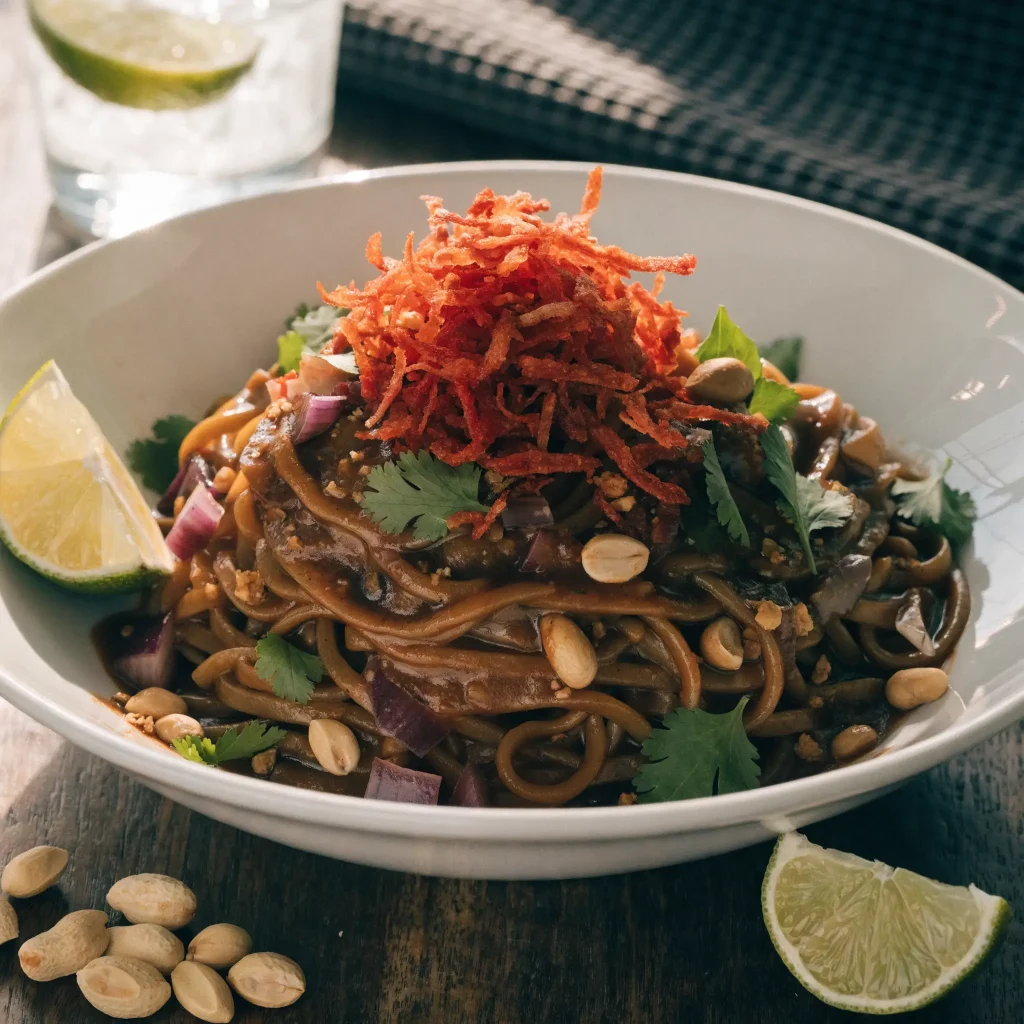
Transfer the noodles to serving bowls. Sprinkle chopped green onions, crushed peanuts, and fresh cilantro on top. Serve immediately while the noodles are warm and fragrant.
Tips for Customizing the Recipe
Thai peanut noodles can easily be adapted to suit different preferences. Small changes in ingredients can create unique flavor combinations.
Protein additions are a popular choice. Grilled chicken, shrimp, or tofu can be mixed with the noodles to create a more filling meal. Each option pairs nicely with the creamy peanut sauce.
Spice lovers often enjoy adding chili flakes or a spoonful of chili sauce. The heat balances the richness of peanut butter and creates a more authentic Thai inspired flavor.
Vegetables provide another opportunity for creativity. Cucumbers, cabbage, snap peas, or broccoli can add extra color and texture.
Some cooks prefer a lighter sauce. Increasing lime juice or adding a splash of rice vinegar can brighten the dish and reduce heaviness.
Whole wheat noodles or zucchini noodles can also be used for a healthier version while maintaining the same delicious peanut flavor.
Nutritional Information
Thai peanut noodles offer a combination of carbohydrates, protein, and healthy fats. The noodles provide energy while peanut butter supplies protein and heart friendly fats.
A typical serving contains approximately four hundred to five hundred calories depending on portion size and added ingredients. Peanut butter contributes most of the calories but also provides nutrients such as magnesium and vitamin E.
Vegetables like carrots and peppers introduce vitamins and antioxidants that support overall health. These ingredients also add fiber which supports digestion.
Sesame oil contributes healthy fats and enhances the aroma of the dish. When consumed in moderation, these fats can support balanced nutrition.
Pairing peanut noodles with additional vegetables or lean protein can create a complete and satisfying meal.
Serving Suggestions
Thai peanut noodles can be served in many creative ways. The most common method involves serving them warm in a bowl topped with fresh herbs and crushed peanuts.
Cold peanut noodles also taste wonderful. Chilling the noodles for a short time creates a refreshing noodle salad that works well for summer meals.
For a complete dinner, serve the noodles alongside grilled chicken or shrimp. The smoky flavor of grilled protein pairs beautifully with the creamy sauce.
Lettuce wraps offer another creative serving option. Spoon the noodles into large lettuce leaves for a lighter presentation.
Fresh lime wedges placed on the side allow guests to add extra citrus flavor according to their preference.
4
servings10
minutes10
minutes450
kcalIngredients
IngredienttQuantity
Rice noodles or spaghettit8 ounces
Peanut buttert1 half cup
Soy saucet3 tablespoons
Honey or brown sugart2 tablespoons
Lime juicet2 tablespoons
Garlic mincedt2 cloves
Fresh ginger gratedt1 teaspoon
Sesame oilt1 tablespoon
Warm watert3 tablespoons
Shredded carrotst1 cup
Bell pepper slicedt1 cup
Green onions choppedt2 tablespoons
Crushed peanuts optionalt2 tablespoons
Fresh cilantro optionalt2 tablespoons
Directions
- Cook noodles according to package instructions. Drain and set aside.
- In a bowl mix peanut butter, soy sauce, honey, lime juice, garlic, ginger, and sesame oil.
- Add warm water gradually and stir until the sauce becomes smooth and creamy.
- Place cooked noodles in a large bowl and pour the peanut sauce over them.
- Toss the noodles until evenly coated with sauce.
- Add shredded carrots and sliced bell peppers and mix gently.
- Serve the noodles in bowls and garnish with green onions, crushed peanuts, and cilantro.
Notes
- Use warm water to help the peanut butter blend smoothly into the sauce. Adjust sweetness or saltiness according to taste by adding more honey or soy sauce. Chili sauce or red pepper flakes can be added for extra spice. These Thai peanut noodles can be served warm or chilled and pair wonderfully with grilled chicken, shrimp, or tofu. 🍜🥜
Frequently Asked Questions
What noodles work best for Thai peanut noodles
Rice noodles are the traditional choice. However spaghetti, udon, or soba noodles also work well.
Can peanut noodles be made ahead of time
Yes. The dish can be prepared several hours in advance and stored in the refrigerator. Stir well before serving.
How can the sauce be made thinner
Adding small amounts of warm water while mixing the sauce will create a smoother and thinner texture.
Is this dish spicy
The basic recipe is mild. Chili sauce or red pepper flakes can be added to increase heat.
Can this recipe be vegan
Yes. Replace honey with maple syrup or brown sugar to make the dish fully plant based.
Conclusion
Thai peanut noodles bring together creamy sauce, tender noodles, and vibrant vegetables in one satisfying bowl. The rich peanut flavor balanced with lime and garlic creates a comforting meal that feels both simple and exciting.
Easy preparation and flexible ingredients make the recipe suitable for many kitchens. Whether served warm for dinner or chilled as a noodle salad, the dish offers flavor, texture, and nourishment in every bite.