Caesar Salad Classic Recipe Ingredients Nutrition and Easy Preparation Guide
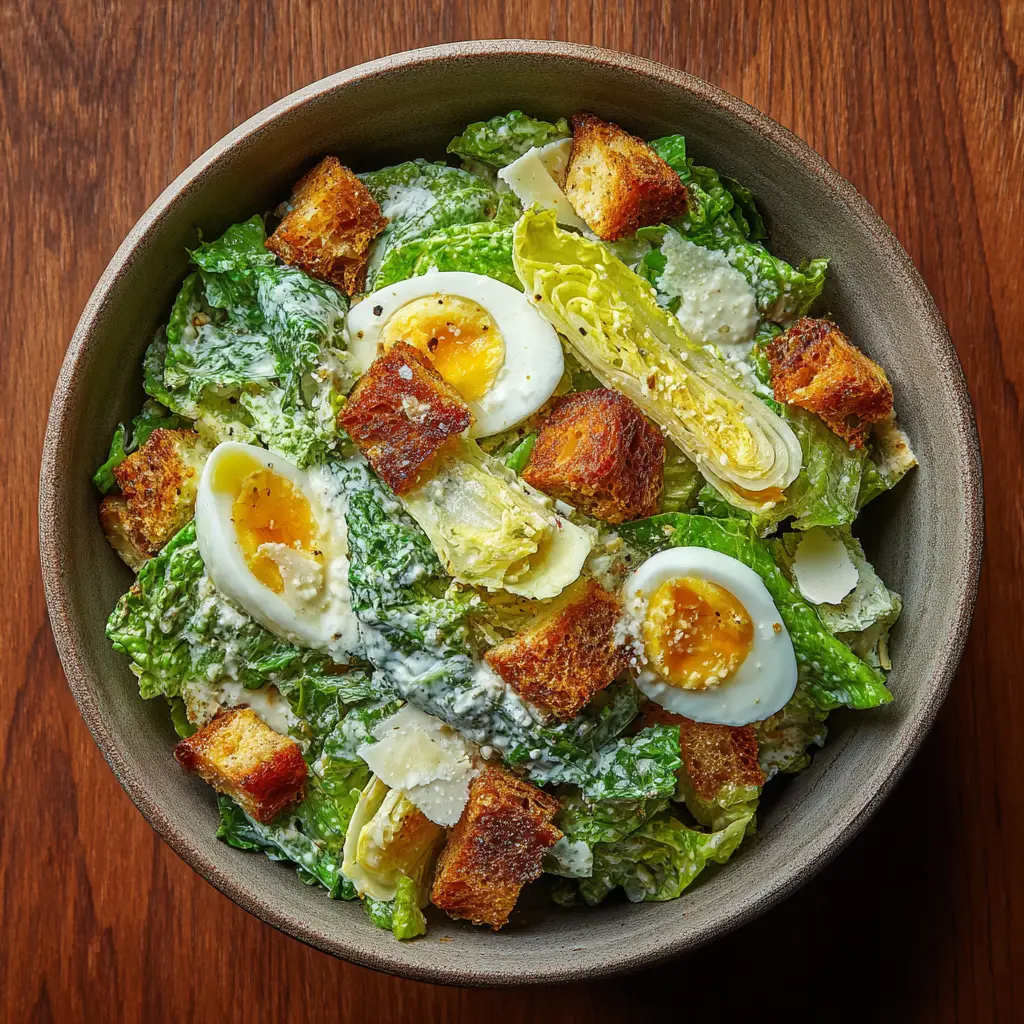
Caesar salad stands as one of the most recognizable and loved dishes in modern cuisine. The name alone brings to mind crisp romaine lettuce, rich and creamy dressing, and the savory bite of parmesan cheese.
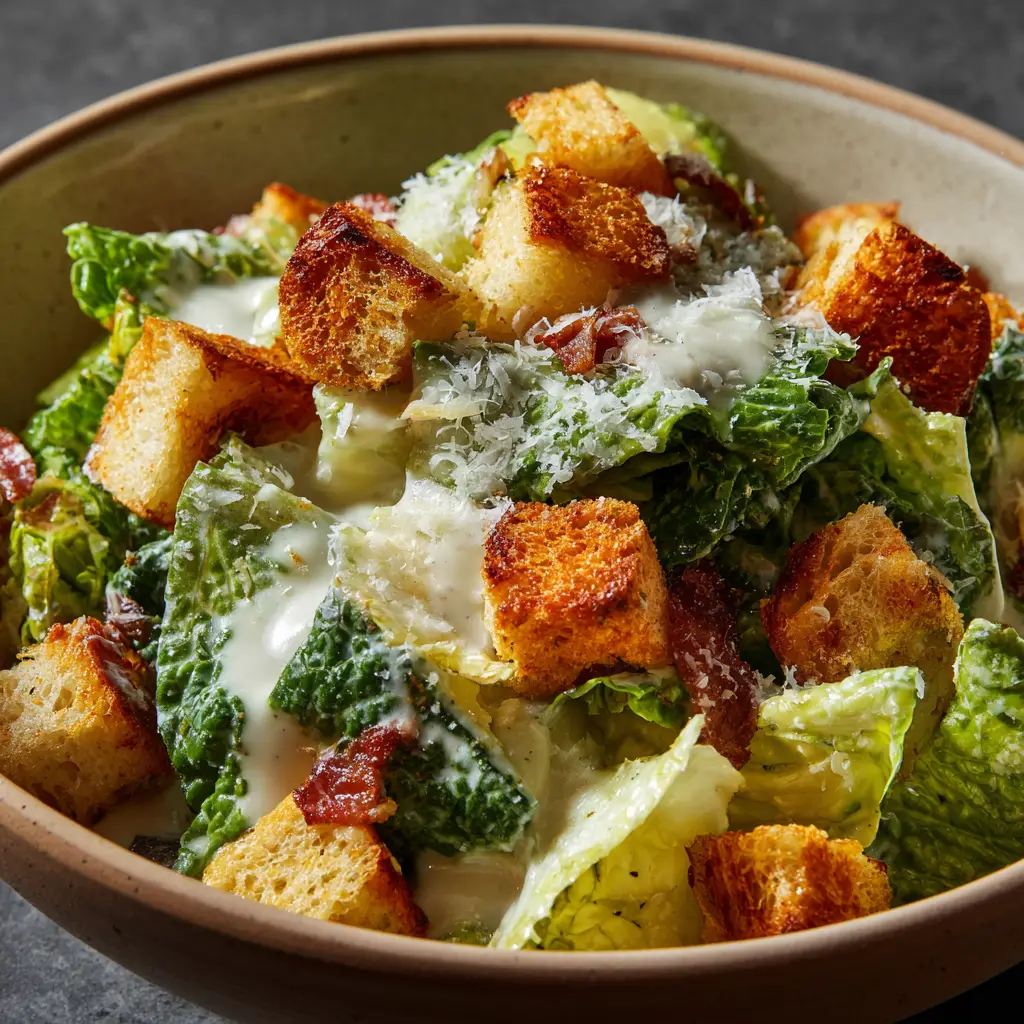
Many people associate it with restaurants and cafes, yet the true magic of a classic caesar salad often reveals itself at home. Fresh ingredients, careful preparation, and attention to balance can transform a simple bowl of greens into a memorable meal.
Ingredients Needed
Freshness defines a great caesar salad. Choosing quality ingredients elevates flavor and texture without extra effort. Each component plays a role, and balance matters more than quantity. Below is a clear overview of what you need, along with approximate calorie counts per serving ingredient.
| Ingredient | Quantity | Approximate Calories |
|---|---|---|
| Romaine lettuce | 2 large heads | 30 |
| Parmesan cheese | 1 cup grated | 220 |
| Bread for croutons | 2 cups cubed | 260 |
| Olive oil | 1 half cup total | 960 |
| Garlic cloves | 2 cloves | 10 |
| Egg yolks | 2 yolks | 110 |
| Lemon juice | 3 tablespoons | 10 |
| Dijon mustard | 1 teaspoon | 5 |
| Anchovy fillets optional | 2 fillets | 15 |
| Black pepper | To taste | 0 |
| Salt | To taste | 0 |
Calorie values vary by brand and portion size. These numbers provide a general reference for planning and balance.
Step by Step Cooking Instructions
Preparation sets the foundation for success. Begin with the lettuce. Separate the romaine leaves and rinse them under cold water. Dirt often hides near the base. Dry the leaves thoroughly using a salad spinner or clean kitchen towels. Excess moisture weakens the dressing and reduces crunch. Tear the leaves into bite sized pieces and refrigerate them while preparing the other elements.
Croutons add texture and warmth. Preheat the oven to medium heat. Place bread cubes in a bowl and drizzle with olive oil. Add one minced garlic clove and a light sprinkle of salt. Toss gently to coat each piece. Spread the cubes in a single layer on a baking sheet. Bake until golden and crisp, turning once for even browning. Remove and allow them to cool. Properly made croutons should feel crisp on the outside and slightly tender inside.
The dressing defines caesar salad. In a bowl, combine egg yolks, lemon juice, Dijon mustard, and the remaining garlic clove finely minced. Whisk until smooth. If using anchovy fillets, mash them into a paste and add them to the mixture. Slowly drizzle olive oil into the bowl while whisking constantly. This steady motion creates a thick and creamy emulsion. Add grated parmesan cheese and black pepper. Taste and adjust salt carefully, especially if anchovies are included.
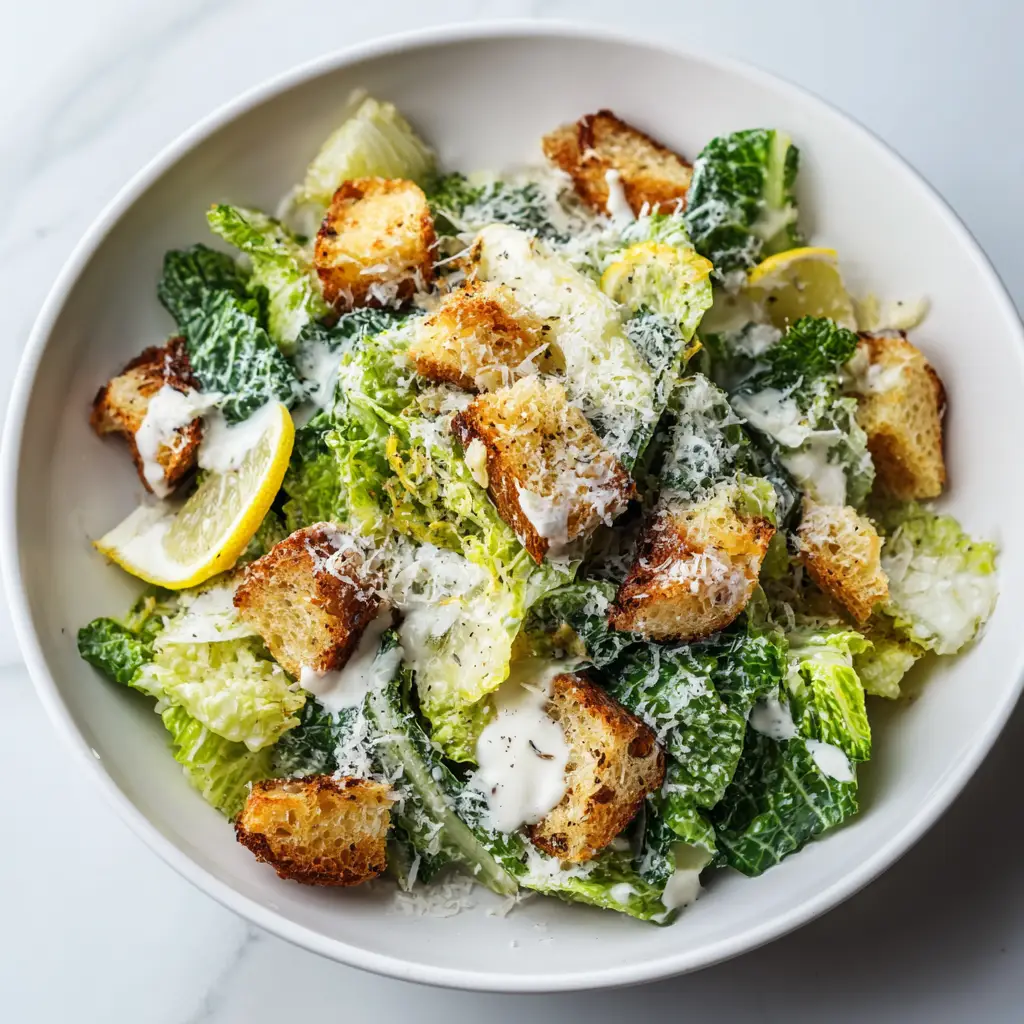
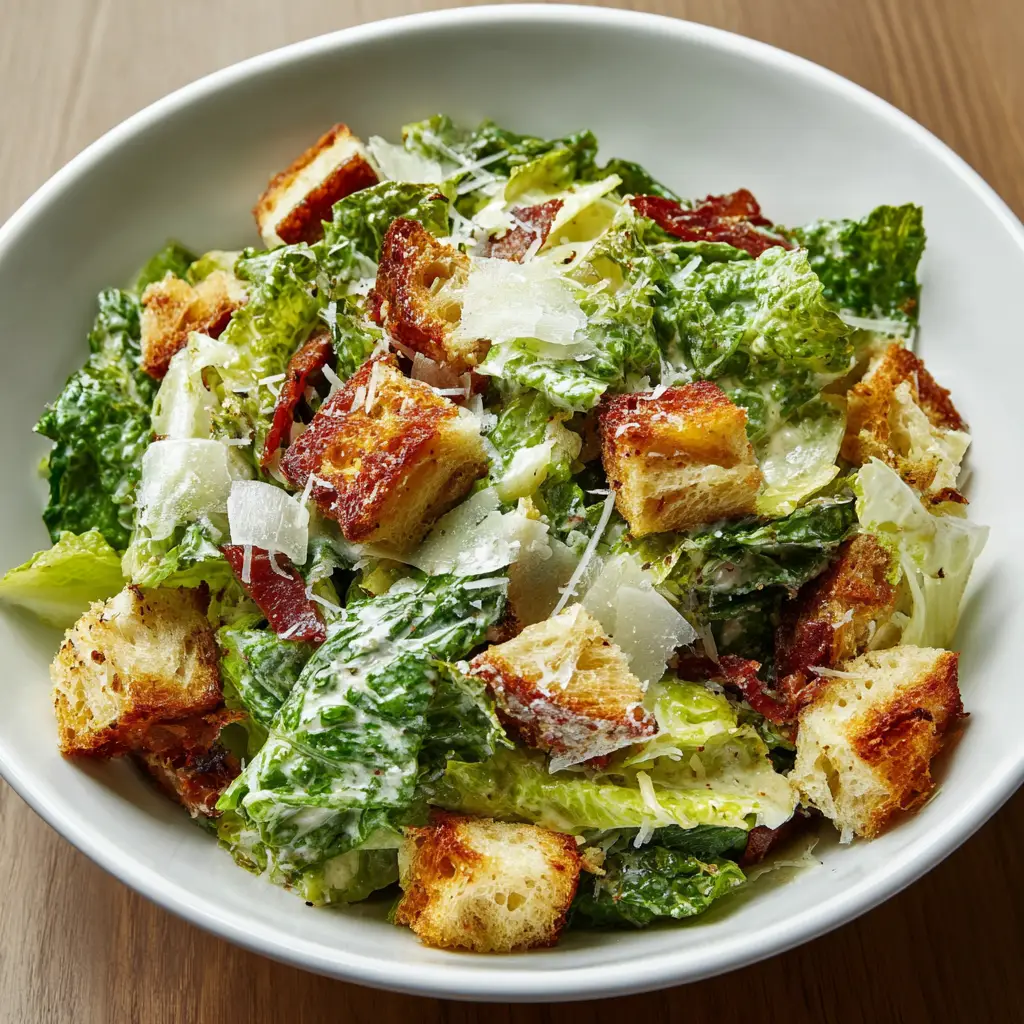
Assembly brings everything together. Place chilled lettuce in a large bowl. Spoon dressing over the leaves, starting with a small amount. Toss gently using clean hands or large spoons. The goal involves coating the leaves without drowning them. Add more dressing as needed. Sprinkle croutons and extra parmesan cheese on top. Finish with a final twist of black pepper.
Serve immediately for the best texture and flavor. Delayed serving softens the lettuce and croutons, reducing contrast and appeal.
Tips for Customizing the Recipe
Personal taste shapes every kitchen. Caesar salad welcomes variation while maintaining its identity. Adjusting ingredients allows the dish to suit different diets, moods, and occasions.
Protein additions turn caesar salad into a complete meal. Grilled chicken remains the most popular choice, offering mild flavor and satisfying texture. Shrimp adds sweetness and elegance, especially when lightly seasoned and seared. Salmon brings richness and pairs well with lemon forward dressing.
Cheese options also vary. Traditional parmesan provides sharpness, yet pecorino romano offers a saltier bite. A blend of both creates depth. For dairy free needs, nutritional yeast delivers savory flavor with fewer allergens.
Dressing texture adapts easily. Adding a spoon of plain yogurt lightens the dressing while keeping creaminess. Extra lemon juice increases brightness for those who prefer a tangy profile. Roasted garlic replaces raw garlic for a softer and sweeter note.
Greens do not need to stop at romaine. Kale adds chew and nutrients when massaged gently with olive oil. Mixed greens create visual interest, though they soften faster. Crisp lettuce varieties maintain structure and freshness.
Croutons invite creativity. Whole grain bread adds nuttiness. Sourdough offers tang. Seasoning with herbs like thyme or oregano introduces subtle complexity without overpowering the salad.
Nutritional Information
Caesar salad delivers more than flavor. Romaine lettuce provides vitamins A and K along with hydration and fiber. These nutrients support eye health, bone strength, and digestion. Garlic and lemon contribute antioxidants and immune support.
Protein from cheese and optional meat enhances satiety. Healthy fats from olive oil aid nutrient absorption and support heart health. Anchovies add omega three fatty acids and trace minerals in small yet impactful amounts.
Portion control matters. Traditional caesar salad dressing contains calories due to oil and cheese. Using fresh ingredients and mindful serving sizes keeps the dish balanced. Homemade dressing avoids preservatives and excess sugars often found in store bought versions.
For lighter needs, reducing dressing quantity and increasing greens maintains volume while lowering calories. Adding grilled vegetables like zucchini or asparagus increases fiber and micronutrients without heavy additions.
Serving Suggestions
Caesar salad fits many dining settings. As a starter, it prepares the palate without overwhelming it. Pair it with pasta, grilled meats, or roasted vegetables for a cohesive meal. Its crisp texture contrasts well with warm dishes.
Lunch service benefits from caesar salad bowls topped with protein and extra greens. This format feels satisfying without heaviness. Wraps and sandwiches also welcome caesar salad as a filling or side.
Entertaining guests becomes easier with caesar salad. Components can be prepared ahead and assembled just before serving. This approach preserves freshness while reducing last minute stress.
Seasonal touches enhance presentation. In warmer months, add fresh herbs or citrus zest. During cooler seasons, roasted vegetables or warm proteins create comfort and balance.

Caesar Salad Classic Recipe Ingredients Nutrition and Easy Preparation Guide
Course: Blog4
servings15
minutes30
minutes320
kcalIngredients
For the Salad
2 large heads romaine lettuce washed and dried
1 cup parmesan cheese freshly grated
2 cups bread cubes for croutons
2 tablespoons olive oil for croutons
1 garlic clove minced
For the Dressing
2 egg yolks
1 half cup olive oil
3 tablespoons fresh lemon j
Directions
- Start by preparing the croutons. Preheat the oven to medium heat. Place the bread cubes in a bowl and toss them with olive oil minced garlic and a light pinch of salt. Spread the cubes evenly on a baking tray and bake until golden and crisp. This usually takes about ten minutes. Remove from the oven and allow them to cool.
- Next prepare the dressing. In a mixing bowl add egg yolks lemon juice Dijon mustard garlic and anchovy if using. Whisk until smooth. Slowly pour in olive oil while whisking continuously. The mixture should become thick and creamy. Stir in grated parmesan cheese and season with black pepper and salt as needed. Taste and adjust seasoning.
Recipe Video
Notes
- For a lighter version use less dressing or replace part of the olive oil with plain yogurt. Grilled chicken shrimp or salmon can be added to make the salad a complete meal. Always serve fresh as the lettuce and croutons lose their crunch over time.
FAQs
What makes caesar salad different from other salads
Caesar salad stands out due to its creamy emulsified dressing, use of romaine lettuce, and combination of savory elements like parmesan cheese and garlic. The balance of richness and freshness defines its character.
Can caesar salad be made without raw egg
Yes. Pasteurized eggs reduce risk, and alternatives like yogurt or mayonnaise can replace raw egg while maintaining creaminess.
Are anchovies necessary in caesar salad
Anchovies add depth and umami, yet many versions omit them. Worcestershire sauce sometimes replaces anchovies for similar savory notes.
How long does homemade caesar dressing last
When stored in a sealed container in the refrigerator, homemade dressing stays fresh for up to three days. Always check aroma and texture before use.
Is caesar salad healthy
Caesar salad offers nutrients from greens and healthy fats. Balance depends on portion size and ingredient choices. Homemade versions allow better control over calories and sodium.
Conclusion
Caesar salad continues to earn its place as a timeless classic. Its success lies in simplicity paired with intention. Fresh romaine, bold dressing, and thoughtful texture create a dish that satisfies without complication. Home preparation reveals flavors that restaurant versions often miss, and the process itself builds confidence and skill.