Kabocha Squash Recipe Easy Healthy and Flavor Packed Homemade Dish
Kabocha squash has a quiet way of winning people over. The deep green skin hides bright orange flesh that feels rich and comforting from the first bite.
Home cooks around the world appreciate this squash for its naturally sweet flavor and creamy texture. Many discover it while exploring Japanese or Asian inspired dishes and then keep coming back because it works in so many everyday meals. Roasting brings out its nutty notes while gentle simmering turns it silky and soft.
Cooking kabocha squash at home does not require advanced skills or special tools. A simple recipe can turn this humble vegetable into a centerpiece worthy dish. The flesh becomes tender without falling apart. The skin softens enough to eat and adds extra nutrients. Each serving feels hearty and satisfying while still fitting into a balanced eating plan.
Ingredients Needed
Choosing good ingredients makes the biggest difference in flavor. Fresh kabocha squash should feel heavy for its size with firm skin. Olive oil adds richness while simple seasonings let the squash shine. Optional additions allow creative freedom without complicating the process.
The table below lists the core ingredients along with estimated calorie counts per serving. Calorie values are approximate and may vary based on portion size and brands used.
| Ingredient | Quantity | Estimated Calories |
|---|---|---|
| Kabocha squash | One medium squash | 240 |
| Olive oil | Two tablespoons | 240 |
| Garlic cloves | Three cloves | 15 |
| Onion | One medium | 45 |
| Sea salt | One teaspoon | 0 |
| Black pepper | Half teaspoon | 3 |
| Fresh herbs | Two tablespoons | 5 |
| Vegetable broth | Half cup | 15 |
Optional ingredients can include soy sauce honey ginger or chili paste. Calorie values will change if these additions are used. Keeping the base simple ensures the squash remains the star of the dish.
Step by Step Cooking Instructions
Preparing kabocha squash starts with safe handling. The skin is firm and requires a steady knife. Take time and move slowly. Once cut the process becomes smooth and enjoyable.
- Wash the squash thoroughly under running water. Dry it with a clean towel. Place it on a stable cutting board.
- Cut the squash in half from top to bottom. Scoop out the seeds using a spoon. Seeds can be cleaned and roasted later if desired.
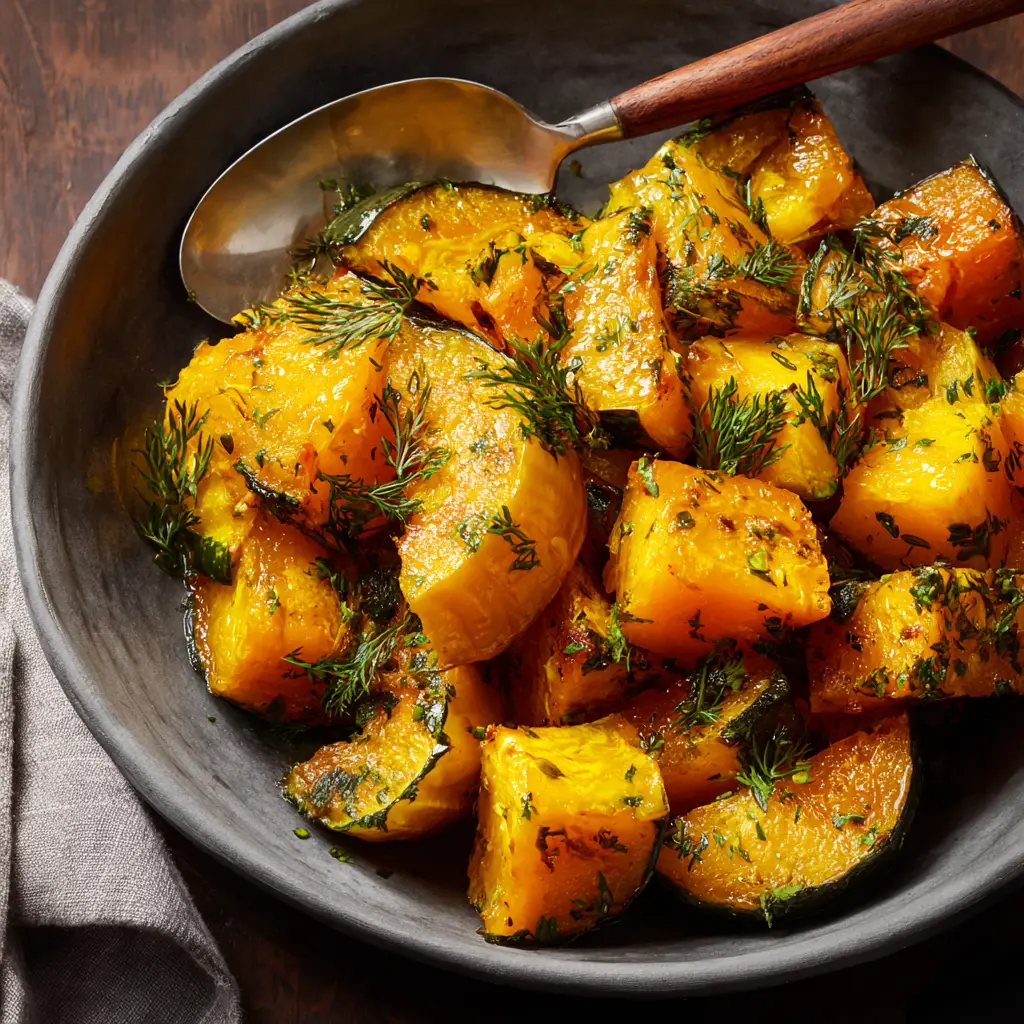
- Slice the squash into thick wedges. Leave the skin on. The skin becomes tender during cooking and adds texture.
- Preheat the oven to four hundred degrees Fahrenheit. Line a baking sheet with parchment paper or lightly oil the surface.
- Arrange the squash slices in a single layer. Drizzle olive oil over each piece. Sprinkle salt and black pepper evenly.
- Add sliced onion and crushed garlic around the squash. These aromatics enhance flavor as they roast.
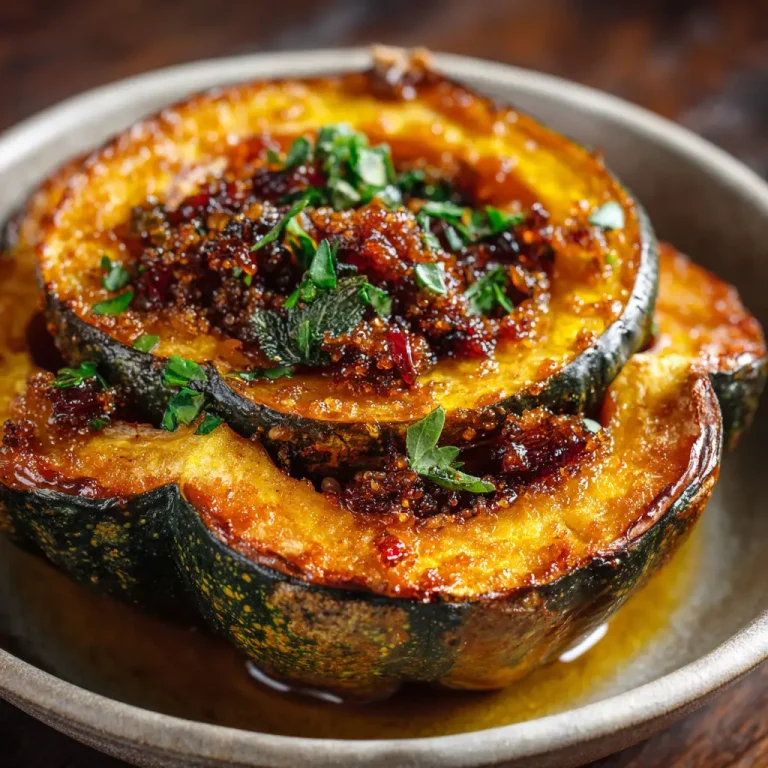
- Roast in the oven for about thirty five minutes. Turn the slices once halfway through. Look for golden edges and fork tender flesh.
- While the squash roasts warm the vegetable broth in a small pan. Add chopped fresh herbs and let them steep briefly.
- Remove the squash from the oven. Drizzle the warm broth mixture over the slices. Return the pan to the oven for five more minutes.
- Remove and let rest for a few minutes before serving. Resting allows flavors to settle and deepen.
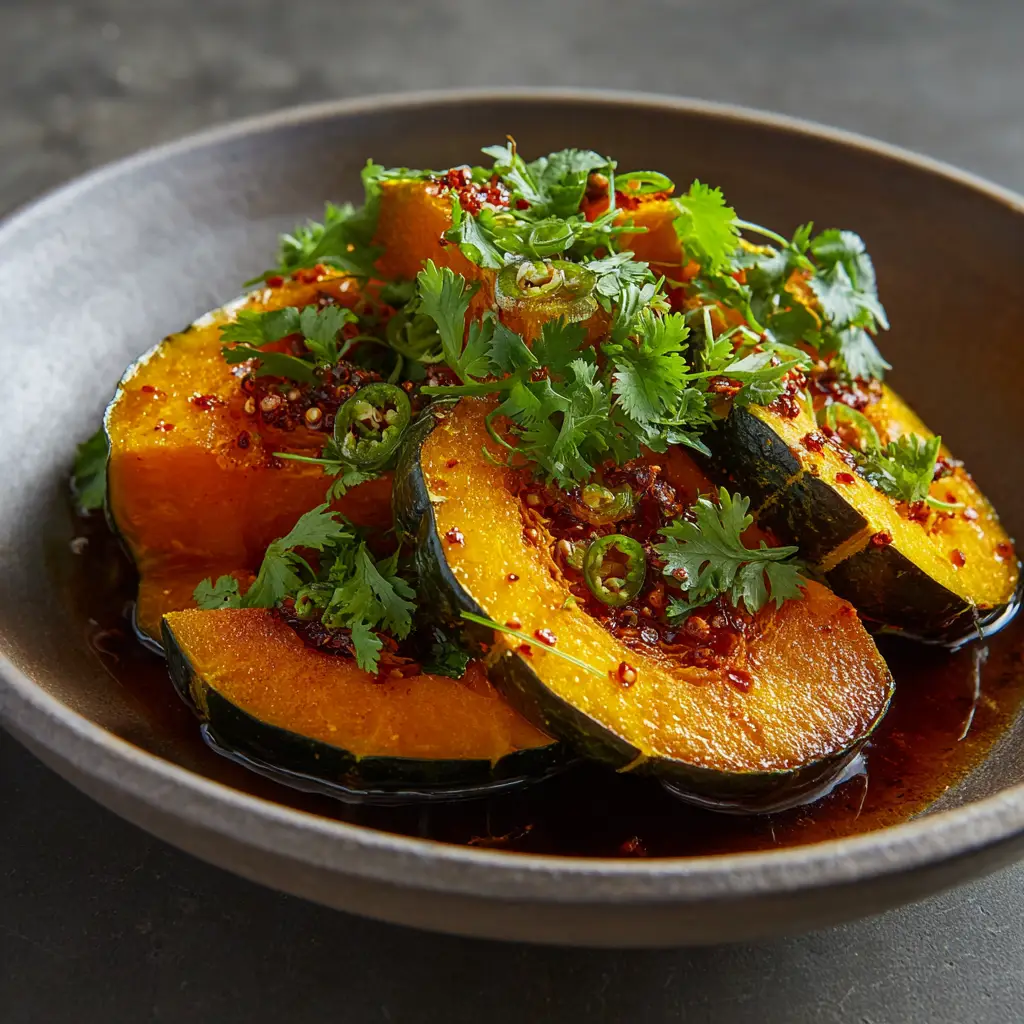
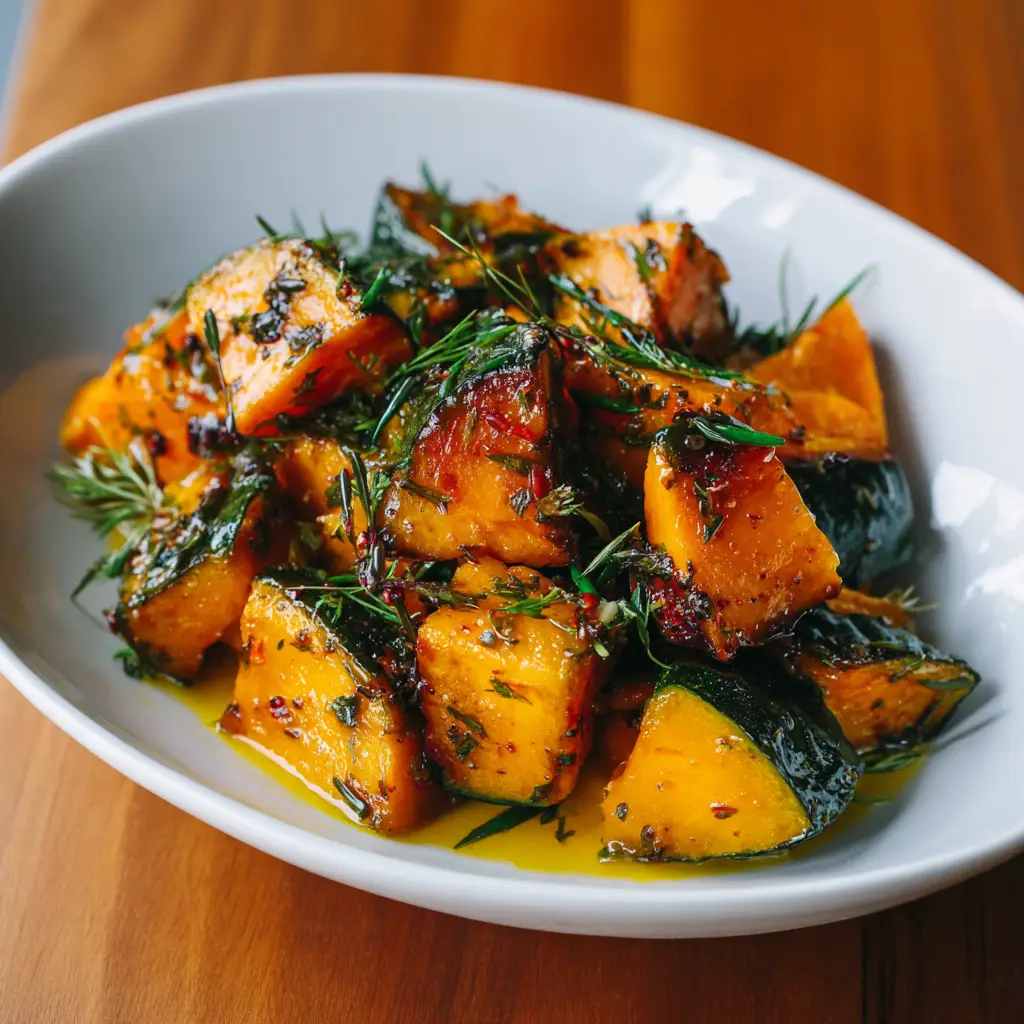
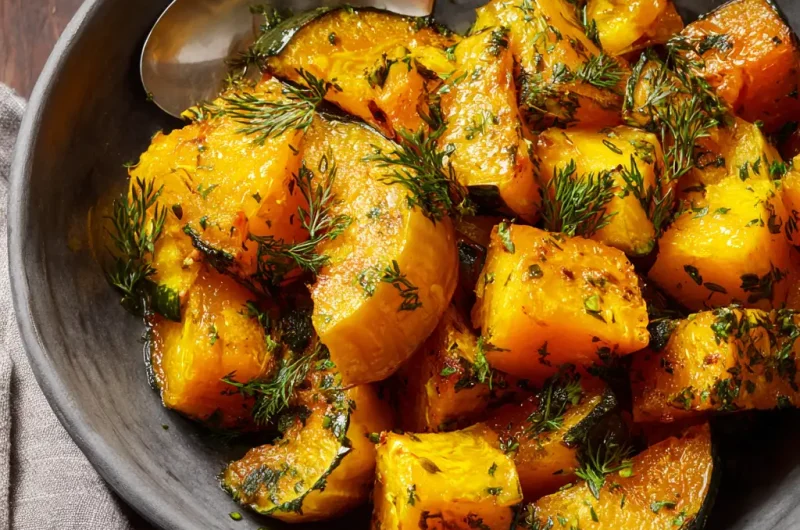
The result is tender squash with caramelized edges and a savory aroma. Each bite offers sweetness balanced by gentle seasoning. The texture remains creamy without becoming mushy.
Tips for Customizing the Recipe
One of the strengths of this kabocha squash recipe lies in its flexibility. Small changes create entirely new flavor profiles. Cooks can adapt it to seasonal ingredients dietary needs or personal preferences.
For a sweeter version add a drizzle of honey or maple syrup before roasting. The natural sugars caramelize and deepen the squash flavor. A pinch of cinnamon or nutmeg complements this style beautifully.
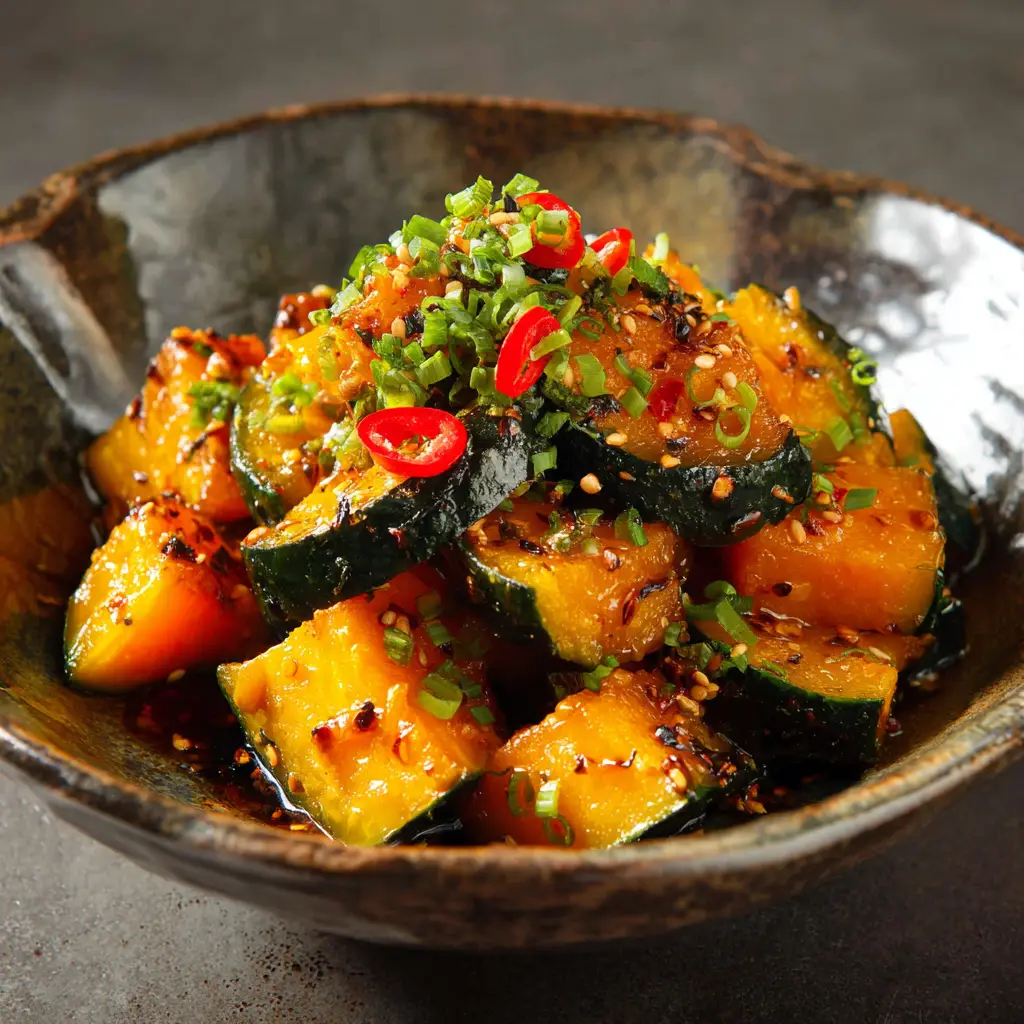
For a savory direction include soy sauce or miso mixed with the olive oil. These ingredients bring umami depth and work especially well with roasted garlic. A sprinkle of sesame seeds after cooking adds crunch.
Spice lovers can introduce heat with chili flakes or chili paste. Add these sparingly at first. Kabocha squash absorbs flavors easily so a little goes a long way.
Texture variations also matter. For crispier edges space the squash pieces farther apart on the baking sheet. Crowding traps steam and softens the exterior.
Those avoiding oil can roast with vegetable broth instead. Brush the slices lightly and monitor closely to prevent sticking. The flavor remains rich while calories decrease.
Fresh herbs change the personality of the dish. Rosemary offers earthiness. Thyme feels gentle and comforting. Cilantro adds brightness. Choose herbs that match the rest of the meal.
Protein additions turn the recipe into a full meal. Serve alongside tofu chicken or lentils. The squash pairs well with both plant based and animal proteins.
Nutritional Information
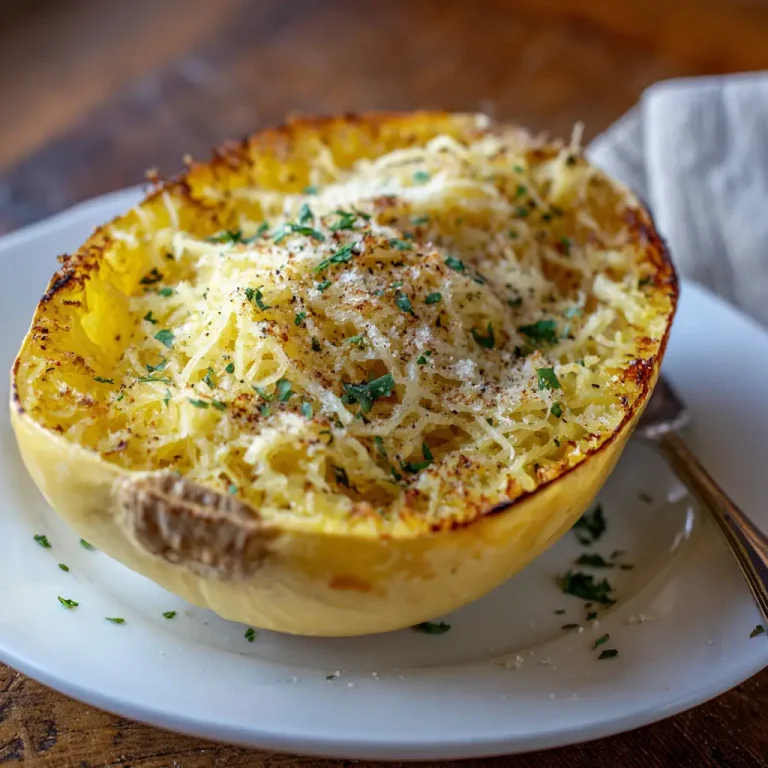
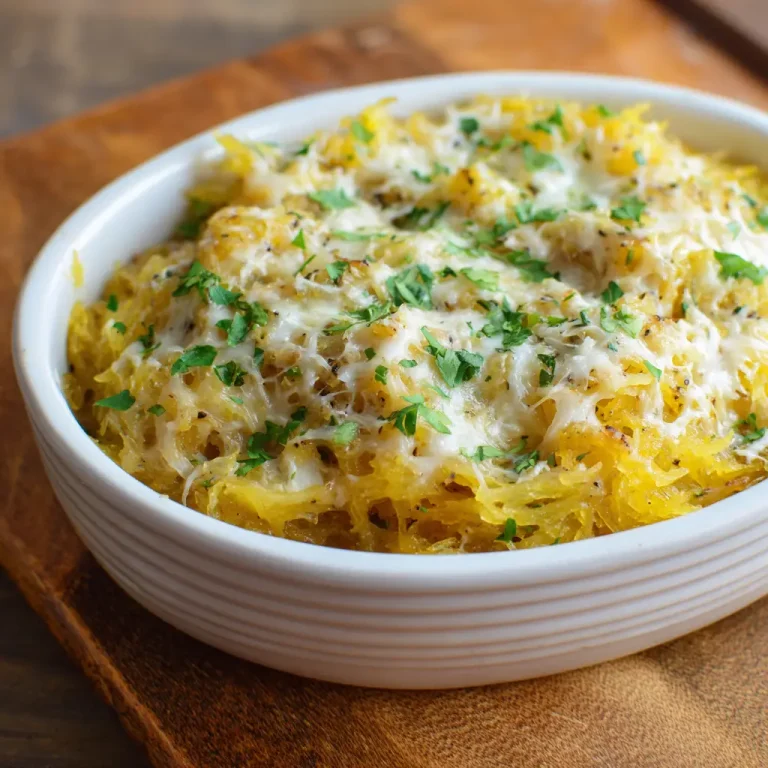
Kabocha squash delivers impressive nutrition in a modest package. One serving provides fiber that supports digestion and helps maintain steady energy levels. The bright orange flesh signals high beta carotene content which converts to vitamin A in the body.Pair this meal with Spaghetti Squash Casserole for a complete experience.
Vitamin C supports immune health and skin vitality. Potassium helps regulate fluid balance and muscle function. Magnesium contributes to nerve and muscle health. These nutrients work together to support overall wellness.
Compared to other starchy vegetables kabocha squash contains fewer calories. Its natural sweetness reduces the need for added sugars. The fiber content promotes fullness which can support weight management goals.
The olive oil used in the recipe contributes healthy fats. These fats aid nutrient absorption and add satiety. Garlic and onions offer antioxidants and anti inflammatory compounds.
Sodium levels remain moderate when seasoning is controlled. Those watching salt intake can adjust seasoning easily without sacrificing flavor.
This recipe suits many dietary patterns. It fits vegetarian and vegan lifestyles. It can be gluten free with no modifications. Whole food focused eaters appreciate its simplicity.
Serving Suggestions
Kabocha squash shines in many serving roles. Serve it as a side dish alongside roasted meats or grilled fish. The sweetness balances savory proteins beautifully.
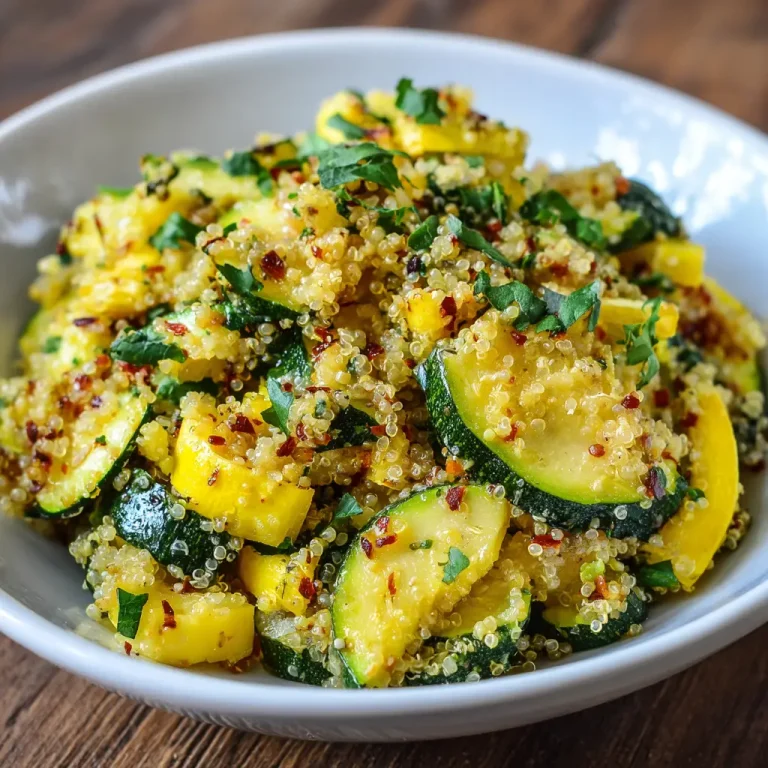
For a vegetarian plate pair the squash with quinoa or brown rice. Add a simple green salad for contrast. The textures and colors create a satisfying meal.
Leftovers work well in salads. Chop the roasted squash and toss with leafy greens nuts and a light vinaigrette. The squash adds warmth and depth.
Soups benefit from this recipe too. Blend roasted squash with vegetable broth and a splash of coconut milk for a creamy soup. The roasted flavor enhances richness.
Breakfast options include adding squash to grain bowls with eggs or tofu. The subtle sweetness pairs surprisingly well with savory breakfast flavors.
Holiday meals also welcome kabocha squash. Its color looks festive and its flavor feels comforting. Guests often appreciate a vegetable dish that feels indulgent yet wholesome.
Kabocha Squash Recipe Easy Healthy and Flavor Packed Homemade Dish
Course: Blog4
servings15
minutes40
minutes180
kcalIngredients
One medium kabocha squash
Two tablespoons olive oil
Three garlic cloves minced
One medium onion sliced
One teaspoon sea salt
Half teaspoon black pepper
Two tablespoons fresh herbs like thyme or parsley
Half cup vegetable broth
Directions
- Wash the kabocha squash well and pat it dry. Place it on a sturdy cutting board and carefully cut it in half. Scoop out the seeds and discard them or save for roasting later.
- Slice the squash into thick wedges. Keep the skin on since it softens during cooking and adds texture and nutrients.
- Preheat the oven to four hundred degrees Fahrenheit. Lightly grease a baking tray or line it with parchment paper.
- Arrange the squash slices on the tray in a single layer. Drizzle olive oil evenly over the pieces.
Recipe Video
Notes
- Choose a kabocha squash that feels heavy for its size for the best flavor and texture. For a sweeter taste add a small drizzle of honey or maple syrup before roasting. For a savory twist a splash of soy sauce or a pinch of chili flakes works well. Leftovers can be stored in the refrigerator for up to four days and reheat beautifully in the oven or on the stove.
Frequently Asked Questions
Can kabocha squash skin be eaten
Yes the skin becomes tender when cooked. It adds fiber and nutrients. Many people enjoy the slight chew it provides.
How should kabocha squash be stored before cooking
Store whole squash in a cool dry place. Once cut wrap tightly and refrigerate. Use within three days for best quality.
Can this recipe be made ahead of time
Yes roasted kabocha squash stores well. Keep it refrigerated in an airtight container for up to four days. Reheat gently to preserve texture.
Is kabocha squash sweet or savory
It offers natural sweetness balanced by earthy notes. Seasoning choices determine whether it leans sweet or savory.
Can frozen kabocha squash be used
Fresh squash works best. Frozen pieces may release more moisture and soften faster. Adjust cooking time if using frozen squash.
Conclusion
Cooking kabocha squash at home brings both comfort and confidence into the kitchen. The recipe feels approachable while delivering deep satisfying flavor. Each step supports success without pressure. The squash transforms into something special through simple techniques and thoughtful seasoning.