Sushi Rice Recipe: How to Make Perfect Sushi Rice at Home
Sushi is a beloved culinary art that combines simplicity with elegance. The foundation of every great sushi roll or nigiri lies in perfectly prepared sushi rice.
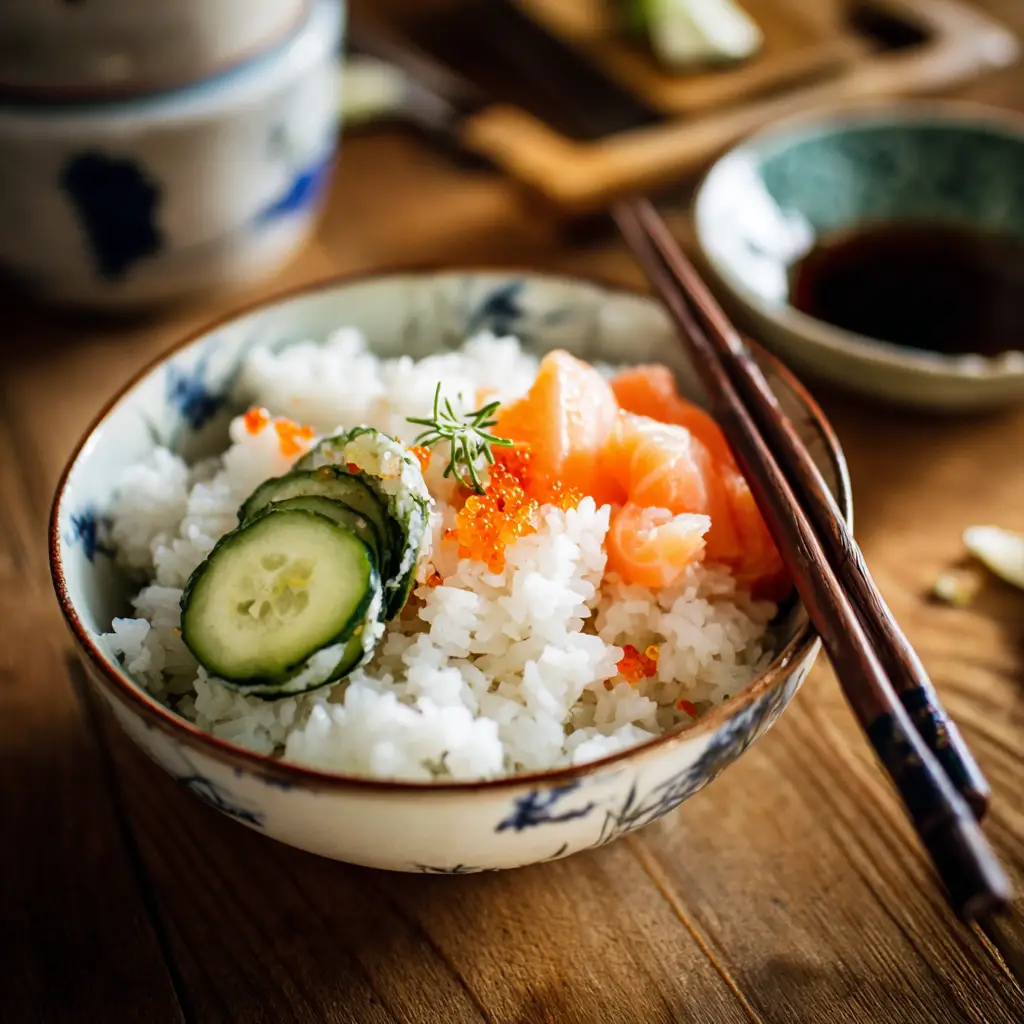
Achieving that ideal texture and flavor requires more than just cooking rice; it is an art form that balances sweetness, saltiness, and a gentle tang from rice vinegar. When sushi rice is made correctly, it becomes slightly sticky yet light, allowing it to hold its shape without becoming mushy. Many people underestimate the importance of sushi rice in Japanese cuisine, focusing only on fresh fish or creative fillings. However, even the most exquisite fish will not shine if paired with poorly prepared rice. Learning a sushi rice recipe that emphasizes texture, flavor, and balance is an essential skill for any home cook who wants to replicate authentic sushi experiences.
Ingredients Needed
To create sushi rice that rivals your favorite sushi restaurant, you need high-quality ingredients. Below is a table listing essential ingredients along with their approximate calorie count per serving.
| Ingredient | Quantity | Approximate Calories |
|---|---|---|
| Short-grain sushi rice | 2 cups | 480 kcal |
| Water | 2 1/2 cups | 0 kcal |
| Rice vinegar | 1/3 cup | 60 kcal |
| Granulated sugar | 3 tablespoons | 150 kcal |
| Salt | 1 teaspoon | 0 kcal |
| Optional kombu (dried kelp) | 1 piece | 5 kcal |
Selecting ingredients carefully is crucial for authentic results. High-quality sushi rice will yield sticky, tender grains, while seasoned rice vinegar ensures a balanced taste. Sugar and salt create a harmony that enhances the natural sweetness of the rice. Kombu, often used in Japanese cooking, imparts a subtle umami flavor that elevates the rice without overwhelming it.
Step-by-Step Cooking Instructions
- Rinse the rice thoroughly: Place the rice in a large bowl and cover it with cold water. Gently swirl the grains with your hand, then drain. Repeat this process four to five times until the water becomes mostly clear. Proper rinsing removes excess starch, preventing clumping.Pair this meal with Shrimp Fried Rice for a complete experience.
- Soak the rice: After rinsing, soak the rice in clean water for 30 minutes. This step allows the grains to absorb water evenly, resulting in a soft yet firm texture after cooking.
- Cook the rice: Transfer the soaked rice to a rice cooker or heavy-bottomed pot. Add the measured water and place a piece of kombu on top if using. Cover and cook according to your rice cooker instructions or simmer on low heat on the stovetop until water is absorbed, usually 15 to 20 minutes. Avoid lifting the lid during cooking to ensure even steaming.
- Prepare the seasoning: While the rice is cooking, combine rice vinegar, sugar, and salt in a small saucepan. Heat gently over low heat until the sugar dissolves completely. Do not boil. Allow the mixture to cool slightly.
- Season the rice: Transfer the cooked rice to a large wooden or non-metallic bowl. Remove the kombu if added. Pour the vinegar mixture over the rice and use a wooden spatula or rice paddle to fold the rice gently. Avoid stirring aggressively to prevent breaking the grains. Fan the rice as you fold to cool it quickly and give it a glossy finish.
- Let the rice rest: Cover the seasoned rice with a damp cloth and let it rest for 10 minutes. This allows flavors to meld and the rice to reach the ideal sticky consistency for sushi preparation.
Tips for Customizing the Recipe
Customizing sushi rice opens the door to personal flavor preferences and creative dishes. Adjust the balance of sugar and salt to suit your taste. Some chefs prefer a slightly sweeter rice, while others enjoy a more tangy flavor from the vinegar. Adding a small amount of mirin can enhance sweetness naturally.
Experiment with flavor infusions, such as lightly toasting the rice before cooking or adding a touch of dashi for a subtle umami note. For those avoiding refined sugar, alternatives like honey or agave syrup can provide sweetness without overpowering the rice. Adjusting water levels slightly can also alter rice stickiness, making it easier to handle for nigiri or inside-out rolls.
Temperature control is another important factor. Warm rice is easier to shape and binds more effectively, while overcooled rice can become hard and less sticky. Using a wooden or bamboo spatula is recommended to maintain texture and prevent rice from becoming mushy.

Nutritional Information
Sushi rice is not only delicious but also provides a moderate source of energy. A serving of approximately one cup of cooked sushi rice contains around 240 calories, primarily from carbohydrates. It is low in fat but contains essential nutrients like small amounts of protein and minerals from the rice itself.
Adding seasoned rice vinegar contributes negligible calories while enhancing flavor. Optional kombu adds trace minerals, including iodine, which supports thyroid health. Sugar content can be adjusted to maintain a balance between taste and health, making sushi rice a flexible component for a balanced diet.
Serving Suggestions
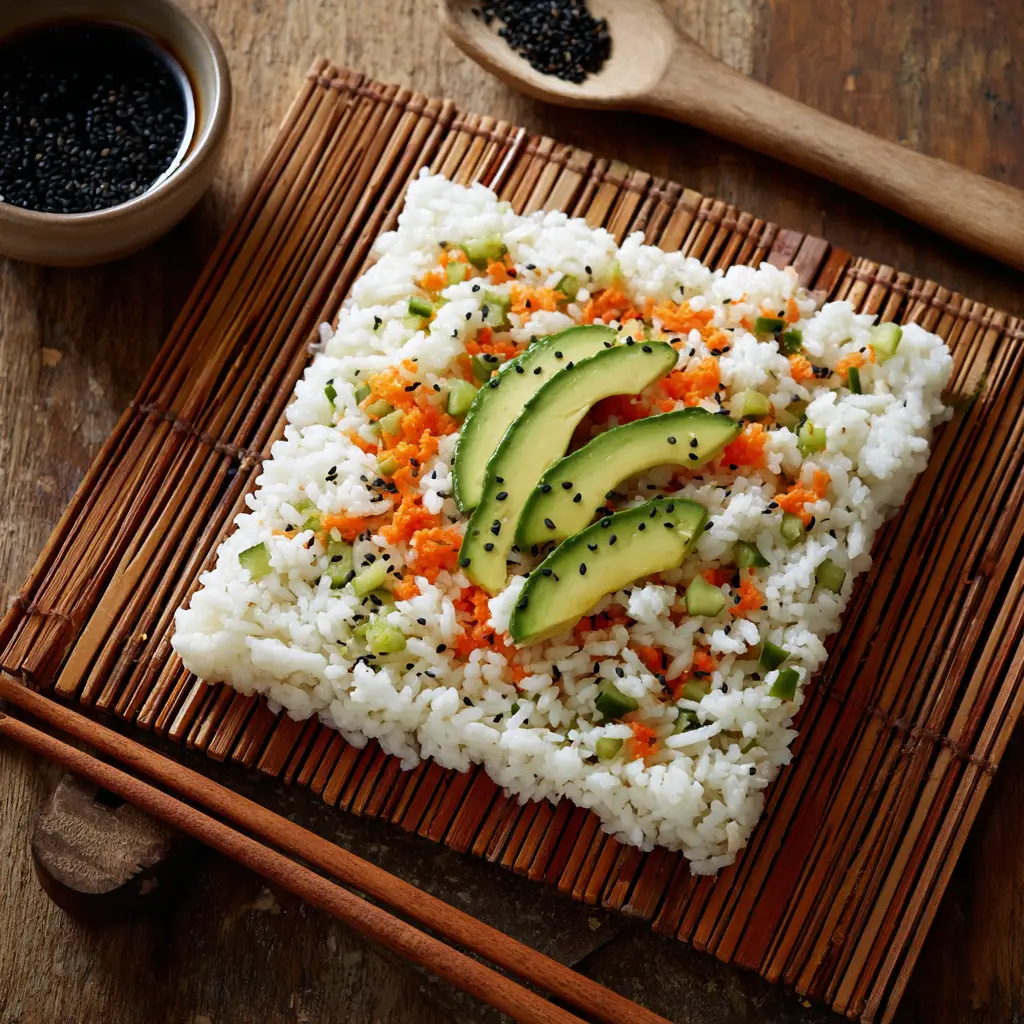
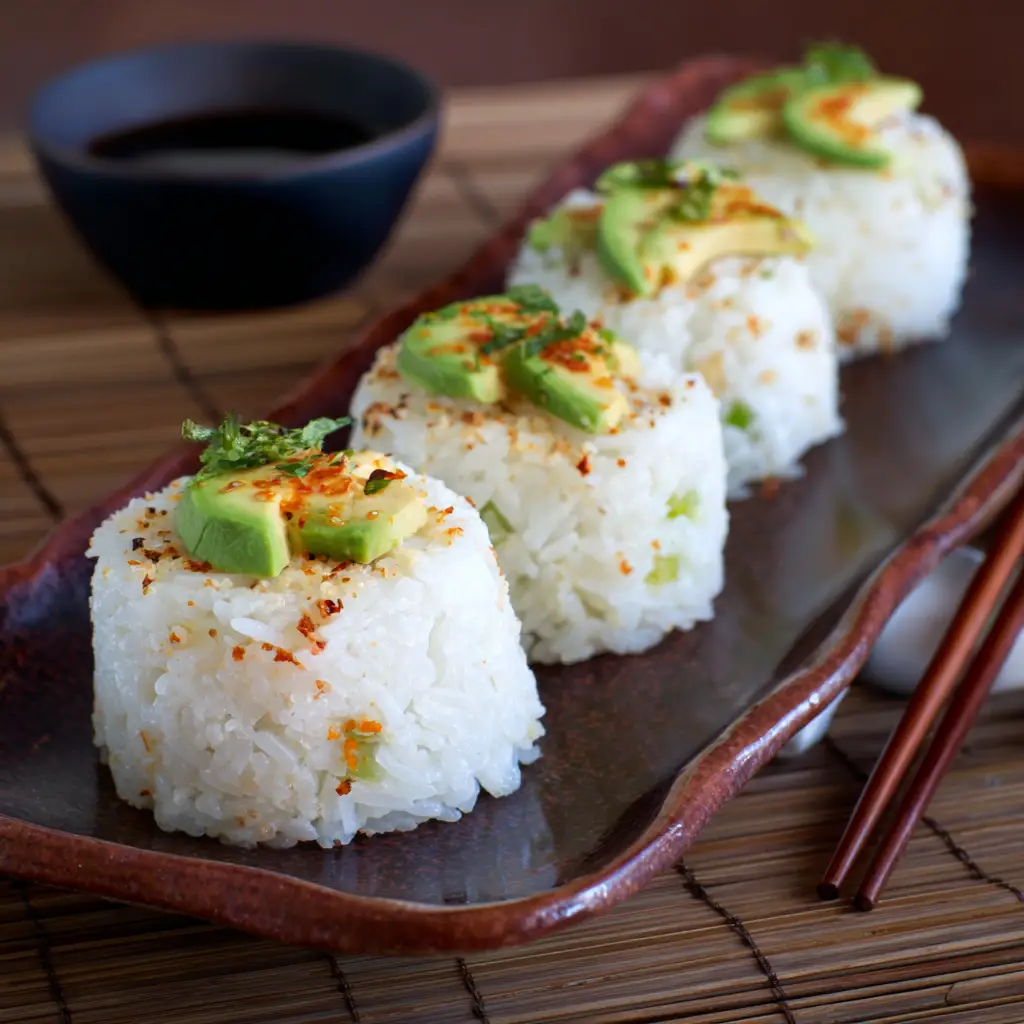
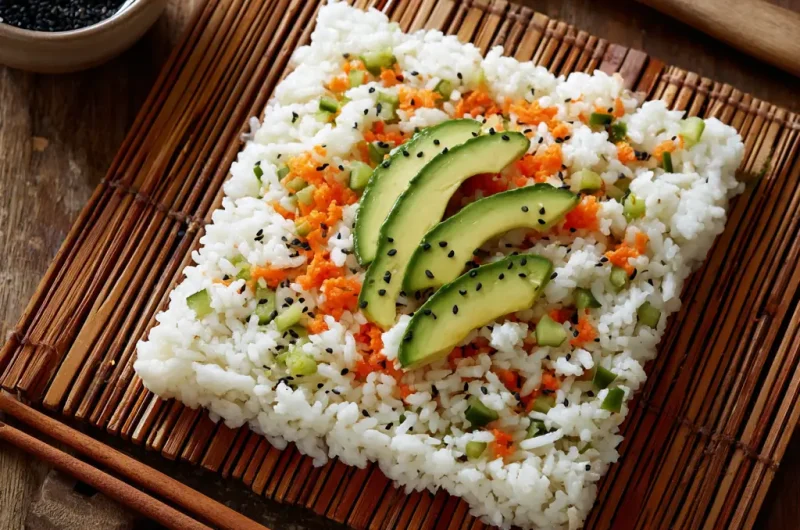
Sushi rice is versatile and can be used in a variety of dishes. The most common use is in sushi rolls, combining rice with fresh fish, vegetables, and nori sheets. Nigiri sushi showcases hand-pressed rice topped with slices of fish or seafood. For a vegetarian twist, sushi rice pairs beautifully with avocado, cucumber, pickled vegetables, or tofu.
Sushi rice also works as a base for rice bowls, chirashi sushi, or even as a side dish for grilled proteins. For entertaining, forming small rice balls and serving them with dipping sauces adds a fun and elegant touch. The sticky yet tender consistency ensures it holds shape in any preparation.
Sushi Rice Recipe: How to Make Perfect Sushi Rice at Home
Course: Blog4
servings40
minutes20
minutes180
kcalIngredients
IngredienttQuantity
Short-grain sushi ricet2 cups
Watert2 1/2 cups
Rice vinegart1/3 cup
Granulated sugart3 tablespoons
Saltt1 teaspoon
Directions
- Rinse the rice: Place rice in a large bowl and cover with cold water. Gently swirl the rice with your hand and drain. Repeat 4–5 times until water is mostly clear.
- Soak the rice: Cover rinsed rice with fresh water and let it soak for 30 minutes.
- Cook the rice: Transfer rice to a rice cooker or pot. Add water and kombu if using. Cook according to your rice cooker instructions or simmer on the stovetop until water is absorbed, about 15–20 minutes. Remove kombu after cooking.
Recipe Video
Notes
- Use short-grain or medium-grain rice for best results; long-grain rice will not stick properly.
Avoid stirring aggressively to prevent rice from becoming mushy.
Warm rice is easier to shape for sushi rolls or nigiri.
Optional kombu adds subtle umami flavor.
Adjust sugar and salt to suit your taste preferences.
Frequently Asked Questions
Can I use long-grain rice for sushi?
Long-grain rice lacks the stickiness required for sushi and will not hold together well. Short-grain or medium-grain rice is recommended.
Why do I need to rinse sushi rice?
Rinsing removes excess surface starch, preventing the rice from becoming gummy or overly sticky.
Can I make sushi rice ahead of time?
Sushi rice is best served fresh. Storing it in the refrigerator can dry out the rice and affect texture. If necessary, keep it covered at room temperature for a few hours.
Can I use a rice cooker for sushi rice?
Yes, a rice cooker provides consistent results. Ensure you follow the water-to-rice ratio for sticky, fluffy grains.
How do I keep sushi rice from sticking to my hands?
Lightly wetting your hands with water or rice vinegar prevents rice from sticking when shaping rolls or nigiri.
Conclusion
Perfect sushi rice transforms a simple meal into a delightful culinary experience. Attention to detail in rinsing, soaking, cooking, and seasoning creates a tender, slightly sticky texture that enhances every bite. By understanding the role of rice in sushi, home cooks can elevate their dishes and enjoy authentic flavors without leaving the kitchen.