Wild Rice Recipe: How to Cook Nutritious and Delicious Wild Rice
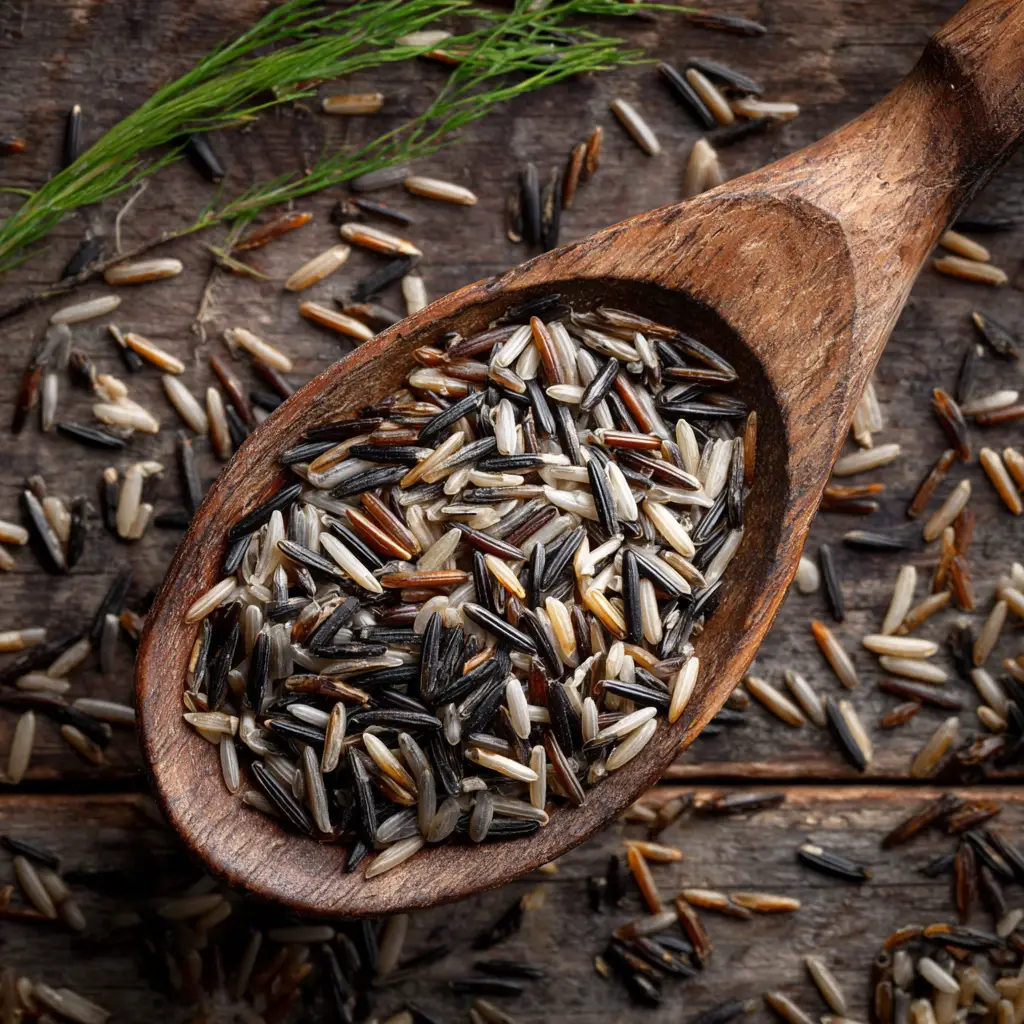
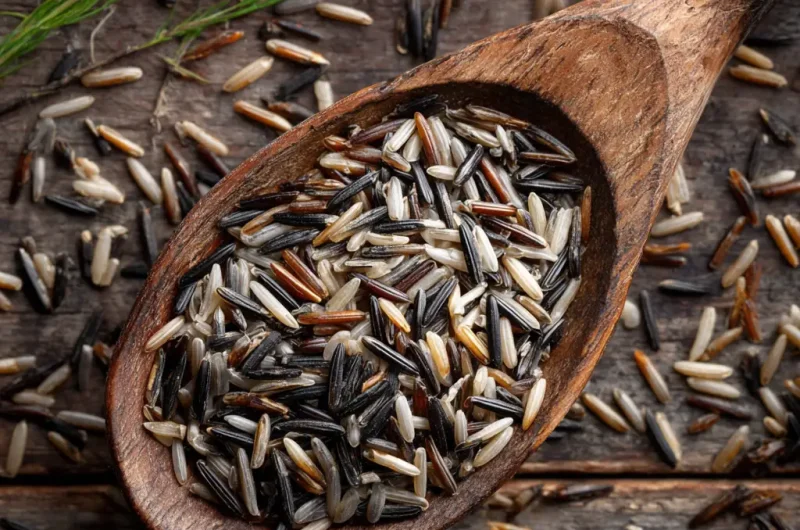
Wild rice has captivated culinary enthusiasts for centuries with its nutty flavor, firm texture, and earthy aroma. Unlike regular rice, wild rice is technically a seed from a grass that grows in freshwater lakes and rivers.
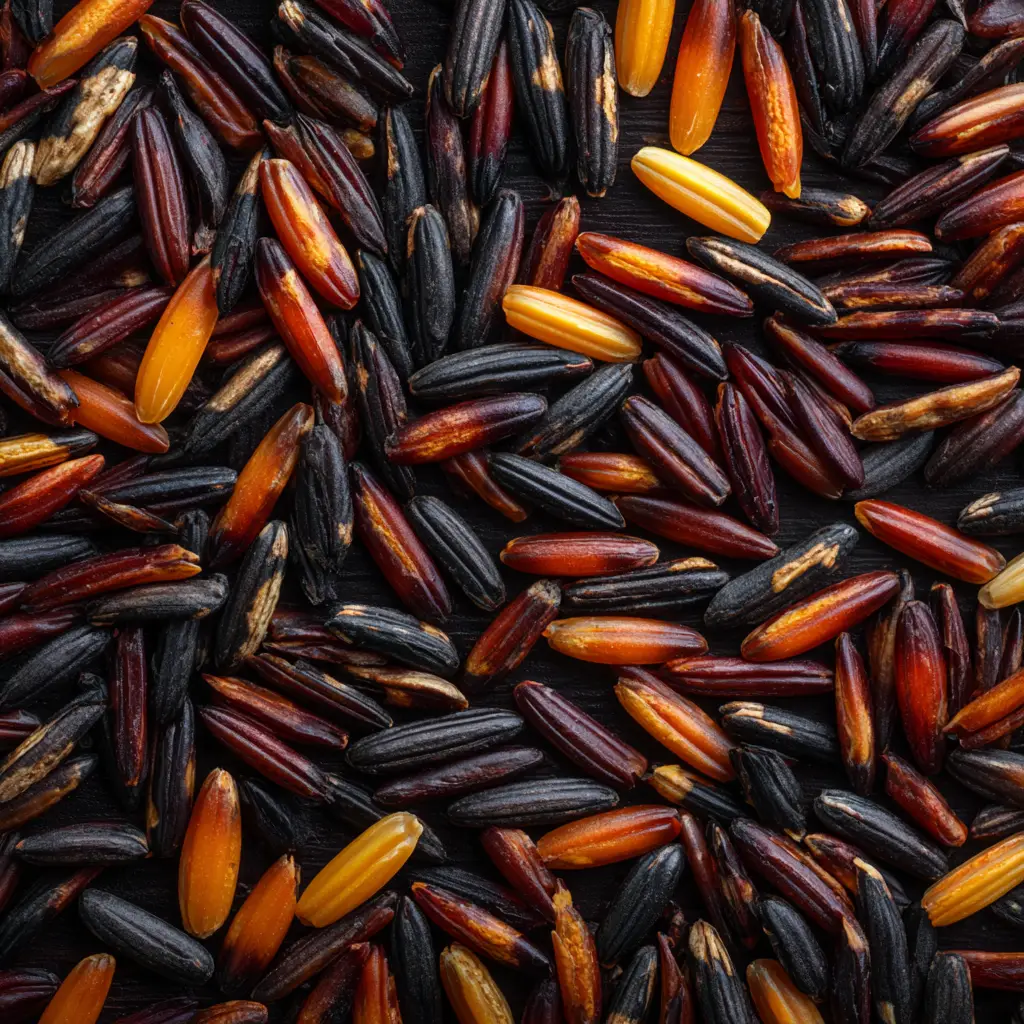
Its unique flavor profile and chewy texture make it a versatile ingredient that pairs beautifully with vegetables, meats, and seafood. Wild rice is not only a delicious addition to meals but also highly nutritious, making it a perfect choice for health-conscious cooks looking to add variety to their diets. Many cultures, especially in North America, have relied on wild rice for generations, appreciating both its taste and its ability to provide sustenance.
Ingredients Needed
Cooking wild rice requires a few simple ingredients, but the key lies in using high-quality wild rice and fresh seasonings. Below is a table with the primary ingredients and their approximate calorie counts.
| Ingredient | Quantity | Calories (per serving) |
|---|---|---|
| Wild rice | 1 cup | 166 |
| Water or vegetable broth | 3 cups | 15 |
| Olive oil | 1 tablespoon | 119 |
| Salt | 1 teaspoon | 0 |
| Garlic | 2 cloves | 9 |
| Onion | 1 small | 28 |
| Fresh herbs (parsley, thyme, or rosemary) | 1 tablespoon | 1 |
These ingredients form a base that allows wild rice to shine while giving flexibility to add flavors that match personal taste preferences. Using vegetable broth instead of water, for example, enhances the flavor depth, while olive oil adds a subtle richness that complements the rice’s natural nuttiness. Fresh herbs and aromatics like garlic and onion introduce layers of flavor that make the final dish more fragrant and satisfying.
Step by Step Cooking Instructions
Cooking wild rice perfectly requires attention to detail, but the process is simple once the steps are understood.
- Rinse the wild rice: Place the rice in a fine mesh strainer and rinse thoroughly under cold running water. This removes dust and excess starch, ensuring each grain cooks evenly.
- Boil the liquid: In a medium saucepan, bring three cups of water or vegetable broth to a rolling boil. Adding a pinch of salt at this stage helps season the rice evenly.
- Add rice and aromatics: Stir in the rinsed wild rice, chopped onion, and minced garlic. This step allows the rice to absorb the savory flavors while cooking.
- Simmer gently: Reduce the heat to low and cover the saucepan with a tight-fitting lid. Allow the rice to simmer for 45 to 60 minutes. Cooking times can vary depending on the age and size of the grains, so check occasionally for tenderness.
- Check texture: Wild rice is done when the grains split open slightly and have a chewy texture. Drain any excess liquid if necessary.
- Fluff and season: Remove the saucepan from heat, fluff the rice with a fork, and drizzle with olive oil or a small pat of butter. Adjust salt and add fresh herbs to taste.
Following these steps ensures fluffy, flavorful wild rice with a pleasant texture. The combination of aromatics and proper simmering allows the natural nutty flavor to shine through while keeping the grains separate.
Tips for Customizing the Recipe
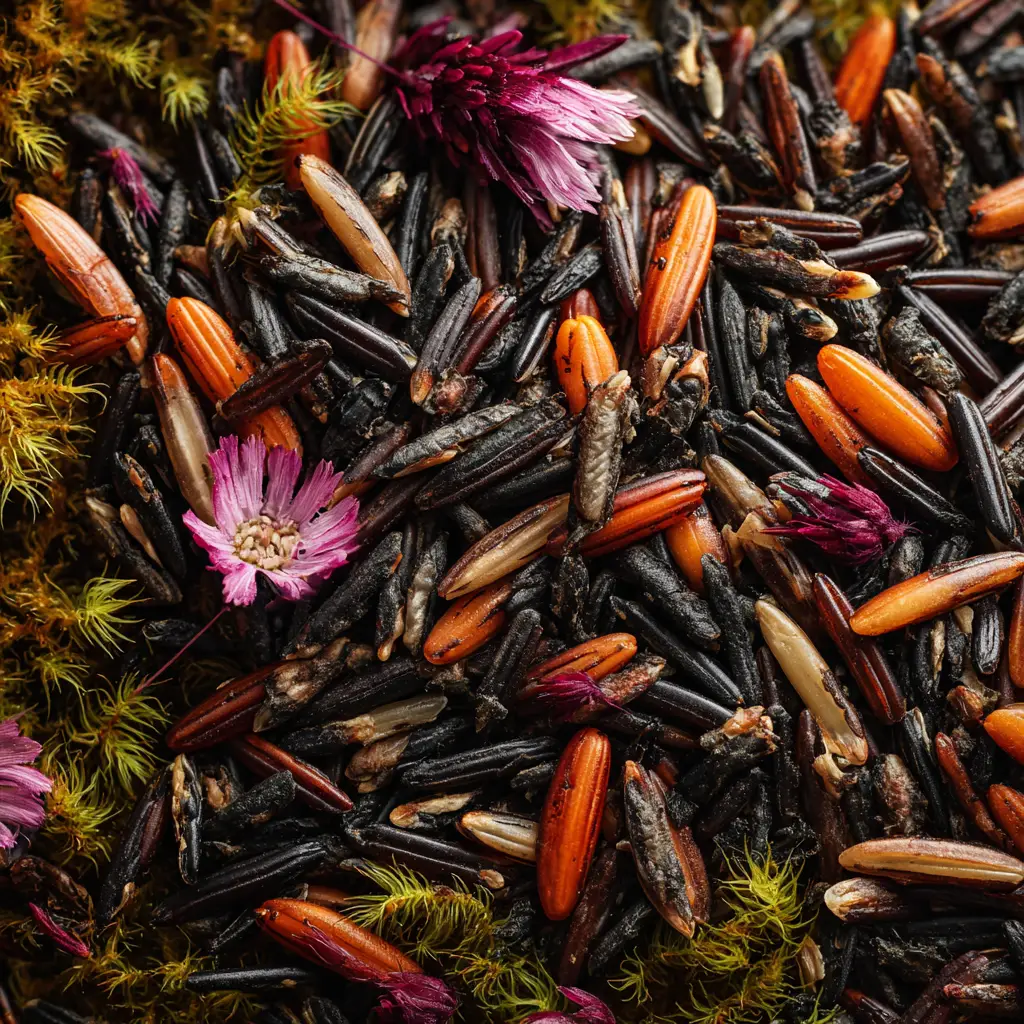
Wild rice is incredibly versatile and can be tailored to suit various dishes and flavor preferences. Adding sautéed mushrooms, roasted nuts, or dried cranberries creates a hearty pilaf that pairs well with poultry. For a Mediterranean twist, incorporate sun-dried tomatoes, olives, and fresh basil. Using coconut milk instead of broth adds a subtle sweetness and creaminess perfect for pairing with curry or tropical dishes. Spices like cumin, smoked paprika, or turmeric introduce warmth and depth, while citrus zest brightens the overall flavor profile. Cooking wild rice with a blend of other grains, such as quinoa or barley, creates a multi-textured side dish that is both visually appealing and nutritionally dense. For those who enjoy richer flavors, finishing the rice with a splash of balsamic vinegar or a drizzle of sesame oil can enhance the natural nuttiness. Experimenting with different combinations allows cooks to make wild rice a signature ingredient in both everyday meals and festive gatherings.
Nutritional Information
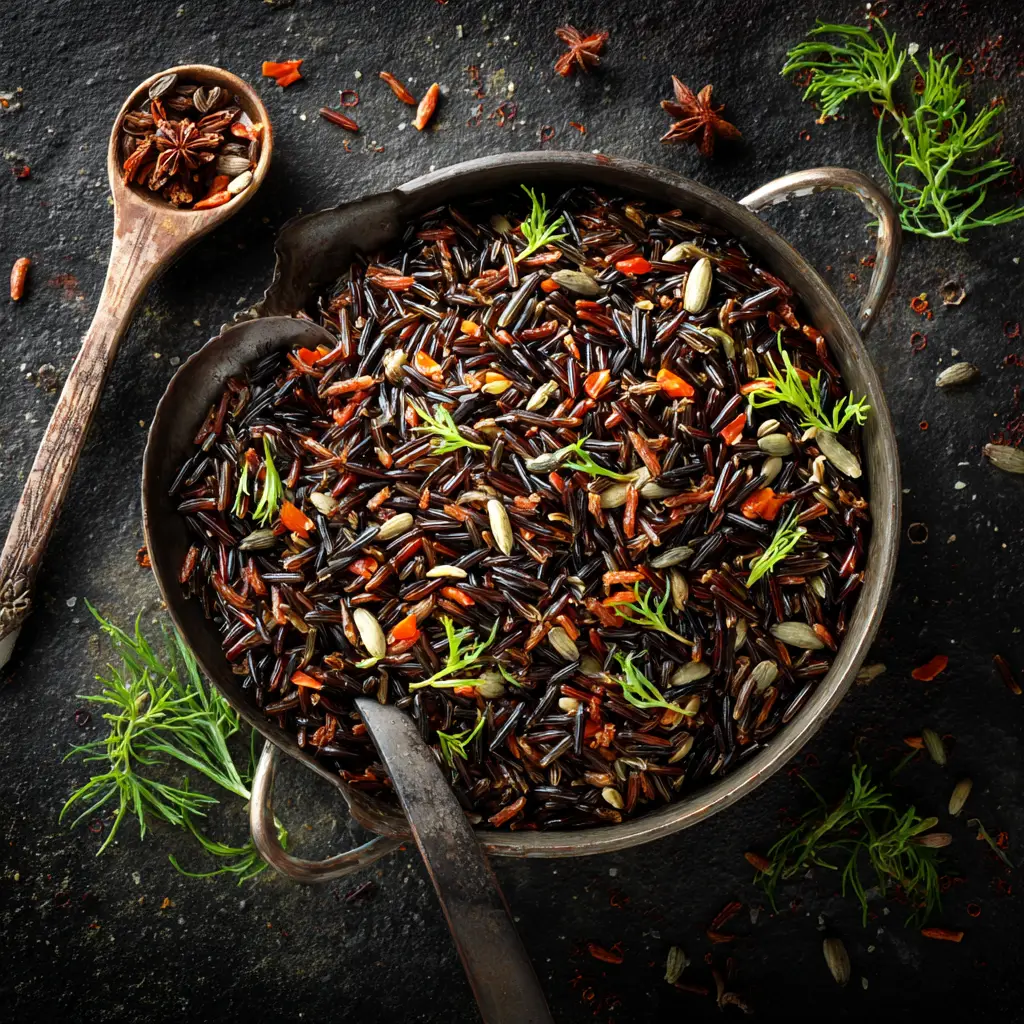
Wild rice is a nutritional powerhouse. It is naturally low in fat and provides a good source of protein and dietary fiber, which aids digestion and promotes satiety. One cup of cooked wild rice contains approximately 166 calories, 6.5 grams of protein, 3 grams of fiber, and minimal fat. It also contains essential minerals like magnesium, zinc, and phosphorus, which are important for bone health and energy metabolism. Additionally, wild rice is rich in antioxidants and B vitamins, supporting overall wellness and sustained energy throughout the day. Unlike refined grains, wild rice has a low glycemic index, meaning it has a gentler impact on blood sugar levels, making it an excellent option for individuals managing diabetes or seeking stable energy levels. Its combination of nutrients and fiber content also supports heart health, making it a valuable component of a balanced diet.
Serving Suggestions
Wild rice can be served in a variety of ways, making it a flexible addition to any meal. For a classic presentation, serve it as a side dish alongside roasted chicken or grilled fish. It can also act as a base for grain bowls, topped with vegetables, protein, and a flavorful dressing. Mixing wild rice into soups and stews adds texture and heartiness. Stuffing vegetables like bell peppers, tomatoes, or squash with wild rice, nuts, and herbs creates a visually appealing and nutrient-rich dish. For festive occasions, wild rice pilaf with dried fruits and toasted nuts provides a luxurious side dish that elevates holiday meals. Even simple preparations, such as mixing wild rice with olive oil, herbs, and a squeeze of lemon, transform it into a light and satisfying salad. Its versatility allows it to pair seamlessly with diverse cuisines, from American comfort foods to Asian stir-fries or Mediterranean-inspired dishes.
Wild Rice Recipe: How to Cook Nutritious and Delicious Wild Rice
Course: Blog4
servings10
minutes15
minutes166
kcalIngredients
IngredienttQuantity
Wild ricet1 cup
Water or vegetable brotht3 cups
Olive oilt1 tablespoon
Saltt1 teaspoon
Garlict2 cloves, minced
Oniont1 small, chopped
Directions
- Rinse the rice: Place wild rice in a fine mesh strainer and rinse under cold water to remove dust and excess starch.
- Boil the liquid: In a medium saucepan, bring water or vegetable broth to a rolling boil. Add salt.
- Add rice and aromatics: Stir in the rinsed wild rice, chopped onion, and minced garlic.
- Simmer: Reduce heat to low, cover, and simmer for 45 to 60 minutes, checking occasionally for tenderness.
- Drain excess liquid: Once the grains are tender and slightly split, drain any remaining liquid.
- Fluff and season: Fluff the rice with a fork, drizzle with olive oil, and mix in fresh herbs. Adjust salt to taste.
Recipe Video
Notes
- Soaking wild rice for 2 to 3 hours before cooking can reduce cooking time.
Use vegetable or chicken broth instead of water for extra flavor.
Wild rice pairs well with vegetables, nuts, and dried fruits for a hearty pilaf.
Store cooked rice in an airtight container in the refrigerator for up to five days.
Frequently Asked Questions
What is wild rice?
Wild rice is the seed of an aquatic grass, native to North America. It has a nutty flavor, chewy texture, and dark color.
How long does it take to cook wild rice?
Cooking typically takes 45 to 60 minutes. Soaking the rice for a few hours beforehand can reduce the cooking time.
Can I cook wild rice in a rice cooker?
Yes. Use a ratio of one part rice to three parts water or broth and follow the rice cooker instructions for brown or whole grain rice.
Is wild rice gluten free?
Yes. Wild rice is naturally gluten free and safe for people with gluten sensitivities or celiac disease.
How should I store cooked wild rice?
Store cooked wild rice in an airtight container in the refrigerator for up to five days or freeze for longer storage.
Conclusion
Wild rice is more than just a grain. It is a culinary ingredient that brings flavor, texture, and nutrition to countless dishes. Its nutty aroma, chewy consistency, and health benefits make it a favorite among home cooks and chefs alike. Cooking wild rice may take patience, but the results are deeply rewarding.