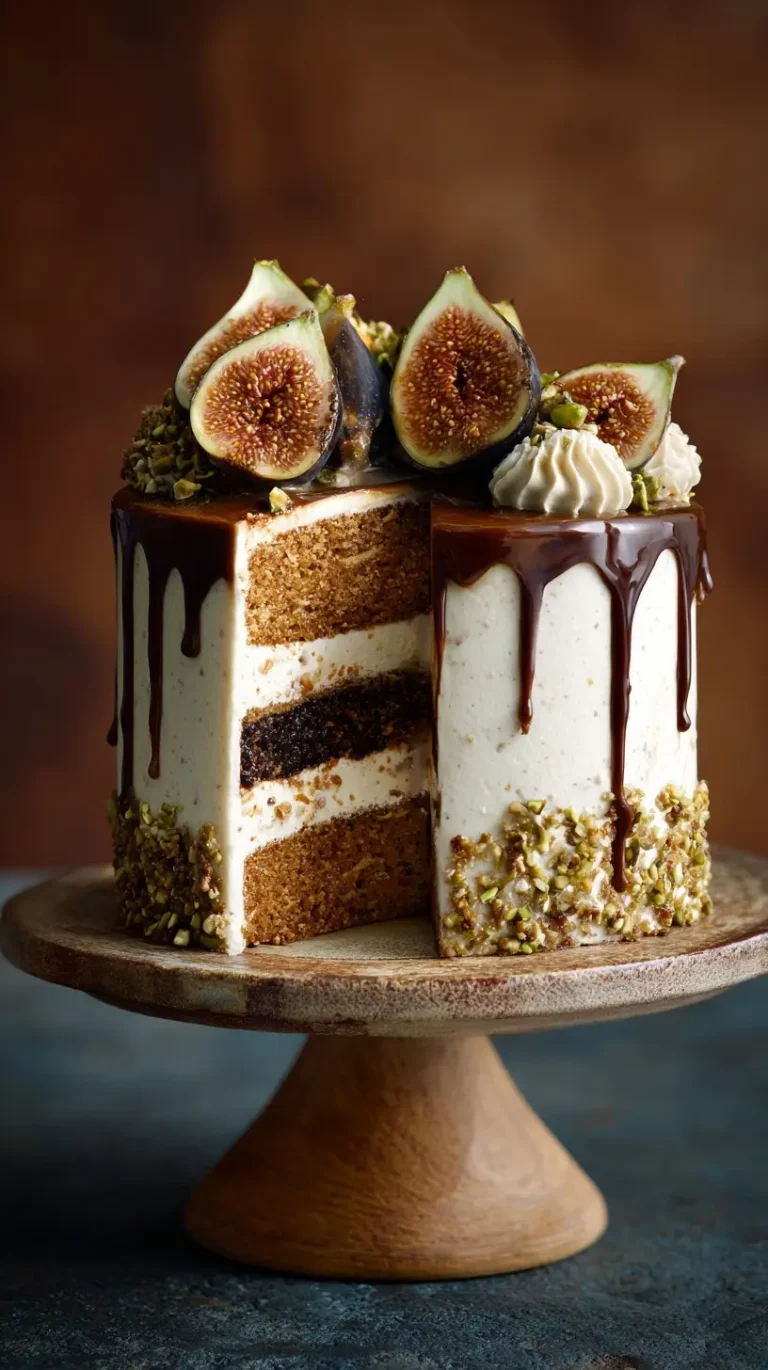
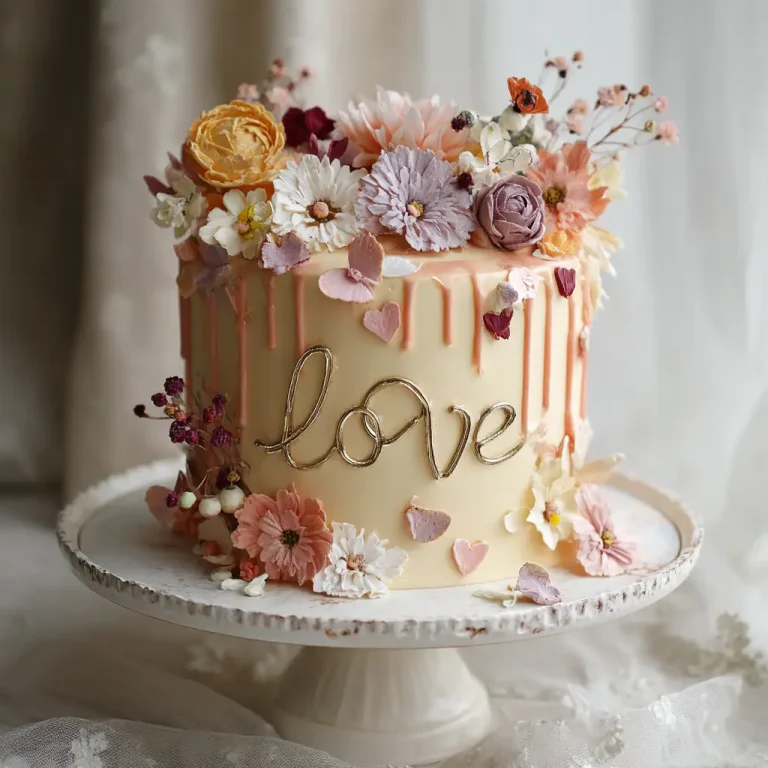
Simple Cake Designs Easy Ideas for Beautiful Homemade Cakes
Simple cake designs continue to charm home bakers and professional decorators alike. Clean lines soft textures and thoughtful details often create a stronger visual impact than overly complex decorations.
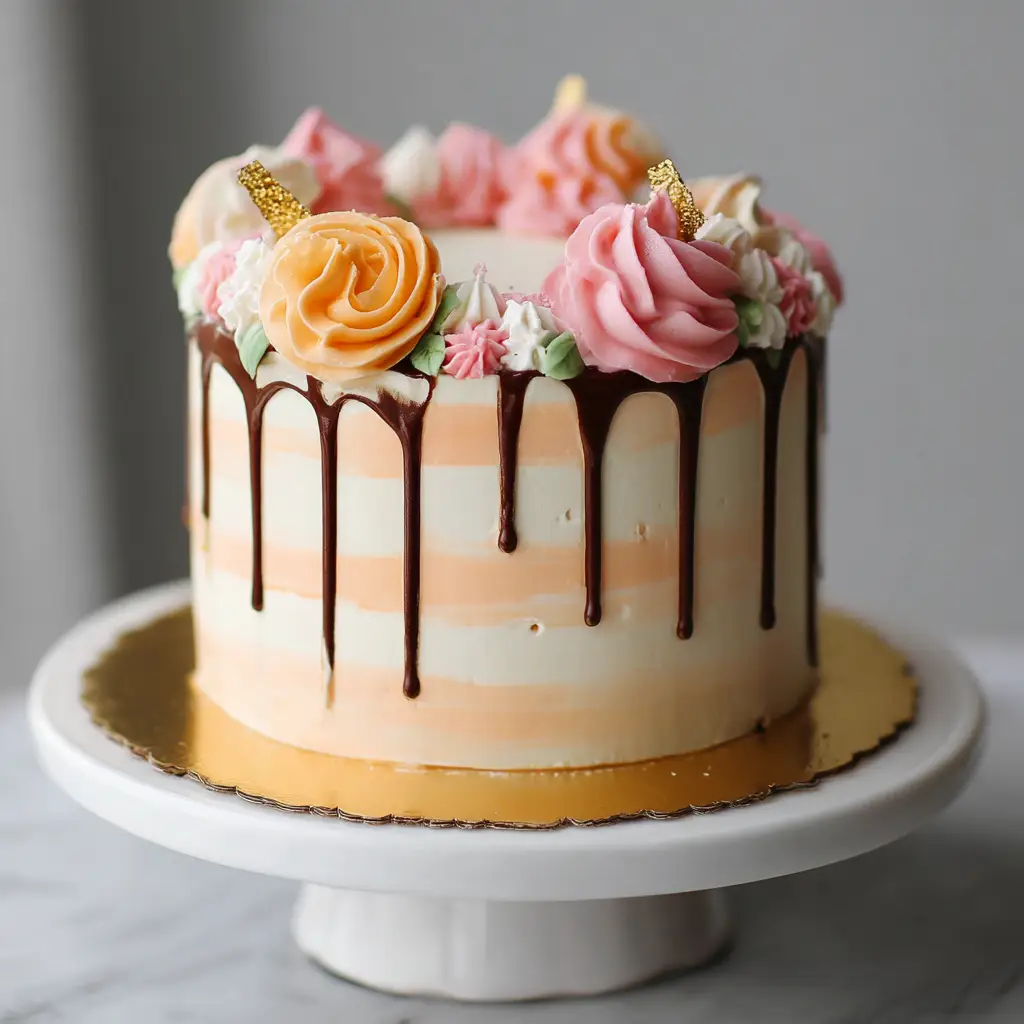
Cakes designed with simplicity in mind feel welcoming and timeless. They suit birthdays anniversaries casual gatherings and even elegant celebrations. The beauty of simple cake designs lies in their balance. Flavor presentation and ease of preparation come together in a way that feels effortless yet impressive.
Ingredients Needed
A successful simple cake starts with quality ingredients. Fresh basics create the foundation for great flavor and texture. The following table lists essential ingredients along with approximate calorie counts per standard serving.
| Ingredient | Quantity | Approximate Calories |
|---|---|---|
| All purpose flour | Two cups | Eight hundred |
| Granulated sugar | One and a half cups | Seven hundred |
| Unsalted butter | One cup | One thousand six hundred |
| Eggs | Four large | Three hundred |
| Milk | One cup | One hundred fifty |
| Baking powder | Two teaspoons | Ten |
| Vanilla extract | Two teaspoons | Twenty |
| Salt | Half teaspoon | Zero |
| Powdered sugar for frosting | Two cups | Nine hundred |
Calorie values vary based on brands and portion sizes. These estimates help with general nutritional awareness while planning your cake.
Step by Step Cooking Instructions
Begin by preparing the baking area. Preheat the oven to one hundred eighty degrees Celsius. Grease two round cake pans and line the bottoms with parchment paper. Proper preparation ensures easy release and even baking.For more delicious ideas, don’t miss Sheet Cake Designs which pairs perfectly with this recipe.
In a large mixing bowl cream the unsalted butter and granulated sugar together. Beat until the mixture appears light and fluffy. This step introduces air into the batter which creates a soft crumb. Take time here as proper creaming affects the final texture.
Add the eggs one at a time. Mix well after each addition. The batter should remain smooth and glossy. Stir in the vanilla extract. The aroma at this stage sets the tone for the entire cake.
In a separate bowl combine all purpose flour baking powder and salt. Whisk gently to distribute the leavening evenly. Gradually add the dry ingredients to the butter mixture. Alternate with milk while mixing on low speed. This method prevents overmixing and keeps the batter tender.
Once the batter is smooth divide it evenly between the prepared pans. Use a spatula to level the tops. Place the pans in the oven and bake for thirty to thirty five minutes. A toothpick inserted into the center should come out clean.
Remove the cakes from the oven and allow them to cool in the pans for ten minutes. Turn them out onto a wire rack and cool completely. Cooling fully is essential before frosting to avoid melting or sliding.
Prepare the frosting by beating unsalted butter until creamy. Gradually add powdered sugar and mix well. Add a small amount of milk if needed to achieve a spreadable consistency. The frosting should feel smooth and light.
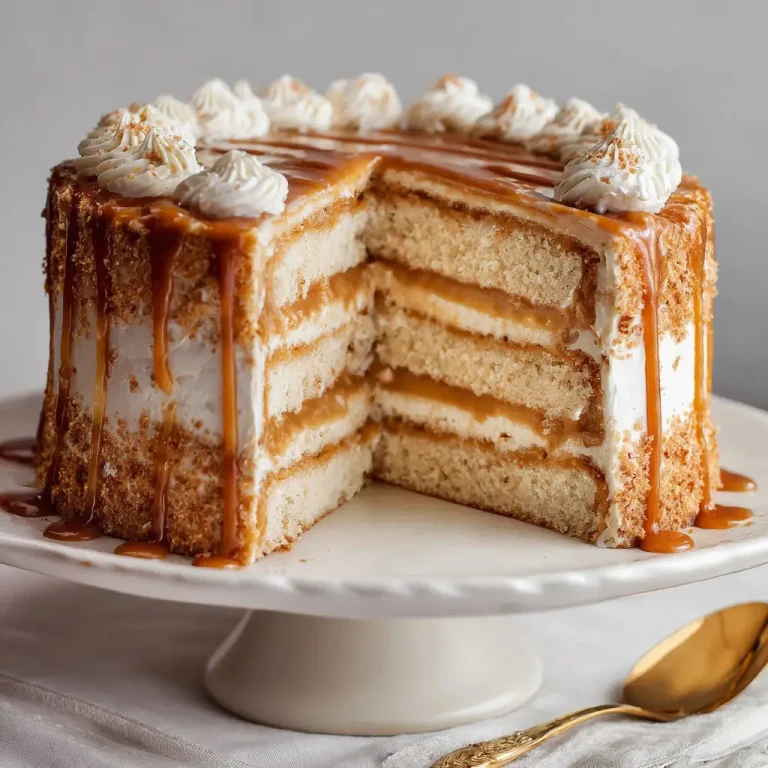
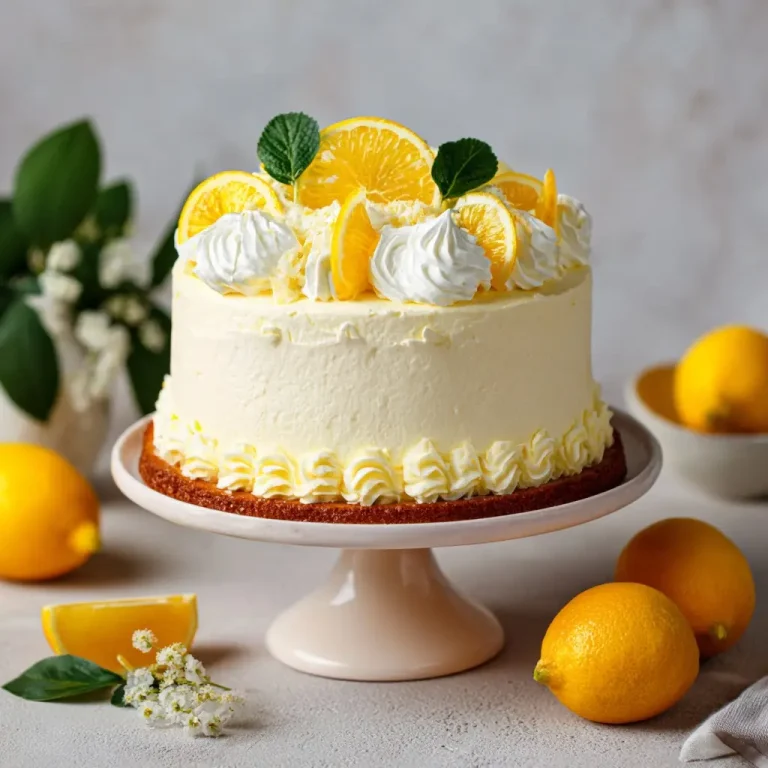
Place one cake layer on a serving plate. Spread an even layer of frosting on top. Add the second layer and frost the top and sides. Use a spatula to create a smooth finish or gentle swirls. Keep the design clean and uncluttered.
Allow the cake to rest for a short time before slicing. This helps the layers settle and improves presentation.
Tips for Customizing the Recipe
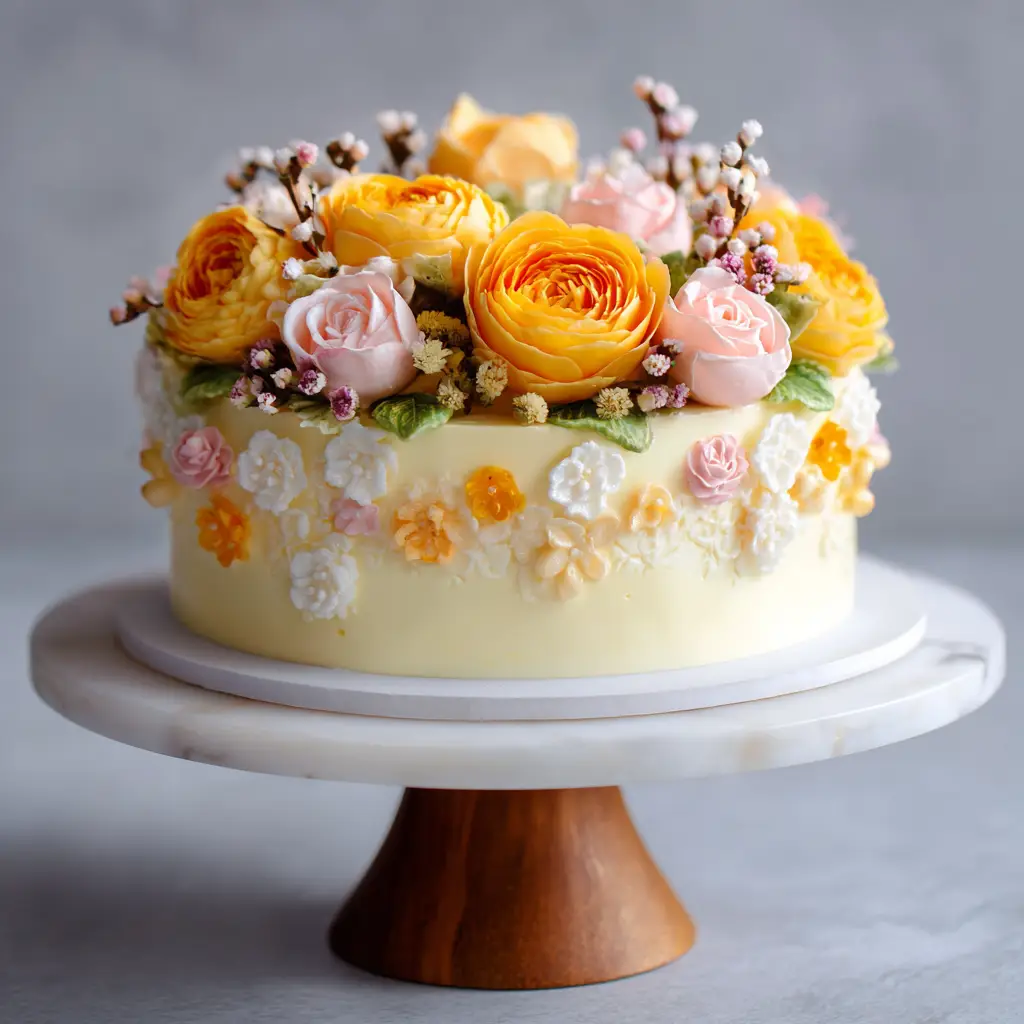
Simple cake designs shine when subtle personal touches are added. Flavor variations provide endless opportunities. Lemon zest or orange zest can brighten the sponge. Cocoa powder can turn the base into a chocolate delight. Almond extract offers a warm nutty aroma.
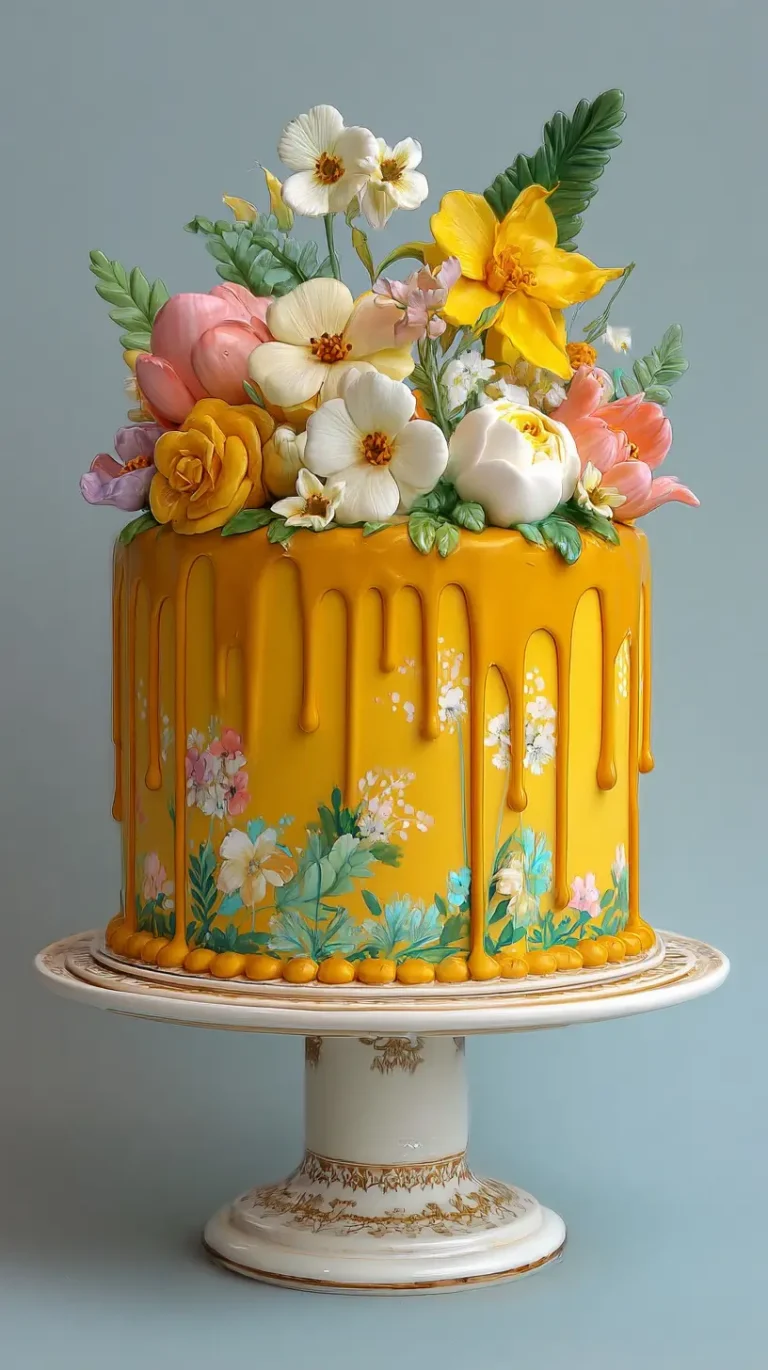
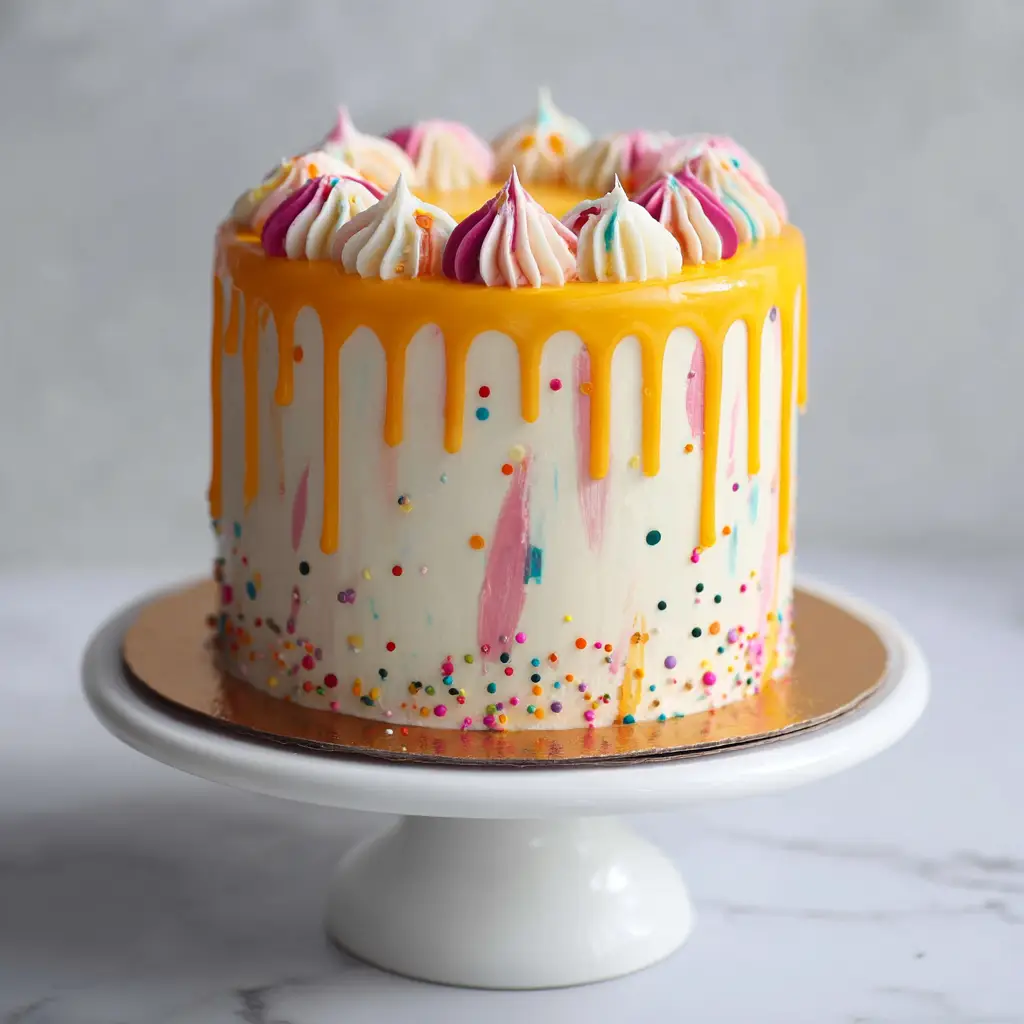
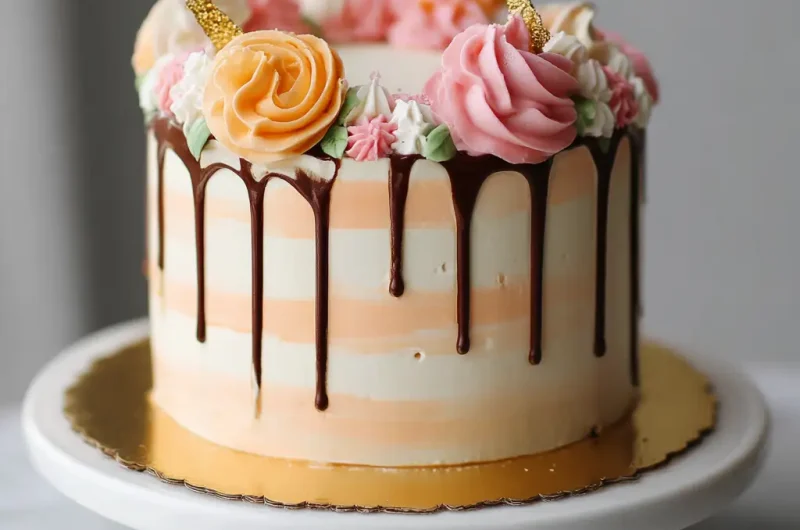
Color choices matter in minimalist cakes. Soft pastels feel elegant and calm. Natural food coloring from fruit powders can add gentle hues without overpowering the design. White frosting with a single accent color often looks refined.
Texture plays a key role in simple cake designs. A lightly textured frosting finish feels inviting and handmade. Smooth finishes give a polished bakery style appearance. Choose based on the occasion and personal preference.
Decorations should remain restrained. Fresh berries edible flowers or a dusting of powdered sugar work beautifully. One central decorative element draws attention without clutter. Avoid overcrowding the surface.
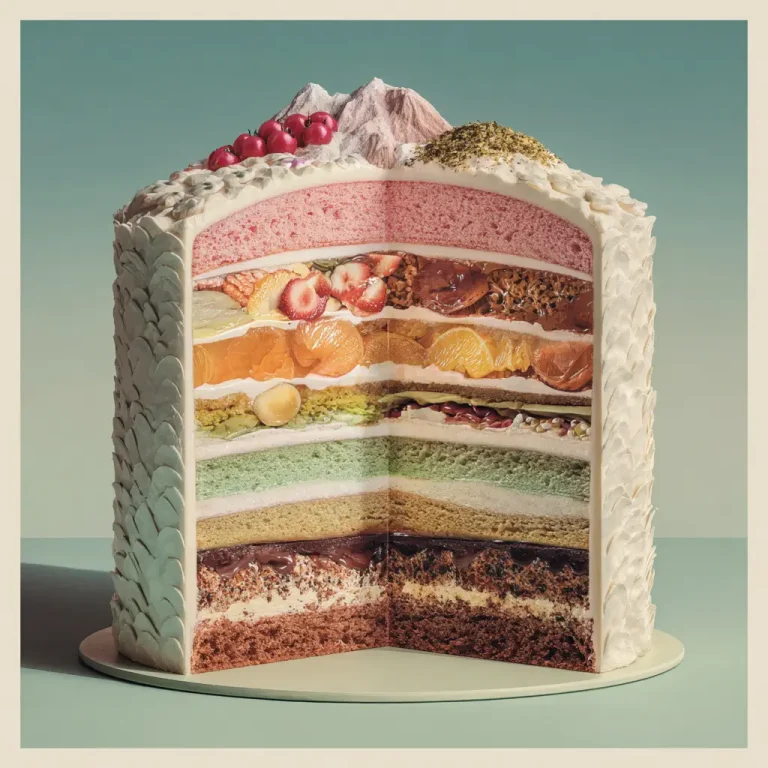
Pan shape also influences design. Round cakes feel classic. Square cakes offer a modern touch. Single layer cakes with clean edges suit casual events while layered cakes feel celebratory.
Adjust sweetness to taste. Reducing sugar slightly can highlight natural flavors. Balance sweetness with acidity from fruit fillings or yogurt based frostings.
Nutritional Information
Understanding nutritional value supports mindful enjoyment. A standard slice of this simple cake contains moderate calories suitable for special occasions. Each serving provides carbohydrates from flour and sugar which offer energy. Butter and eggs contribute fats and proteins essential for satiety.
Milk adds calcium and vitamins that support bone health. Eggs supply important nutrients such as vitamin D and choline. While cakes remain indulgent treats mindful portion sizes allow enjoyment without excess.
Homemade cakes offer better control over ingredients compared to store bought options. Sugar levels can be adjusted. Organic or whole ingredients may be chosen. This flexibility supports a more balanced approach to dessert.
Simple Cake Designs Easy Ideas for Beautiful Homemade Cakes
Course: Blog8
servings20
minutes35
minutes300
kcalIngredients
All purpose flour two cups
Granulated sugar one and a half cups
Unsalted butter one cup at room temperature
Eggs four large
Milk one cup
Baking powder two teaspoons
Vanilla extract two teaspoons
Salt half teaspoon
Powdered sugar two cups for frosting
Milk for frosting two to three tablespoons
Directions
- Preheat the oven to one hundred eighty degrees Celsius. Grease two round cake pans and line the bottoms with parchment paper. This step helps the cake release easily after baking.
- In a large bowl beat the butter and granulated sugar together until light and fluffy. The mixture should look pale and airy. This process helps create a soft cake texture.
- Add the eggs one at a time while mixing well after each addition. Stir in the vanilla extract and mix until fully combined.
- In another bowl mix the flour baking powder and salt. Slowly add the dry ingredients to the wet mixture. Alternate with milk and mix on low speed until the batter becomes smooth. Do not overmix as it can make the cake dense.
Recipe Video
Notes
- This simple cake design recipe is perfect for beginners and home bakers. The cake can be customized with flavors like lemon zest or cocoa powder. For a lighter look use minimal frosting and decorate with fresh fruits or a dusting of powdered sugar. Always allow the cake to cool completely before decorating to achieve a clean and neat finish.
Serving Suggestions
Simple cake designs suit many serving styles. Serve slices with a cup of tea or coffee for an afternoon treat. Pair with fresh fruit to add brightness and contrast. A light drizzle of fruit sauce enhances flavor without overpowering the cake.
For celebrations present the cake on a clean cake stand. Minimal decorations around the base create an elegant display. Soft lighting enhances the visual appeal and highlights the smooth frosting.
Serve chilled during warm weather for a refreshing bite. At room temperature the cake feels soft and aromatic. Adjust serving temperature based on preference and climate.
Simple cakes also work well as make ahead desserts. Store covered at room temperature for one day or refrigerate for longer freshness. Bring to room temperature before serving for best texture.
Frequently Asked Questions
What makes a cake design simple
A simple cake design focuses on clean lines minimal decoration and balanced colors. The emphasis remains on flavor texture and presentation without excessive embellishment.
Can beginners make simple cake designs
Beginners often find simple cake designs approachable and rewarding. Basic techniques like smooth frosting and gentle piping are easy to learn and produce beautiful results.
How can I make my simple cake look professional
Use even layers smooth frosting and restrained decorations. Attention to detail during baking and assembly creates a polished appearance.
Are simple cake designs suitable for events
Simple cake designs work well for birthdays weddings and casual gatherings. Their versatility allows them to adapt to different themes and settings.
How long does a simple cake stay fresh
A homemade simple cake stays fresh for one to two days at room temperature when covered properly. Refrigeration extends freshness but may affect texture slightly.
Conclusion
Simple cake designs prove that elegance does not require complexity. A thoughtfully prepared cake with clean decoration often leaves a stronger impression than elaborate creations. Baking such a cake brings joy through the process and pride in the result. Each step from mixing to decorating becomes a mindful experience that connects the baker to the tradition of homemade desserts.