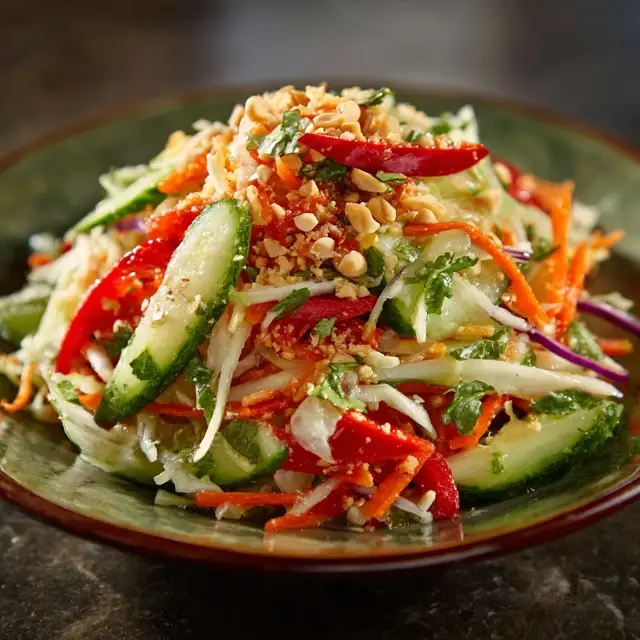
Thai Salad A Fresh and Flavorful Taste of Authentic Thai Cuisine
Thai salad has earned global admiration because it captures the true spirit of Thai cuisine in one vibrant bowl. Bright colors fresh aromas and bold flavors come together to create a dish that feels both comforting and exciting. Every bite offers a balance of sweet sour salty and spicy notes which is the foundation of traditional Thai cooking. Thai salad is not just food it is an experience that reflects culture climate and creativity.
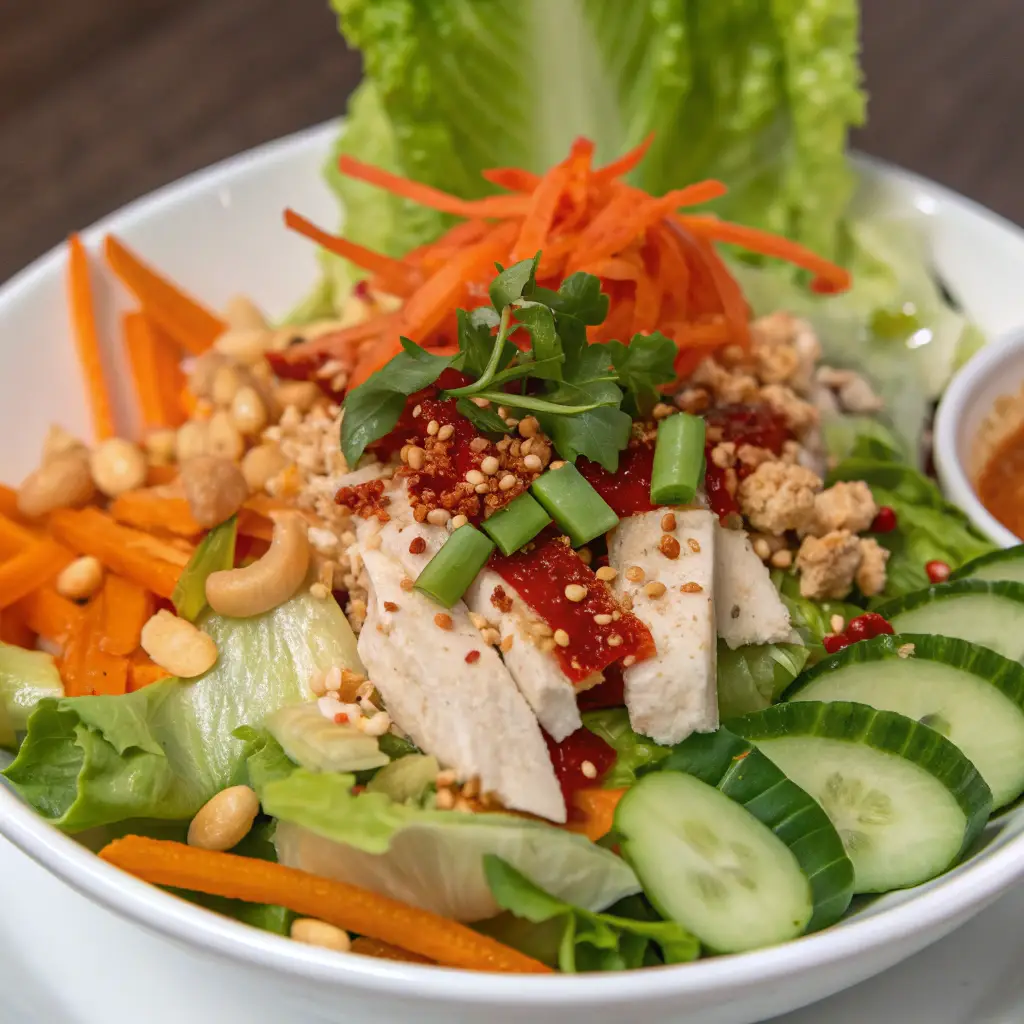
Warm weather across Thailand inspires meals that feel light yet satisfying. Thai salad fits that lifestyle perfectly. Crisp vegetables fragrant herbs and zesty dressing awaken the senses and leave the palate refreshed. Home cooks and professional chefs alike value Thai salad for its versatility and nutritional value. It can stand alone as a main dish or support grilled meats seafood or rice.
Thai salad also appeals to health conscious eaters. Fresh produce delivers vitamins fiber and antioxidants while lean proteins and herbs add depth without heaviness. The dressing enhances flavor without masking the natural taste of ingredients. Each component plays an important role which makes preparation thoughtful and rewarding.
Across restaurants and homes Thai salad recipes vary by region and season. Some versions highlight green papaya while others focus on glass noodles mango cucumber or herbs. Despite the variations the heart of Thai salad remains the same. It celebrates freshness balance and simplicity. Learning how to prepare Thai salad opens the door to understanding Thai food culture at a deeper level.
Ingredients Needed
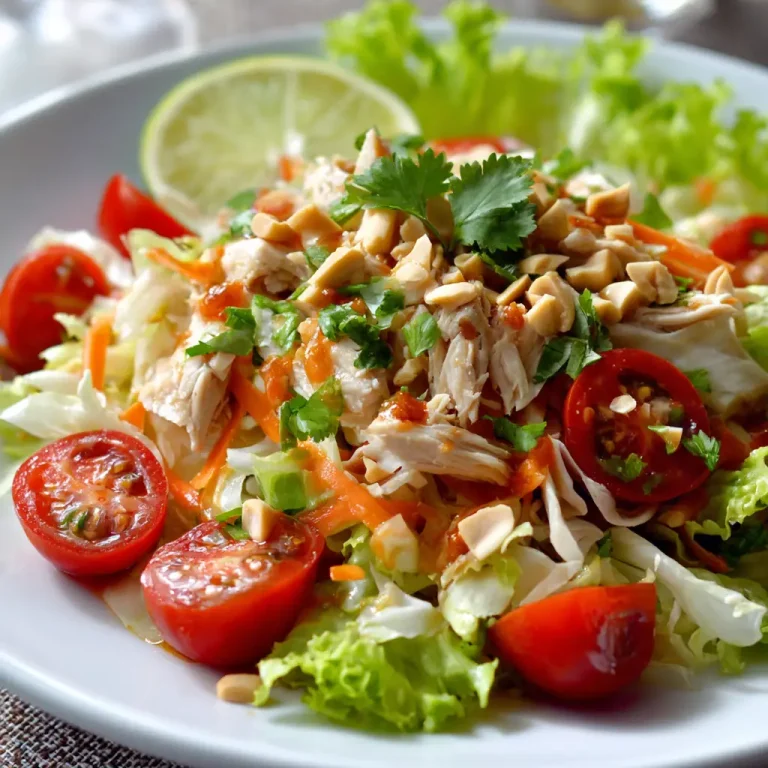
Selecting fresh ingredients is essential for authentic Thai salad. Each element contributes texture flavor and nutrition. The list below includes common ingredients used in a classic Thai salad along with approximate calorie counts per serving.
| Ingredient | Quantity | Approximate Calories |
| Ingredient | Quantity | Approximate Calories |
| Fresh cucumber | one cup sliced | sixteen |
| Cherry tomatoes | one cup halved | twenty seven |
| Shredded carrots | one cup | forty five |
| Red onion | half cup thinly sliced | thirty |
| Fresh cilantro | quarter cup | one |
| Fresh mint leaves | quarter cup | two |
| Roasted peanuts | quarter cup | two hundred |
| Lime juice | three tablespoons | twelve |
| Fish sauce | two tablespoons | twenty |
| Palm sugar | one tablespoon | forty |
| Thai chili | one finely chopped | four |
| Cooked shrimp | one cup | one hundred |
| Olive oil | one tablespoon | one hundred nineteen |
Using high quality produce and herbs ensures strong aroma and flavor. Lime juice should be freshly squeezed. Herbs should look vibrant and crisp. Proteins should be cooked gently to preserve tenderness.
Step by Step Cooking Instructions
Preparation begins with washing and drying all vegetables thoroughly. Clean produce improves taste and texture. Slice cucumbers thinly to maintain crunch. Halve cherry tomatoes to release juices that blend with the dressing. Shred carrots finely so they absorb flavor easily. Thinly slice red onion to soften its sharpness.
Chop fresh cilantro and mint leaves gently. Crushing herbs too much can darken them and dull the flavor. Set all prepared vegetables and herbs aside in a large mixing bowl. Space allows even mixing without bruising ingredients.
Prepare the dressing in a separate bowl. Combine lime juice fish sauce palm sugar and finely chopped Thai chili. Stir slowly until palm sugar dissolves completely. Taste the dressing and adjust balance. Add more lime for acidity or sugar for sweetness depending on preference. Dressing should feel lively yet harmonious.
Heat a small pan over medium heat. Add olive oil and lightly sauté cooked shrimp for one minute. This step enhances aroma and warmth. Remove shrimp from heat and allow them to cool slightly. Overcooking shrimp can make them rubbery so gentle heat works best.
Add shrimp to the bowl of vegetables and herbs. Pour dressing evenly over the mixture. Toss gently using clean hands or large spoons. Lifting and folding helps distribute flavors without crushing ingredients.
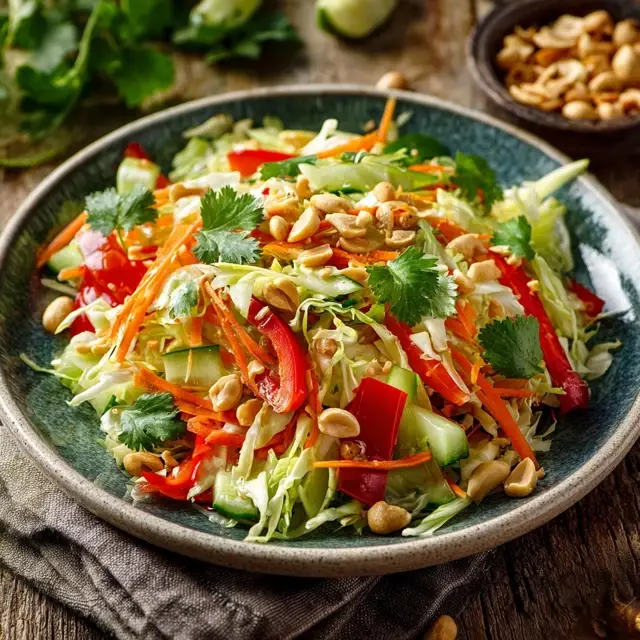
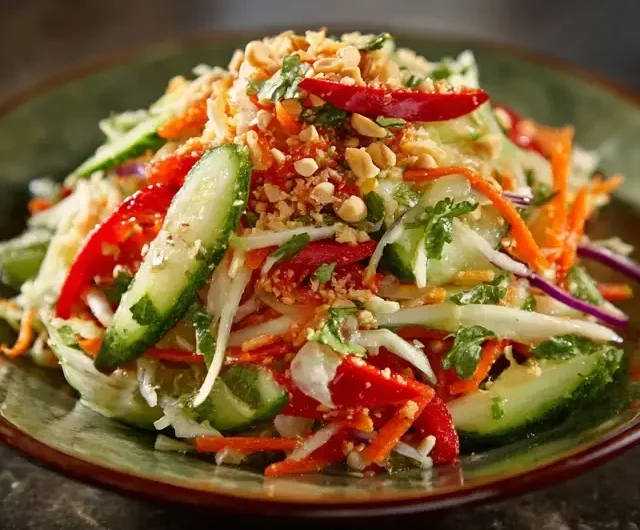
Finish by sprinkling roasted peanuts on top. Peanuts add richness and crunch. Taste again and adjust seasoning if needed. Thai salad should feel bright bold and balanced.
Serve immediately for best texture and aroma. Freshness defines the dish so prolonged storage reduces quality.
Tips for Customizing the Recipe
Thai salad welcomes creativity. Personal preferences dietary needs and seasonal ingredients can all influence the final result. Protein choices offer one of the easiest ways to customize. Grilled chicken tofu or beef can replace shrimp. Each option brings its own texture and flavor profile.
Vegetable selection also allows flexibility. Green papaya adds authentic crunch. Mango provides sweetness. Bell peppers introduce color and mild flavor. Using seasonal vegetables ensures better taste and nutrition.
Spice level can be adjusted easily. Thai chili packs heat so small changes make a big difference. Removing seeds reduces spiciness. Adding chili gradually helps maintain control.
Dressing variations offer another opportunity for creativity. Tamarind paste adds tanginess. Coconut sugar deepens sweetness. Soy sauce can replace fish sauce for vegetarian versions. Balance remains the guiding principle.
Texture matters as much as flavor. Adding toasted sesame seeds crispy shallots or fried garlic enhances crunch. Soft ingredients like avocado can create contrast.
Thai salad adapts beautifully to different dietary goals. Low calorie versions reduce nuts and oil. High protein versions increase lean meat or legumes. Gluten free preparation comes naturally when ingredients are chosen carefully.
Nutritional Information
Thai salad delivers impressive nutritional value. Fresh vegetables provide vitamins A C and K along with antioxidants that support immune health. Herbs contribute essential oils and phytonutrients that aid digestion and reduce inflammation.
Protein sources like shrimp or tofu supply amino acids needed for muscle maintenance and energy. Lean proteins keep the dish filling without excess calories. Healthy fats from peanuts and olive oil support heart health and nutrient absorption.
The dressing adds minimal calories while delivering bold flavor. Lime juice offers vitamin C. Fish sauce contributes minerals and umami taste. Palm sugar provides quick energy when used in moderation.
Fiber content supports digestive health and helps regulate blood sugar. Low glycemic ingredients make Thai salad suitable for balanced eating plans.
Portion control remains important. While the dish is nutritious large quantities of nuts or oil can increase calorie intake. Balanced portions ensure health benefits without excess.
Serving Suggestions
Thai salad shines as a standalone meal or side dish. Served chilled or at room temperature it complements warm climates and outdoor dining. Pairing with jasmine rice creates a satisfying lunch or dinner.
Grilled meats and seafood match beautifully with Thai salad. The fresh acidity cuts through rich flavors. Barbecues benefit from its refreshing qualities.
Thai salad also works well for gatherings. Serving it in a large bowl allows guests to help themselves. Garnishing with extra herbs and lime wedges adds visual appeal.
For elegant presentation serve Thai salad in lettuce cups or shallow bowls. Layering ingredients highlights colors and textures. Simple presentation lets freshness speak for itself.
Leftovers should be stored carefully. Airtight containers in the refrigerator preserve flavor for up to one day. Adding peanuts just before serving maintains crunch.
Popular Variations of Thai Salad
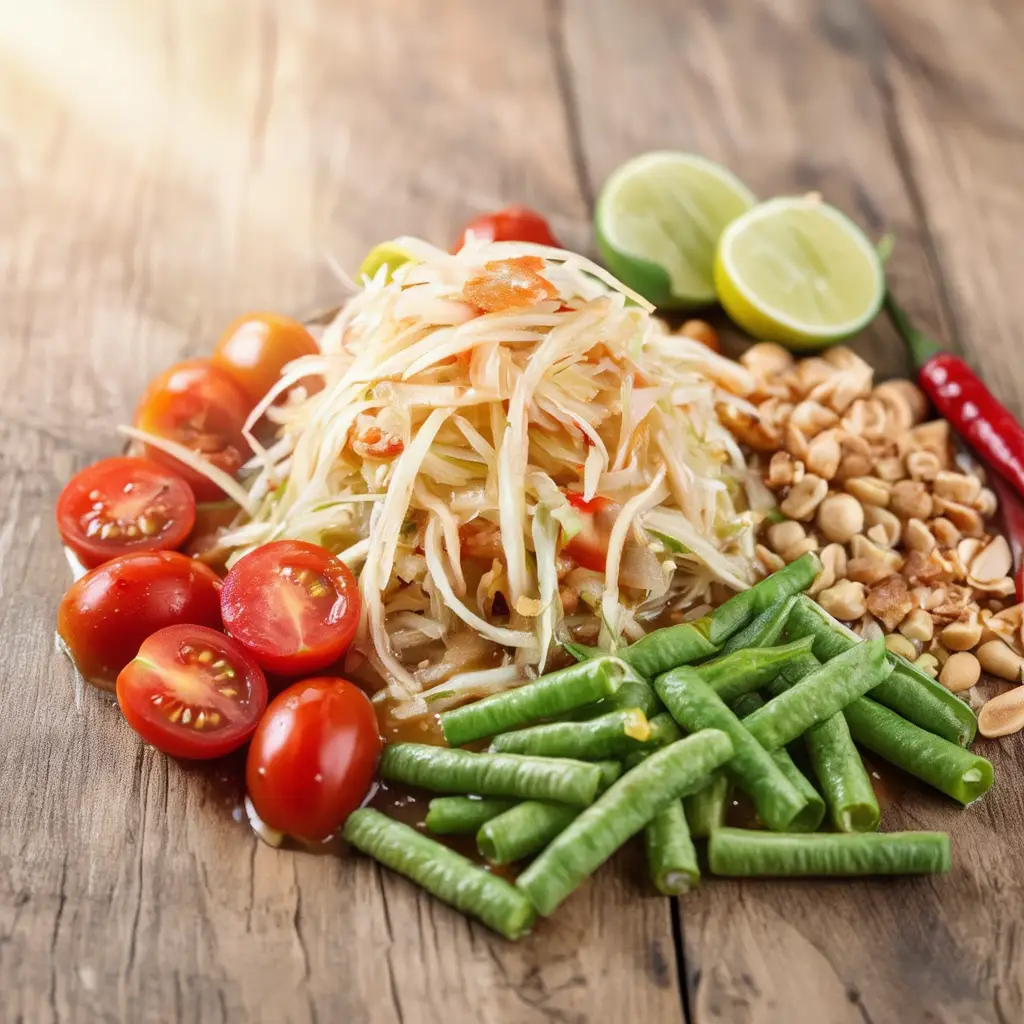
Different regions of Thailand showcase unique interpretations of Thai salad. Som tam uses green papaya as its base and delivers bold spice and crunch. Yum woon sen features glass noodles and seafood creating a light yet satisfying dish.
Larb incorporates minced meat herbs and toasted rice powder offering earthy flavors. Mango salad highlights ripe mango with fish sauce and chili for sweet heat contrast.
These variations demonstrate the adaptability of Thai salad. Learning one recipe opens the door to many delicious possibilities.
Cultural Significance of Thai Salad
Thai salad reflects Thai philosophy of balance and harmony. Meals aim to stimulate all senses while nourishing the body. Communal eating encourages sharing and connection.
Street vendors and home kitchens alike prepare Thai salad daily. It represents accessible yet refined cuisine. Understanding its cultural roots deepens appreciation and respect for the dish.
Common Mistakes to Avoid
Overdressing can overwhelm fresh ingredients. Adding dressing gradually helps maintain balance. Using old herbs diminishes aroma and taste. Freshness matters greatly.
Ignoring taste adjustments leads to flat flavor. Thai salad requires tasting and tweaking. Each ingredient varies in strength so flexibility is key.
Thai Salad A Fresh and Flavorful Taste of Authentic Thai Cuisine
Course: Blog12
servings25
minutes35
minutes420
kcalIngredients
For the Cake
2 and a half cups all purpose flour
2 and a half teaspoons baking powder
Half teaspoon salt
1 cup unsalted butter softened
2 cups granulated sugar
4 large eggs at room temperature
1 tablespoon vanilla extract
1 cup whole milk
For the Frosting
1 and a half cups unsalted butter softened
4 cups powdered sugar
2 teaspoons vanilla extract
3 tablespoons heavy cream or milk
Food coloring optional
Edible decorations optional
Directions
- Preheat the oven to 350 degrees Fahrenheit. Grease and line two round cake pans with parchment paper. Set aside.
- In a bowl mix flour baking powder and salt. Stir well and keep aside.
- In a large bowl beat butter and sugar until light and fluffy. This step is important for a soft cake texture. Add eggs one at a time and beat well after each addition. Mix in vanilla extract.
- Add the dry ingredients to the butter mixture slowly. Alternate with milk. Start and end with dry ingredients. Mix gently until smooth. Do not overmix.
- Divide the batter evenly between the prepared pans. Smooth the tops.
- Bake for 30 to 35 minutes or until a toothpick inserted in the center comes out clean. Let the cakes cool in the pans for 10 minutes. Then remove and cool completely on a wire rack.
- For the frosting beat butter until creamy. Add powdered sugar gradually. Mix in vanilla and cream. Beat until smooth fluffy and spreadable. Add food coloring if desired.
- Frost the cooled cake layers. Decorate with flowers sprinkles or a 60 topper. Add your preferred birthday message.
Notes
- This cake works beautifully with vanilla chocolate or fruit flavors. You can reduce sugar slightly if you prefer a lighter taste. For a more elegant look use neutral colors like white gold or pastel shades. Always frost the cake only after it is fully cooled to avoid melting. This recipe can be made a day ahead and stored covered at room temperature.
FAQs
What makes Thai salad different from other salads
Thai salad focuses on balance of sweet sour salty and spicy flavors. Fresh herbs and bold dressing distinguish it from Western salads.
Can Thai salad be made vegetarian
Yes. Replace fish sauce with soy sauce or tamari. Use tofu or mushrooms as protein.
Is Thai salad healthy for weight management
Thai salad is low in calories and high in nutrients when prepared with moderation. Portion control ensures balance.
How spicy is traditional Thai salad
Spice level varies. Thai chili can be adjusted to suit personal tolerance.
Can Thai salad be prepared in advance
Preparation works best shortly before serving. Vegetables and dressing can be prepped separately.
Conclusion
Thai salad invites creativity nourishment and joy into everyday meals. Fresh ingredients bold flavors and thoughtful preparation transform simple produce into something memorable. Each bowl reflects balance and respect for natural taste. Cooking Thai salad builds confidence in handling flavors and textures. Sharing it with family and friends creates moments of connection and appreciation. Exploring Thai salad at home offers a delicious journey into one of the worlds most vibrant cuisines.