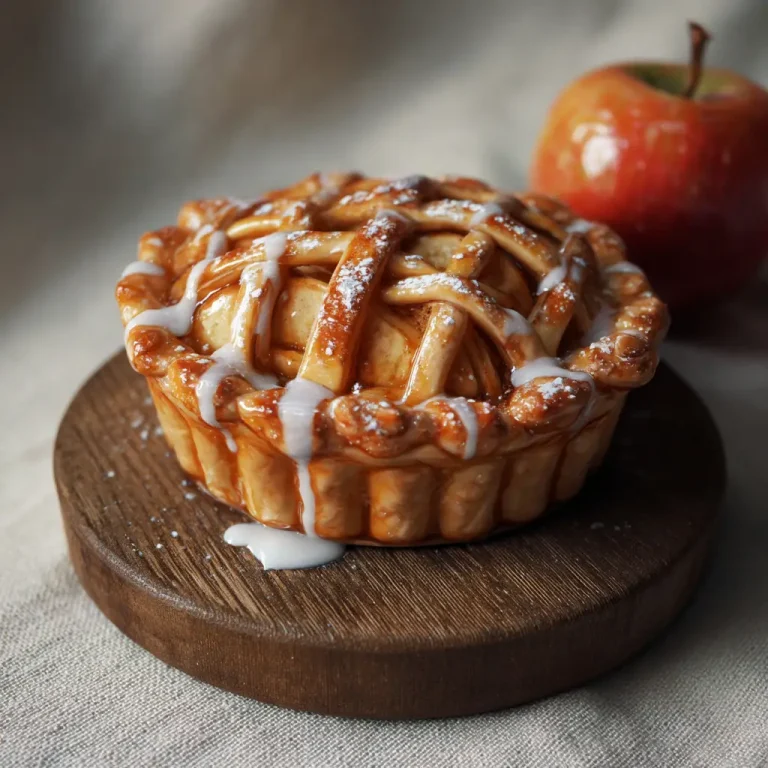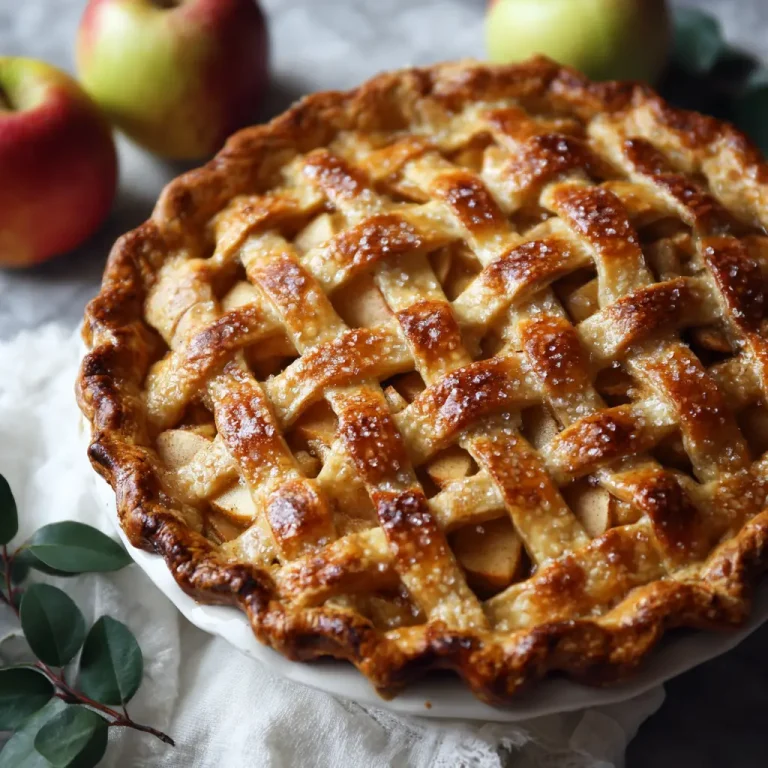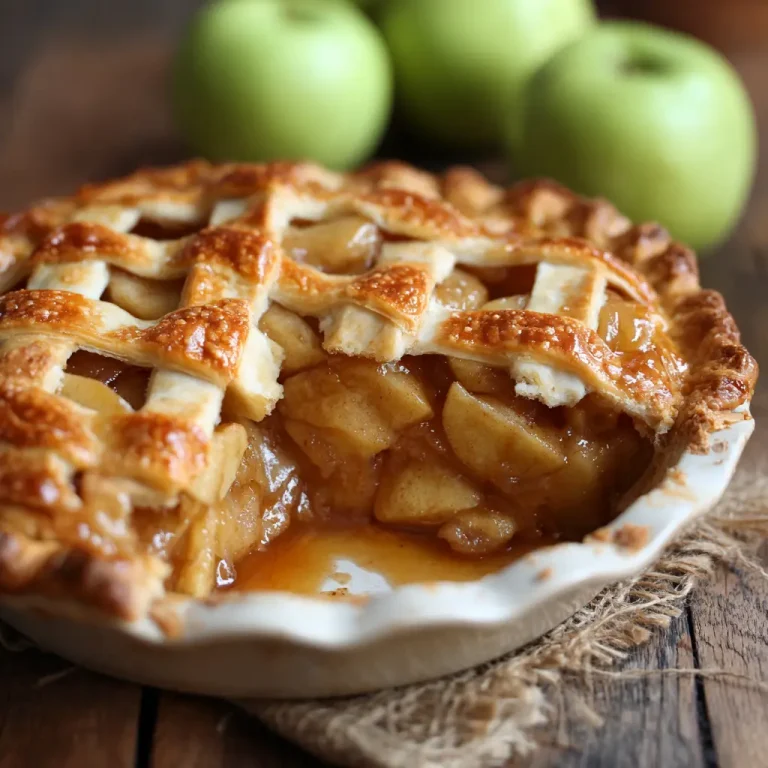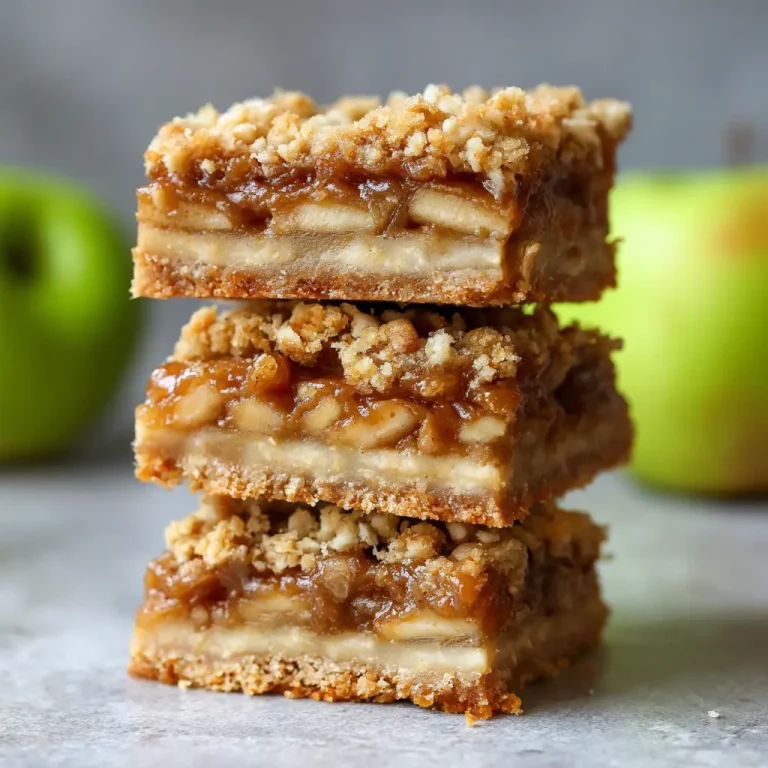
Dutch apple pie recipe Classic homemade dessert with crumb topping
Warm kitchens often carry memories of comfort and celebration, and Dutch apple pie holds a special place among classic baked desserts.
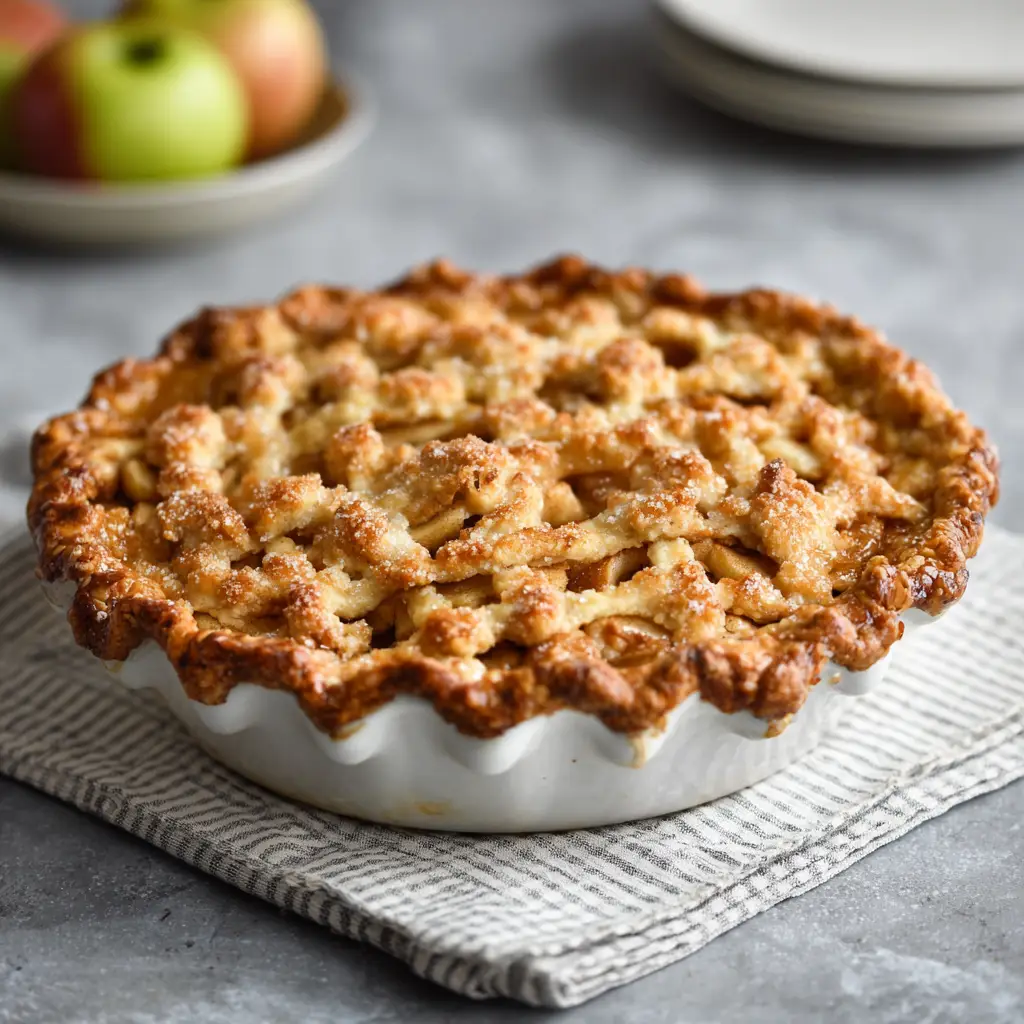
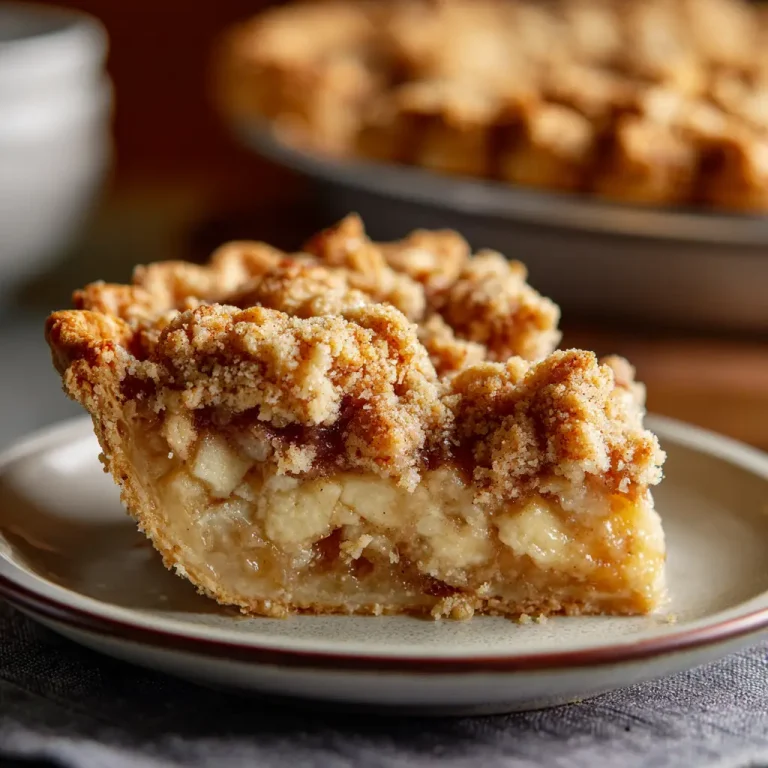
Sweet apples soften slowly in the oven while spices bloom into rich aromas that fill the home with anticipation. Many home bakers love this pie because it balances simplicity with depth of flavor. A tender crust supports a generous apple filling, and a buttery crumb topping adds texture that feels both rustic and indulgent.
This article explores a complete Dutch apple pie recipe with clear guidance and thoughtful tips. Readers will learn how to select ingredients, prepare the filling, bake the pie, and serve it with style. Each section aims to support success in the kitchen while keeping the process enjoyable and relaxed.
Ingredients Needed
Quality ingredients make a noticeable difference in flavor and texture. Fresh apples provide natural sweetness and structure. Butter adds richness to both crust and topping. Spices bring warmth and depth. The following table lists common ingredients used in a traditional Dutch apple pie recipe along with approximate calorie counts per serving contribution. Calorie values can vary based on brand and portion size.
| Ingredient | Quantity | Approximate Calories |
|---|---|---|
| All purpose flour | 2 cups | 900 |
| Unsalted butter | 1 cup | 1600 |
| Granulated sugar | 3 quarters cup | 580 |
| Brown sugar | 3 quarters cup | 830 |
| Fresh apples | 6 medium | 570 |
| Ground cinnamon | 2 teaspoons | 12 |
| Ground nutmeg | 1 quarter teaspoon | 3 |
| Lemon juice | 1 tablespoon | 4 |
| Salt | 1 teaspoon | 0 |
| Rolled oats | 1 cup | 300 |
| Cold water | 4 tablespoons | 0 |
Apples such as Granny Smith, Honeycrisp, or Braeburn work well because they hold shape during baking. Butter should remain cold before mixing to ensure a flaky crust. Sugars can be adjusted based on apple sweetness and personal preference.
Step by Step Cooking Instructions
Begin by preparing the crust. Combine flour and salt in a large bowl. Cut cold butter into small cubes. Add butter to flour and blend using fingertips or a pastry cutter until the mixture resembles coarse crumbs. Sprinkle cold water over the mixture gradually while mixing gently. Dough should come together without feeling sticky. Shape dough into a disk, wrap it, and chill for at least thirty minutes. Resting allows gluten to relax and butter to firm.
While dough chills, prepare the apple filling. Peel and core apples. Slice them evenly to ensure uniform cooking. Place slices in a large bowl. Add granulated sugar, cinnamon, nutmeg, lemon juice, and a pinch of salt. Toss gently until apples are coated. Allow mixture to rest so juices begin to form. This step enhances flavor and prevents dryness.
Prepare the crumb topping next. In a separate bowl, mix flour, rolled oats, brown sugar, and cinnamon. Add cold butter pieces. Use fingers to rub butter into dry ingredients until clumps form. Texture should feel crumbly yet cohesive. Set topping aside in the refrigerator to keep butter cold.
Roll out chilled dough on a lightly floured surface. Aim for a circle slightly larger than the pie dish. Transfer dough carefully into the dish. Press gently into corners and trim excess. Chill crust again for ten minutes. Preheat oven to three hundred seventy five degrees Fahrenheit.
Spoon apple filling into the crust. Spread evenly and pour any juices over the apples. Sprinkle crumb topping generously across the surface. Press lightly to help topping adhere while keeping texture airy.
Place pie on a baking sheet to catch drips. Bake for about fifty five minutes or until topping turns golden brown and filling bubbles around edges. Cover loosely with foil if topping browns too quickly. Remove pie from oven and allow it to cool for at least one hour. Cooling helps filling set and makes slicing easier.
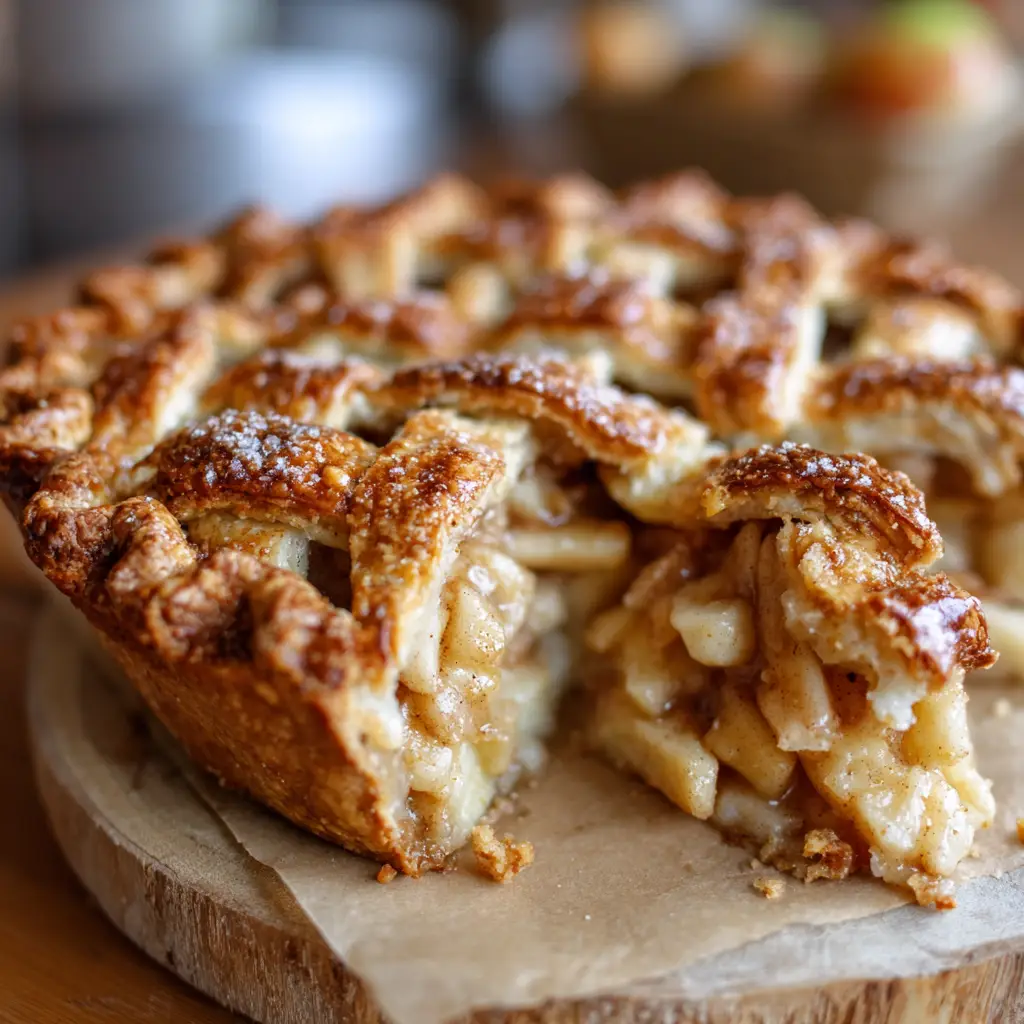
Tips for Customizing the Recipe
Personal touches can elevate a Dutch apple pie recipe and make it uniquely yours. Apple choice affects texture and flavor. Mixing tart and sweet varieties creates complexity. Granny Smith adds structure while Honeycrisp brings juiciness. Adjust spice levels to suit taste. Cinnamon can be increased for warmth or reduced for subtlety.
Sugar adjustments help control sweetness. Reduce sugar if apples taste very sweet. Brown sugar adds caramel notes, while white sugar keeps flavor clean. Some bakers add a splash of vanilla extract to the filling for aroma. Others include a pinch of cloves for depth.
Texture lovers can add chopped nuts to the crumb topping. Walnuts or pecans bring crunch and richness. Oats create a hearty feel, while flour heavy toppings feel softer. Butter amount controls crumble size. More butter leads to larger clusters.
Crust variations also matter. Whole wheat flour adds nuttiness. A touch of sugar in the dough enhances browning. Keep butter cold to maintain flakiness. Overworking dough can make it tough, so gentle handling remains important.
For a lighter version, reduce topping quantity slightly. Serve smaller slices with fruit on the side. For indulgence, drizzle caramel sauce after baking. Balance always matters. Small changes can create big results without losing the heart of the recipe.
Nutritional Information
Dutch apple pie offers comfort and satisfaction, yet mindful eaters often appreciate understanding nutritional content. One average slice provides carbohydrates from apples and sugars, fats from butter, and small amounts of fiber from fruit and oats. Apples contribute vitamins such as vitamin C and antioxidants that support general health.
Butter supplies saturated fat, which adds flavor and texture. Moderation helps maintain balance. Oats in the topping add fiber and slow digestion, making the dessert more filling. Calorie content depends on slice size and ingredient amounts. A typical slice ranges from three hundred to four hundred calories.
Homemade pie allows control over ingredients. Reducing sugar or butter slightly can lower calories without sacrificing enjoyment. Choosing quality ingredients improves satisfaction, often leading to smaller portions feeling enough.
Serving Suggestions
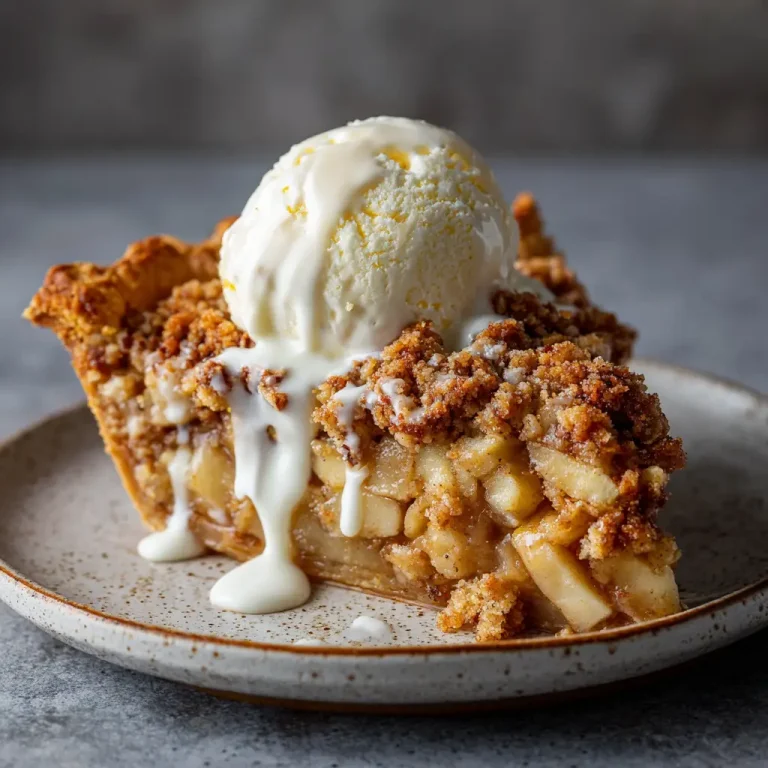
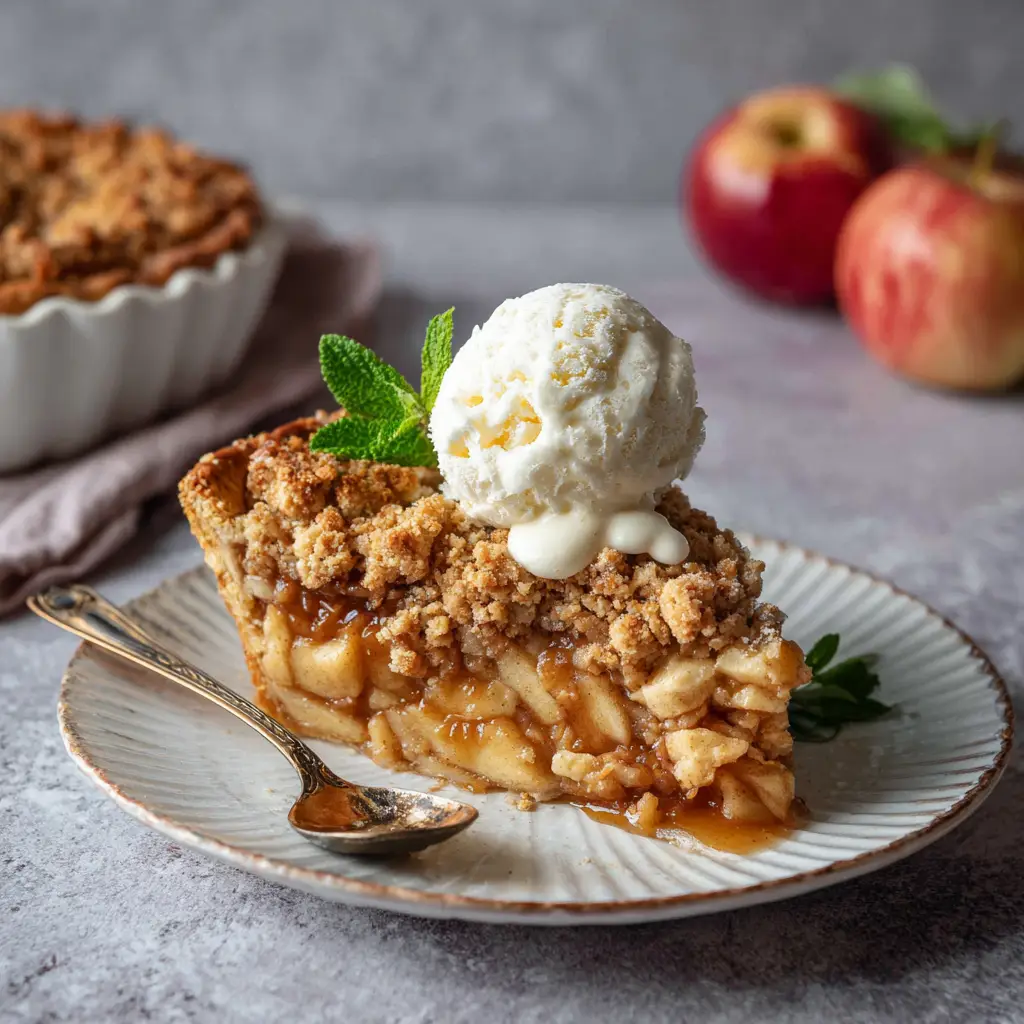
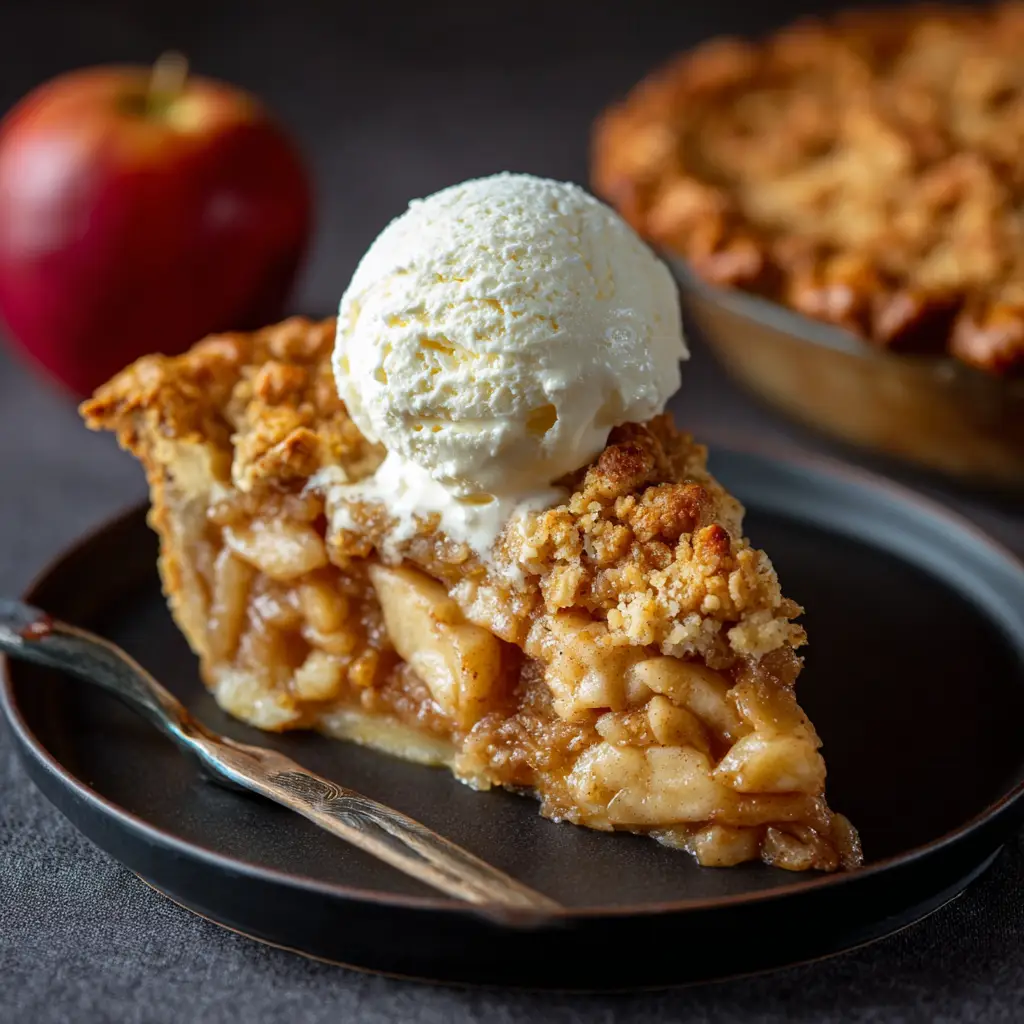
Dutch apple pie shines when served warm. Allow it to cool slightly so filling sets, then reheat gently before serving. Vanilla ice cream pairs beautifully, melting into the crumb topping and adding creamy contrast. Whipped cream offers a lighter option with soft sweetness.
Serve pie as a centerpiece at gatherings. Holidays benefit from its familiar appeal. Casual dinners feel special with a slice at the end. Coffee or tea complements spices and apple flavor. A sharp cheddar slice alongside pie reflects a traditional pairing enjoyed by many.
Presentation matters. Use a sharp knife for clean slices. Serve on warm plates to keep pie comfortable. Garnish with a dusting of cinnamon or a thin apple slice for visual appeal.
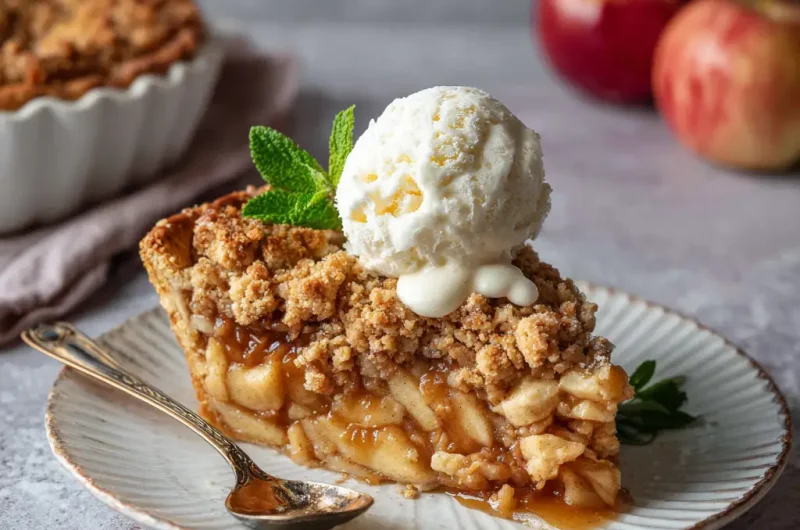
Dutch apple pie recipe Classic homemade dessert with crumb topping
Course: Blog8
servings30
minutes55
minutes380
kcalIngredients
For the pie crust
All purpose flour 2 cups
Cold unsalted butter 1 cup
Salt 1 teaspoon
Cold water 4 tablespoons
For the apple filling
Fresh apples peeled and sliced 6 medium
Granulated sugar three quarters cup
Ground cinnamon 2 teaspoons
Ground nutmeg one quarter teaspoon
Lemon juice 1 tablespoon
Salt a small pinch
Directions
- Start by preparing the pie crust. In a large bowl mix flour and salt. Add cold butter and blend using fingertips until the mixture looks like coarse crumbs. Add cold water slowly and mix until dough comes together. Shape into a round disk and refrigerate for thirty minutes.
- Preheat the oven to three hundred seventy five degrees Fahrenheit. Roll out the chilled dough on a lightly floured surface. Place it gently into a pie dish and press into the edges. Trim excess dough and set aside.
- Prepare the apple filling. Place sliced apples in a large bowl. Add sugar cinnamon nutmeg lemon juice and salt. Toss well until apples are evenly coated.
Notes
- Use firm apples like Granny Smith or Honeycrisp for best texture. Mixing sweet and tart apples improves flavor. Letting the pie rest after baking helps the filling set properly. Serve warm with vanilla ice cream or whipped cream for a classic finish. Store leftovers covered at room temperature for one day or refrigerate for up to three days.
FAQs
What makes Dutch apple pie different from regular apple pie
Dutch apple pie uses a crumb topping instead of a pastry lattice or top crust. This topping adds texture and richness while allowing steam to escape, keeping apples tender and flavorful.
Which apples work best for this recipe
Firm apples that hold shape during baking work best. Granny Smith, Honeycrisp, Braeburn, and Pink Lady are popular choices. Mixing varieties creates balanced flavor.
Can the pie be made ahead of time
Yes. Bake the pie a day ahead and store it covered at room temperature. Reheat gently before serving to restore warmth and aroma.
How do you prevent a soggy crust
Chilling the dough, avoiding excess liquid in filling, and baking fully help prevent sogginess. Resting the pie after baking also allows filling to set properly.
Can Dutch apple pie be frozen
Yes. Freeze the baked pie once cooled. Wrap tightly to prevent freezer burn. Thaw in the refrigerator and reheat before serving.
Conclusion
Dutch apple pie brings together tradition, comfort, and flavor in a way few desserts can match. Each slice tells a story of warm kitchens and shared moments. The balance of tender apples, fragrant spices, flaky crust, and crumb topping feels timeless. Home bakers find joy in the process as much as in the result. Careful preparation rewards patience with a pie that tastes as good as it looks. Whether served at a holiday table or enjoyed on a quiet afternoon, this Dutch apple pie recipe offers a reliable path to satisfaction and smiles.