Baking Powder Biscuits Easy Homemade Recipe Soft and Fluffy
Baking powder biscuits hold a special place in home kitchens across many cultures. Warm biscuits fresh from the oven bring comfort and familiarity that few foods can match.
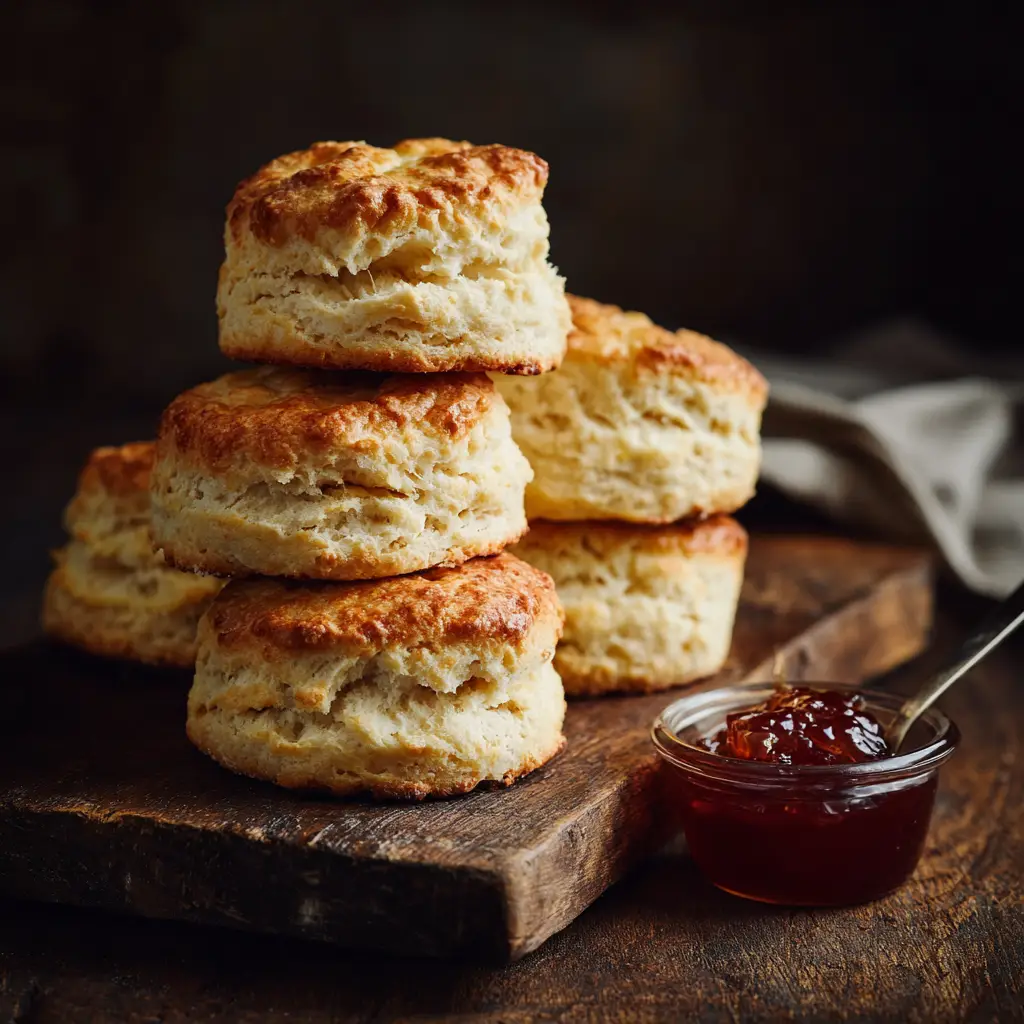
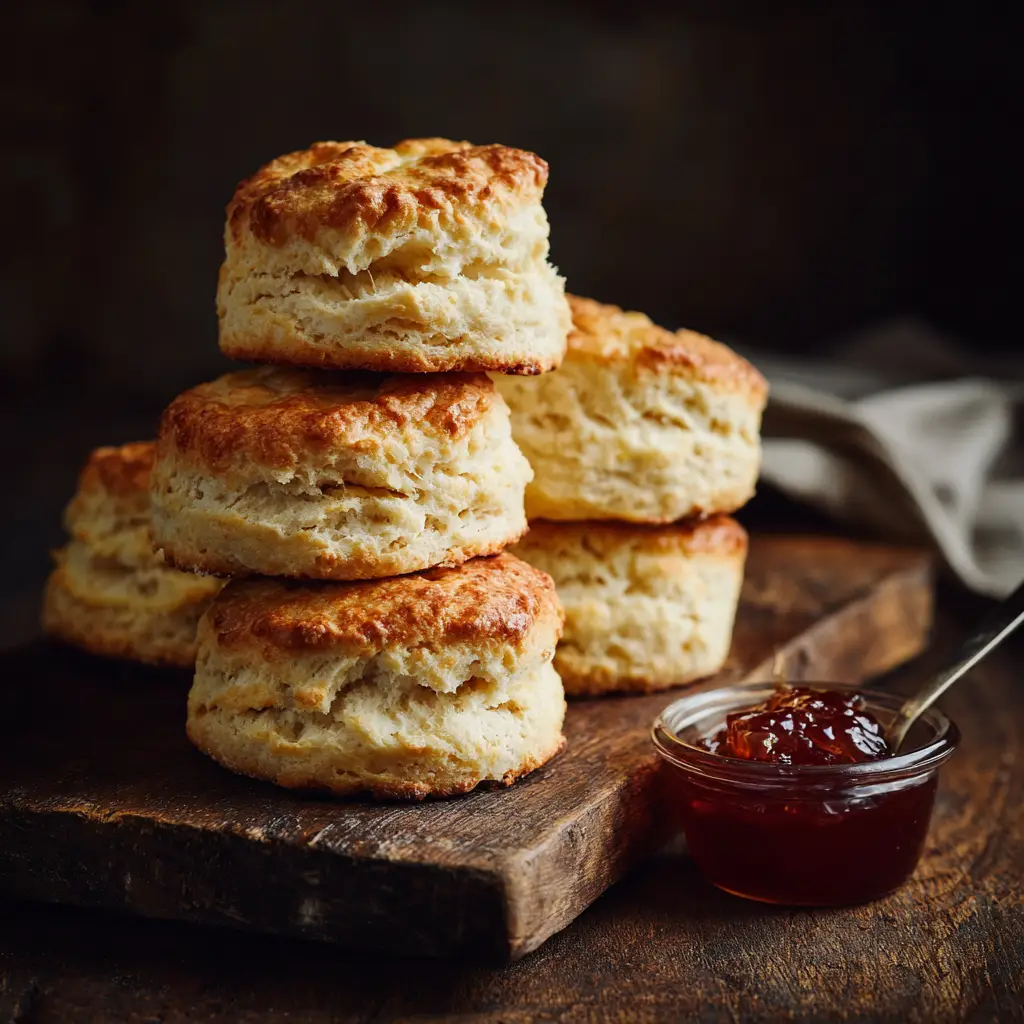
The aroma alone fills the room with a sense of calm and anticipation. Soft interiors and lightly crisp edges create a texture that feels both rustic and refined. These biscuits do not rely on yeast or long rising times. Instead they depend on the gentle power of baking powder to create lift and tenderness.
Ingredients Needed
Quality ingredients form the foundation of excellent baking powder biscuits. Each component plays a specific role in flavor and texture. Flour provides structure. Baking powder creates lift. Fat adds richness. Liquid brings everything together. Salt sharpens flavor. Optional sugar offers subtle sweetness.
The table below outlines common ingredients along with estimated calorie counts per typical serving portion used in one batch. Values may vary depending on brand and measurement style.
| Ingredient | Amount Used | Approximate Calories |
|---|---|---|
| All purpose flour | 2 cups | 880 |
| Baking powder | 1 tablespoon | 15 |
| Salt | 1 teaspoon | 0 |
| Unsalted butter | 6 tablespoons | 600 |
| Milk | 3 quarters cup | 110 |
| Optional sugar | 1 tablespoon | 50 |
Fresh ingredients matter. Baking powder should be active and not expired. Butter should be cold for best texture. Milk can be whole or reduced fat depending on preference. Each choice affects the final biscuit.
Step by Step Cooking Instructions
Begin by preheating the oven to 425 degrees Fahrenheit. A hot oven encourages quick rise and proper browning. Prepare a baking sheet with parchment paper or light greasing. Set it aside.
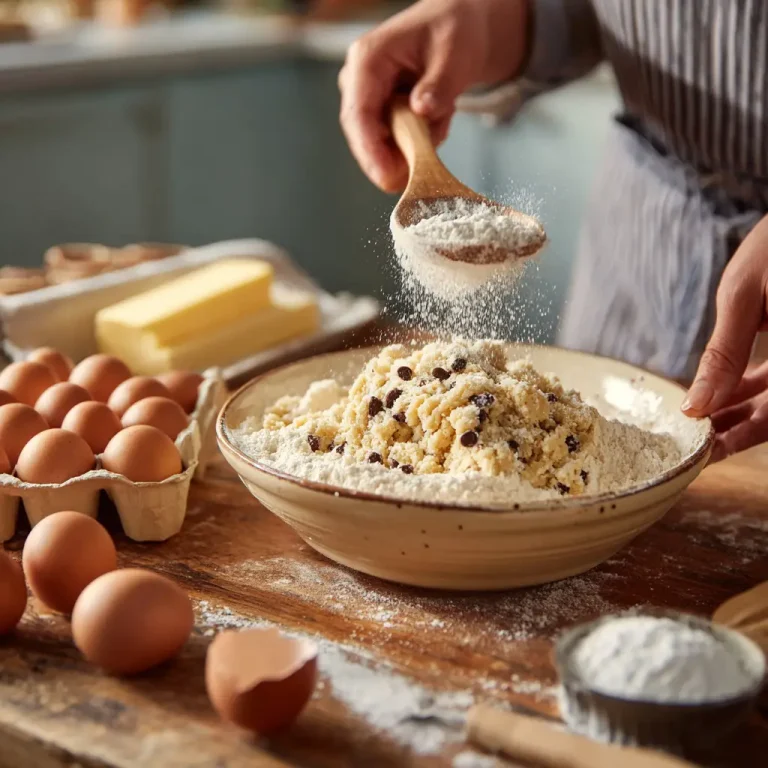
Measure the flour accurately and place it in a large mixing bowl. Add the baking powder and salt. Whisk gently to distribute evenly. Uniform mixing ensures even rise and balanced flavor.
Cut cold butter into small cubes. Add it to the flour mixture. Use a pastry cutter or fingertips to work the butter into the flour. Aim for pea sized pieces. This step creates pockets of fat that produce flakiness during baking. Work quickly to keep the butter cold.
Pour the milk slowly into the bowl. Stir gently with a fork or spatula. Stop mixing as soon as the dough comes together. Overmixing leads to tough biscuits. The dough should look slightly shaggy and soft.To try another comforting dish, see To try another comforting dish, see Simple Baking Recipes
Turn the dough onto a lightly floured surface. Pat it gently into a rectangle about one inch thick. Fold the dough over itself once or twice to create layers. Pat it down again without pressing too hard.
Use a round cutter or glass to cut biscuits straight down. Avoid twisting the cutter. Twisting seals the edges and reduces rise. Place the biscuits on the prepared baking sheet with sides touching for softer edges or spaced apart for crisp edges.
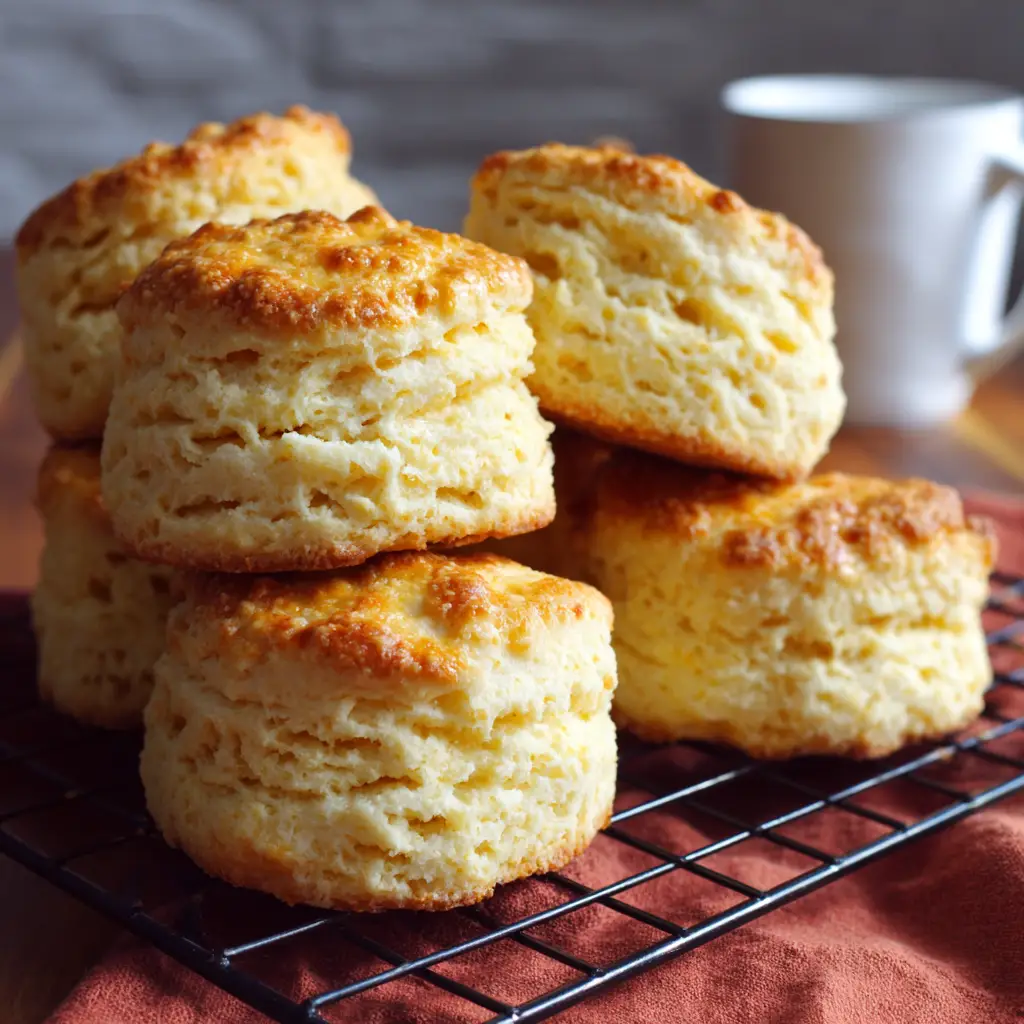
Bake for twelve to fifteen minutes. Watch for golden tops and visible rise. Remove from the oven and let cool briefly. Serve warm for best texture and flavor.
Tips for Customizing the Recipe
Customization turns a simple biscuit into a personal signature. Small changes create new experiences without adding complexity. Different fats bring unique flavors. Butter offers richness. Shortening creates tenderness. A blend balances both qualities.
Milk can be swapped for buttermilk for tangy depth. Yogurt thinned with water also works well. Plant based milk options suit dairy free diets and still produce good results.
Additions mix easily into the dough. Shredded cheese adds savory richness. Fresh herbs bring brightness. Garlic powder enhances aroma. Sweet variations include cinnamon or honey.
Texture adjustments depend on handling. Gentle folds increase layers. Minimal handling keeps biscuits tender. Thicker dough produces taller biscuits. Thinner dough yields crispier edges.
Baking temperature matters. Slightly higher heat increases rise. Slightly lower heat promotes even baking. Every oven behaves differently. Observation and adjustment improve consistency over time.
Nutritional Information
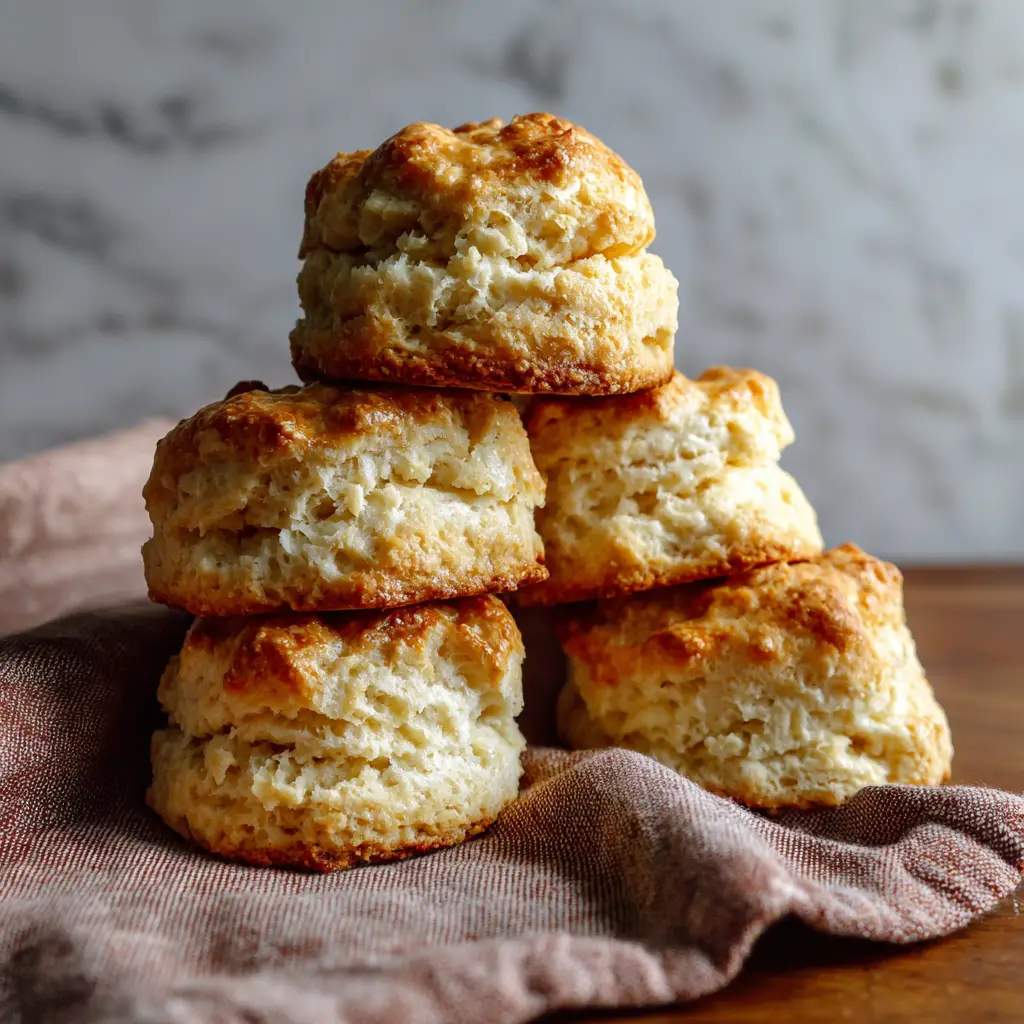
Baking powder biscuits offer comfort and energy. They provide carbohydrates for quick fuel. Fat contributes satiety and flavor. Protein appears in small amounts from flour and milk.
A standard biscuit contains moderate calories. Portion size influences overall intake. Pairing biscuits with nutrient rich sides creates balance. Whole grain flour increases fiber content. Reduced fat milk lowers total fat.
Sodium content depends on baking powder and added salt. Low sodium options exist for those monitoring intake. Homemade biscuits allow full control over ingredients and nutritional profile.
Mindful enjoyment matters. Fresh baked biscuits satisfy cravings and reduce the desire for processed snacks. Balance comes from thoughtful pairing and portion awareness.
Serving Suggestions
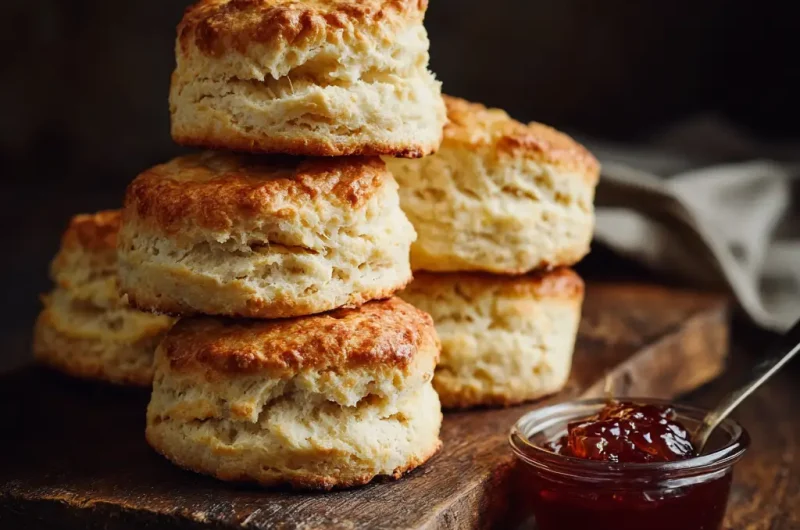
Baking powder biscuits shine in many settings. Breakfast tables welcome them with butter and jam. Honey adds natural sweetness. Fruit preserves offer contrast.
Savory meals benefit as well. Biscuits complement soups and stews. Gravy transforms them into a hearty dish. Fried eggs and vegetables create a complete meal.
Sandwiches gain charm with biscuit bases. Fillings like ham or roasted vegetables work beautifully. Sliders feel special when built on fresh biscuits.
Dessert options exist too. Split biscuits hold whipped cream and berries. Warm biscuits pair nicely with spiced fruit compote. Versatility keeps them relevant across meals.
Baking Powder Biscuits Easy Homemade Recipe Soft and Fluffy
Course: Blog6
servings10
minutes15
minutes280
kcalIngredients
All purpose flour 2 cups
Baking powder 1 tablespoon
Salt 1 teaspoon
Unsalted butter cold 6 tablespoons
Milk 3 quarters cup
Directions
- Preheat the oven to 425 degrees Fahrenheit.
- Prepare a baking tray with parchment paper or light greasing.
- Add flour, baking powder, and salt to a large bowl.
- Mix well so everything is evenly combined.
- Cut the cold butter into small cubes.
- Add it to the flour mixture.
- Use fingers or a pastry cutter to blend until the mixture looks crumbly.
- Slowly pour in the milk.
Recipe Video
Notes
- Cold butter is very important for soft and flaky biscuits.
Do not twist the cutter when cutting the dough.
Fresh baking powder gives better rise and texture.
Biscuits taste best on the same day they are baked.
Frequently Asked Questions
Why are my baking powder biscuits dense
Dense biscuits often result from overmixing. Too much handling develops gluten. Expired baking powder also reduces rise. Cold butter and gentle mixing improve texture.
Can baking powder biscuits be made ahead of time
Dough can be prepared and refrigerated for a short period. Baking fresh yields best results. Baked biscuits can be reheated briefly in the oven.
What flour works best for baking powder biscuits
All purpose flour offers reliable results. Pastry flour creates tenderness. Whole wheat flour adds nutrition but may require extra liquid.
How do I store leftover biscuits
Store cooled biscuits in an airtight container. Room temperature storage works for one day. Refrigeration extends freshness. Freezing suits longer storage.
Can baking powder biscuits be made without dairy
Plant based butter and milk substitutes work well. Texture may vary slightly. Flavor remains enjoyable with proper seasoning.
Conclusion
Baking powder biscuits represent simplicity at its best. The recipe invites creativity while honoring tradition. Each batch tells a story shaped by hands and choices. Warm biscuits encourage gathering and sharing. Confidence grows with practice and understanding. The kitchen becomes a place of comfort and expression. Enjoy the process and savor every bite.