Simple Baking Recipes Easy Homemade Treats for Beginners and Busy Bakers
Baking at home brings comfort and confidence to the kitchen. Warm aromas fill the space. Hands get lightly dusted with flour. Ovens hum with promise. Simple baking recipes help beginners and busy home cooks enjoy homemade treats without stress. Clear steps and common ingredients remove fear from baking. Success becomes repeatable and satisfying.
Home baking also supports healthier choices. Ingredients stay visible and controlled. Sugar levels can be adjusted. Freshness remains unmatched. Simple baking recipes fit perfectly into modern lifestyles where time matters and effort must count. A single reliable recipe can become a family favorite for years.
Ingredients Needed
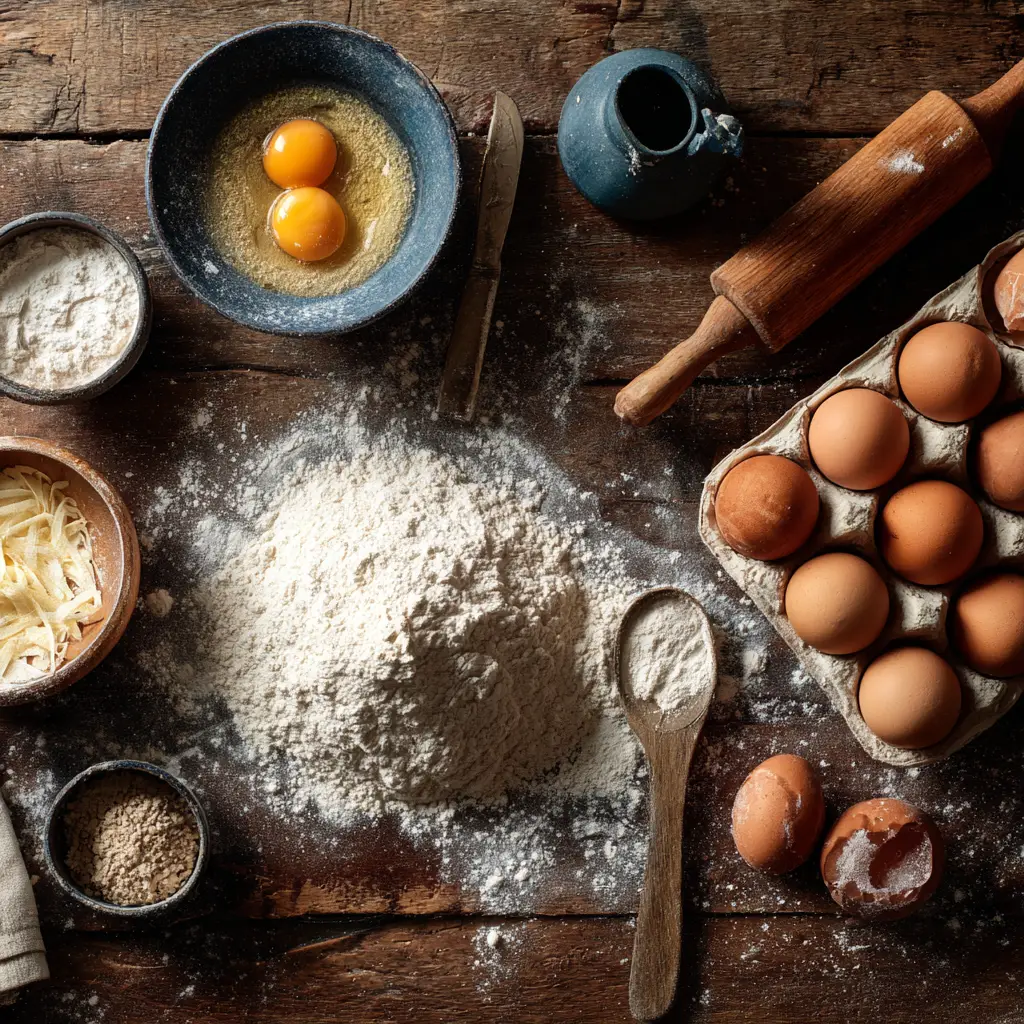
Quality ingredients shape the final result. Fresh items improve texture and flavor. Measurements should remain accurate. Room temperature ingredients blend better and bake evenly. The table below lists everything needed for a basic vanilla sponge cake along with approximate calorie values per ingredient portion.
| Ingredient | Quantity | Approximate Calories |
|---|---|---|
| All purpose flour | 2 cups | 910 |
| Granulated sugar | 1 cup | 770 |
| Unsalted butter | 1 cup | 1628 |
| Eggs | 3 large | 210 |
| Whole milk | 1 cup | 150 |
| Baking powder | 2 teaspoons | 5 |
| Vanilla extract | 2 teaspoons | 24 |
| Salt | 1 pinch | 0 |
Calories listed represent total calories per measured amount used in the recipe. Final calorie count per slice depends on portion size.
Step by Step Cooking Instructions
Preparation begins before mixing. The oven should preheat to 350 degrees Fahrenheit. This step ensures even baking. A round cake pan needs greasing. Flour lightly coats the surface. Parchment paper adds extra security.
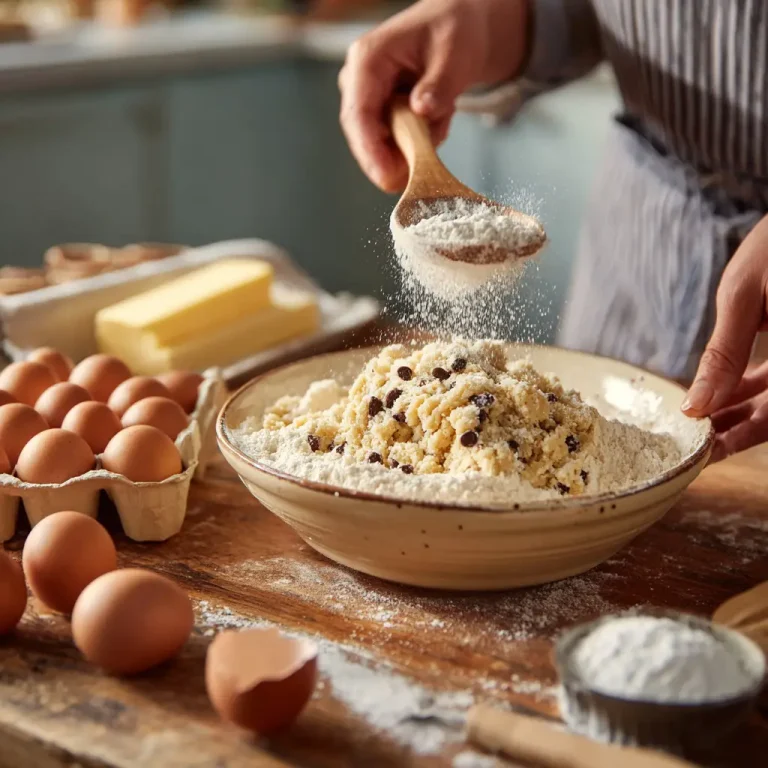
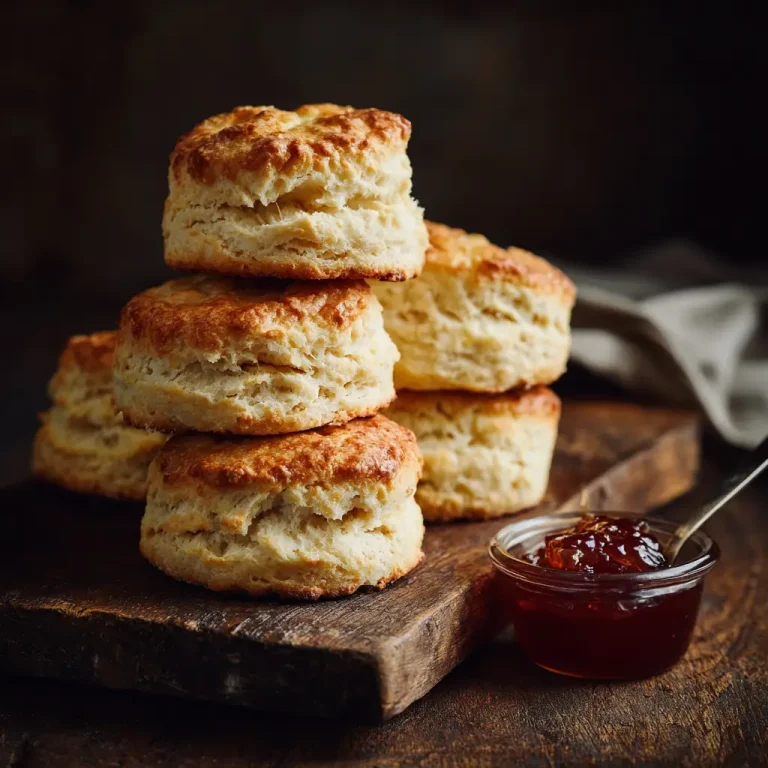
Butter and sugar come first. Place them in a large bowl. Cream them together until light and fluffy. A hand mixer works well. A wooden spoon also works with patience. The mixture should appear pale and smooth.Looking for something similar? Check out Baking Powder Biscuits
Eggs get added one at a time. Each egg needs full incorporation before the next. This method prevents curdling. The batter should look silky. Vanilla extract follows. Stir gently to distribute aroma and flavor.
Dry ingredients come next. Flour baking powder and salt should be sifted together. Sifting removes lumps and adds air. Add the dry mix to the batter in stages. Alternate with milk. Begin and end with flour. Stir slowly. Overmixing leads to dense cake. Stop once the batter looks smooth.
Pour the batter into the prepared pan. Use a spatula to level the top. Tap the pan gently on the counter. This releases trapped air bubbles. Place the pan in the center of the oven.
Baking time ranges from thirty five to forty minutes. Avoid opening the oven early. Heat loss affects rise. The cake is done when the top turns golden. A toothpick inserted in the center should come out clean.
Remove the cake from the oven. Let it cool in the pan for ten minutes. Transfer to a wire rack. Allow full cooling before slicing or frosting. Cooling sets the crumb and improves texture.
This method suits many simple baking recipes. Mastering these steps opens the door to endless variations.
Tips for Customizing the Recipe
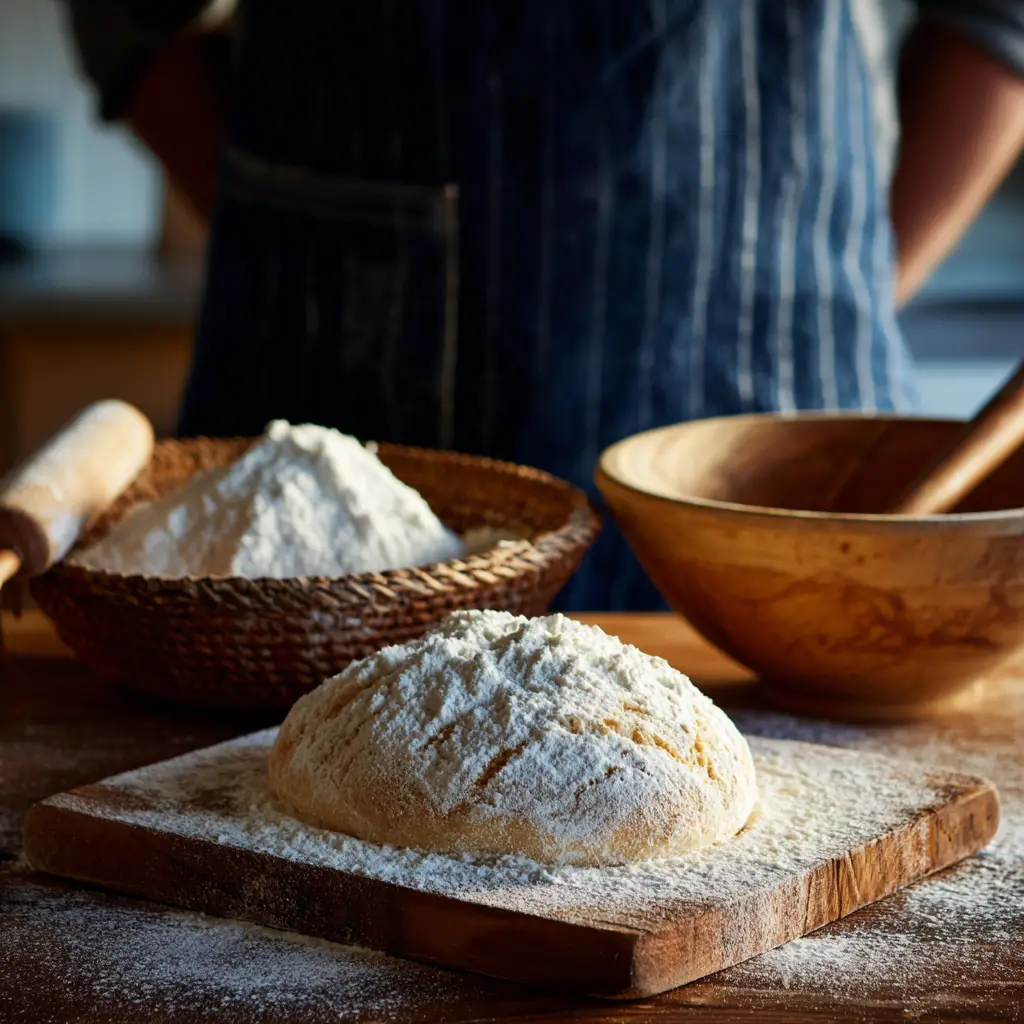
Customization keeps baking exciting. Small changes create new flavors. Add citrus zest for brightness. Lemon or orange works well. Fold in chocolate chips for indulgence. Use dark or milk chocolate based on preference.
Spices add warmth. Cinnamon nutmeg or cardamom bring depth. Add small amounts. Balance remains important. Too much spice overpowers vanilla.
Fruit works beautifully in simple baking recipes. Blueberries or chopped strawberries add moisture. Toss fruit in flour before folding in. This prevents sinking during baking.
Dairy free options exist. Replace butter with plant based margarine. Use almond or oat milk. Results stay soft and flavorful.
Sugar adjustments help health goals. Reduce sugar by up to twenty percent without major texture change. Honey or maple syrup also work with slight liquid adjustment.
Pan size affects baking time. Loaf pans require longer baking. Cupcake tins need less time. Always test doneness.
These tips help bakers adapt recipes confidently. Creativity grows with practice.
Nutritional Information
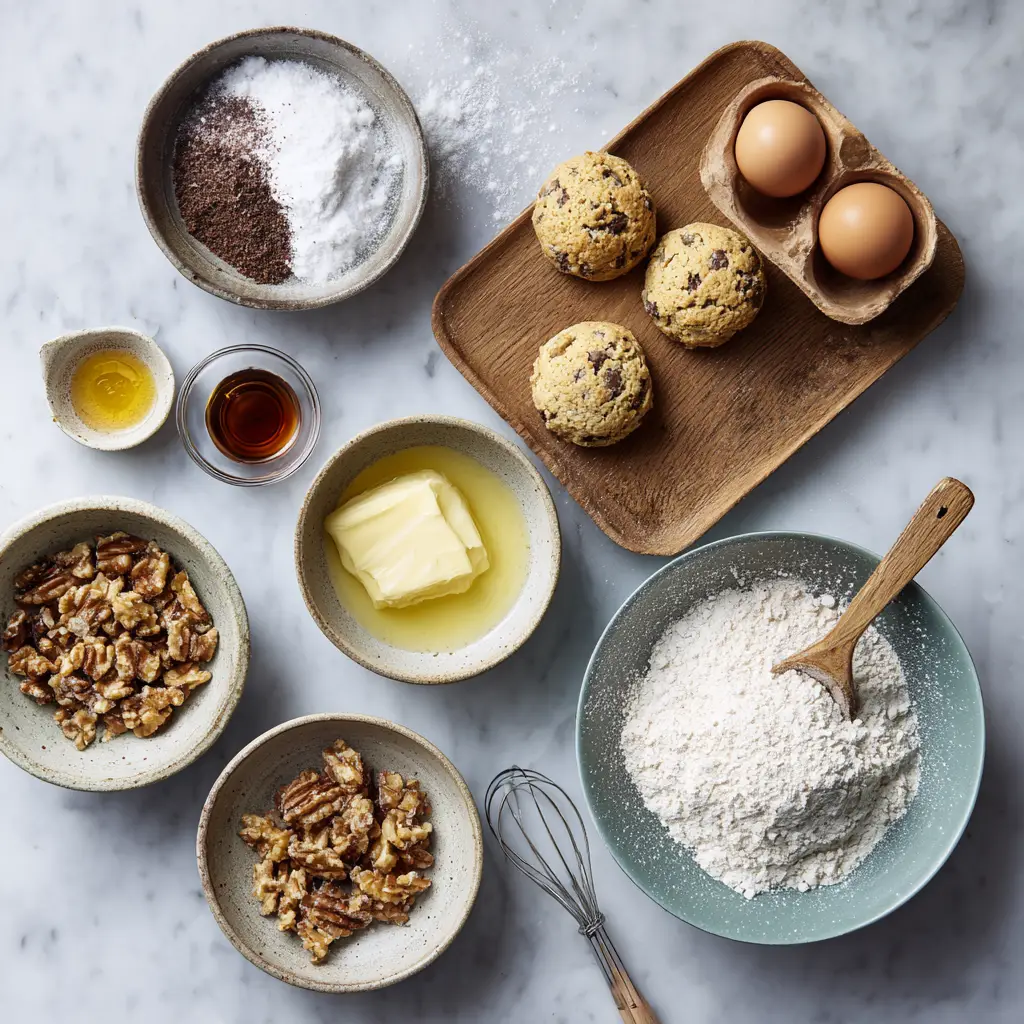
Understanding nutrition supports balanced eating. This vanilla sponge cake offers moderate energy. Butter and sugar contribute richness. Eggs provide protein. Milk adds calcium.
A standard slice from eight servings contains approximately three hundred fifty calories. Fat content comes mainly from butter. Carbohydrates come from flour and sugar. Protein remains moderate.
Reducing portion size lowers calorie intake. Pairing cake with fruit balances sweetness. Homemade baking allows control over ingredients. That control supports healthier choices.
Simple baking recipes encourage mindful enjoyment. One slice satisfies when flavors shine.
Serving Suggestions
Presentation enhances enjoyment. Serve the cake plain with tea or coffee. Dust powdered sugar on top for elegance. Fresh berries add color and freshness.
Whipped cream pairs well. Light sweetness complements the sponge. Yogurt offers a tangy alternative. Drizzle honey for extra flavor.
For celebrations add frosting. Vanilla buttercream works well. Chocolate ganache adds richness. Keep layers even for clean slices.
Warm slices taste comforting. Slight reheating revives softness. Store leftovers in an airtight container. Freshness lasts up to three days at room temperature.
Simple baking recipes fit many occasions. Everyday snacks. Weekend treats. Special gatherings.
Simple Baking Recipes Easy Homemade Treats for Beginners and Busy Bakers
Course: Blog8
servings15
minutes35
minutes350
kcalIngredients
2 cups all purpose flour
1 cup granulated sugar
1 cup unsalted butter at room temperature
3 large eggs
1 cup whole milk
2 teaspoons baking powder
2 teaspoons vanilla extract
1 pinch salt
Directions
- Preheat the oven to 350 degrees Fahrenheit. Grease and lightly flour a round cake pan.
- In a large bowl cream the butter and sugar until light and fluffy.
- Add the eggs one at a time and mix well after each addition.
- Stir in the vanilla extract until combined.
- In a separate bowl sift the flour baking powder and salt together.
- Add the dry ingredients to the butter mixture in parts alternating with milk. Mix gently until smooth.
- Pour the batter into the prepared pan and level the top.
Notes
- Use room temperature ingredients for the best texture. Do not overmix the batter as it can make the cake dense. This cake can be enjoyed plain or topped with whipped cream fresh fruits or light frosting. Store leftovers in an airtight container to keep the cake soft and fresh.
Frequently Asked Questions
Can beginners try this recipe successfully
Yes. The steps remain simple and clear. Common ingredients reduce mistakes. Practice builds confidence quickly.
How can the cake stay moist longer
Proper storage matters. Airtight containers prevent drying. Avoid overbaking. Slight underbaking keeps moisture.
Can this recipe be doubled
Yes. Use a larger pan or two pans. Adjust baking time accordingly. Monitor doneness closely.
What flour works best
All purpose flour suits this recipe. Cake flour creates lighter texture. Whole wheat flour works with slight density.
Can frosting be skipped
Absolutely. The cake tastes great plain. Simple baking recipes often shine without extras.
Conclusion
Baking does not need complexity to bring joy. Simple baking recipes prove that delicious results come from clarity and care. A basic vanilla sponge cake offers comfort and versatility. Each step teaches a skill. Each bake builds confidence.