Easy Coconut Rice Recipe Creamy Flavorful and Perfect Every Time
Coconut rice is one of those comforting dishes that feels familiar across many cultures while still offering a unique flavor in every kitchen. Warm rice gently infused with the natural sweetness of coconut creates a balance that feels rich yet soothing. Many home cooks turn to coconut rice when they want something simple that still tastes special. The aroma alone can fill a home with a sense of calm and anticipation. Each spoonful carries a soft creaminess that pairs beautifully with both spicy and mild foods.
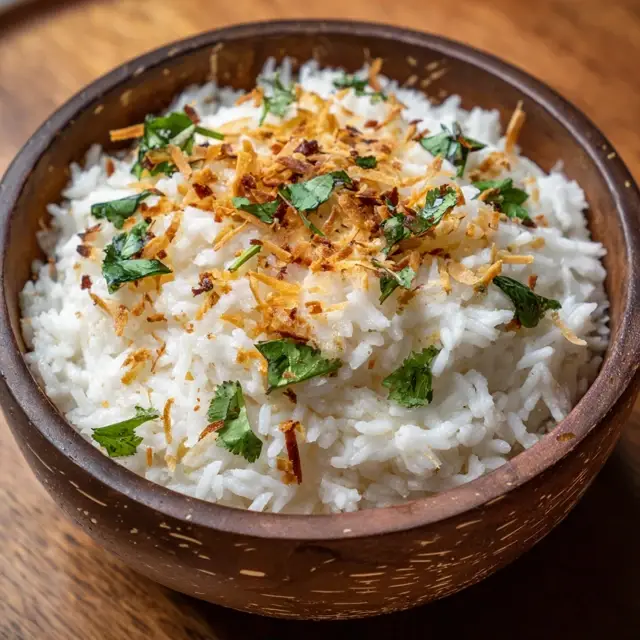
Across Asia Africa and the Caribbean coconut rice holds a respected place on the table. Families prepare it for everyday meals as well as festive gatherings. The recipe has traveled through generations and across borders adapting to local tastes and ingredients. Some versions are fragrant with spices while others stay minimal to let the coconut shine. Despite these variations the heart of coconut rice remains the same. It is about comfort nourishment and warmth.
Home cooks often search for a coconut rice recipe that feels reliable and easy. Busy routines demand food that does not require complex steps or rare ingredients. Coconut rice answers that need perfectly. With basic pantry items and a few mindful techniques anyone can create a pot of rice that tastes like it came from a seasoned cook. The texture should be fluffy yet creamy and each grain should carry flavor without feeling heavy.
Ingredients Needed
Coconut rice relies on simple ingredients that work together harmoniously. Quality matters here because fewer components mean each one plays a noticeable role. Fresh coconut milk brings richness while good quality rice ensures the right texture. Salt balances the sweetness and water helps regulate the consistency. Some cooks add aromatics but the base recipe remains pure and straightforward.
Below is a table outlining common ingredients along with approximate calorie counts per serving. Calorie values may vary depending on brand and portion size.
| Ingredient | Quantity | Approximate Calories |
| Rice | 1 cup | 200 |
| Coconut milk | 1 cup | 445 |
| Water | 1 cup | 0 |
| Salt | half teaspoon | 0 |
| Coconut oil optional | 1 teaspoon | 40 |
The choice of rice affects the final dish. Long grain rice produces fluffy results while jasmine rice adds fragrance. Medium grain rice offers a creamier texture. Coconut milk should be well mixed before use to ensure even flavor. Full fat coconut milk delivers the richest taste while lighter versions reduce calories but also reduce creaminess.
Step by Step Cooking Instructions
Cooking coconut rice is simple yet benefits from attention to detail. Each step contributes to flavor texture and aroma. Rushing through the process may lead to mushy or unevenly cooked rice. Patience rewards the cook with perfect results.
Begin by rinsing the rice under cold water. This step removes excess starch and prevents clumping. Continue rinsing until the water runs mostly clear. Drain the rice thoroughly to avoid adding extra moisture.
Place a saucepan on medium heat. Add the rinsed rice followed by coconut milk and water. Stir gently to combine. Add salt at this stage to ensure even seasoning throughout the pot. If using coconut oil add it now for extra aroma.
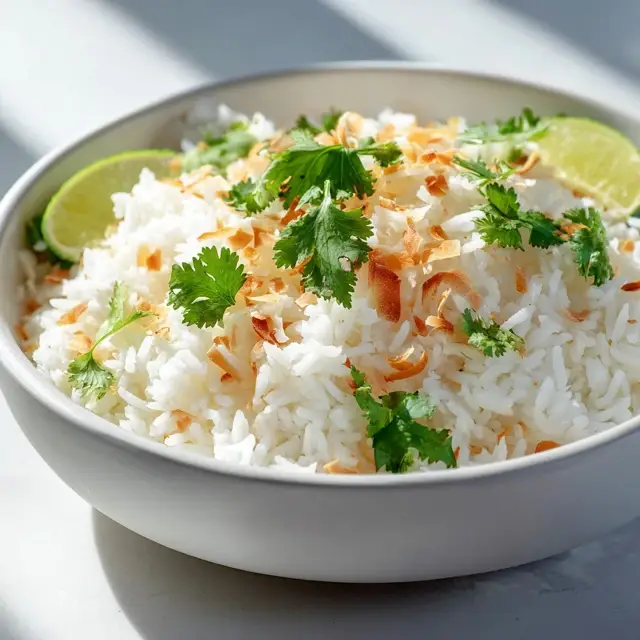
Bring the mixture to a gentle boil. Stir once or twice to prevent sticking. Once boiling reduce the heat to low and cover the pot with a tight fitting lid. Allow the rice to simmer quietly. Avoid lifting the lid too often because trapped steam is essential for proper cooking.
After about fifteen minutes check the rice. The liquid should be absorbed and the grains tender. If the rice still feels firm add a small splash of water and continue cooking for a few more minutes. When done remove the pot from heat and let it rest covered for ten minutes. Resting allows the steam to redistribute moisture evenly.
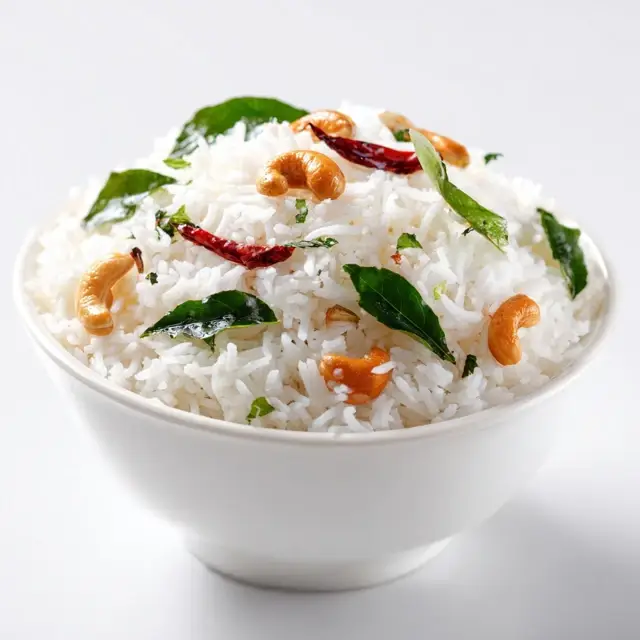
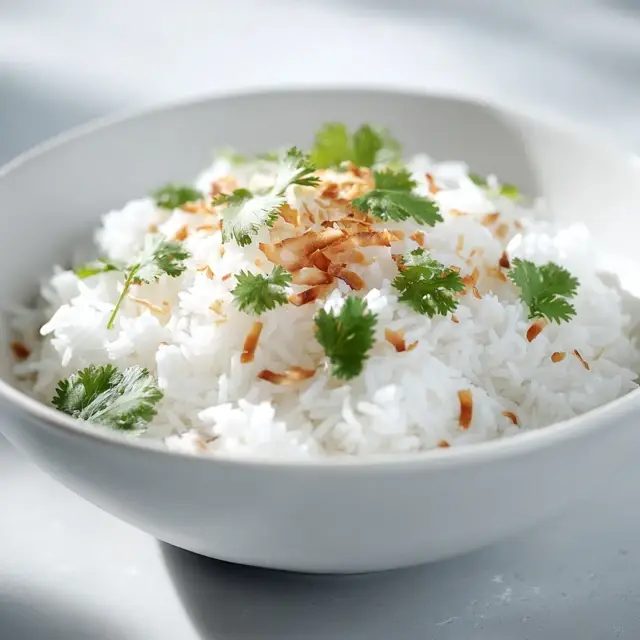
Fluff the rice gently with a fork before serving. Each grain should separate easily while still carrying a creamy coating. The scent of coconut will be subtle yet inviting.
Tips for Customizing the Recipe
Coconut rice offers endless opportunities for customization. Home cooks can adjust flavors to suit different cuisines or personal preferences. Small additions can transform the dish without overpowering its essence.
For a fragrant touch consider adding a pandan leaf or bay leaf during cooking. Remove it before serving. A pinch of sugar enhances sweetness if desired. Lime zest adds brightness and pairs well with seafood dishes.
Spices can also play a role. Cinnamon stick cardamom pods or cloves introduce warmth. Use them sparingly to avoid overwhelming the coconut flavor. Fresh herbs like cilantro or basil add freshness when sprinkled on top just before serving.
Protein lovers can turn coconut rice into a complete meal. Stir in cooked beans shredded chicken or sautéed shrimp. Vegetables such as peas carrots or bell peppers add color and nutrition. Each addition should be folded in gently to preserve texture.
Texture adjustments matter too. For softer rice add a little more water. For firmer grains reduce liquid slightly. Experimentation helps find the perfect balance for individual taste.
Cultural Background of Coconut Rice
Coconut rice has deep cultural roots in many regions. In Southeast Asia it often appears alongside curries and grilled meats. In Africa it pairs with stews and roasted vegetables. Caribbean versions lean toward sweetness and are sometimes served with beans or plantains.
The use of coconut reflects the availability of coconut palms in tropical climates. Communities learned to extract milk and oil from the fruit and incorporate it into daily cooking. Over time coconut rice became a symbol of hospitality and celebration.
Understanding this background adds appreciation for the dish. Each spoonful carries stories of coastal kitchens bustling markets and family gatherings. Cooking coconut rice at home connects modern cooks to a long culinary tradition.
Nutritional Information
Coconut rice provides both energy and satisfaction. Rice supplies carbohydrates which fuel the body. Coconut milk contributes healthy fats that promote satiety. While coconut milk is calorie dense it also contains minerals such as magnesium and iron.
A typical serving of coconut rice offers a balance of macronutrients. The fats help slow digestion which keeps hunger at bay longer. Those watching calorie intake can adjust portion sizes or use lighter coconut milk.
Fiber content remains moderate depending on rice type. Using brown rice increases fiber and adds a nutty flavor. Sodium levels stay low when salt is used sparingly. Overall coconut rice fits well into a balanced diet when enjoyed mindfully.
Common Mistakes to Avoid
Even simple recipes have pitfalls. One common mistake involves skipping the rinsing step. Unrinsed rice often turns sticky and heavy. Another issue comes from using too much coconut milk which can make the rice greasy.
High heat can scorch the bottom while leaving the top undercooked. Gentle simmering ensures even cooking. Opening the lid too often releases steam and disrupts the process.
Choosing poor quality coconut milk also affects flavor. Always shake the can and check consistency. A smooth creamy texture signals good quality. Avoid products with artificial flavoring for best results.
Serving Suggestions
Coconut rice pairs beautifully with a wide range of dishes. Spicy curries benefit from its mild sweetness. Grilled chicken or fish gains depth when served alongside coconut rice. Vegetarian meals shine when paired with roasted vegetables and lentil stews.
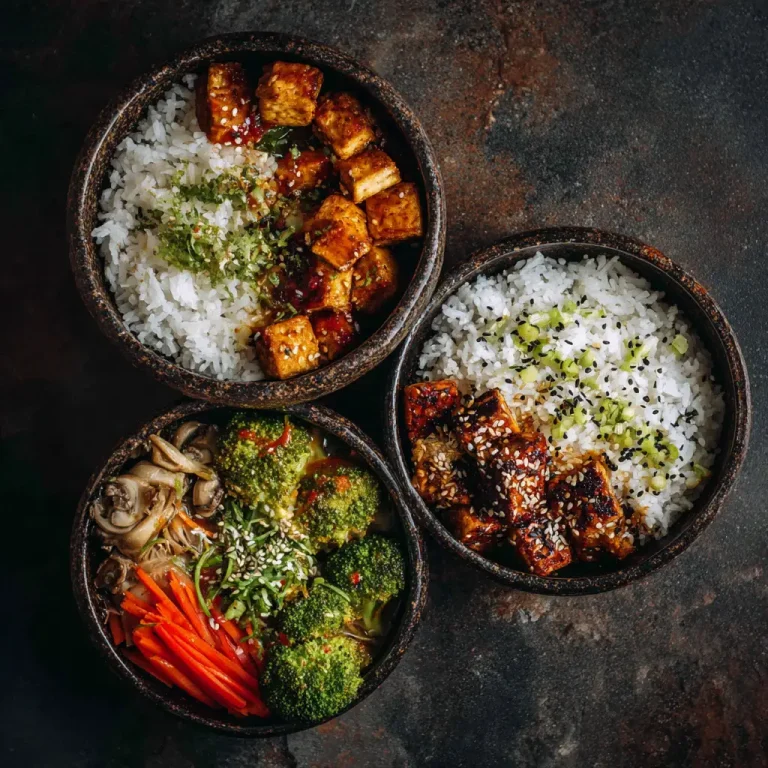
For a simple meal serve coconut rice with fresh cucumber slices and a squeeze of lime. It also works well as a base for rice bowls topped with avocado mango and protein of choice.
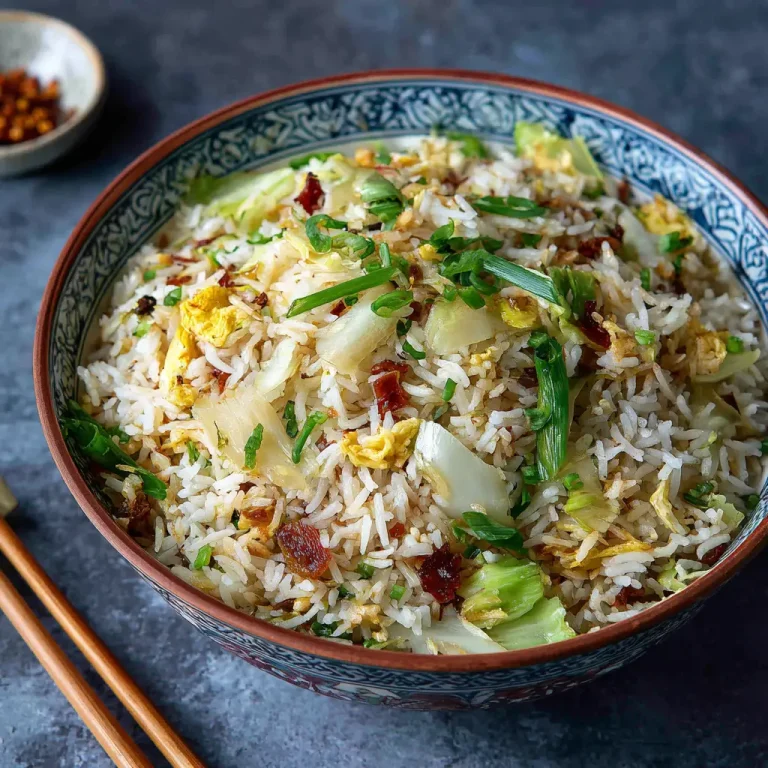
Leftover coconut rice can be transformed into fried rice the next day. Add vegetables and a splash of soy sauce for a quick meal. The coconut flavor remains subtle and pleasant.
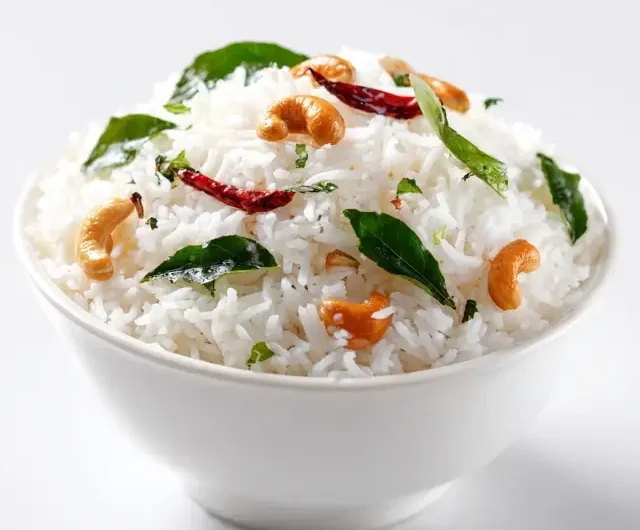
Easy Coconut Rice Recipe Creamy Flavorful and Perfect Every Time
4
servings5
minutes20
minutes340
kcalIngredients
White rice 1 cup
Coconut milk 1 cup
Water 1 cup
Salt half teaspoon
Coconut oil optional 1 teaspoon
Directions
- Rinse the rice under cold water until the water looks mostly clear. Drain well and set aside.
- Place a medium saucepan on medium heat. Add the rinsed rice coconut milk water salt and coconut oil if using. Stir gently to combine all ingredients evenly.
- Bring the mixture to a gentle boil. Stir once to prevent sticking. Reduce the heat to low and cover the saucepan with a tight lid.
- Let the rice simmer for about 15 minutes or until the liquid is fully absorbed and the rice is tender.
- Remove the pan from heat and keep it covered for 10 minutes. This resting time helps the rice become fluffy.
- Fluff the rice gently with a fork before serving.
Recipe Video
Notes
- Use full fat coconut milk for the richest flavor and creamy texture. Light coconut milk can be used for fewer calories but the rice will be less creamy.
Do not skip rinsing the rice as this helps prevent sticky texture.
Coconut rice pairs well with spicy dishes grilled meats seafood or vegetables.
Frequently Asked Questions
Can coconut rice be made ahead of time
Coconut rice can be prepared in advance and stored in the refrigerator for up to three days. Reheat gently with a splash of water to restore moisture.
Is coconut rice sweet or savory
Coconut rice sits between sweet and savory. The coconut adds mild sweetness while salt keeps it balanced. Additional sugar is optional.
Can brown rice be used
Brown rice works well but requires more liquid and longer cooking time. The result is nuttier and higher in fiber.
What coconut milk is best
Full fat coconut milk provides the richest flavor. Light versions work for lower calorie meals but produce a less creamy texture.
Can coconut rice be frozen
Freezing is possible though texture may change slightly. Cool completely before freezing and reheat slowly.
Conclusion
Coconut rice brings simplicity and elegance to the table in a way few dishes can. The gentle richness of coconut combined with tender rice creates a foundation that supports countless meals. Cooking it at home allows full control over flavor texture and nutrition. Each pot becomes a personal expression shaped by small choices and preferences.