Donuts Recipe Guide Homemade Soft and Delicious Donuts
Donuts hold a special place in food culture across the world. Warm rings of dough with a tender crumb and a lightly crisp surface bring comfort with every bite. Bakeries open early because the aroma alone draws people in. Home kitchens also embrace donuts because the process feels rewarding and creative. Sweet glazes shine under kitchen lights. Sugar coats fingers and smiles appear quickly. Donuts feel nostalgic yet modern at the same time. Childhood memories connect with new flavors and inventive toppings. Every culture seems to have its own version. Some are fried. Some are baked. Some are filled with rich creams or fruit preserves. Others stay simple with a dusting of sugar.

Ingredients Needed
Quality ingredients shape the final result. Fresh flour creates structure. Yeast brings lightness. Milk adds softness. Sugar balances flavor. Each element matters. Accurate measurements help ensure consistent donuts every time. The table below outlines common ingredients along with approximate calorie counts per standard serving portion used in the recipe.
| Ingredient | Quantity | Approximate Calories |
|---|---|---|
| All purpose flour | 3 cups | 1360 |
| Whole milk | 1 cup | 150 |
| Granulated sugar | 0.5 cup | 390 |
| Unsalted butter | 4 tablespoons | 400 |
| Active dry yeast | 2.25 teaspoons | 20 |
| Eggs | 2 large | 140 |
| Salt | 1 teaspoon | 0 |
| Vanilla extract | 1 teaspoon | 12 |
| Vegetable oil for frying | As needed | 120 per donut |
| Powdered sugar for glaze | 1 cup | 470 |
Calories vary based on portion size and frying method. Home preparation allows control over quantity and richness.
Step by Step Cooking Instructions
Begin by warming the milk gently. The milk should feel warm to the touch but not hot. Pour it into a large bowl. Add yeast and a teaspoon of sugar. Stir lightly. Let it rest for about ten minutes. Foam should appear on the surface. That foam signals active yeast.
In a separate bowl mix flour and salt. Set aside. In the yeast mixture add remaining sugar, melted butter, eggs, and vanilla. Stir until smooth. Gradually add the flour mixture. Use a wooden spoon at first. Switch to hands once the dough thickens. Knead gently on a floured surface for about eight minutes. The dough should feel soft and elastic. It should spring back when pressed.
Place the dough in a greased bowl. Cover with a clean cloth. Allow it to rise in a warm place for about one hour. The dough should double in size. Patience here improves texture.
Once risen punch down the dough gently. Roll it out to about half an inch thickness. Use a round cutter to shape donuts. Cut small holes in the center. Place shaped dough on parchment paper. Cover lightly and let rise again for thirty minutes. This second rise ensures light donuts.
Heat vegetable oil in a deep pot to medium heat. Test with a small piece of dough. It should rise and bubble slowly. Fry donuts in batches. Turn once they turn golden brown. Each side takes about one minute. Remove and drain on paper towels.

Prepare glaze by mixing powdered sugar with a few tablespoons of warm milk. Stir until smooth. Dip warm donuts into glaze. Let excess drip off. Place on a rack to set. Enjoy while fresh.
Tips for Customizing the Recipe
Customization allows donuts to match personal taste. Flavor variations start in the dough. Add cinnamon or nutmeg for warmth. Citrus zest brightens flavor. Cocoa powder adds richness. Adjust sugar levels based on preference.
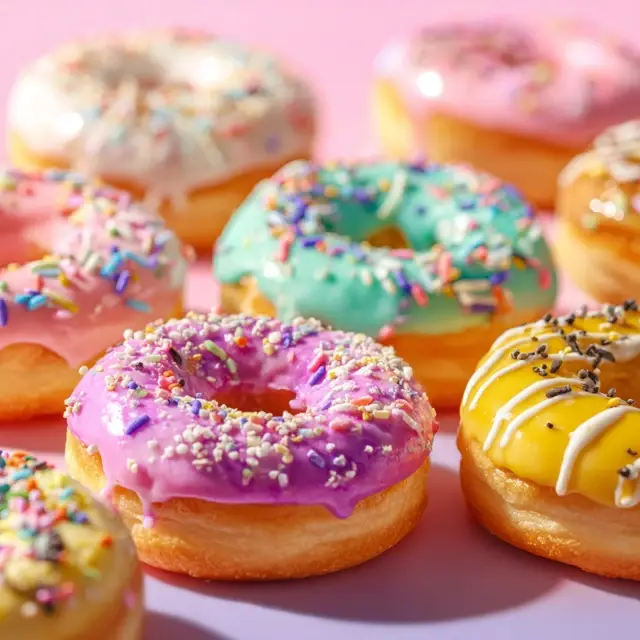
Glazes offer endless creativity. Chocolate glaze adds indulgence. Maple glaze adds depth. Fruit glazes bring freshness. Natural colors from berries or matcha enhance visual appeal.
Fillings elevate donuts further. Use pastry cream for classic appeal. Jam adds tangy sweetness. Nut butter creates richness. Fill donuts using a piping bag once cooled.
Cooking methods can also change. Baking reduces oil content. Texture becomes cake like. Air frying works for lighter results. Frying remains traditional and offers the crispiest exterior.
Toppings add texture contrast. Chopped nuts bring crunch. Coconut flakes add chew. Sprinkles create fun. Sea salt balances sweetness.
Dietary adjustments are possible. Use plant based milk and butter alternatives. Choose egg substitutes if needed. Use gluten free flour blends designed for yeast dough. Results vary but experimentation helps refine technique.
Nutritional Information
Donuts provide energy from carbohydrates and fats. Protein content comes from eggs and milk. Vitamins appear in small amounts from dairy and eggs. Minerals include calcium and iron. Frying increases fat content. Baking reduces fat but alters texture.
A single glazed donut averages between 250 and 300 calories depending on size. Sugar content remains high. Moderation helps maintain balance. Pairing donuts with protein rich foods can stabilize blood sugar. Homemade donuts allow reduced sugar and healthier oils.
Fiber content remains low unless whole grain flour is used. Whole wheat flour increases fiber and adds nutty flavor. Portion control remains key for enjoyment without excess.
Serving Suggestions
Serve donuts fresh for best flavor. Morning gatherings feel complete with warm donuts and coffee. Afternoon tea pairs well with lighter glazes. Milk remains a classic companion.
Arrange donuts on a large platter for sharing. Mix flavors for variety. Garnish with fresh fruit for color. Dust with powdered sugar just before serving.
For celebrations stack donuts into a tower. Add candles for birthdays. Customize colors for holidays. Donuts work well as dessert or snack.
Leftover donuts can be reheated briefly. Warm in the oven for a few minutes. Avoid microwaving too long as texture suffers. Freeze unglazed donuts for later use. Thaw and glaze when needed.
Donuts Recipe Guide Homemade Soft and Delicious Donuts
12
servings20
minutes15
minutes250
kcalIngredients
For the Dough:
2 ½ cups all-purpose flour
¼ cup granulated sugar
2 ¼ teaspoons active dry yeast (1 packet)
½ teaspoon salt
½ cup whole milk, warm
2 tablespoons unsalted butter, melted
2 large eggs
1 teaspoon vanilla extract
Vegetable oil, for frying
For the Glaze:
1 cup powdered sugar
2–3 tablespoons milk
Directions
- Prepare the Dough:
- In a small bowl, combine warm milk and yeast. Let it sit 5 minutes until foamy.
- In a large mixing bowl, combine flour, sugar, and salt.
- Add yeast mixture, melted butter, eggs, and vanilla extract. Mix until a soft dough forms.
- Knead the dough on a floured surface for 5–7 minutes until smooth and elastic.
- Place dough in a greased bowl, cover, and let it rise for 1 hour or until doubled in size.
- Shape the Donuts:
- Roll out dough to ½-inch thickness on a floured surface.
- Use a donut cutter or two round cutters to cut out donut shapes.
- Place donuts on a floured baking sheet, cover, and let rise for another 30 minutes.
- Fry the Donuts:
- Heat vegetable oil in a deep pan to 350°F (175°C).
- Fry donuts in batches for 1–2 minutes per side until golden brown.
- Remove with a slotted spoon and drain on paper towels.
- Glaze the Donuts:
- In a bowl, whisk powdered sugar, milk, and vanilla extract until smooth.
- Dip warm donuts into the glaze and let them set on a wire rack.
Recipe Video
Notes
- For a lighter version, donuts can be baked at 375°F (190°C) for 10–12 minutes.
Add cinnamon, chocolate, or sprinkles to customize your donuts.
Make sure oil temperature stays steady to avoid greasy donuts.
Frequently Asked Questions
Can donuts be made without yeast
Yes cake style donuts use baking powder instead of yeast. Texture becomes denser and more crumbly. Flavor remains delicious.
How long do homemade donuts stay fresh
Donuts taste best on the day they are made. They remain acceptable for one to two days when stored in an airtight container.
Is baking healthier than frying
Baking reduces fat and calories. Frying provides traditional texture. Choice depends on dietary goals and preference.
Why did my donuts absorb too much oil
Oil temperature may be too low. Dough may be over proofed. Proper heat control prevents excess oil absorption.
Can whole wheat flour replace white flour
Partial substitution works best. Full replacement creates denser donuts. Adjust liquid slightly for balance.
Conclusion
Donuts bring joy through simplicity and creativity. The process of making them connects technique with intuition. Each batch teaches something new. Warm donuts shared with loved ones create lasting memories.