Vanilla cake recipe easy guide for a soft and flavorful homemade treat
Introduction
A warm and fragrant vanilla cake creates a sense of comfort that feels almost nostalgic. Many home bakers reach for this classic because it delivers a tender crumb, a gentle sweetness, and an aroma that fills the entire kitchen with pure joy.
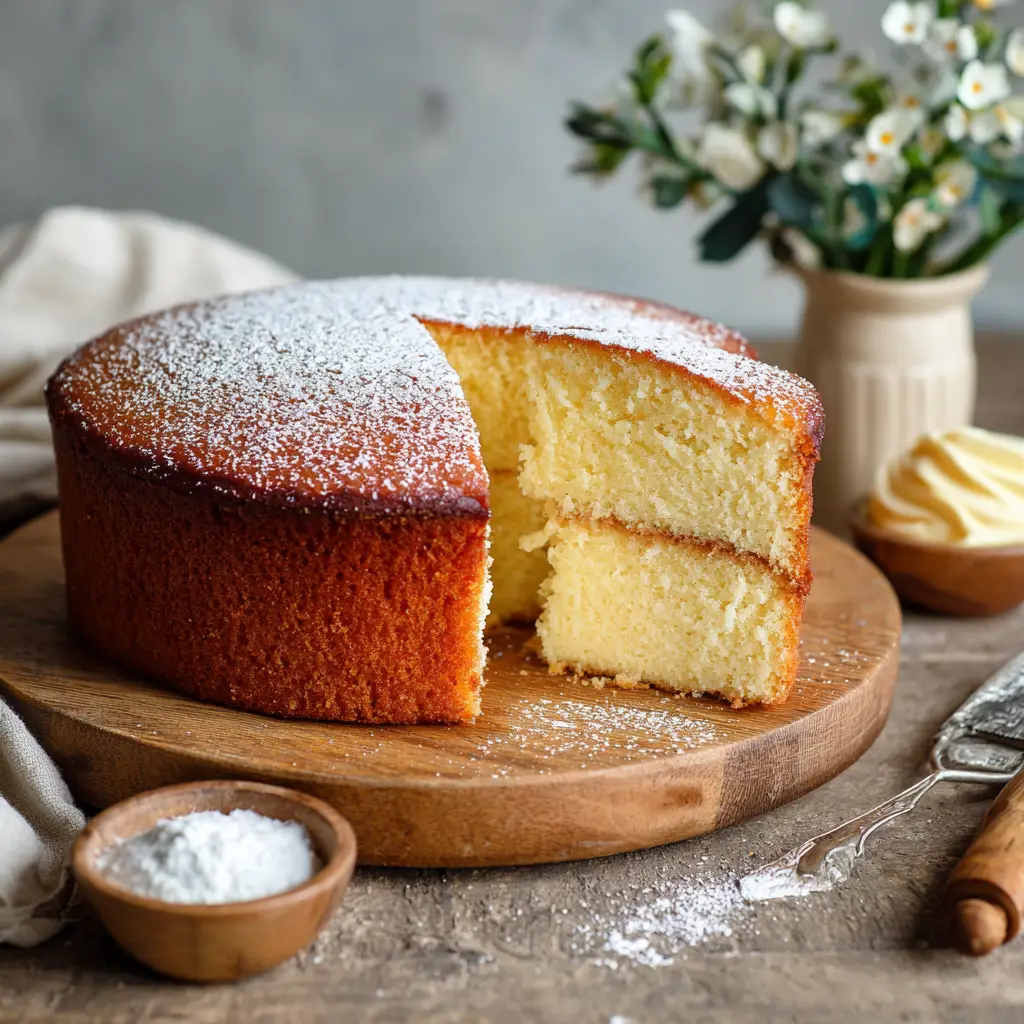
A simple vanilla cake might look modest at first glance yet it continues to be a cherished favorite for celebrations, weekend treats, and family gatherings. People often underestimate how rewarding it can be to prepare a cake from scratch since the process allows complete control over flavor, texture, and quality.
Ingredients Needed
The following table presents each ingredient along with its approximate calorie count to help with planning. All values represent average estimates based on commonly accepted nutritional data.
| Ingredient | Calories |
|---|---|
| All purpose flour one and one half cups | 675 |
| Granulated sugar one cup | 774 |
| Unsalted butter one half cup | 814 |
| Eggs two large | 144 |
| Whole milk three fourths cup | 112 |
| Baking powder one and one half teaspoons | 2 |
| Vanilla extract one tablespoon | 37 |
| Salt one quarter teaspoon | 0 |
These ingredients work together to build structure, enhance flavor, and maintain moisture. Every element adds something essential to the final cake, and the balance helps create a tender and flavorful crumb.
Step by Step Cooking Instructions
Begin by preheating the oven to a moderate temperature of three hundred fifty degrees Fahrenheit so the batter can bake evenly once mixed. Coat a round cake pan with butter or a light mist of oil and dust it with flour to prevent sticking. A prepared pan ensures the cake releases smoothly and keeps the delicate structure intact.To expand your menu, add Tiramisu Recipe to your must-try list.
Cream the butter and sugar in a large bowl until the mixture appears pale and fluffy. This step traps air inside the butter, which helps the cake rise and stay light. Add the eggs one at a time while mixing gently to create a smooth and rich base. Stir in the vanilla extract to deepen the aroma.
Combine the flour, baking powder, and salt in a separate bowl. Mix these ingredients thoroughly to distribute the leavening agent evenly. Slowly add the dry mixture to the wet mixture in small portions. Alternate between adding dry ingredients and milk so the batter remains smooth and free of lumps. Begin and end with the dry mixture to maintain the proper consistency.
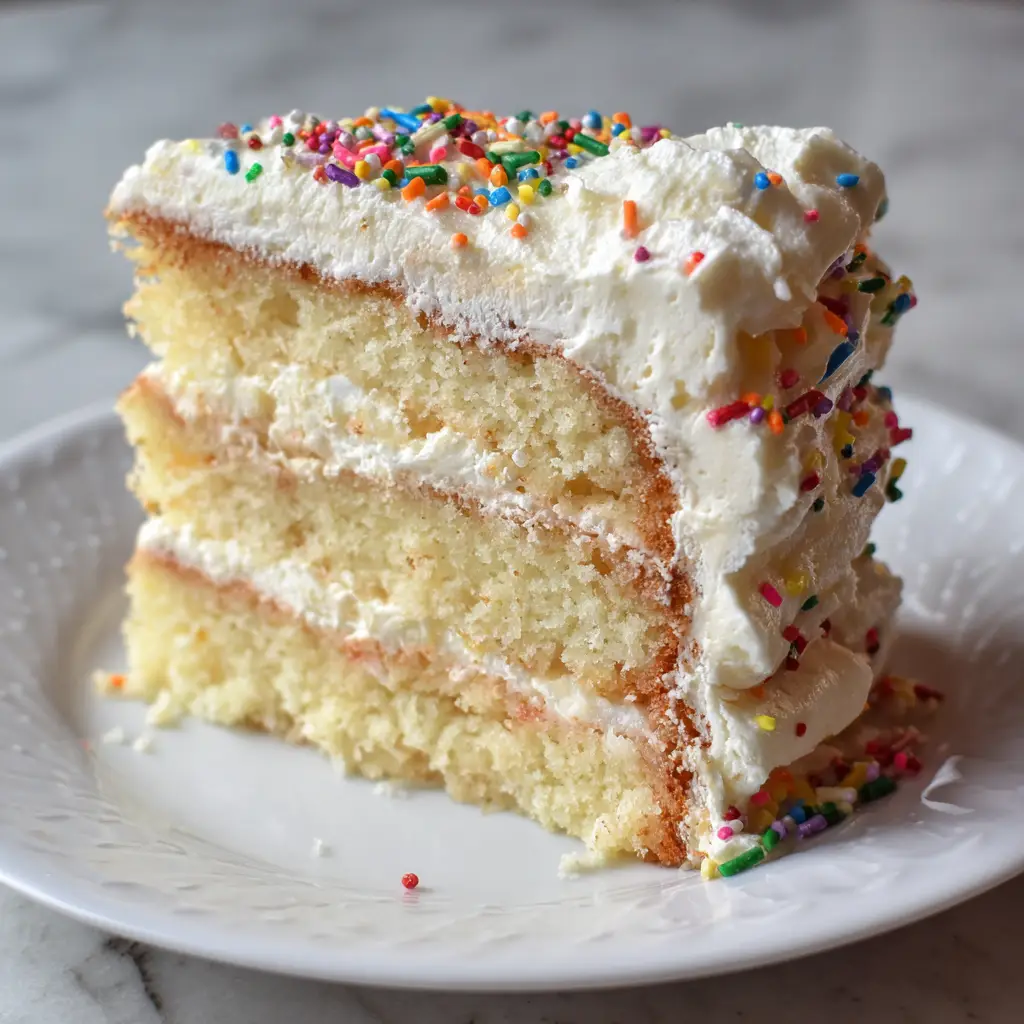
Pour the finished batter into the prepared pan and use a spatula to even out the top. Gently tap the pan on the counter to release any hidden air pockets that might affect texture. Place the pan in the warm oven and bake for about twenty five to thirty minutes. A golden top and a clean toothpick indicate doneness. Remove the cake from the oven and allow it to rest for about ten minutes before transferring it to a wire rack. Cooling prevents the cake from crumbling and helps it settle into a perfect shape.
Tips for Customizing the Recipe
Creative adjustments can turn a simple vanilla cake into a unique dessert tailored to any occasion. A splash of almond extract adds a delicate nutty flavor while a handful of chocolate chips or berries creates bursts of sweetness. A swirl of cinnamon or cocoa powder enhances the aroma and creates a beautiful marbled effect.
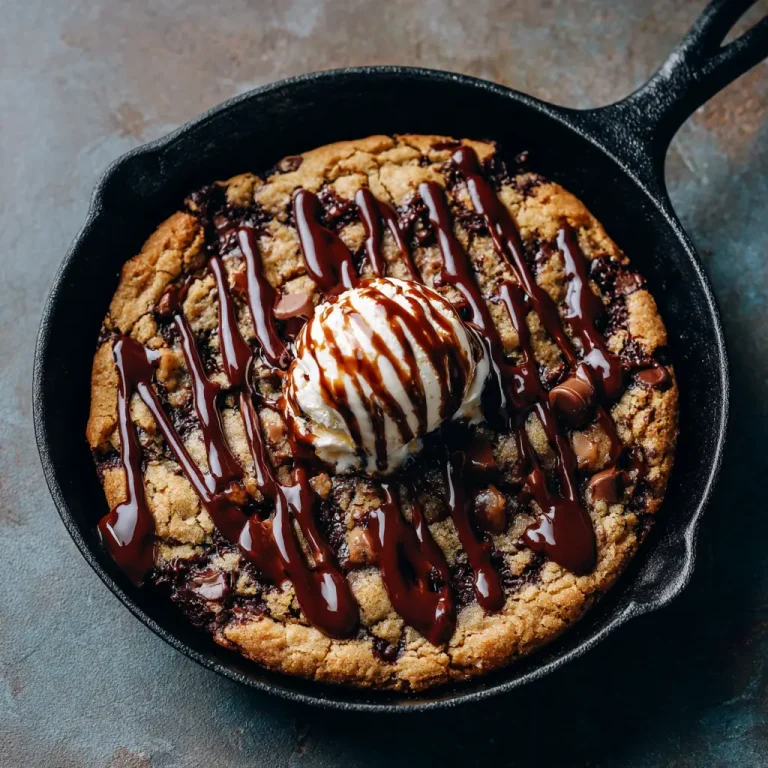
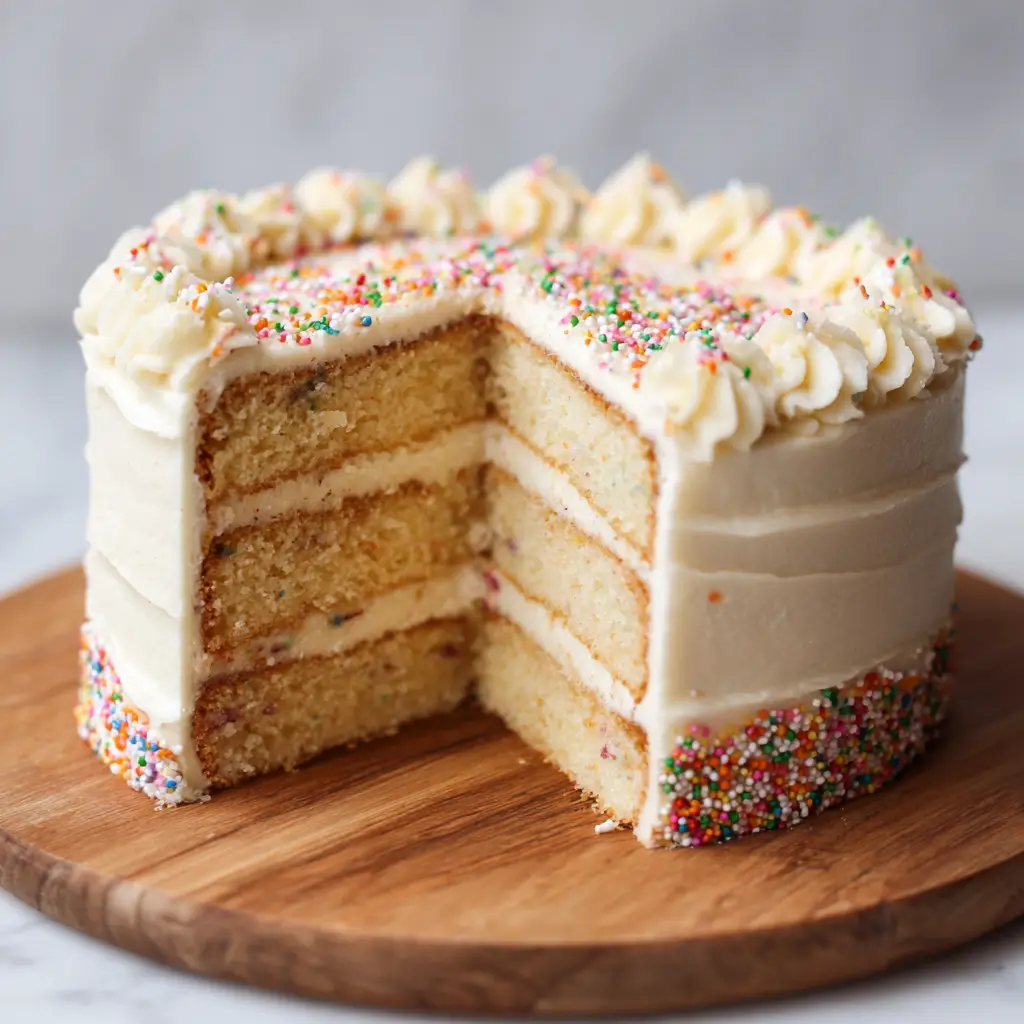
Frosting options also influence the final character of the cake. A silky buttercream brings richness while a whipped cream topping adds a light and airy finish. Fresh fruit, nuts, or edible flowers can give the cake a vibrant and elegant appearance. Bakers who enjoy indulgent flavors often drizzle caramel or melted chocolate over the top.
Cake texture can be softened or enriched by adjusting the amount of milk. A little extra milk produces a more tender crumb while reducing it slightly creates a firmer structure that holds up well under heavy decorations. Experimentation helps discover the ideal balance that suits personal taste.
Nutritional Information
A single slice of homemade vanilla cake typically contains a moderate blend of carbohydrates, fats, and protein. The primary calorie sources come from flour, sugar, and butter. Each slice usually ranges between two hundred fifty and three hundred fifty calories depending on frosting, serving size, and added toppings. The cake provides small amounts of essential nutrients such as calcium, iron, and vitamin A, although it remains a treat best enjoyed in mindful portions.
Serving Suggestions
Vanilla cake pairs beautifully with many accompaniments. Fresh berries brighten each bite while whipped cream adds a cloud like finish. A scoop of vanilla or strawberry ice cream transforms the cake into a delightful dessert for warm evenings. Many hosts choose to serve vanilla cake with tea or coffee because the flavors complement warm beverages perfectly.
Slicing the cake into even portions presents it attractively at gatherings. Extra decorations like powdered sugar or fruit slices create an inviting appearance without requiring heavy frosting. The cake also stores well in an airtight container for several days, making it ideal for make ahead desserts or lunchbox treats.
Vanilla cake recipe easy guide for a soft and flavorful homemade treat
Course: Blog8
servings15
minutes25
minutes300
kcalIngredients
All purpose flour one and one half cups
Granulated sugar one cup
Unsalted butter one half cup softened
Eggs two large
Whole milk three fourths cup
Baking powder one and one half teaspoons
Vanilla extract one tablespoon
Directions
- Preheat the oven to three hundred fifty degrees Fahrenheit and grease a round cake pan with butter and flour.
- Cream the butter and sugar in a large bowl until light and fluffy.
- Add the eggs one at a time and mix gently. Stir in the vanilla extract.
- Combine flour baking powder and salt in another bowl.
Recipe Video
Notes
- Use room temperature ingredients for the best texture. Avoid overmixing the batter since gentle mixing keeps the cake light and tender. You can add berries chocolate chips or a small amount of almond extract if you want extra flavor variations. Enjoy your soft and delicious vanilla cake.
Frequently Asked Questions
What makes a vanilla cake moist
Moisture comes from a balanced combination of butter, milk, and proper mixing. Overmixing removes air and makes the cake dense, so gentle handling keeps the texture soft.
Can I use oil instead of butter
Oil works well if a lighter crumb is preferred. Butter contributes more flavor while oil adds extra moisture. Both produce excellent results depending on taste.
How do I prevent the cake from sinking
Consistent oven temperature and accurate measurements help maintain structure. Opening the oven too early or adding too much leavening can cause sinking.
Can I make the cake without eggs
A mixture of milk and vinegar or yogurt can replace eggs. The result stays tender although the flavor and texture differ slightly.
What frosting pairs best with vanilla cake
Buttercream remains a classic choice while cream cheese frosting adds a gentle tang. Whipped cream offers a lighter option.
Conclusion
A homemade vanilla cake brings comfort and delight to any table because it blends simplicity with genuine flavor. The gentle aroma, soft crumb, and inviting sweetness make it a dessert that suits celebrations or quiet evenings at home. A thoughtful approach in measuring, mixing, and baking ensures a cake that tastes fresh and feels satisfying. Bakers often discover that creating this treat becomes as enjoyable as sharing it. Enjoy the process and savor every bite.