Burger Bowls Recipe: Easy, Healthy, and Delicious Homemade Bowls
Introduction
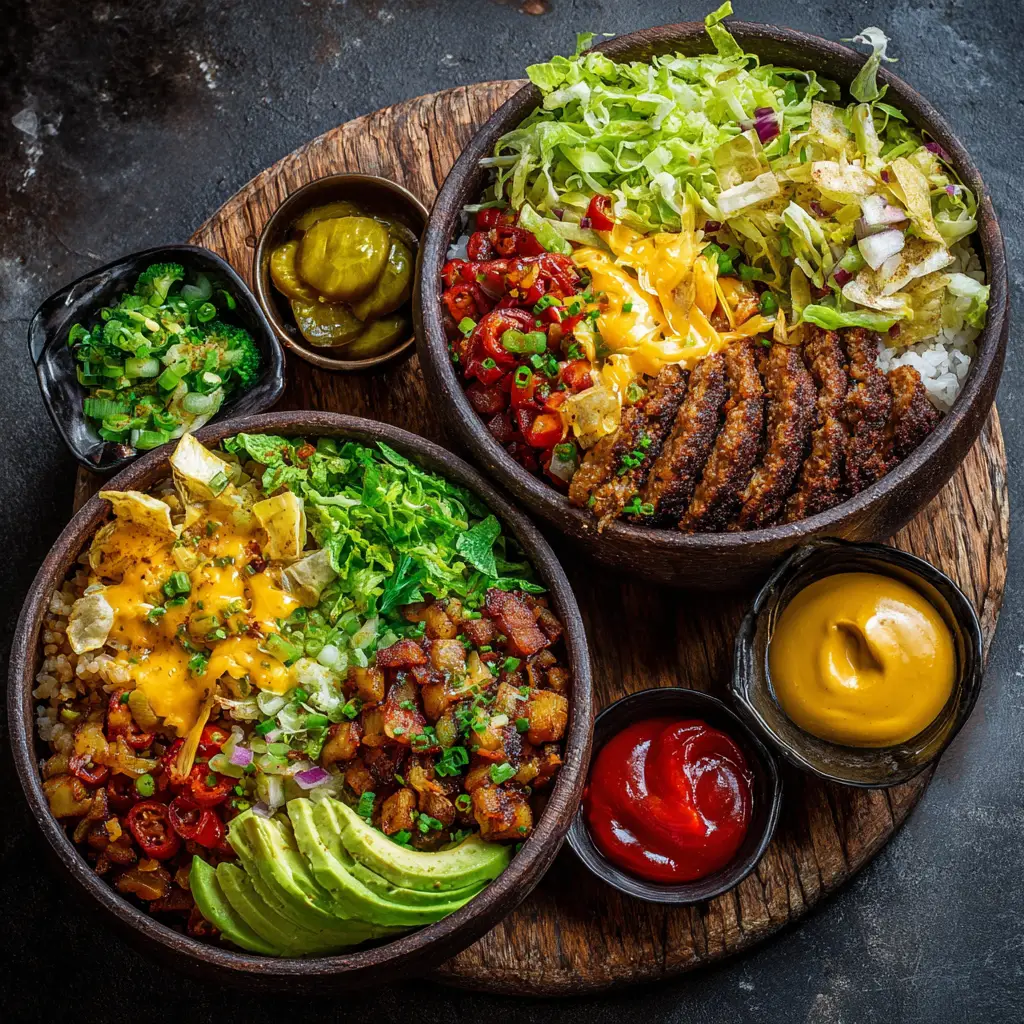
Burger bowls have emerged as one of the most exciting trends in modern home cooking and casual dining.
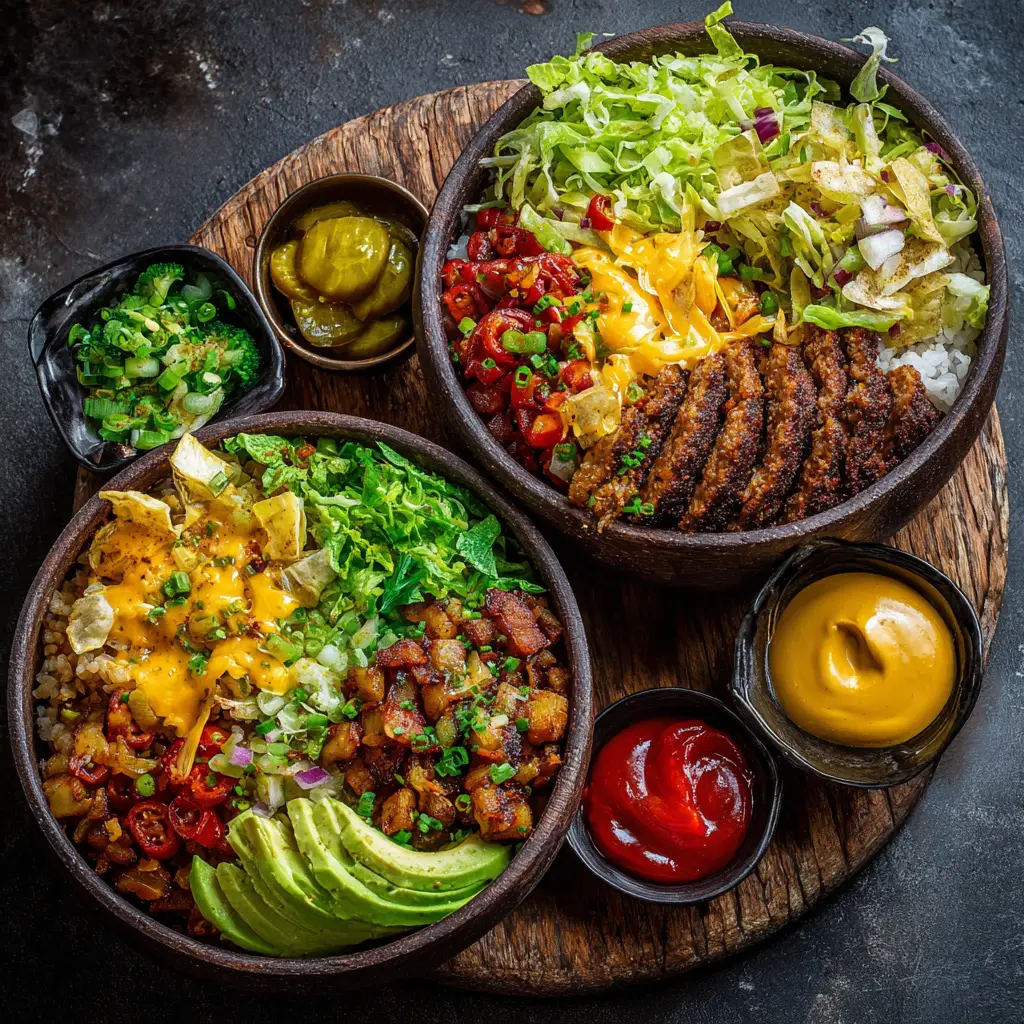
They take everything people love about a classic burger—the juicy patty, savory toppings, fresh vegetables, and creamy sauces—and transform it into a bowl that is both satisfying and convenient. These bowls are perfect for those who want to enjoy the flavors of a burger without the bun or are looking for a lighter, more nutritious option.
Ingredients Needed
The ingredients for burger bowls can be adjusted based on taste, dietary preferences, or what is available in your pantry. Below is a table of commonly used ingredients along with their approximate calorie count per serving.
| Ingredient | Quantity | Calories |
|---|---|---|
| Ground beef (lean) | 1 pound | 960 |
| Lettuce | 2 cups | 15 |
| Cherry tomatoes | 1 cup | 30 |
| Cucumber | 1 cup, sliced | 16 |
| Avocado | 1 medium | 240 |
| Shredded cheese | 1 cup | 400 |
| Pickles | ½ cup | 8 |
| Red onion | ½ cup, sliced | 22 |
| Olive oil | 2 tablespoons | 240 |
| Ketchup | 2 tablespoons | 40 |
| Mustard | 1 tablespoon | 10 |
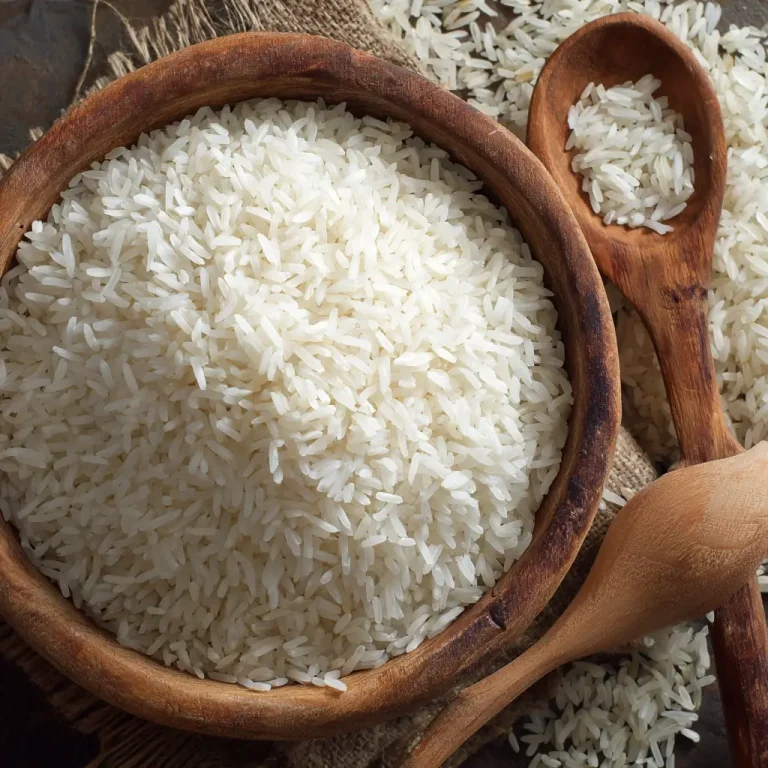
| Whole grains or rice (optional) | 1 cup | 200 |
This selection balances taste and nutrition. Protein from ground beef or alternative options fuels your body, while fresh vegetables provide essential vitamins and fiber. Optional grains create a more filling meal, especially for those with higher energy needs.
Step-by-Step Cooking Instructions
Creating burger bowls is simple when you follow these steps carefully. The process allows for flexibility while ensuring every layer of the bowl delivers maximum flavor.
- Prepare the Protein
Heat a skillet over medium heat and add a small amount of olive oil. Shape the ground beef into patties or crumble it directly into the pan. Cook until browned and fully cooked through, approximately 7 to 10 minutes. Season with salt, pepper, garlic powder, or any preferred seasoning. Remove from heat and let it rest briefly. - Prepare the Vegetables
While the protein cooks, wash and chop the lettuce, slice cherry tomatoes and cucumber, dice avocado, and slice red onion. Place them in separate bowls for easy assembly. - Cook Optional Grains
If including rice or quinoa, cook according to package instructions. Using whole grains adds a satisfying texture and makes the burger bowl more substantial. Drizzle a little olive oil and a pinch of salt once cooked. - Assemble the Burger Bowl
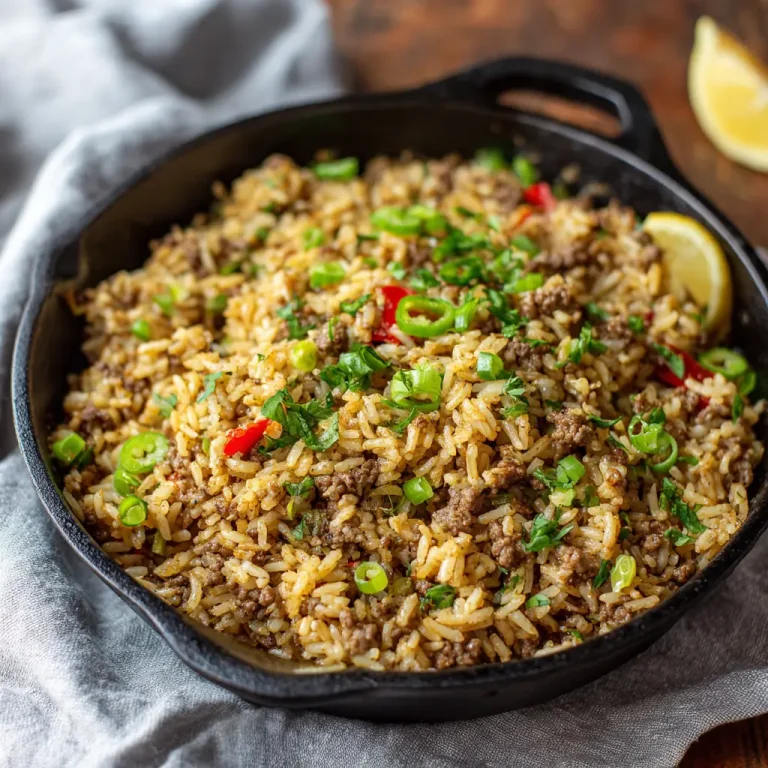
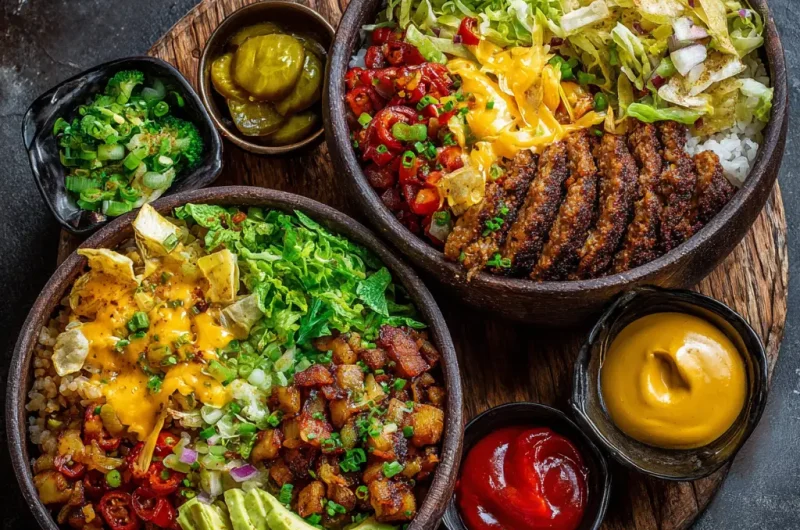
Start with a base of lettuce or grains. Add the cooked protein on top, followed by tomatoes, cucumber, avocado, cheese, pickles, and onion. Drizzle ketchup, mustard, or your favorite sauce over the top. You can layer ingredients or mix them to combine flavors thoroughly. - Final Touches
Sprinkle fresh herbs such as parsley or chives for a burst of color. Add a small squeeze of lemon or lime to elevate freshness. A few crushed tortilla chips or roasted seeds can provide a delightful crunch.
Tips for Customizing the Recipe
Burger bowls are highly adaptable. Flavor, texture, and nutrition can all be tailored to your preferences.
- Protein Options: Substitute ground beef with turkey, chicken, lamb, tofu, or plant-based meat alternatives.
- Cheese Choices: Use cheddar, mozzarella, feta, or vegan cheese depending on dietary restrictions.
- Vegetable Variety: Include roasted peppers, sautéed mushrooms, corn, or even grilled zucchini for unique flavors.
- Sauces and Dressings: Try barbecue sauce, ranch, chipotle mayo, or vinaigrette. Homemade sauces allow control over sugar and sodium content.
- Grain Alternatives: Quinoa, farro, or cauliflower rice can replace standard rice for a low-carb or gluten-free option.
- Extra Crunch: Adding toasted nuts, seeds, or crispy onions creates a contrast in texture that elevates the eating experience.
These adjustments make burger bowls suitable for a wide range of diets, from low-carb to high-protein, while keeping the dish flavorful and visually appealing.
Nutritional Information
The nutritional content of burger bowls depends on the ingredients used. A standard burger bowl made with lean ground beef, vegetables, cheese, and optional grains provides:
Substituting lean proteins, reducing cheese, or skipping grains can lower calories while keeping the meal rich in protein and fiber. Incorporating diverse vegetables ensures micronutrient variety, making burger bowls a balanced and nutritious choice for lunch, dinner, or meal prep.
Serving Suggestions
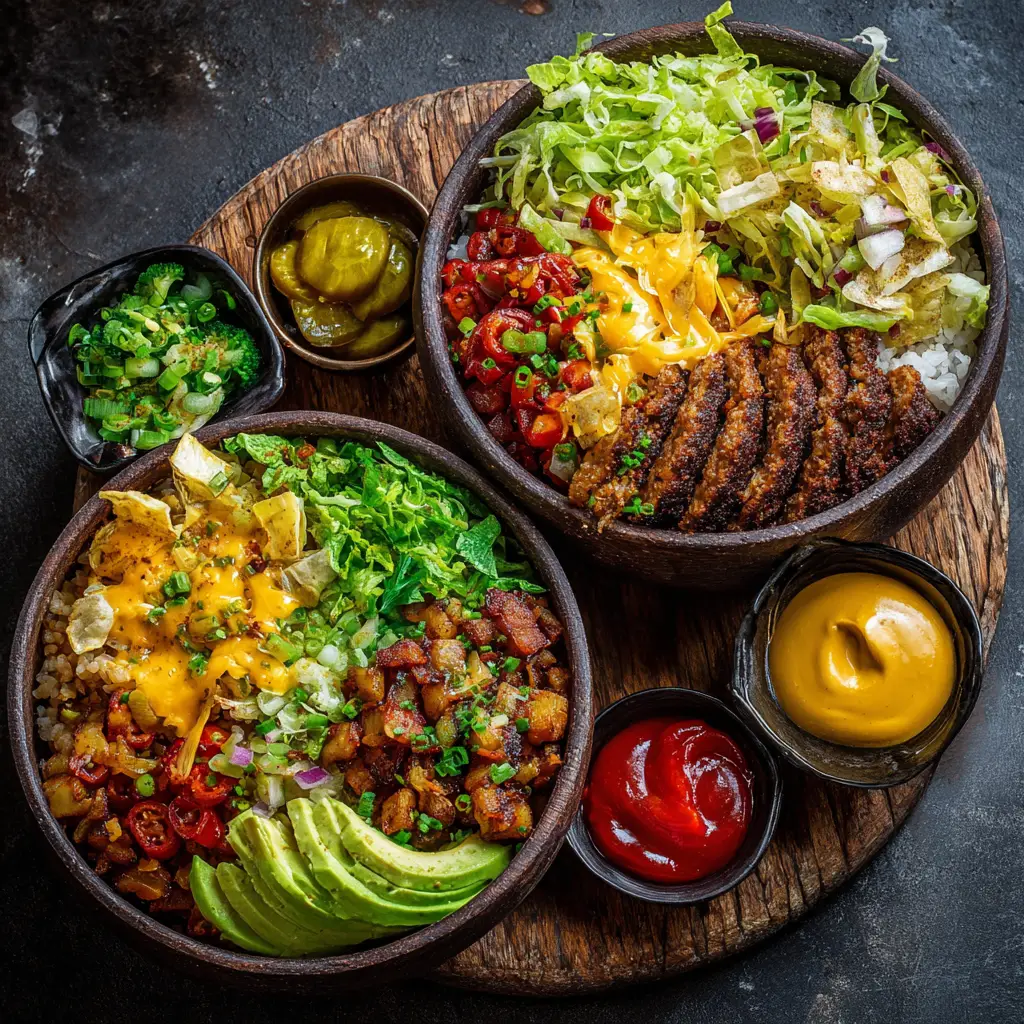
Burger bowls are visually stunning and versatile in presentation. Here are some serving ideas:
- Family Style: Serve in large bowls with all toppings on the side, allowing each family member to customize their own bowl.
- Meal Prep: Prepare several bowls in advance with separate containers for sauces and avocado to maintain freshness.
- Party Platter: Arrange small, colorful burger bowls on a tray for a crowd-pleasing appetizer or main dish.
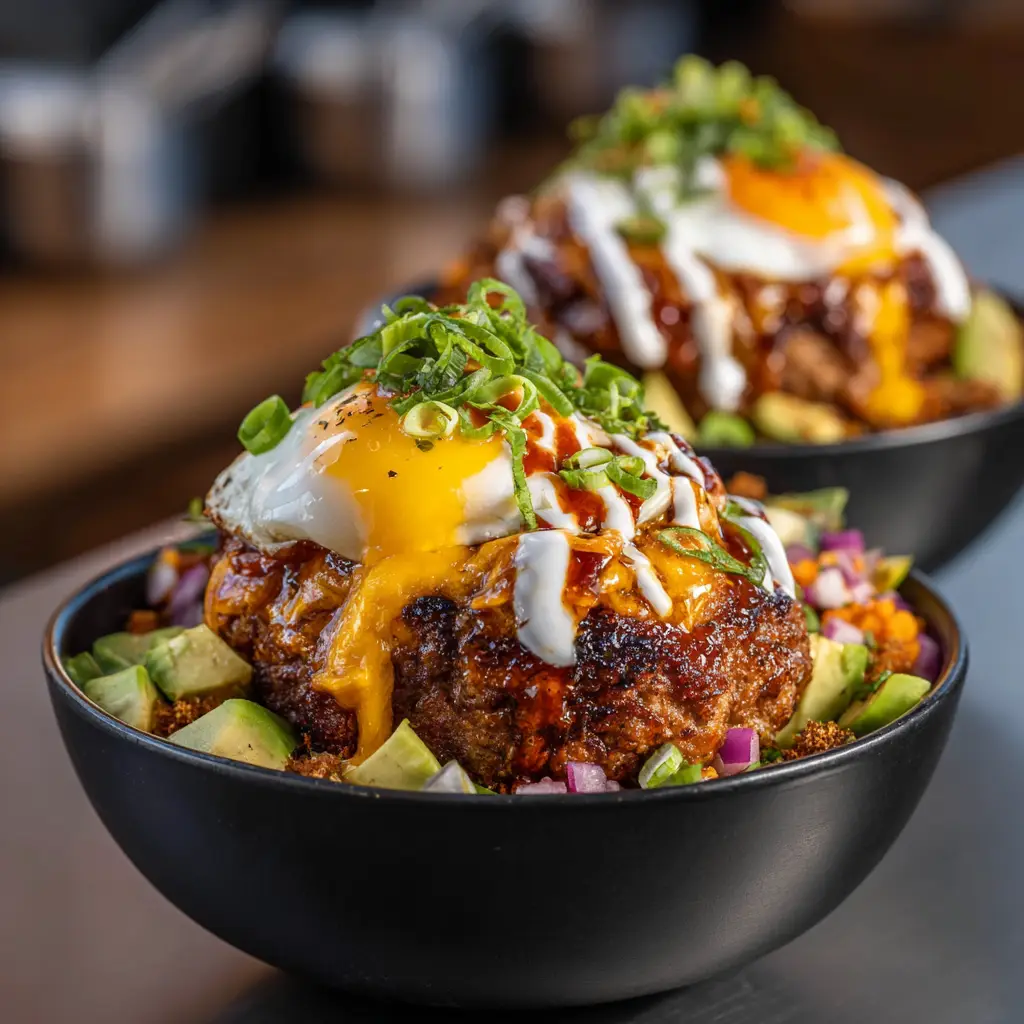
- Gourmet Twist: Add a fried egg, caramelized onions, or specialty cheeses to create a restaurant-style experience at home.
- Side Pairings: Pair with baked sweet potato fries, roasted vegetables, or a light soup for a complete meal.
The presentation can be playful, vibrant, and appetizing, making burger bowls as enjoyable to look at as they are to eat.
Burger Bowls Recipe: Easy, Healthy, and Delicious Homemade Bowls
Course: Blog4
servings15
minutes15
minutes450–500
kcalIngredients
IngredienttQuantity
Ground beef (lean)t1 pound
Lettucet2 cups, chopped
Cherry tomatoest1 cup, halved
Cucumbert1 cup, sliced
Directions
- ook the Protein: Heat olive oil in a skillet over medium heat. Cook ground beef until browned and fully cooked, about 7–10 minutes. Season with salt, pepper, and optional spices.
- Prepare Vegetables: Chop lettuce, halve cherry tomatoes, slice cucumber, dice avocado, and slice red onion.
- Cook Optional Grains: Prepare rice or quinoa according to package instructions if using.
- Assemble the Bowls: Place lettuce or grains as the base. Add cooked beef on top. Layer with tomatoes, cucumber, avocado, cheese, pickles, and onion.
Recipe Video
Notes
- Protein Variations: Swap ground beef with turkey, chicken, tofu, or plant-based meat for different dietary needs.
Cheese Options: Use cheddar, feta, mozzarella, or vegan cheese alternatives.
Storage Tips: Keep vegetables and sauces separate from protein and grains for up to 3–4 days in the fridge.
Frequently Asked Questions
Are burger bowls healthy?
Yes, they are a healthier alternative to traditional burgers, especially if you focus on lean proteins and fresh vegetables.
Can I make burger bowls vegetarian or vegan?
Absolutely. Use plant-based proteins like lentils, tofu, tempeh, or Beyond Meat and replace cheese with vegan alternatives.
How long can burger bowls be stored?
If ingredients are stored separately, they can last 3 to 4 days in the refrigerator. Mix just before eating for best freshness.
Can burger bowls be frozen?
Cooked protein and grains can be frozen, but fresh vegetables and sauces are best added after thawing to maintain texture.
What sauces work best?
Classic ketchup and mustard work well, but creamy dressings, spicy mayo, or vinaigrettes offer flavor variety.
Conclusion
Burger bowls bring the familiar comfort of a traditional burger into a fresh, versatile, and highly customizable meal format. They provide a balance of protein, vegetables, and grains while allowing for creative expression in every bowl.