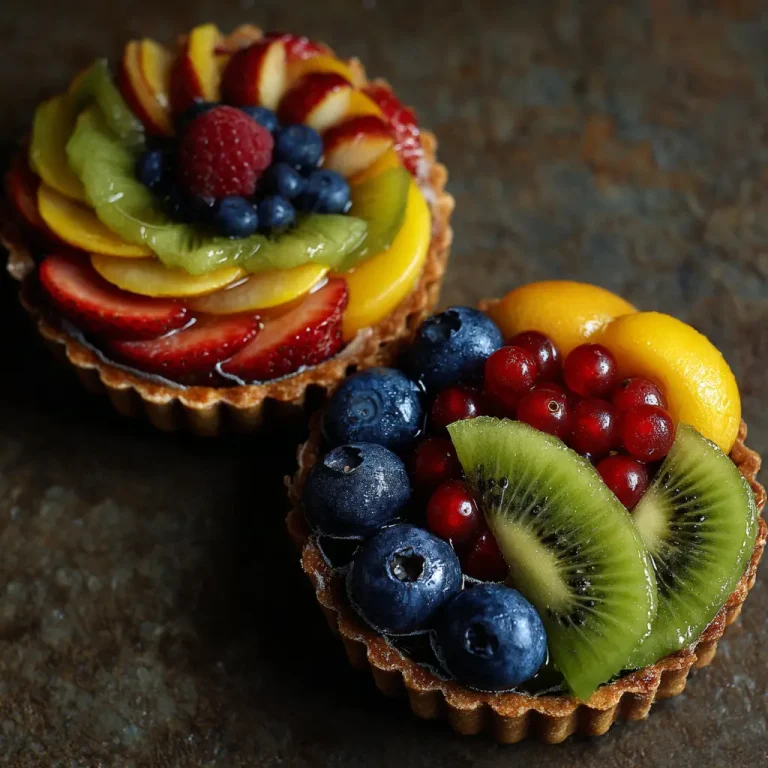
Mousse Cake Recipe: Easy Steps to Make Creamy and Delicious Mousse Cake
Introduction
Mousse cake is a dessert that effortlessly combines elegance with indulgence. Its creamy, airy texture melts in the mouth while offering a luxurious flavor experience that can satisfy any sweet craving. Originating from French culinary traditions, mousse cake has gained worldwide popularity for its versatility and the way it balances lightness with rich taste.
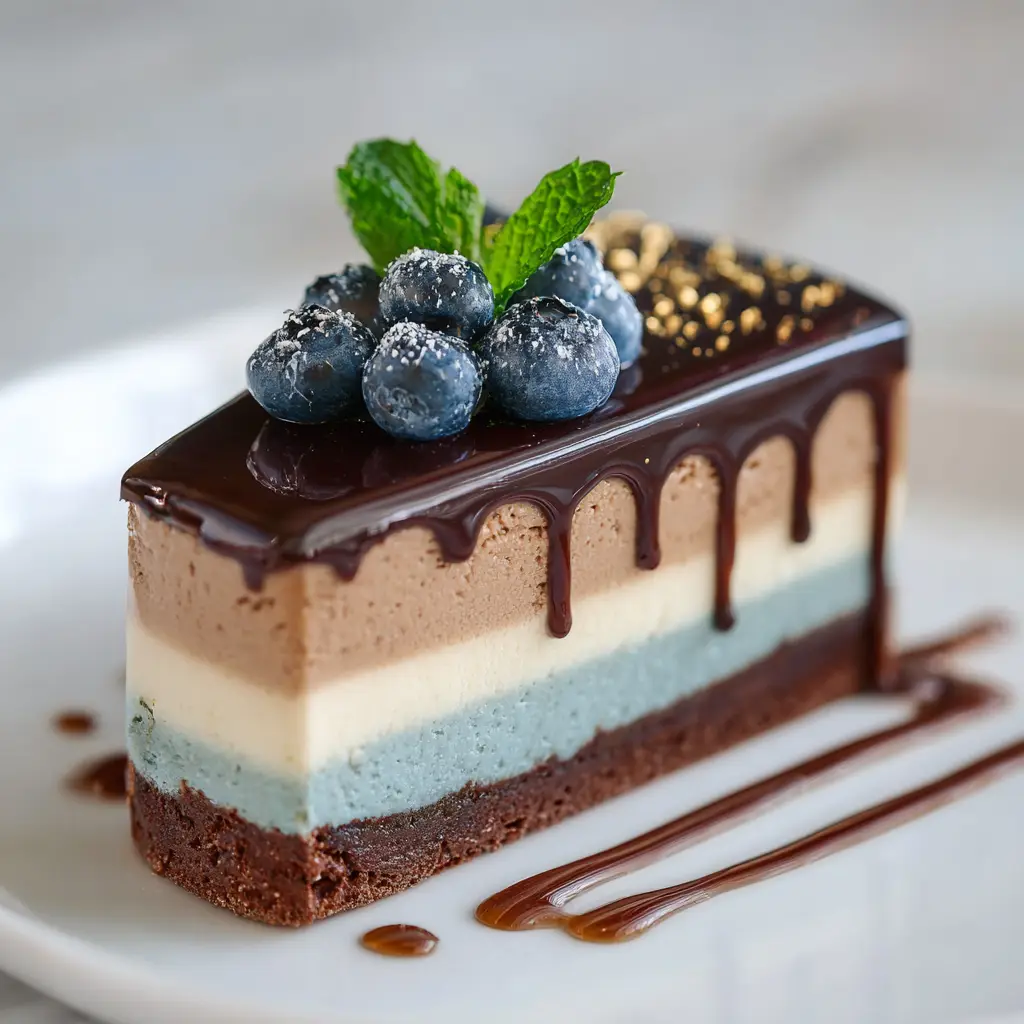
Unlike traditional dense cakes, mousse cake layers often include sponge bases, fruit purees, chocolate ganache, or flavored mousses that create a symphony of textures in every bite.
Ingredients Needed
The ingredients for a mousse cake are straightforward but crucial for achieving the ideal texture and flavor. The table below lists the key ingredients along with approximate calorie counts per standard quantity, which can help with meal planning or nutritional considerations.
| Ingredient | Quantity | Calories (Approximate) |
|---|---|---|
| Heavy cream | 2 cups | 1600 |
| Sugar | 3/4 cup | 600 |
| Gelatin | 2 teaspoons | 10 |
| Eggs (separated) | 3 large | 210 |
| Dark chocolate | 200 grams | 1070 |
| Vanilla extract | 1 teaspoon | 12 |
| Sponge cake base | 1 layer (8 inch) | 250 |
| Fruit puree (optional) | 1/2 cup | 50 |
| Butter | 2 tablespoons | 200 |
These ingredients form the foundation of a basic chocolate mousse cake, but variations are endless. Ingredients such as coffee, matcha, or liqueurs can be incorporated to create unique flavors. Fresh fruits, nuts, or edible flowers can enhance both taste and visual appeal, making the dessert as pleasing to the eyes as it is to the palate.
Step by Step Cooking Instructions
Creating a mousse cake requires a sequence of careful steps to ensure the mousse sets correctly and flavors develop fully.
- Prepare the Sponge Base
Begin by baking a light sponge cake layer if not using a pre-made base. Preheat the oven to 350 degrees Fahrenheit. Whisk eggs and sugar until the mixture becomes pale and fluffy. Gently fold in sifted flour, taking care not to deflate the batter. Pour the mixture into a greased cake pan and bake for approximately 20 to 25 minutes or until a toothpick inserted into the center comes out clean. Allow the sponge to cool completely before assembling the cake.Another classic you shouldn’t miss is Mini Cupcakes_ which complements this dish well. - Bloom the Gelatin
Pour cold water into a small bowl and sprinkle gelatin on top. Let it sit for five to ten minutes until fully absorbed and gelatin becomes spongy. Heat the bloomed gelatin gently until fully dissolved, making sure not to boil it. - Melt the Chocolate
Chop dark chocolate into small pieces for even melting. Use a double boiler or microwave in short bursts, stirring frequently, until smooth. Allow the melted chocolate to cool slightly before folding into the cream mixture. - Whip the Cream
In a cold bowl, whip heavy cream to soft peaks. The cream should hold its shape but remain pliable enough to fold into the chocolate mixture without deflating. - Combine Ingredients
Whisk egg yolks with sugar until creamy. Gradually add melted chocolate and gelatin, blending until smooth. Gently fold in whipped cream in three additions to maintain the airy texture. If using a fruit puree or flavored liqueur, fold it in at this stage for an evenly distributed flavor. - Assemble the Cake
Place the cooled sponge cake in a springform pan. Pour mousse over the base, smoothing the surface with a spatula. Cover and refrigerate for at least four hours or overnight to allow proper setting. - Decorate
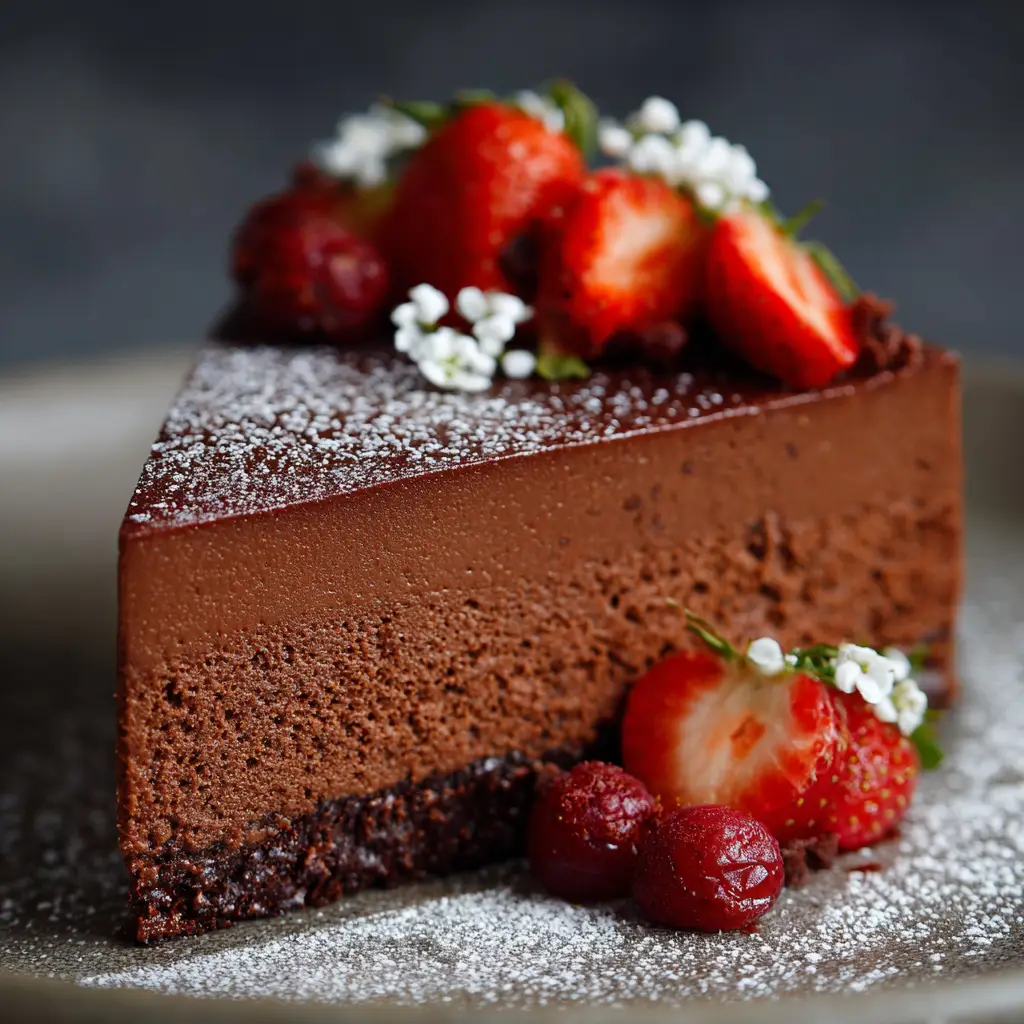
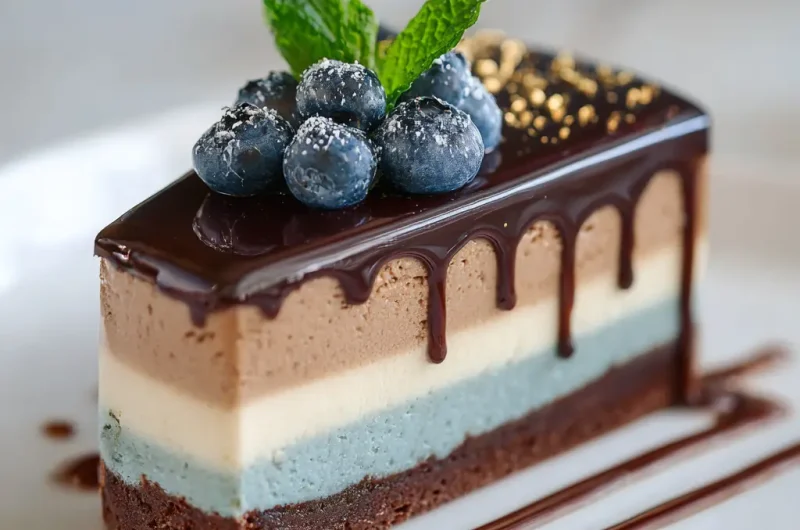
Once chilled, remove the cake from the pan carefully. Top with chocolate shavings, fresh berries, or edible flowers for a polished presentation. Slice with a warm knife for clean edges.
Tips for Customizing the Recipe
Mousse cake is versatile and allows a wide range of creative adjustments. Here are some ideas to personalize your creation:
- Flavor Variations: Introduce fruit purées, coffee extracts, or citrus zest to the mousse for unique taste profiles.
- Layering: Add multiple mousse layers, alternating flavors or colors to create visually striking patterns.
- Chocolate Options: Use milk, white, or ruby chocolate to alter flavor intensity and appearance.
- Texture Additions: Incorporate crunchy elements like biscuit crumbs, nuts, or caramel shards for contrast.
- Dietary Adjustments: Substitute heavy cream with coconut cream or use sugar alternatives for lighter versions.
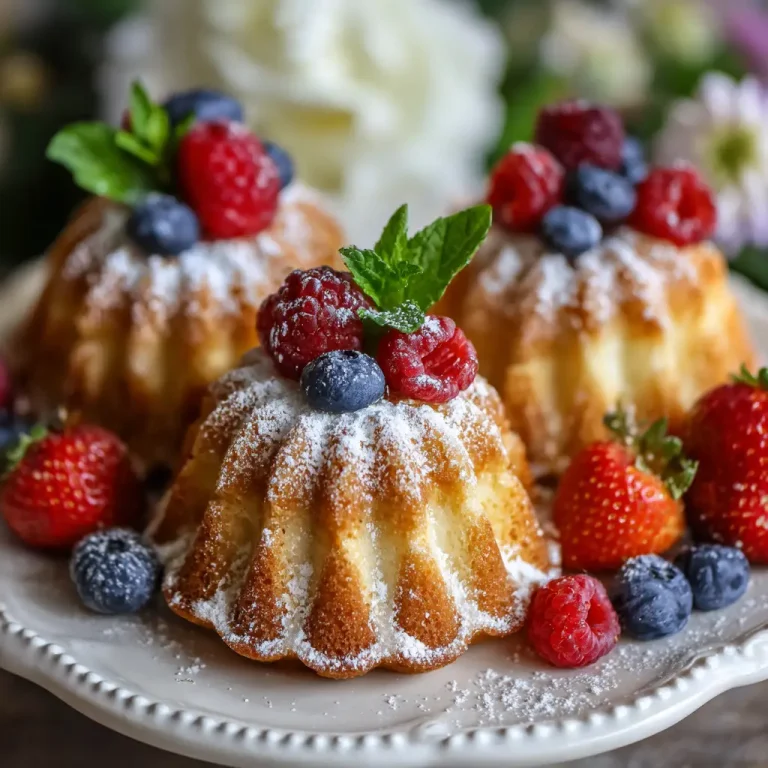
- Presentation Styles: Individual servings in glasses or jars allow portion control and elegant presentation.
Experimenting with different combinations encourages creativity and ensures each mousse cake reflects personal preferences and the occasion it is intended for.
Nutritional Information
A standard serving of chocolate mousse cake (approximately one slice from an eight-inch cake) typically contains the following nutritional values:
Adding fruit purées can slightly increase fiber content and introduce additional vitamins. Choosing dark chocolate over milk chocolate enhances antioxidant levels, while using low-fat dairy or sugar substitutes can reduce calorie and sugar content.
Serving Suggestions
Mousse cake can be served in a variety of ways depending on the occasion and season:
- Pair with fresh berries or a berry coulis to balance richness with acidity.
- Dust lightly with cocoa powder or powdered sugar for a simple yet elegant look.
- Serve alongside a scoop of vanilla or coffee ice cream for contrast in temperature and texture.
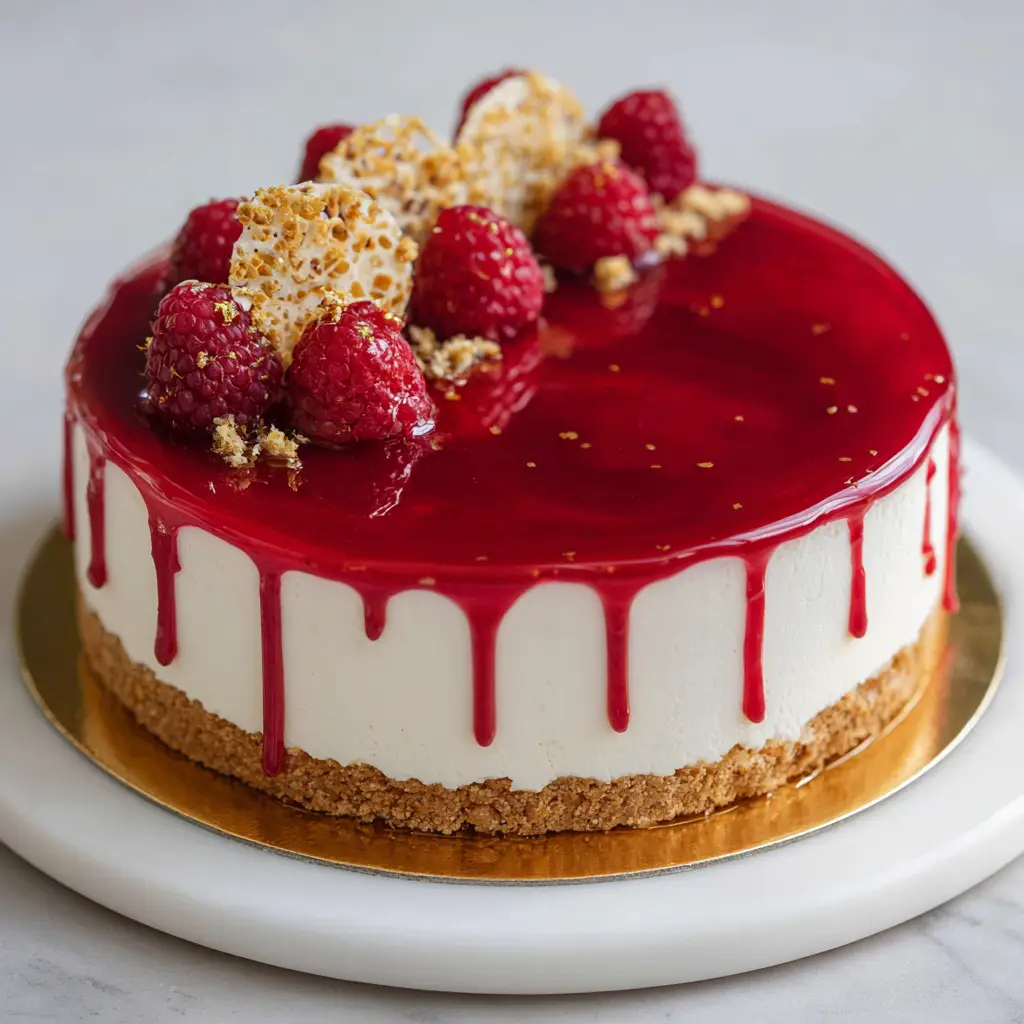
- Decorate with edible flowers or gold leaf to impress guests during celebrations.
- Complement with a cup of strong coffee or dessert wine for a refined dining experience.
Mousse cake is equally suitable for casual gatherings or formal events. Its light texture and sophisticated appearance make it a centerpiece dessert that draws attention and invites indulgence.
Mousse Cake Recipe: Easy Steps to Make Creamy and Delicious Mousse Cake
Course: Blog8
servings30
minutes25
minutes420
kcalIngredients
2 cups heavy cream
3/4 cup sugar
2 teaspoons gelatin
3 large eggs (separated)
200 grams dark chocolate
1 teaspoon vanilla extract
1 layer of sponge cake (8-inch)
Directions
- Prepare the Sponge Base: Preheat oven to 350°F (175°C). Whisk eggs and sugar until pale and fluffy. Fold in sifted flour gently. Pour into greased 8-inch pan and bake 20–25 minutes. Cool completely.
- Bloom the Gelatin: Sprinkle gelatin over cold water and let sit 5–10 minutes. Heat gently until dissolved.
- Melt Chocolate: Chop chocolate and melt using a double boiler or microwave in short bursts. Cool slightly.
- Whip the Cream: Beat heavy cream to soft peaks in a cold bowl.
Recipe Video
Notes
- For firmer mousse, use slightly more gelatin.
Ensure chocolate is cooled slightly before folding into cream to avoid curdling.
Individual servings in jars or glasses can make an elegant presentation.
Frequently Asked Questions
How long can mousse cake be stored?
Mousse cake should be refrigerated and consumed within three to four days for optimal freshness and texture.
Can I make mousse cake without gelatin?
Yes, you can use agar-agar or whipped cream stabilization techniques, though the texture may be slightly less firm.
Is it possible to make individual mousse cakes?
Absolutely. Mini mousse cakes or servings in jars provide excellent portion control and elegant presentation.
Can I freeze mousse cake?
Mousse cake can be frozen, but it is recommended to freeze before decorating. Allow the cake to thaw in the refrigerator for several hours before serving.
What type of chocolate works best?
High-quality dark chocolate provides a rich flavor, but milk or white chocolate can be used depending on personal preference.
Conclusion
Mousse cake is a dessert that embodies both sophistication and accessibility. Its airy texture, rich flavor, and elegant presentation make it a favorite among home bakers and professional chefs alike. Crafting a mousse cake requires attention to detail, patience, and creativity, but the rewards are immense.