Milk Chocolate: A Delightful Treat for Every Occasion
Milk chocolate has captivated taste buds around the world for generations. Its creamy texture and rich flavor make it a favorite for children and adults alike. Unlike dark chocolate, milk chocolate contains a delicate balance of cocoa, milk, and sugar, giving it a softer taste that melts smoothly in the mouth. Whether enjoyed as a simple snack, used in baking, or incorporated into gourmet desserts, milk chocolate holds a special place in culinary traditions. The art of making milk chocolate at home allows enthusiasts to control sweetness, creaminess, and texture, ensuring every bite is a perfect experience. Exploring the nuances of milk chocolate reveals not only the pleasure it brings but also the fascinating process behind crafting this beloved treat.
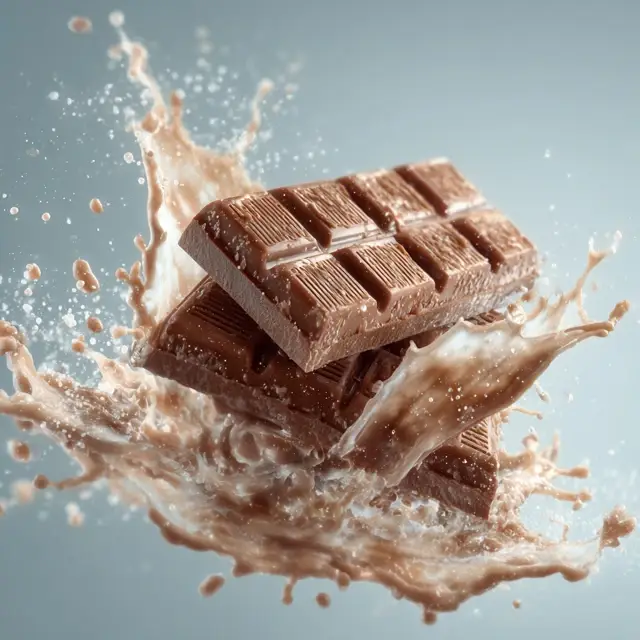
Homemade milk chocolate allows for a creative approach. Adjusting ingredients, experimenting with flavors, and even creating custom shapes can transform a simple dessert into an extraordinary culinary masterpiece. While store-bought chocolate has its convenience, making it from scratch provides a sense of accomplishment and a deeper connection to the craft. Understanding the ingredients, techniques, and proper methods ensures the chocolate achieves the ideal texture and flavor, making each bite a luxurious experience. For beginners and seasoned cooks alike, mastering milk chocolate opens doors to endless possibilities in desserts, snacks, and even beverages.
Ingredients Needed
Creating milk chocolate requires careful selection of ingredients to ensure the best flavor and smoothness. Fresh ingredients and quality cocoa products elevate the chocolate and enhance its creamy characteristics. Below is a table showing the essential ingredients and their calorie counts for reference:
| Ingredient | Quantity | Calories per Serving |
|---|---|---|
| Cocoa powder | 100 grams | 228 kcal |
| Whole milk powder | 60 grams | 311 kcal |
| Granulated sugar | 100 grams | 387 kcal |
| Cocoa butter | 80 grams | 717 kcal |
| Vanilla extract | 1 teaspoon | 12 kcal |
| Salt | A pinch | 0 kcal |
Each ingredient plays a specific role in creating smooth, flavorful chocolate. Cocoa powder provides the rich chocolate taste, while cocoa butter adds creaminess and a melt-in-the-mouth texture. Whole milk powder ensures the chocolate is soft and silky, and sugar balances the bitterness of cocoa. Vanilla enhances the overall flavor, making the chocolate more aromatic. Even a small pinch of salt brings out the sweetness and depth of the chocolate. Using precise measurements guarantees consistency and ensures the final product has the luxurious texture and taste expected from milk chocolate.
Step-by-Step Cooking Instructions
Making milk chocolate at home is simpler than many imagine. With patience and attention to detail, anyone can achieve professional-quality results. Follow these steps carefully for the best outcome:
- Begin by melting the cocoa butter in a heatproof bowl. Use a double boiler or a pot with simmering water underneath to prevent direct heat from scorching the chocolate. Stir occasionally until fully melted and smooth.
- In a separate bowl, combine cocoa powder, whole milk powder, and sugar. Mix thoroughly to ensure even distribution of all dry ingredients. This step ensures the chocolate will have a uniform flavor without clumps.
- Slowly add the dry mixture to the melted cocoa butter. Stir continuously to create a smooth paste. Maintain low heat to avoid burning the mixture.
- Add vanilla extract and a pinch of salt to the chocolate. Continue stirring until fully incorporated. The chocolate should appear glossy and thick, indicating proper blending.
- Remove the mixture from heat and pour it into molds of your choice. Tap the molds gently to remove air bubbles and ensure a smooth surface.
- Allow the chocolate to cool at room temperature for about two hours. For faster results, refrigerate for thirty to forty-five minutes, but avoid freezing, as it can affect the texture.
- Once fully set, remove the chocolate from the molds. Store in an airtight container in a cool, dry place away from direct sunlight. Proper storage ensures the chocolate maintains its smooth texture and flavor.
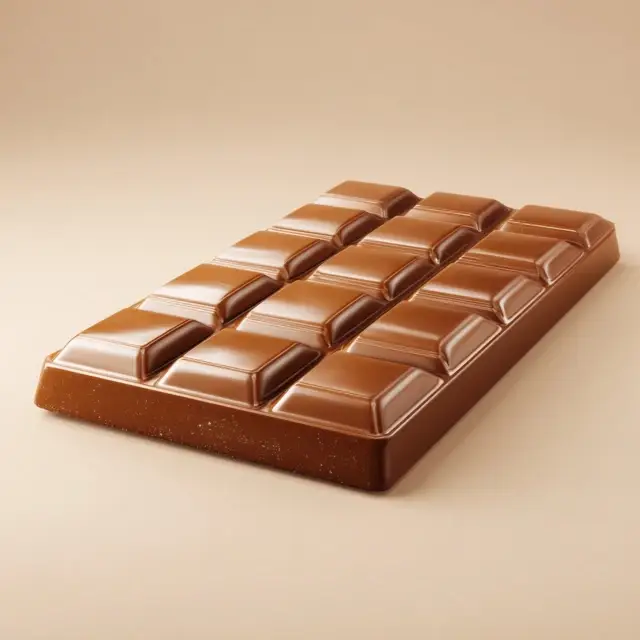
Following these steps carefully guarantees a creamy, flavorful milk chocolate that rivals store-bought versions. Precision in temperature and timing is key. Overheating can make chocolate grainy, while under-mixing prevents proper integration of ingredients. Patience ensures a perfect consistency and taste.
Tips for Customizing the Recipe
Customizing milk chocolate allows for personal creativity and unique flavors. Adding different ingredients or adjusting proportions can create a chocolate tailored to your preferences:
Experimenting with these variations not only personalizes your chocolate but also makes it a fun and creative activity. Combining flavors thoughtfully ensures balance and harmony in the final product.
Nutritional Information
Milk chocolate contains essential nutrients and energy, making it a popular treat for a quick pick-me-up. The primary nutritional components include carbohydrates, fats, proteins, and minerals from cocoa and milk. A standard serving of 30 grams provides approximately 160 to 180 calories, depending on the exact recipe. Cocoa butter contributes healthy fats, while milk powder provides calcium and protein. Sugar adds energy but should be consumed in moderation. Understanding nutritional content allows for informed decisions, especially for those monitoring calorie intake or dietary preferences. Milk chocolate also contains antioxidants from cocoa, which support overall well-being. While indulgent, enjoying milk chocolate in moderation can be part of a balanced diet.
Serving Suggestions
Milk chocolate can be enjoyed in numerous ways. Eating it plain allows the flavor and texture to shine. Pairing milk chocolate with fresh fruits like strawberries, bananas, or raspberries enhances its sweetness while providing a refreshing contrast. Grating milk chocolate over desserts such as cakes, ice cream, or custards adds an elegant touch and rich flavor. Chocolate chips can be incorporated into cookies, muffins, and pastries to create delightful treats. For a cozy experience, melt milk chocolate into warm milk to create a creamy hot chocolate. Serving chocolate in small portions emphasizes quality and allows you to savor each bite fully. Presentation matters, and using elegant plates or bowls can make even simple chocolate feel luxurious.
Milk Chocolate: A Delightful Treat for Every Occasion
Course: Healthy Sweet Treats6 (makes about 1 cup of chocolate pieces)
servings10
minutes15
minutes150
kcalIngredients
1 cup cocoa butter
1/2 cup milk powder
1/2 cup powdered sugar (adjust to taste)
1/4 cup cocoa powder
1 teaspoon vanilla extract
A pinch of salt
Directions
- Chop cocoa butter into small pieces and melt it gently in a double boiler over low heat, stirring frequently.
- Once melted, remove from heat and gradually add milk powder, powdered sugar, and cocoa powder. Stir continuously to make a smooth mixture.
- Add vanilla extract and a pinch of salt, mixing well until fully combined.
- Pour the mixture into silicone molds or a lined baking tray. Smooth the surface using a spatula.
- Let the chocolate cool at room temperature for about 10 minutes, then refrigerate for 1-2 hours until completely set.
- Once firm, remove the chocolate from molds or cut into pieces if using a tray.
- Store in an airtight container at room temperature or in the refrigerator for longer shelf life.
Recipe Video
Frequently Asked Questions
How long can homemade milk chocolate be stored?
Properly stored milk chocolate can last up to two months in a cool, dry environment. Avoid exposure to sunlight and heat to maintain texture and flavor.
Can I use low-fat milk powder instead of whole milk powder?
Yes, but the chocolate may be less creamy and slightly firmer. Whole milk powder produces the best melt-in-the-mouth texture.
Is it possible to make milk chocolate without cocoa butter?
Cocoa butter is essential for smoothness and proper melting. Substituting with oil can change the texture and make the chocolate grainy.
Can I add flavors like mint or coffee to milk chocolate?
Absolutely. Adding a few drops of natural extracts or powders enhances flavor while keeping the chocolate smooth.
How can I prevent milk chocolate from seizing during preparation?
Maintain low, even heat and avoid contact with water. Stir continuously when mixing dry ingredients with melted cocoa butter.
Conclusion
Milk chocolate is more than a simple sweet treat. It embodies creativity, tradition, and indulgence. Making it at home allows for personal expression through flavor combinations and textures, resulting in a product that is both satisfying and unique. Understanding the ingredients and proper techniques ensures a smooth, creamy chocolate that melts in the mouth with every bite. Sharing homemade milk chocolate with family and friends adds warmth to special moments, making desserts more memorable and celebrations more delightful. Its versatility allows it to enhance baked goods, beverages, and simple snacks. By following detailed instructions, customizing flavors, and appreciating the process, anyone can enjoy the luxurious pleasure of rich milk chocolate. Every bite tells a story of care, creativity, and a love for sweet indulgence.