Frozen Seafood: Easy Recipes, Health Benefits, and Cooking Tips for Every Home
Introduction
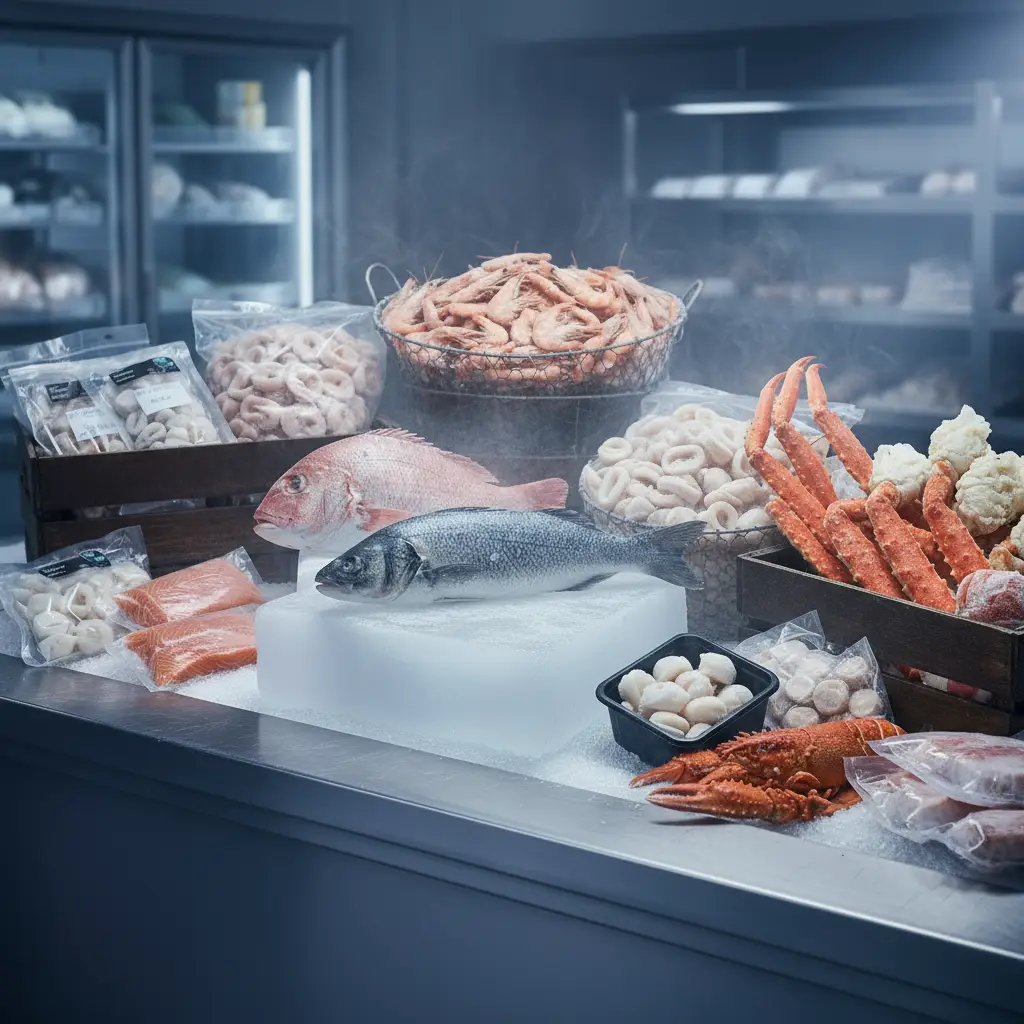
Frozen seafood has become an essential staple in kitchens around the world. Whether you live near the coast or miles inland, access to fresh seafood can often be limited by season, location, and price. Frozen seafood bridges that gap, providing a convenient, accessible, and nutritious alternative. The freezing process preserves the quality, texture, and flavor of fish and shellfish at their peak freshness, locking in essential nutrients until they are ready to be enjoyed. Many people mistakenly assume frozen means inferior, but advancements in freezing technology have revolutionized how seafood is stored and delivered, ensuring it remains as delightful as freshly caught varieties. From shrimp to salmon, scallops to cod, frozen seafood offers versatility for all kinds of recipes, making it easier than ever to include seafood in your diet. This article will guide you through the essentials of cooking with frozen seafood, share valuable tips, and highlight its nutritional benefits.
Ingredients Needed
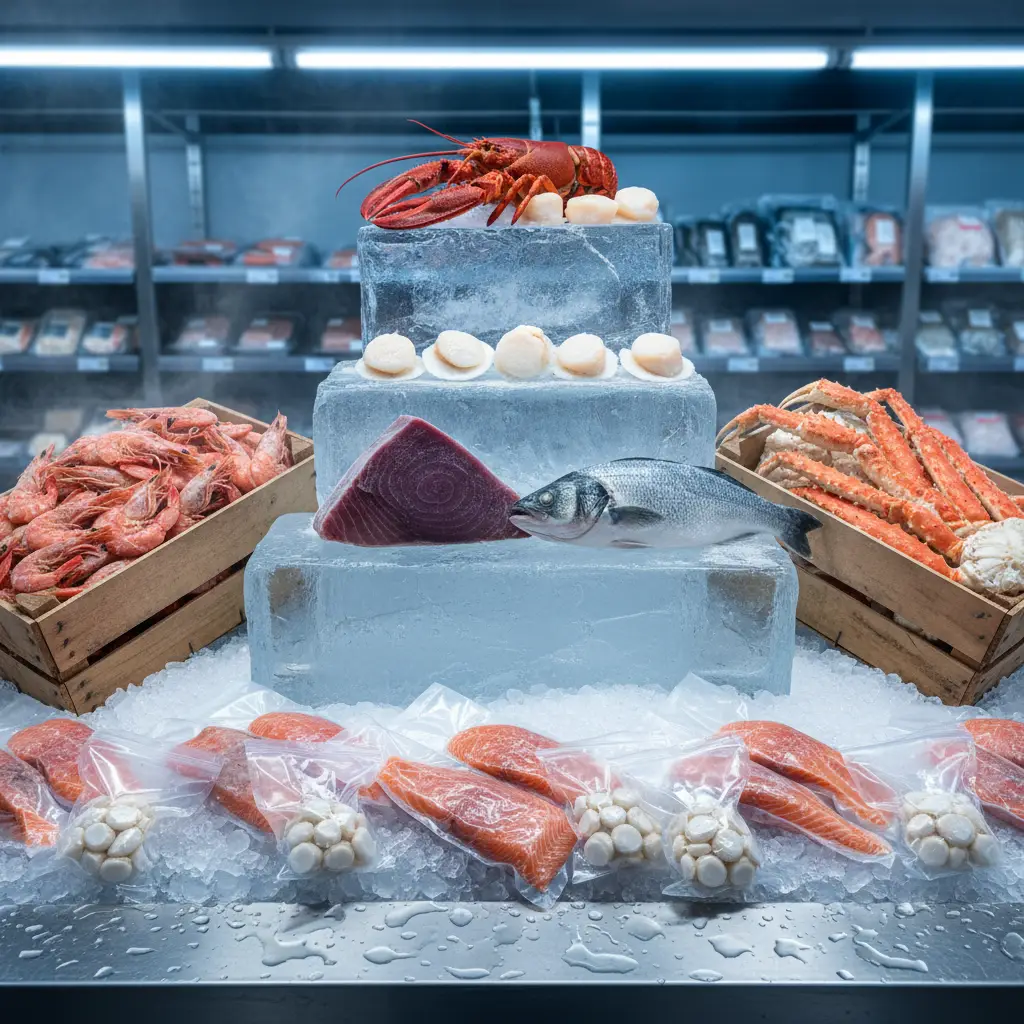
Below is a table listing common frozen seafood ingredients along with their calorie counts per standard serving size. These calorie values help in meal planning and maintaining a balanced diet.
| Ingredient | Serving Size | Calories (Approximate) |
|---|---|---|
| Frozen Shrimp | 100 grams | 99 |
| Frozen Salmon | 100 grams | 206 |
| Frozen Cod | 100 grams | 82 |
| Frozen Scallops | 100 grams | 111 |
| Frozen Crab Meat | 100 grams | 97 |
| Frozen Mussels | 100 grams | 172 |
| Frozen Tilapia | 100 grams | 129 |
| Frozen Lobster | 100 grams | 90 |
Step-by-Step Cooking Instructions
Cooking frozen seafood requires a few extra considerations compared to fresh fish, but following these steps will help you achieve delicious results every time.
- Thaw Properly: Always thaw seafood slowly to maintain texture and flavor. Place frozen seafood in the refrigerator overnight or under cold running water for a quicker thaw. Avoid thawing at room temperature to prevent bacterial growth.
- Prepare the Seafood: Once thawed, pat the seafood dry with paper towels to remove excess moisture. This step is crucial for getting a good sear or crisp crust when cooking.
- Season Generously: Frozen seafood can sometimes benefit from bold seasoning to enhance natural flavors. Use herbs, spices, citrus juice, or marinades to create a flavorful base.
- Choose Your Cooking Method:
- Sautéing: Heat a skillet with a small amount of oil or butter. Cook seafood on medium-high heat until opaque and cooked through, about 2-4 minutes per side depending on thickness.
- Baking: Preheat the oven to 400°F (200°C). Place seafood on a baking sheet lined with parchment paper or foil. Bake for 10-15 minutes or until fish flakes easily with a fork.
- Grilling: Brush seafood with oil and place on a preheated grill. Turn gently after a few minutes to get even grill marks and cook through.
- Steaming: Use a steamer basket over boiling water to gently cook seafood, preserving moisture and tenderness.
- Check Doneness: Seafood is done when it turns opaque and flakes easily with a fork. Avoid overcooking, as it can dry out the seafood and make it tough.
Tips for Customizing the Recipe
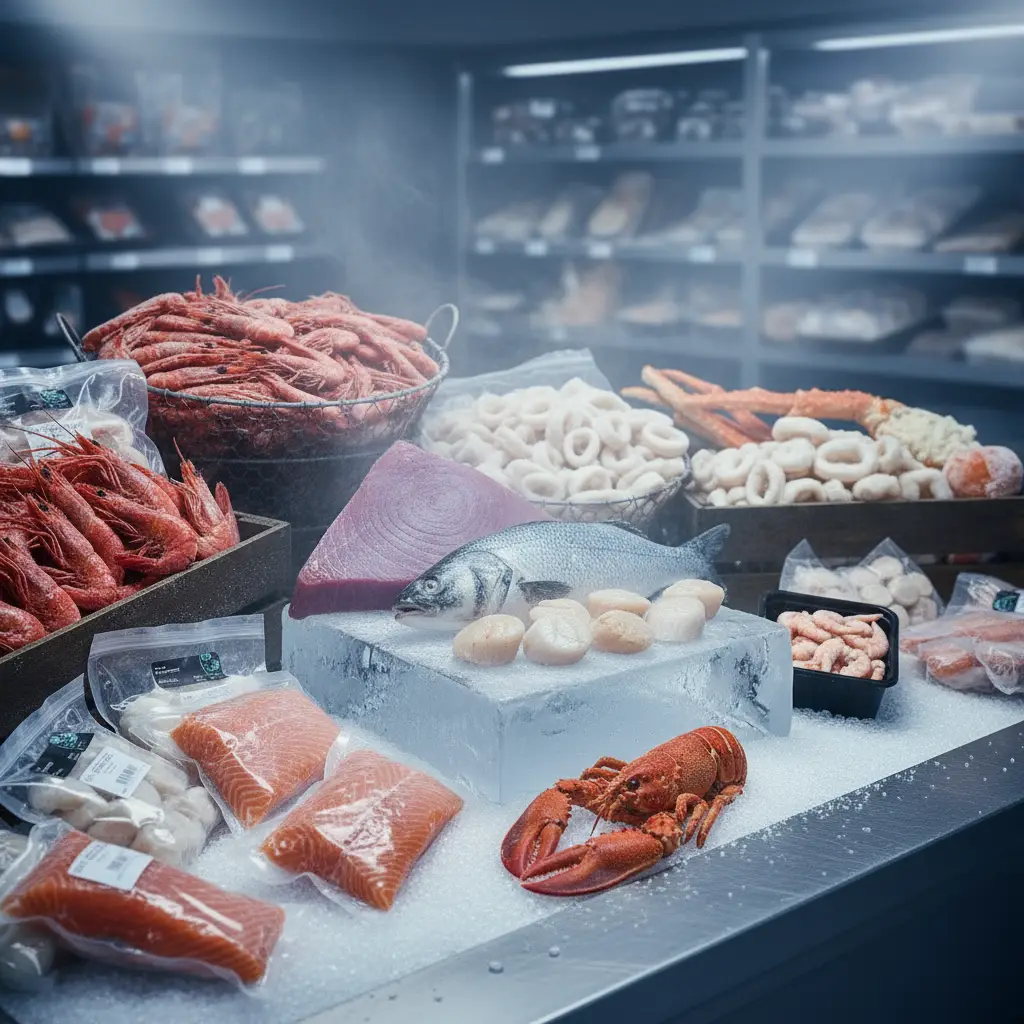
Frozen seafood adapts beautifully to various flavor profiles and cooking styles. Adding your personal touch is simple with these suggestions:
- Spice it Up: Add chili flakes, smoked paprika, or curry powder for a fiery twist.
- Citrus Zest: Brighten the dish with lemon, lime, or orange zest and juice for a fresh finish.
- Herbs: Fresh dill, parsley, cilantro, or basil complement seafood wonderfully.
- Garlic and Butter: A classic combo that works with almost any seafood, enhancing richness.
- Sauces: Serve with homemade tartar sauce, garlic aioli, or a tangy salsa for variety.
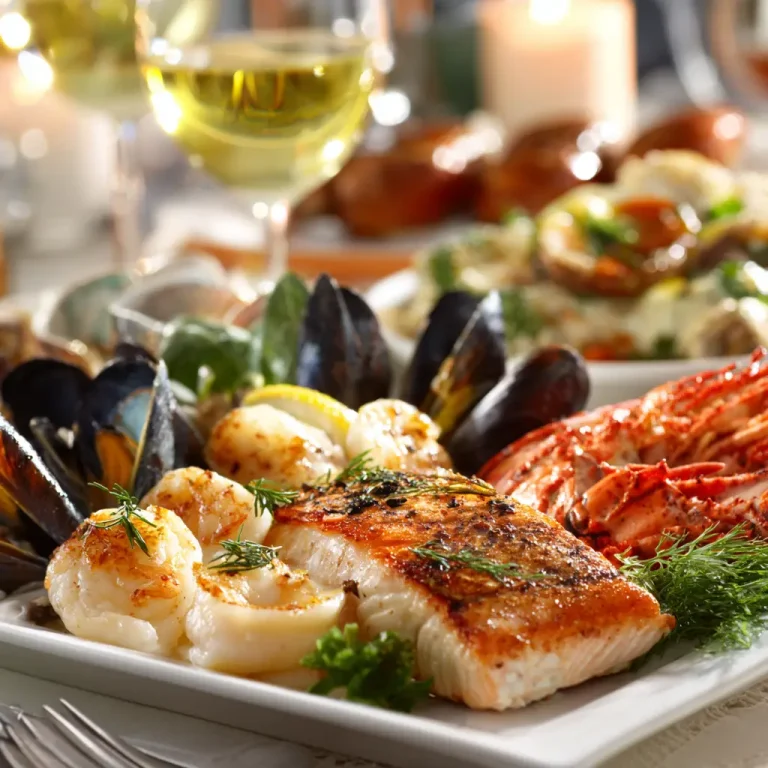
- Mix and Match: Combine different types of seafood like shrimp and scallops for a seafood medley.
Nutritional Information
Seafood, whether fresh or frozen, is an excellent source of lean protein and essential nutrients. It provides omega-3 fatty acids, which support heart health and brain function. Frozen seafood retains much of its nutritional value, as the freezing process prevents spoilage and nutrient loss.
Many types of frozen seafood are low in calories, saturated fat, and carbohydrates. They contain vitamins such as B12, D, and minerals like selenium, iodine, and zinc. These nutrients contribute to immune function, energy metabolism, and thyroid health.
It is important to choose frozen seafood without added breading or heavy sauces, as these can increase calories and sodium content.
Serving Suggestions
Frozen seafood is incredibly versatile and pairs well with a range of side dishes and flavors. Here are some ideas to elevate your meals:
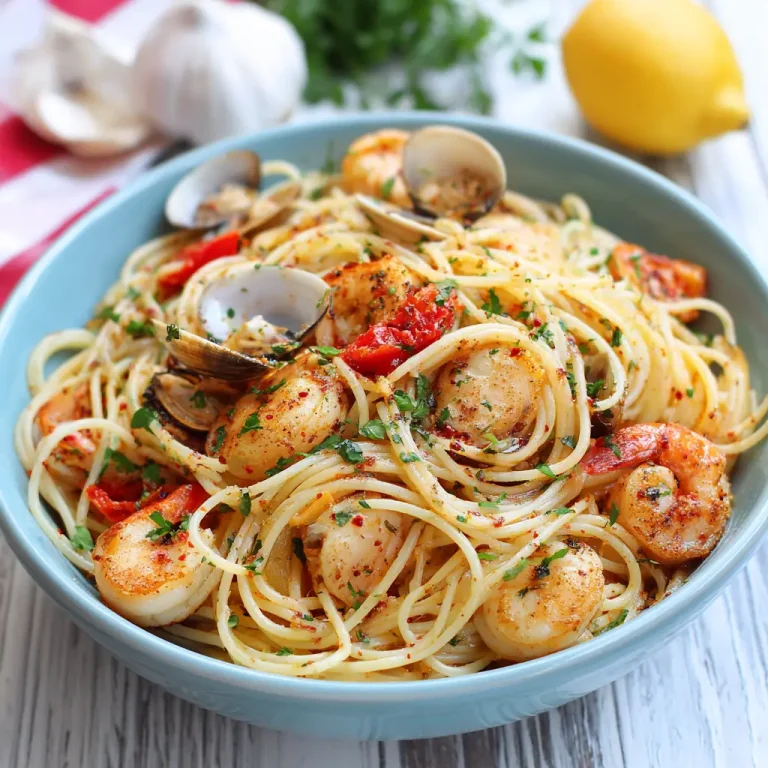
- Serve sautéed shrimp over a bed of garlic butter pasta.
- Pair baked salmon with roasted vegetables and quinoa.
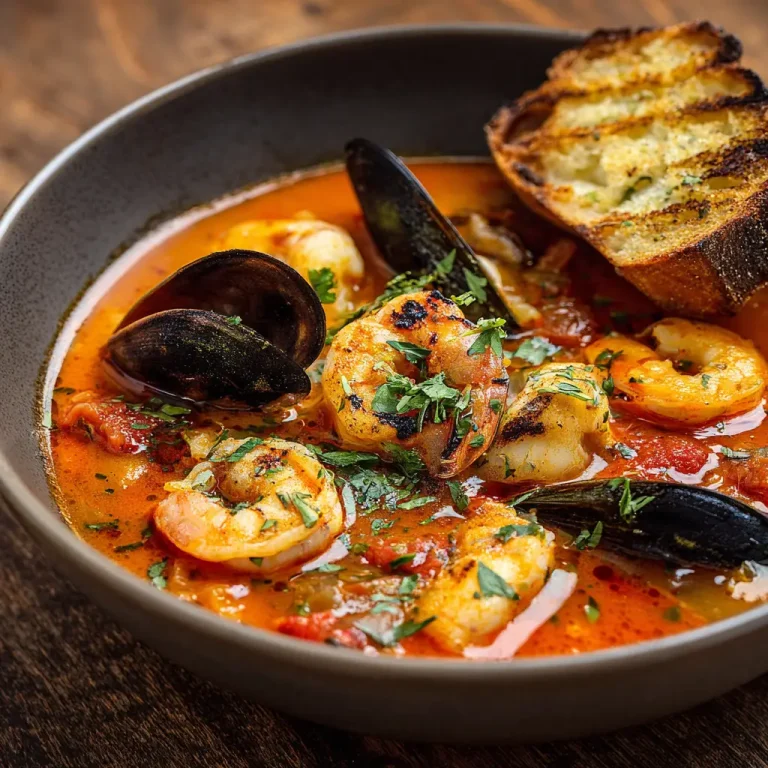
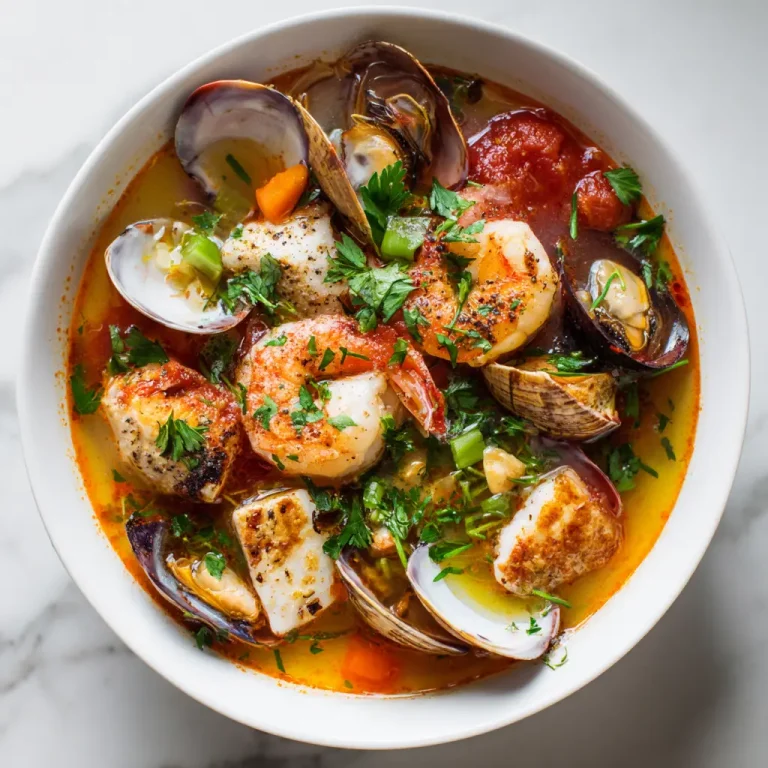
- Add steamed mussels to a fragrant tomato and white wine broth for a hearty soup.
- Make a seafood salad by tossing cooked crab meat with avocado, cucumber, and lemon dressing.
- Grill lobster tails and serve alongside grilled corn and a fresh garden salad.
- Use cod in fish tacos topped with cabbage slaw and a spicy aioli.
- Create a seafood stir-fry with scallops, bell peppers, snap peas, and ginger soy sauce.
These combinations highlight the seafood’s natural flavors while adding texture and freshness to your plate.
Frozen Seafood: Easy Recipes, Health Benefits, and Cooking Tips for Every Home
Course: Blog4
servings15
minutes20
minutes220
kcalIngredients
IngredienttQuantity
Frozen shrimp (peeled and deveined)t200 grams
Frozen cod filletst200 grams
Olive oilt2 tablespoons
Buttert1 tablespoon
Garlic (minced)t3 cloves
Directions
- Thaw the Seafood
- Place frozen shrimp and cod in a bowl of cold water for 20 minutes or refrigerate overnight. Pat dry using paper towels to remove excess moisture.
- Prepare the Pan
- Heat olive oil and butter in a large skillet over medium heat until the butter melts completely and the oil starts to shimmer.
- Sauté Garlic
- Add minced garlic and cook for 30 seconds until fragrant. Do not burn it, as garlic can turn bitter quickly.
Recipe Video
Notes
- Always thaw seafood properly before cooking for the best texture.
Avoid overcooking, as seafood can become rubbery.
You can substitute cod with salmon, tilapia, or haddock depending on preference.
Frequently Asked Questions
Can I cook frozen seafood without thawing it first?
Cooking seafood directly from frozen is possible, especially for quick methods like baking or sautéing, but thawing ensures even cooking and better texture.
How long can I keep seafood in the freezer?
Most frozen seafood maintains quality for 3 to 6 months when properly stored in airtight packaging.
Is frozen seafood as nutritious as fresh?
Yes, freezing preserves most nutrients effectively, often making frozen seafood just as healthy as fresh.
How do I avoid freezer burn on seafood?
Store seafood in airtight containers or vacuum-sealed bags to prevent exposure to air and moisture.
Are there any types of seafood that should never be frozen?
Delicate shellfish like oysters or clams are best consumed fresh, although some can be frozen with proper handling.
Conclusion
Embracing frozen seafood unlocks a world of convenient, nutritious, and delicious meal possibilities. It offers a practical solution for busy lifestyles without compromising on taste or health benefits. With simple preparation steps and versatile cooking options, frozen seafood can transform everyday dishes into gourmet experiences. From quick weeknight dinners to special occasions, frozen seafood brings the flavors of the ocean right to your table all year round.